Stop-Look-Go: Forklift and pedestrian safety
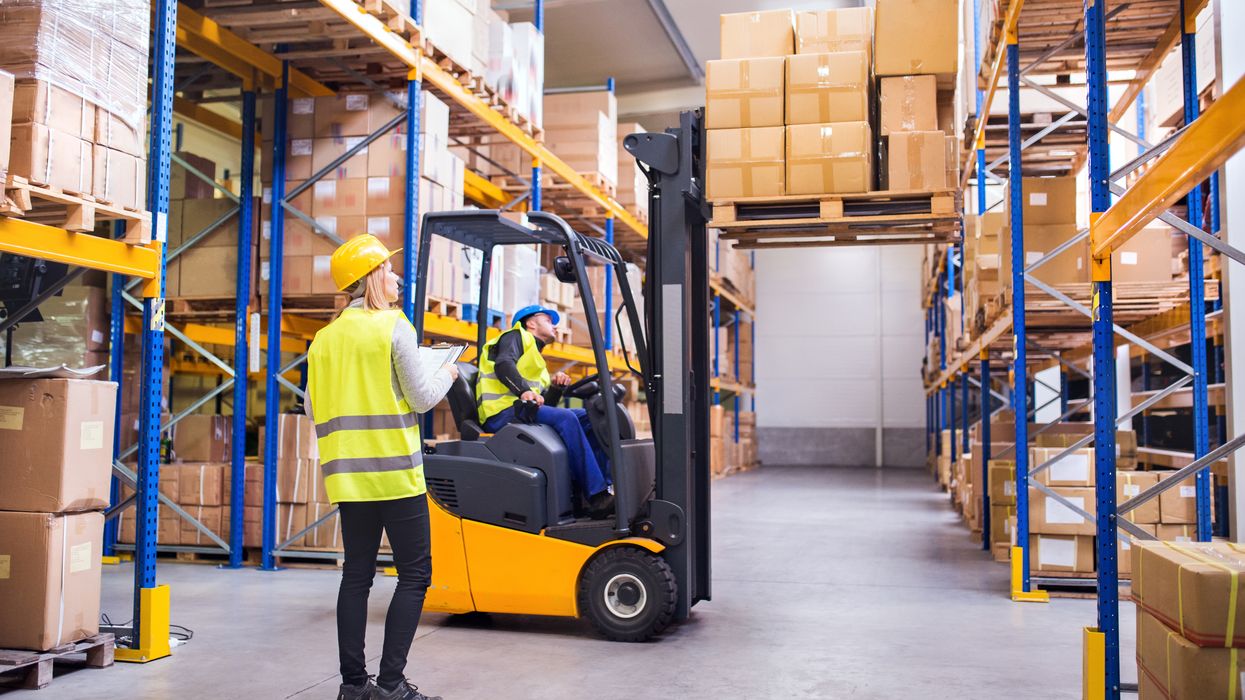
When forklifts and pedestrians cross paths, who has the right of way? One company says employees, while others say the forklift. Regardless of who your company policy says should have priority, when someone isn’t paying attention can lead to a disastrous situation and call to OSHA. One effective method of minimizing an accident risk is implementing “Stop-Look-Go” at intersections. This is where both forklift operators and pedestrians stop at each intersection to look both ways before proceeding.
Stop: Come to a controlled stop before reaching the intersection.
Look: Look around to ensure the path is clear. If not, make eye and verbal contact with the driver or pedestrian to ensure they see you. Both parties must know who is going and who is stopping. Go: Proceed with caution while still watching out for others.
OSHA requires that companies mark their forklift and pedestrian paths. One way to increase the effectiveness of this method is to ensure that the pathways are well-marked as pedestrian paths and mark the intersections with a different color or pattern. For example, a yellow pathway could use black and yellow stripes to indicate extra caution is needed in this area.
Avoid distractions when traveling through areas with forklifts and other pedestrians, such as cell phones and loud music.
Use mirrors to increase visibility around blind spots and corners.
Ensure employees understand the impacts of working with and around forklifts. Highlight the dangers.
Keep conversations to a minimum when working on and around forklifts.
Key to remember: Stop-Look-Go is a simple method that encourages forklift operators and pedestrians to be on the lookout for each other. It increases employee awareness of hazards when traveling in and around the facility.