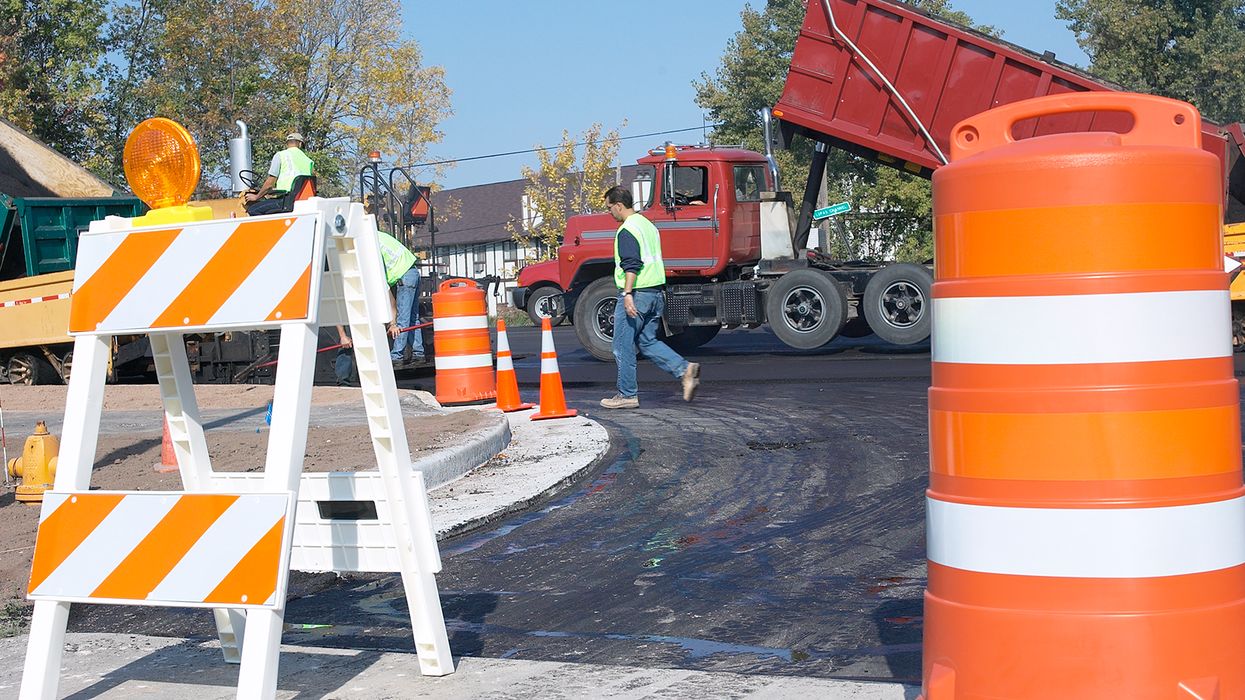
Fatalities prompt update of fall protection in residential construction directive
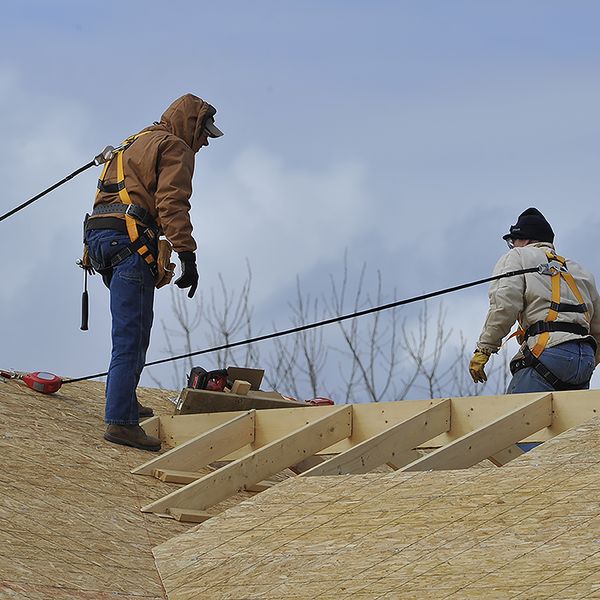
The continued high numbers of fall-related fatalities in residential construction has prompted OSHA to update its compliance directive to address the issues being faced on the jobsite. Effective June 16, 2011, the new compliance directive, STD 03–11–002 Fall Protection in Residential Construction will replace the current compliance directive referred to as STD 03–00–001, Plain Language Revision of OSHA Instruction STD 3.1, Interim Fall Protection Compliance Guidelines for Residential Construction, which was effective on June 18, 1999.
In the new directive, OSHA describes the comments it received in response to the advanced notice of proposed rulemaking; provides updates on more recent developments, including recommendations from the Advisory Committee on Construction Safety and Health, the National Association of Home Builders, and the Occupational Safety and Health State Plan Association; requires compliance with 29 CFR 1926.501(b)(13) and1926.502(k) for employers who wish to use alternative fall protection measures; and sets forth the agency’s interpretation of ‘‘residential construction’’ for purposes of 29 CFR 1926.501(b)(13), which includes two elements: (1) a residence requirement and (2) a wood frame construction requirement.
Under 29 CFR 1926.501(b)(13), workers engaged in residential construction six (6) feet or more above lower levels generally must be protected by conventional fall protection (i.e., guardrail systems, safety net systems, or personal fall arrest systems). However, if an employer can demonstrate that such fall protection is infeasible or presents a greater hazard, it may implement a written fall protection plan meeting the requirements of § 1926.502(k).
After OSHA promulgated § 1926.501(b)(13) in 1994, representatives of the residential construction industry argued that they needed more compliance flexibility than the standard allowed. As a result, OSHA issued Instruction STD 3.1 on December 8, 1995. STD 3.1 set out an interim compliance policy that permitted employers engaged in certain residential construction activities to use specified alternative procedures instead of conventional fall protection. These alternative procedures could be used without a prior showing of infeasibility or greater hazard and without a written, site-specific fall protection plan.
On June 18, 1999, the Agency issued STD 3–0.1A (subsequently re-designated STD 03–00–001), which was a plain language replacement for STD 3.1. And shortly after issuing STD 03–00–001, OSHA published an Advanced Notice of Proposed Rulemaking (ANPR). (64 FR 38077, July 14, 1999) marking the beginning of the agency’s evaluation of this requirement.
Since there have been advances in the types and capability of commercially available fall protection equipment’’ since the promulgation of § 1926.501(b)(13), the Advisory Committee on Construction Safety and Health, the National Association of Home Builders, and the Occupational Safety and Health State Plan Association recommended an update compliance directive be provided.
To read the complete compliance directive, click here.