Chock full of confusion on securing trailers
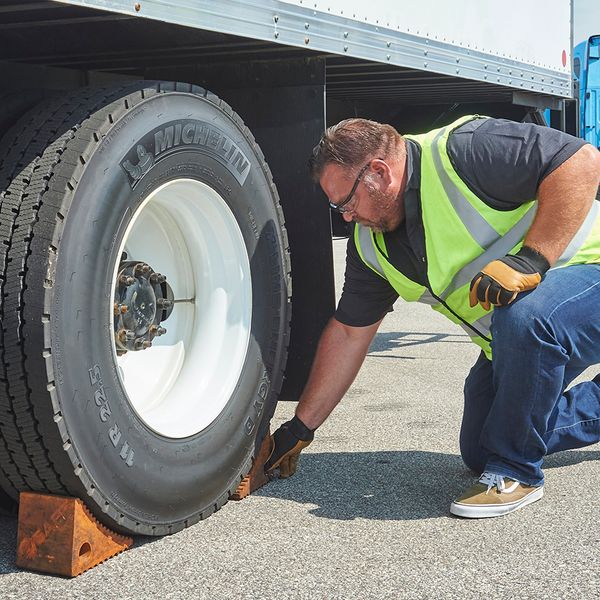
Most employers know that OSHA requires chocking or similarly securing trailers for loading and unloading, but many also know about an exemption for commercial motor vehicles (CMVs). In short, that exemption is narrow and applies only to employers that are motor carriers.
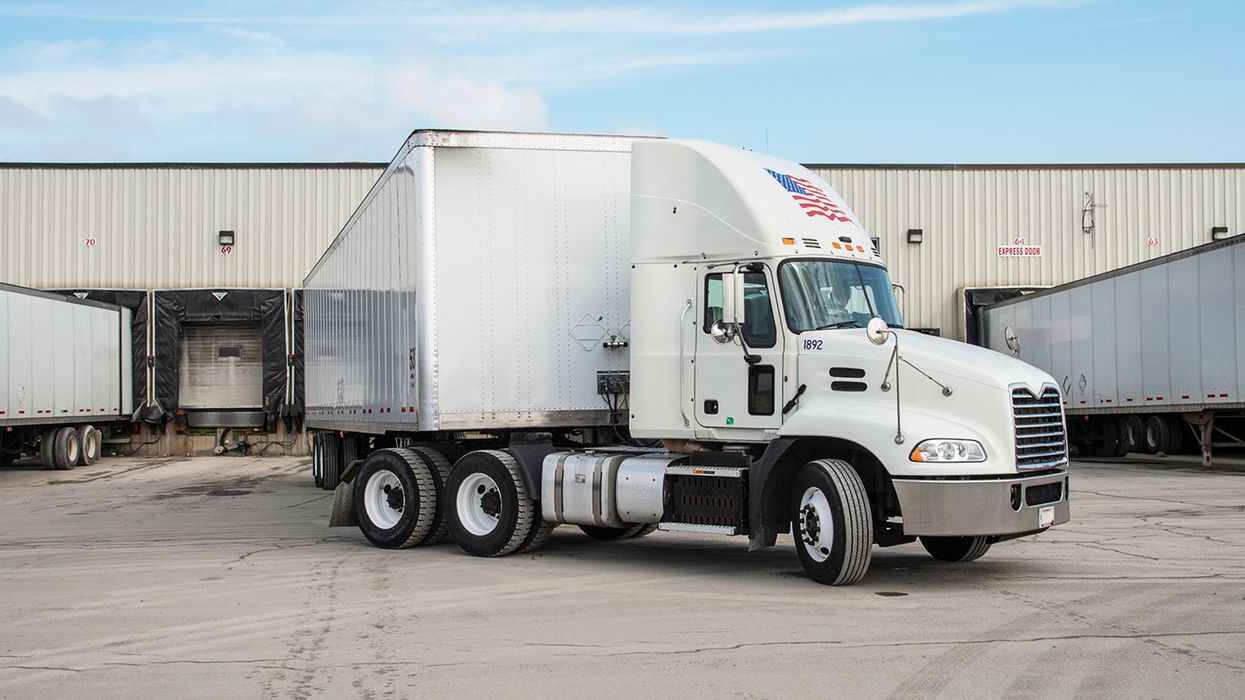
Several OSHA regulations require using chocks or similar measures (such as dock locks) during loading or unloading operations. To avoid conflicts, federal OSHA created an agreement with the Federal Motor Carrier Safety Administration (FMCSA) for that agency to retain jurisdiction over CMVs. That means OSHA cannot (in theory) enforce chocking requirements on CMVs.
There is a catch to OSHA’s enforcement limitation, however. In fact, there are several issues that employers should know.
Limited exemption
First, many states run their own OSHA programs (state-plan states). Since the FMSCA jurisdiction agreement is with federal OSHA, states are not subject to the agreement could enforce chocking requirements in all cases, even for CMVs.
Second, OSHA expects employers to require chocking on CMVs if the employer’s workers (such as forklift drivers) will enter the trailer. Basically, OSHA stated that the FMCSA regulations (and jurisdiction issues) apply only to motor carrier employers that fall under FMCSA authority, not to other employers. To illustrate, if a CMV backs into the dock at a grocery store, and the store workers will unload the trailer, then OSHA has jurisdiction over the store workers.
OSHA addressed these issues in a letter of interpretation dated March 7, 2011, outlining the history of the agency’s agreement with the FMCSA. The letter clarifies that the FMSCA parking brake regulations “do not apply to companies which do not own, operate, or lease CMVs” and therefore OSHA can enforce chocking requirements against those employers.
If a manufacturing or retail employer is not subject to FMCSA regulations, but that employer has forklift operators unloading trailers, OSHA expects that employer to “take precautions to protect their workers ... from the movement of trailers.” Further, the letter clarifies that forklift operators “must be trained” not to enter a trailer “unless the trailer is properly secured or restricted from movement prior to boarding.”
For similar information, see our article, Five forklift facts that are not in the OSHA regulations.
Who’s responsible?
The above letter also asked who is responsible for confirming that no employees are injured when the truck driver attempts to move the trailer. OSHA responded that the employer must “ensure that forklift operators are not in the trailer or hostler when the driver attempts to remove the trailer from the loading dock.” Employers may adopt whatever procedures are necessary to ensure this.
The bottom line is that OSHA won’t enforce wheel chocking requirements on CMVs that are operated by a company under FMSCA jurisdiction. Other employers (like warehouses and manufacturing facilities) not under FMCSA jurisdiction must still take steps to protect workers from unexpected trailer movement — and OSHA will enforce those provisions.
Key to Remember: Although FMSCA regulations allow motor carriers to rely on parking brakes to secure trailers during loading and unloading operations, OSHA requires employers who are not motor carriers to secure trailers with chocks or similar means.