Preparing the HMR for the age of automation
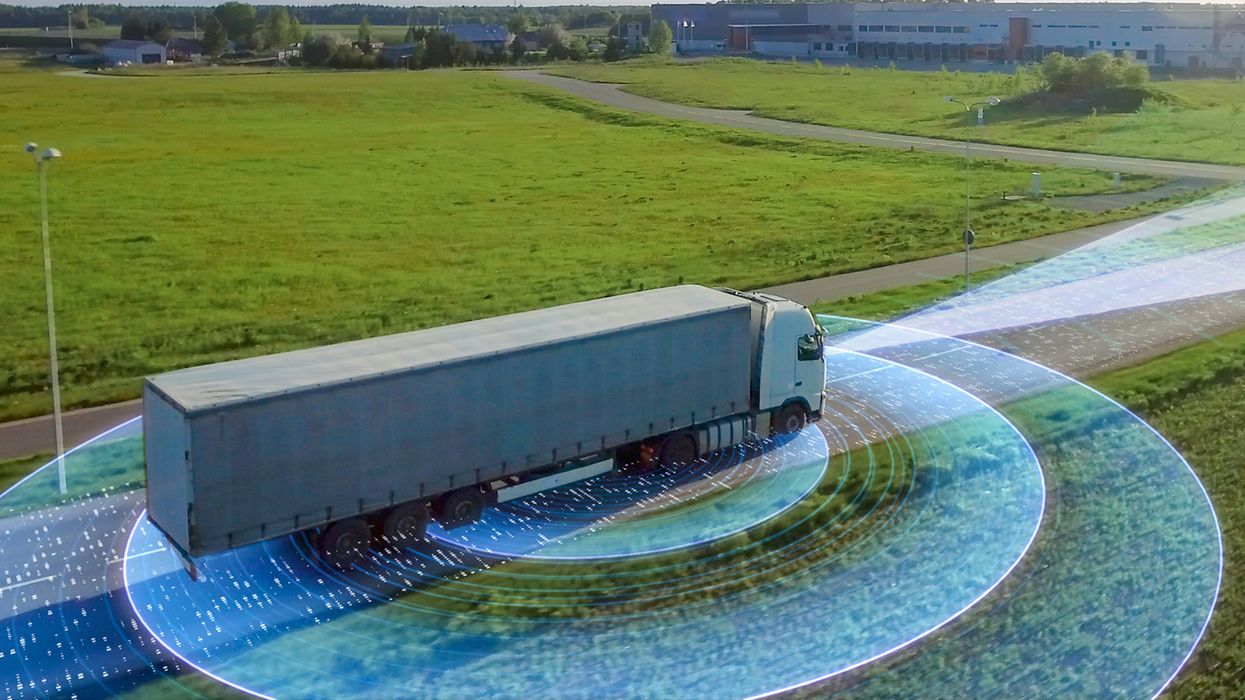
Imagine a drone delivering a package that contains hazmat, or a driverless truck hauling chemicals down the interstate. These scenarios aren’t science fiction, they’re closer than you think. The Pipeline and Hazardous Materials Safety Administration (PHMSA) is asking a critical question: how do we keep hazmat transportation safe in an era of automation?
PHMSA has issued an Advance Notice of Proposed Rulemaking (ANPR) to gather input on updating the Hazardous Materials Regulations (HMR) to accommodate highly automated transportation systems. These systems include technologies like unmanned aircraft, automated driving systems, and even autonomous ships. The goal is to modernize regulations without sacrificing safety, while supporting innovation that could reshape how hazardous materials move across the country.
Why now?
Current regulations were designed for traditional transportation human drivers, crewed aircraft, and manual loading. Automation changes everything. It’s intended to improve efficiency and have fewer human errors, but it also introduces new challenges:
- How do emergency responders access shipping papers when there’s no driver?
- What happens if a drone carrying hazmat crashes in a neighborhood?
PHMSA officials indicate they want to support innovation without compromising safety. To do that, they need input from the hazmat community.
Areas under review
PHMSA’s ANPR outlined several topics where automation could impact compliance:
- Special permits — Should the process be adopted for automated systems like drones?
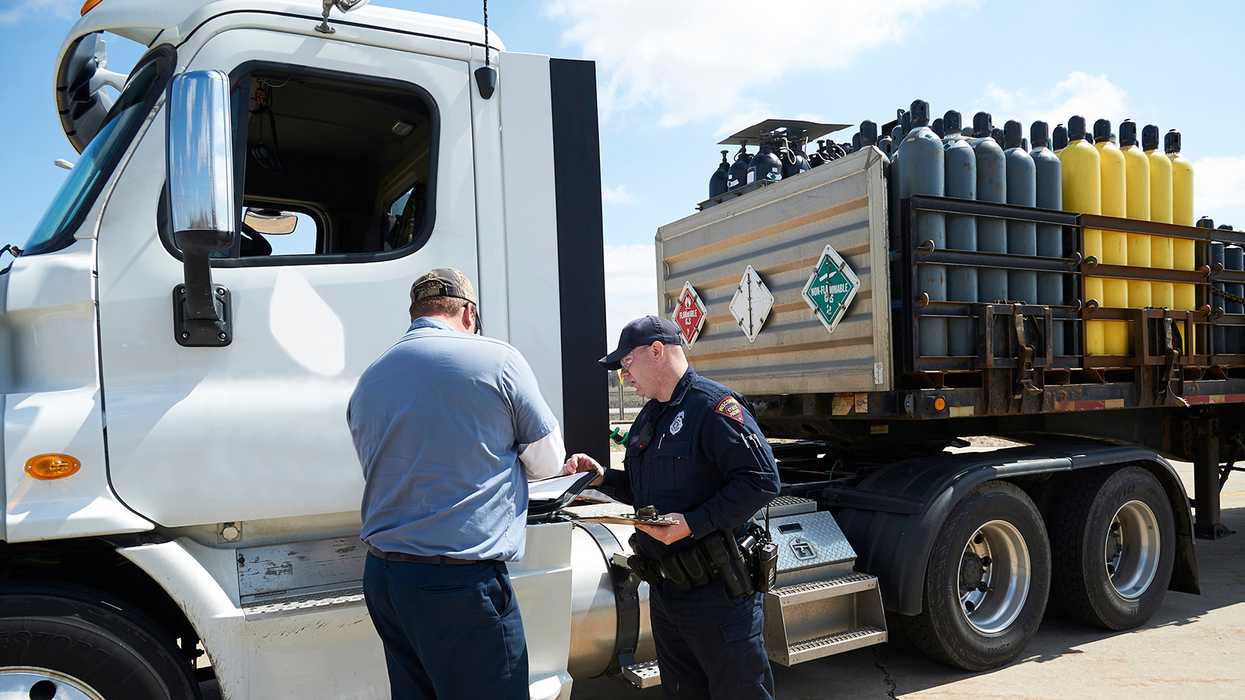
- Shipping papers and emergency response — How do we provide critical information when no one is on board?
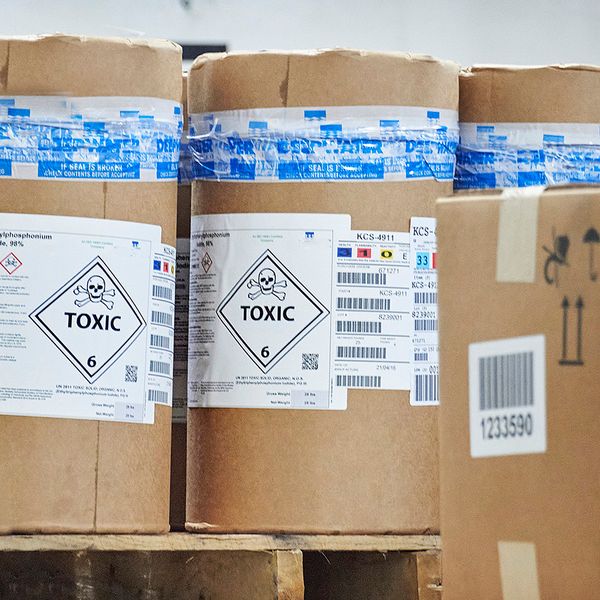
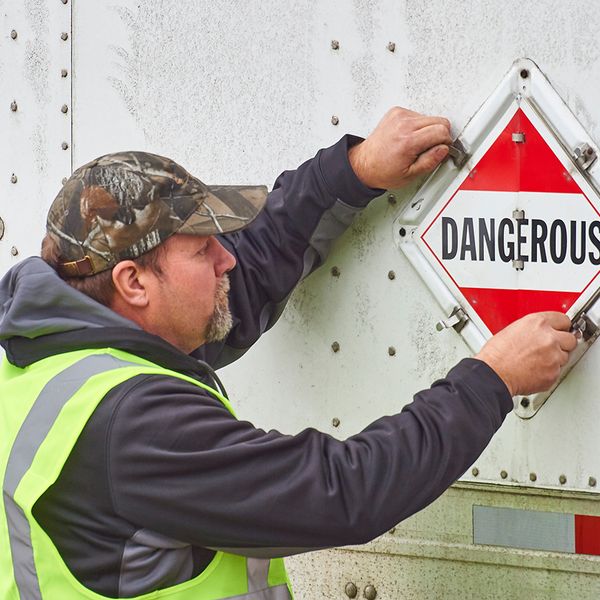
- Hazard communication — Labels and placards work for trucks and railcars, but what about drones?
- Training — If automation reduces human involvement, what does hazmat training look like?
- Security — Cybersecurity risks are now part of the equation.
- Packaging and handling — New platforms may require new packaging standards.
Mode-specific considerations
PHMSA is also looking at how automation affects each mode of transportation:
- Rail — No automated hazmat rail yet, but waivers for automation exist.
- Air — Drones and advanced air mobility systems are already moving toward package delivery.
- Vessel — International efforts are underway for autonomous ships.
- Highway — Driverless trucks could change everything from loading to emergency response.
Your voice matters
PHMSA’s not making changes yet. However, they are gathering input. They want to know:
- What safety concerns and benefits do you see?
- Are current packaging and hazard communication rules adequate?
- How should cybersecurity risks be addressed?
- What economic impacts could these changes have, especially for small businesses
Comments are due by March 4, 2026, and can be submitted via regulations.gov under Docket No. PHMSA-2024-0064 (HM-266).
Key to remember: Automation is coming, and it’s coming fast. Whether you’re a carrier, shipper, emergency responder, or safety advocate, your input will help PHMSA find a balance.