Equal threat, opposite direction: Reversing hazards in work zones
Speeding through work zones is deadly, and distracted driving only intensifies the risk. But the danger does not end there: even slow-moving vehicles or those reversing at low speeds can be just as lethal, a fact underscored by two worker fatalities that occurred only days apart despite being hundreds of miles away.
Starting the year in the wrong direction
On January 10, 2026, a Michigan tow truck helper who was standing at the rear of their truck cab became pinned between the rollback flatbed carriage and the cab, suffering a fatal head injury. Preliminary findings show that after unloading a vehicle, the flatbed was being returned to its original position when unexpected resistance was encountered. Later, the helper was found on the ground and was pronounced deceased at the scene.
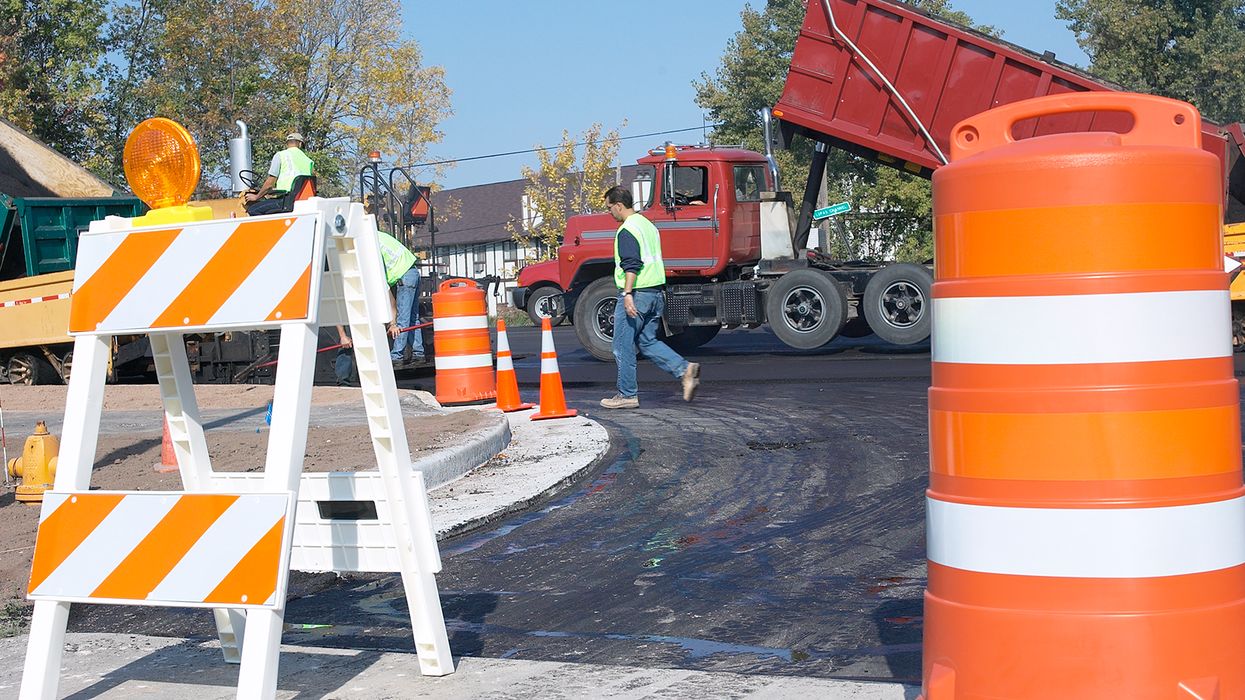
Six short days later in New Hampshire, a pickup truck operator struck a worker while reversing their vehicle on a worksite. Life-saving measures were attempted by emergency responders; however, the struck worker died because of injuries suffered in the incident.
While investigations into both fatalities are still underway, they serve as sobering reminders that workplace tragedies can occur regardless of vehicle direction or speed, underscoring the importance of maintaining rigorous work zone safety practices.
Reversing fatal facts
According to the National Work Zone Safety Information Clearinghouse, fatal highway worker injuries involving workers on foot struck by vehicles have increased by 10.7 percent since 2021. From 2021 to 2023, these incidents accounted for an average of 53.5 percent of all fatal highway worker deaths. In 2023 alone, more than 800 people were killed in work zone crashes, and over 37,000 were injured.
The data drives home the concept that work zone safety is moving in the wrong direction, making it critical for organizations to strengthen controls, improve visibility, and reinforce safe work practices. While work zone incidents remain a serious challenge, employers can reduce risk by applying data‑driven practices, proven countermeasures, and structured hierarchical control strategies, including:
- Prioritizing worker participation in identifying hazards and evaluating/implementing control options;
- Analyzing crash and trend data to target safety strategies and guide interventions;
- Addressing commonly cited OSHA violations to close work zone safety gaps before injuries or fatalities occur;
- Implementing safety countermeasures such as speed management tools, enhanced roadway delineation, improved lighting, pedestrian protections, and median barriers;
- Coordinating with engineers, traffic control companies, equipment manufacturers, and law enforcement to establish effective communication and staging strategies;
- Maintaining a written hazard control plan that includes emergency and non-routine operations;
- Evaluating the effectiveness of controls and adjusting when needed.
Key to remember: Work zone injuries are increasing; therefore, every vehicle movement, no matter the direction, must be controlled using engineering controls, data-informed decisions, worker participation, and consistent hazard management.