Early starts are for the birds if you’re a night owl
Sometimes it feels like my husband and I live in different worlds.
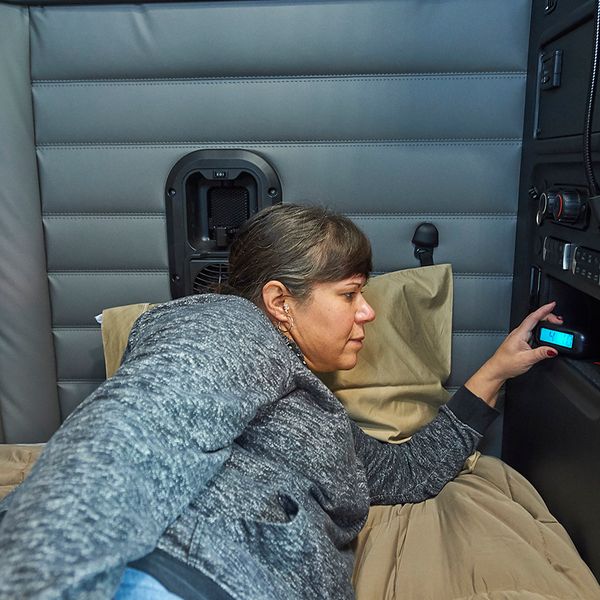
While I wouldn’t describe myself as an early riser, my husband is definitely a night owl. But, he’s his own boss, so it doesn’t matter what time he starts work, or whether he works into the evening when he’s more focused.
So I live with proof that flexible scheduling helps some people be more productive. If you or your management team need convincing that flexible scheduling could benefit some employees, however, look no further than Finland.
Night owls more likely to underperform
A study that monitored more than 5,800 people in Finland for four years found that those who prefer to stay up late are more likely to underperform at work than early birds.
The research was based on people’s time-of-day preferences for sleep and activity, which is called chronotype. Early risers — people who have a morning chronotype — tend to work better early in the morning, while evening types, called night owls, are the reverse.
In the study, 10 percent of the men and 12 percent of the women were night owls, and 72 percent of those night owls worked in day jobs. The rest of the people in the study were either early risers, or what the researchers termed intermediate chronotypes, meaning they were sort of middle-of-the-road, like me.
The odds of underperformance were twice as high among the night owls as they were among the early birds, found the study, which was published in the journal Occupational & Environmental Medicine.
The study’s author explained that the reason for underperformance was the difference in when early birds and night owls are ready to fall asleep. The evening person who arrives at the office at 8 a.m. may have had only five hours of sleep, whereas the morning person arriving at the same time may have had eight hours.
The researchers’ bottom line was that people whose work schedule is out of sync with their chronotype should try to follow a regular sleep schedule to avoid becoming sleep deprived, because chronotypes can be changed to some extent.
But fighting against chronotype will only go so far. It may be more helpful if employees struggling in the morning would be allowed the flexibility to shift the start and end of their workday by an hour or two as well. After all, early birds might catch worms, but night owls, if allowed the freedom to fly when their skills are most keen, catch much bigger prey.