Compliance Just Got Easier: Stay ahead of regulatory changes with instant notifications on updates that matter.
['CMV Parts and Maintenance']
['Maintenance and periodic inspections']
2026-01-15T06:00:00Z
JOIN TODAY TO CONTINUE READING THIS ARTICLE & OTHER INDUSTRY NEWS!
You'll also get exclusive access to:
A database of easy-to-understand regulationsAsk unlimited questions to our expertsPre-led discussions forumsAnd more
TRY IT FREE TODAY
Already have an account? Log in now.

Copyright 2026 J. J. Keller & Associate, Inc. For re-use options please contact copyright@jjkeller.com or call 800-558-5011.
NewsIndustry NewsFleet SafetyIn-Depth ArticleCMV Parts and MaintenanceFocus AreaMaintenance and periodic inspectionsFleet OperationsEnglishTransportationUSA
Decoding the FMCSRs: Why history matters for CMV compliance
2026-01-15T06:00:00Z
The key to truly understanding the Federal Motor Carrier Safety Regulations (FMCSRs) often lies in their history.
Today’s regulatory language was shaped by decades of debate and compromise, much of it documented in the Federal Register, the government's official daily newspaper. Knowing the backstory of a regulation can not only answer persistent “why” questions, but also help understand the meaning behind the words and, ultimately, how to comply.
Consider these four examples when it comes to commercial motor vehicle inspection and maintenance requirements in 49 CFR Part 396.
“1 year and for 6 months”
Originally, carriers were required to retain inspection and maintenance records for 3 years. In 1979, the Federal Register documented a shift, reducing the retention period to “a period of 1 year and for 6 months after the motor vehicle leaves the motor carrier’s control,” as currently stated in 49 CFR 396.3.
The lack of a comma in that phrase has caused confusion ever since. Are the records to be maintained for 6 months after a vehicle is disposed of, or 18 months?
Fortunately, that 1979 document has the answer, stating the current requirements in a much clearer way:
“The time period for retaining the inspection and maintenance records is being reduced from the current 3-year requirement to 1 year. Once the vehicle leaves the service of the carrier, the records need only be maintained for 6 months.”
“Preceding 12 Months”
Regulations for the periodic inspection in 396.17 require each vehicle to have been inspected “at least once during the preceding 12 months.” Does that mean the next inspection must be completed within 365 days of the last one, or that it must be completed before the end of the month, 1 year later, potentially allowing nearly 13 months between inspections?
The answer lies in a 1988 Federal Register when the rule was first adopted. It says the USDOT considered adding “365 days” to the rule but got pushback from the industry, which argued that “a day-specific requirement was too restrictive and inconsistent with most inspection program periods.”
As a result, the inspection sticker need only contain the month and year of the last inspection, and most enforcement agencies allow a grace period for the next inspection until the end of the month. However, completing each subsequent inspection within 365 days is highly recommended since that’s the common understanding of “12 months.”
Lubrication records
The regulations in 396.3 used to specify that lubrication records must be retained, but the rules no longer say that. So if today’s regulations only say you need to keep records of “inspection, repairs and maintenance,” does that include lubrication records?
The answer is yes, and it dates back to 1994 when the USDOT stated that “the lubrication record … is a maintenance record, [so] the requirement is redundant.”
Bottom line: lubrication is considered part of “maintenance” and therefore you must maintain all lubrication records for at least 12 months.
We need the tire size?
Many motor carriers are surprised that “tire size” is a required record in a vehicle file. It’s nestled among a list of vehicle details that must be retained, such as the make, serial number, and year. But why tire size?
Tire size used to be one of several tire details that carriers had to retain, including the number of tires and their load rating. The industry was questioning the need for such details as far back as the 1970s, leading the USDOT to remove some (but not all) of them in 1979, when it wrote in the July 2nd edition of the Federal Register:
“The suggestion that tire records are not needed has been carefully studied. Tire size has a direct bearing on the load-carrying capacity of a vehicle, but ply rating or load rating may not be needed. The load or ply rating will be dropped, but size of tires will be retained.”
Tire size may seem out of place in today’s vehicle files, but at least the government provided a safety-based justification — even if we must look back nearly 50 years to find it.
Key to remember: Regulatory language is never arbitrary. To truly understand why the regulations are worded the way they are, motor carriers must sometimes look beyond the text and understand the story behind the rule.
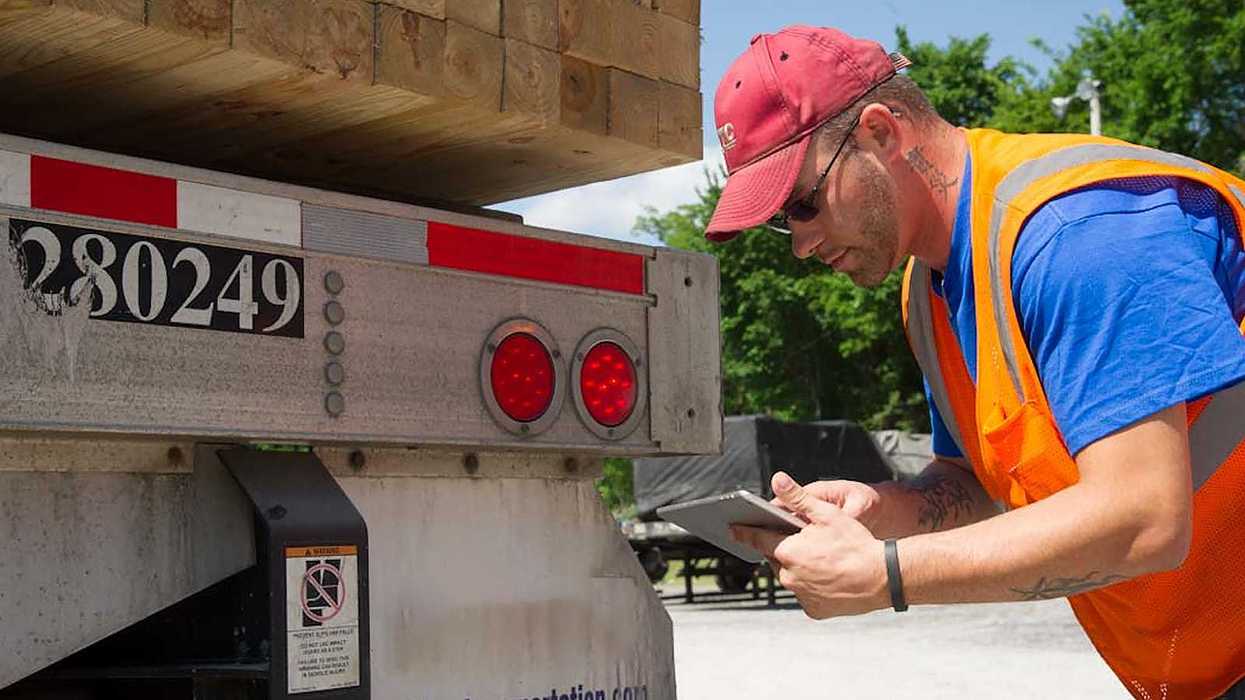
NewsIndustry NewsFleet SafetyIn-Depth ArticleCMV Parts and MaintenanceFocus AreaMaintenance and periodic inspectionsFleet OperationsEnglishTransportationUSA
Decoding the FMCSRs: Why history matters for CMV compliance
2026-01-15T06:00:00Z

Written by
Tim Adam
Industry Business Advisor
Tim Adam
Industry business advisor on HOS, vehicle inspections and maintenance, and driver training/ELDT.
The key to truly understanding the Federal Motor Carrier Safety Regulations (FMCSRs) often lies in their history.
Today’s regulatory language was shaped by decades of debate and compromise, much of it documented in the Federal Register, the government's official daily newspaper. Knowing the backstory of a regulation can not only answer persistent “why” questions, but also help understand the meaning behind the words and, ultimately, how to comply.
Consider these four examples when it comes to commercial motor vehicle inspection and maintenance requirements in 49 CFR Part 396.
“1 year and for 6 months”
Originally, carriers were required to retain inspection and maintenance records for 3 years. In 1979, the Federal Register documented a shift, reducing the retention period to “a period of 1 year and for 6 months after the motor vehicle leaves the motor carrier’s control,” as currently stated in 49 CFR 396.3.
The lack of a comma in that phrase has caused confusion ever since. Are the records to be maintained for 6 months after a vehicle is disposed of, or 18 months?
Fortunately, that 1979 document has the answer, stating the current requirements in a much clearer way:
“The time period for retaining the inspection and maintenance records is being reduced from the current 3-year requirement to 1 year. Once the vehicle leaves the service of the carrier, the records need only be maintained for 6 months.”
“Preceding 12 Months”
Regulations for the periodic inspection in 396.17 require each vehicle to have been inspected “at least once during the preceding 12 months.” Does that mean the next inspection must be completed within 365 days of the last one, or that it must be completed before the end of the month, 1 year later, potentially allowing nearly 13 months between inspections?
The answer lies in a 1988 Federal Register when the rule was first adopted. It says the USDOT considered adding “365 days” to the rule but got pushback from the industry, which argued that “a day-specific requirement was too restrictive and inconsistent with most inspection program periods.”
As a result, the inspection sticker need only contain the month and year of the last inspection, and most enforcement agencies allow a grace period for the next inspection until the end of the month. However, completing each subsequent inspection within 365 days is highly recommended since that’s the common understanding of “12 months.”
Lubrication records
The regulations in 396.3 used to specify that lubrication records must be retained, but the rules no longer say that. So if today’s regulations only say you need to keep records of “inspection, repairs and maintenance,” does that include lubrication records?
The answer is yes, and it dates back to 1994 when the USDOT stated that “the lubrication record … is a maintenance record, [so] the requirement is redundant.”
Bottom line: lubrication is considered part of “maintenance” and therefore you must maintain all lubrication records for at least 12 months.
We need the tire size?
Many motor carriers are surprised that “tire size” is a required record in a vehicle file. It’s nestled among a list of vehicle details that must be retained, such as the make, serial number, and year. But why tire size?
Tire size used to be one of several tire details that carriers had to retain, including the number of tires and their load rating. The industry was questioning the need for such details as far back as the 1970s, leading the USDOT to remove some (but not all) of them in 1979, when it wrote in the July 2nd edition of the Federal Register:
“The suggestion that tire records are not needed has been carefully studied. Tire size has a direct bearing on the load-carrying capacity of a vehicle, but ply rating or load rating may not be needed. The load or ply rating will be dropped, but size of tires will be retained.”
Tire size may seem out of place in today’s vehicle files, but at least the government provided a safety-based justification — even if we must look back nearly 50 years to find it.
Key to remember: Regulatory language is never arbitrary. To truly understand why the regulations are worded the way they are, motor carriers must sometimes look beyond the text and understand the story behind the rule.


See More
RELATED NEWS


NewsIndustry NewsFederal Motor Carrier Safety RegulationsVehicle inspector requirementsFleet SafetyDriver qualificationsDriving RecordsDriver qualification and hiringFocus AreaIn-Depth ArticleUSAEnglishTransportationBusiness planning - Motor CarrierCMV Inspections
01/26/2023
5 DOT records you may have overlooked


NewsCarrier profiles, safety ratings and facility auditsCarrier safety ratingsFacility auditsDriver qualificationsIn-Depth ArticleEnglishIndustry NewsFleet SafetyDrivers qualification (DQ file)CMV drivingDriving RecordsDriver abstractsFocus AreaFleet OperationsTransportationUSA
08/19/2024
Requirements for Canadian commercial carriers and driver's records retention
Specialized Industries
Go beyond the regulations! Visit the Institute for in-depth guidance on a wide range of compliance subjects in safety and health, transportation, environment, and human resources.
J. J. Keller® COMPLIANCE NETWORK is a premier online safety and compliance community, offering members exclusive access to timely regulatory content in workplace safety (OSHA), transportation (DOT), environment (EPA), and human resources (DOL).

Interact With Our Compliance Experts
Puzzled by a regulatory question or issue? Let our renowned experts provide the answers and get your business on track to full compliance!

Upcoming Events
Reference the Compliance Network Safety Calendar to keep track of upcoming safety and compliance events. Browse by industry or search by keyword to see relevant dates and observances, including national safety months, compliance deadlines, and more.

SAFETY & COMPLIANCE NEWS
Keep up with the latest regulatory developments from OSHA, DOT, EPA, DOL, and more.



REGSENSE® REGULATORY REFERENCE
Explore a comprehensive database of word-for-word regulations on a wide range of compliance topics, with simplified explanations and best practices advice from our experts.

THE J. J. KELLER INSTITUTE
The Institute is your destination for in-depth content on 120+ compliance subjects. Discover articles, videos, and interactive exercises that will strengthen your understanding of regulatory concepts relevant to your business.



ADD HAZMAT, ENVIRONMENTAL, & HR RESOURCES
Unlock exclusive content offering expert insights into hazmat, environmental, and human resources compliance with a COMPLIANCE NETWORK EDGE membership.

DIRECT ACCESS TO COMPLIANCE EXPERTS
Struggling with a compliance challenge? Get the solution from our in-house team of experts! You can submit a question to our experts by email, set up a phone or video call, or request a detailed research report.



EVENTS
Register to attend live online events hosted by our experts. These webcasts and virtual conferences feature engaging discussions on important compliance topics in a casual, knowledge-sharing environment.
Most Recent Highlights In Environmental

NewsIndustry NewsEnglishEnvironmental Management SystemsSustainabilityIn-Depth ArticleEnvironmentalEMS Roles and ResponsibilitiesEnvironmental Management SystemsFocus AreaUSA
2026-08-21T05:00:00Z
Maintenance and environmental compliance go hand in hand
Environmental compliance is often viewed as the responsibility of the environmental, health, and safety (EHS) department. In reality, many compliance successes and failures occur on the plant floor, in maintenance shops, and around equipment managed by maintenance personnel.
Maintenance employees regularly handle used oil, inspect tanks, repair air pollution control equipment, respond to spills, and maintain secondary containment systems. Their daily decisions can directly affect compliance with federal, state, and local environmental requirements. As facilities face increased scrutiny of air emissions, waste management, and spill prevention programs, coordination between environmental and maintenance personnel has become increasingly important. That is why one of the most valuable members of an environmental compliance team is often someone from maintenance.
Used oil management starts in the shop
Many maintenance departments generate used oil from equipment servicing, vehicle maintenance, and hydraulic system repairs. While used oil can often be managed under streamlined regulations, improper handling can quickly create compliance problems.
Common issues include storing used oil in unlabeled containers, mixing used oil with hazardous waste, or failing to address leaks from storage containers. Even small mistakes can increase disposal costs or change how the waste must be managed. Maintenance personnel can help reduce these risks by ensuring used oil containers remain closed when not in use, are properly labeled, and are routinely inspected for signs of leakage or deterioration.
Spill response depends on employees closest to the release
When a spill occurs, maintenance staff are often among the first employees on scene.
Their actions during the first few minutes can affect both environmental impacts and regulatory obligations. Quickly stopping the source of a release, protecting drains, and containing spilled material can prevent a minor incident from becoming a reportable event.
Facilities should ensure maintenance personnel understand spill response procedures, know where response equipment is located, and recognize when environmental staff or emergency responders must be notified.
Even facilities with formal spill response plans depend on maintenance employees to implement many of the initial response actions.
Air compliance requires reliable equipment
Many facilities rely on air pollution control devices such as baghouses, scrubbers, thermal oxidizers, or dust collection systems to comply with permit requirements.
Environmental managers may be responsible for reporting emissions and maintaining permit records, but maintenance staff are often responsible for keeping control equipment operating properly.
A failed pressure gauge, malfunctioning fan, broken duct connection, or neglected preventive maintenance task can affect emissions performance and potentially result in permit deviations.
Facilities should ensure maintenance programs include environmental control equipment and that maintenance personnel understand which equipment has environmental significance.
Tanks and containment need routine attention
Storage tanks and secondary containment systems are another area where maintenance and environmental responsibilities overlap.
Maintenance personnel may also maintain stormwater controls, drainage structures, and outdoor storage areas that affect permit compliance.
Routine inspections can identify corrosion, damaged coatings, leaking fittings, deteriorated hoses, and cracks before they become larger problems. These conditions may not seem urgent from an operational perspective, but they can increase the risk of releases and regulatory violations.
Facilities should establish inspection procedures, clearly define responsibilities, and document findings. A simple inspection program can often identify problems early, reducing both environmental risk and repair costs.
Communication helps prevent violations
Many environmental compliance issues occur when operational changes are made without considering environmental impacts.
New equipment, replacement tanks, process modifications, and maintenance projects can affect air emissions, waste generation, chemical storage, or spill prevention requirements. Environmental staff may not become aware of these changes until after installation.
Regular communication between maintenance and environmental personnel can help identify potential compliance concerns before work begins. In many cases, a short conversation during project planning can prevent significant compliance challenges later.
Building a partnership between maintenance and environmental teams
Environmental compliance is most effective when it is integrated into daily operations. Maintenance teams often have the best understanding of equipment conditions, storage systems, and operational changes occurring throughout a facility.
Environmental awareness training, maintenance involvement in inspections, and regular communication can strengthen compliance programs and identify problems sooner.
Environmental managers bring regulatory expertise. Maintenance personnel bring operational knowledge. Together, they create a stronger foundation for compliance than either group can achieve alone.
Key to remember: Environmental compliance is not solely an EHS responsibility. Maintenance staff play a critical role in preventing spills, managing used oil, maintaining compliance equipment, and identifying problems before they become violations.
NewsNon-Point SourcesPublicly Owned Treatment WorksMunicipal WastewaterChange NoticesChange NoticeWater ProgramsIndustrial WastewaterVirginiaEnvironmentalWater MonitoringCWA ComplianceEnglishFocus Area
2026-08-14T05:00:00Z
Virginia requires PFAS monitoring for wastewater
Effective date: September 9, 2026
This applies to: Publicly owned treatment works (POTW)
Description of change: The Virginia State Water Control Board adopted amendments to the Virginia Pollutant Discharge Elimination System (VPDES) Permit regulation. The updated regulations:
- Require POTWs to mandate quarterly discharge monitoring for per- and polyfluoroalkyl substances (PFAS) for certain industrial user categories,
- Establish a 30-day reporting deadline for monitoring results, and
- Specify acceptable test methods.
Covered industrial categories include:
- PFAS manufacturing facilities;
- Electroplating and metal finishing facilities using PFAS;
- Semiconductor and circuit board facilities using PFAS;
- Paper and packaging manufacturing facilities using PFAS;
- Textile mills and tanneries using PFAS and leather, fabric, and carpet treaters using PFAS;
- Centralized waste treatment industrial facilities;
- Industrial launderers; and
- Any other facility or site that’s a source of PFAS (such as landfills).
The POTWs must report results quarterly to the Virginia Department of Environmental Quality. Additionally, industrial users must report monitoring results within 30 days of receiving the laboratory results.
Related state info: Industrial water permitting — Virginia
NewsGroundwaterChange NoticesChange NoticeWater ProgramsWater ReportingVirginiaEnvironmentalWater ProgramsEnglishFocus AreaCWA Compliance
2026-08-14T05:00:00Z
Virginia amends water withdrawal reporting requirements
Effective date: September 9, 2026
This applies to: Water users providing water to another person off-site
Description of the change: The Virginia State Water Control Board amended water withdrawal reporting requirements for water users providing water to another person off-site. These users are now required to report monthly (or quarterly if applicable) the total volumes of potable water and reclaimed water that they provided:
- To a data center with an air permit from the Virginia Department of Environmental Quality; and
- For domestic, commercial, industrial, and all other non-categorized purposes.
The reporting requirement takes effect on January 1, 2027.

NewsIndustry NewsToxic Substances Control Act - EPAToxic Subtances Control Act - EPATSCA ComplianceToxic Substances - EPAEnvironmental Protection Agency (EPA)EnvironmentalIn-Depth ArticleEnglishFocus AreaUSA
2026-08-14T05:00:00Z
TSCA Exposure Control Plan: 5 FAQs answered
Do you have a toxic work environment — literally? For facilities that handle chemicals, the answer is likely yes. And for specific chemicals, federal environmental regulations require facilities to protect workers by controlling their exposure to these substances.
The Workplace Chemical Protection Program (WCPP) is one way the Environmental Protection Agency (EPA) protects potentially exposed workers from hazardous chemicals in the workplace. And at the core of the WCPP is the Exposure Control Plan (ECP); it’s the roadmap documenting how a facility will keep its employees safe. If your business manufactures (including imports), processes, distributes, uses, or disposes of a chemical substance subject to risk management regulations under Section 6 of the Toxic Substances Control Act (TSCA), an ECP may be required.
Consider these FAQs to help you implement an effective ECP that guards your workers against a “toxic work environment."
What’s an ECP?
An ECP is a strategic document explaining:
- What exposure controls the facility takes to reduce occupational exposure to a regulated chemical to or below EPA’s exposure limits; and
- How the facility will implement the other WCPP requirements (such as implementing exposure controls, establishing regulated areas, and providing training).
Any time a facility uses a TSCA Section 6 chemical that’s subject to the WCPP regulations (40 CFR Part 751), an ECP is required. This applies even if exposure monitoring determines that the concentration of a regulated chemical substance is below the existing chemical exposure limit or action level.
How do you develop an ECP?
Owners or operators must establish an ECP using the hierarchy of controls framework, following a sequence of actions to identify the control measures that will best reduce hazardous workplace exposures. The hierarchy of controls is ordered from the most to the least effective methods:
- Elimination stops the use of the chemical.
- Substitution replaces the chemical with a safer alternative.
- Engineering controls prevent people from coming into contact with the chemical (e.g., local exhaust ventilation and protective barriers).
- Administrative controls establish work practices that reduce the duration, frequency, or intensity of chemical exposure (like limiting access to exposure areas).
- Personal protective equipment (PPE), such as respirators, reduces or mitigates exposure.
EPA requires owners or operators to consider every level of the hierarchy. PPE should be a last resort and used only when other controls aren’t possible or when other methods don’t sufficiently reduce hazardous exposure to safe levels.
What’s in an ECP?
Generally, an ECP must include the following:
- The exposure control measures that were considered using the hierarchy of controls;
- The reason why each control measure was selected or not selected based on feasibility, effectiveness, or other relevant information;
- The actions required to implement the selected controls (e.g., installation, maintenance, training);
- The regulated areas (workplace locations where worker exposure may exceed exposure limits), how they’re identified, and the people authorized to enter them;
- The process for reviewing and updating the ECP to ensure that the exposure controls are effective, updated when needed, and properly implemented; and
- The procedures for responding to new sources of or increases in exposure to the regulated chemical, including taking corrective actions.
Owners or operators must review and update ECPs when making major changes to the WCPP. However, EPA’s chemical-specific rules limit the length of time between reviews. The review frequency in the chemical-specific rule is the minimum requirement.
For example, the perchloroethylene rule (751.607) requires facilities to review and update the ECP at least every 5 years, while the chrysotile asbestos rule (751.511) requires facilities to review and update the ECP at least annually.
Can an ECP be added to an existing safety program?
Yes! Owners or operators can either:
- Incorporate the ECP into an existing industrial hygiene or chemical management program (like a chemical hygiene plan) if the ECP contains all the required components, or
- Develop an individual document for the ECP.
Can one ECP be used for multiple regulated chemicals?
EPA allows owners or operators to develop one standalone ECP that covers multiple chemicals subject to TSCA Section 6 regulations if the plan complies with each chemical’s specific requirements.
Key to remember: The Exposure Control Plan explains how a facility will implement the Workplace Chemical Protection Program and the exposure controls needed to protect workers from hazardous chemical exposures.

NewsIndustry NewsCERCLA, SARA, EPCRA CERCLA, SARA, EPCRATSCA ComplianceWaste/HazWasteCAA ComplianceEnvironmentalIn-Depth ArticleCWA ComplianceEnglishSARA ComplianceFocus AreaUSA
2026-08-13T05:00:00Z
The environmental compliance program hiding in your chemical inventory
Environmental programs may appear unrelated, but most rely on accurate information about the chemicals a facility uses, stores, or generates. Air permits, hazardous waste determinations, emergency planning, chemical reporting, and spill response programs all depend on knowing what chemicals are on site.
Yet chemical inventory management is often divided among multiple departments. Purchasing tracks what comes in, operations tracks what is used, maintenance stores products for later use, and environmental staff may only become involved when reporting deadlines approach. When inventories are incomplete or outdated, compliance problems can quickly follow.
A single source of truth supports multiple programs
Before a facility can determine its environmental obligations, it must first understand what chemicals are present on site.
The information contained in a chemical inventory supports numerous environmental programs, and different inventory data serve different purposes. Product quantities may affect EPCRA reporting. Chemical constituents help identify TRI chemicals and estimate releases. Usage data support air emissions calculations, while information about spent materials can help determine whether hazardous waste rules apply. Storage quantities, container types, and locations may also affect spill prevention and emergency response planning.
Consider a facility that introduces a new solvent for equipment cleaning. Purchasing may view it as a routine substitution, but the environmental implications may be much broader. The solvent may contain volatile organic compounds (VOCs) that affect air permits, TRI-listed constituents, or chemicals subject to EPCRA. If the spent solvent is discarded, hazardous waste regulations may also come into play. A complete inventory and chemical review process can identify these issues before the product enters service.
When departments maintain separate inventories using different data sources, inconsistencies can develop. One database may show a product as active while another indicates it is no longer used. A chemical stored in a maintenance room may never make its way into environmental records. These gaps can create reporting errors and complicate inspections.
Small changes can have large compliance impacts
Chemical inventories are not static. New products are introduced, suppliers change formulations, production processes evolve, and maintenance departments purchase materials to address operational needs.
Even seemingly minor changes can affect compliance programs. A reformulated product may contain a reportable constituent that it did not contain previously. A new coating operation may increase air emissions. Additional chemical storage may trigger emergency planning requirements or affect secondary containment needs.
Without a chemical review process involving environmental, safety, operations, and purchasing personnel, facilities may not recognize these implications until well after a change has occurred. This approach helps identify regulatory concerns before products are ordered, stored, or put into use.
Inspections often begin with inventory questions
Environmental inspectors often compare records against actual site conditions. Chemical inventories frequently become a focal point because they intersect with multiple regulatory programs.
Inspectors may compare inventory records with container labels, safety data sheets (SDSs), storage areas, waste accumulation locations, or reported chemical quantities. Discrepancies can raise questions about reporting accuracy and program oversight.
A well-maintained inventory shows that a facility has systems to manage compliance and allows personnel to quickly answer questions about chemical storage and use.
Building a stronger inventory program
The challenge is deciding what information to track and how to keep it current. An effective chemical inventory program does not need to be complicated, but it should be consistent.
At a minimum, facilities should track product names, storage locations, quantities on site, usage rates, SDS information, and key chemical constituents. Different data elements support different programs. Storage quantities may affect EPCRA reporting, chemical constituents may drive TRI evaluations, and usage rates often provide critical data for air emissions calculations. Some organizations also identify whether a product contains TRI chemicals, hazardous air pollutants (HAPs), VOCs, PFAS, or other substances subject to reporting or permitting requirements. Centralizing this information can simplify environmental evaluations throughout the year.
Facilities should establish clear ownership of inventory data, periodically verify inventory accuracy in the field, review new chemicals before purchase, and ensure information is shared across departments. Environmental staff should also periodically compare inventory data against reporting submissions, air permits, waste records, and emergency planning documentation. The goal is not simply to maintain a list of chemicals, but to create a reliable foundation for environmental decision making. A well-managed inventory supports air permitting, chemical reporting, emergency planning, spill prevention, and hazardous waste programs. When inventory data is accurate and readily available, environmental professionals spend less time chasing information and more time managing compliance risks.
Key to remember: Chemical inventory management is more than a recordkeeping exercise. A complete and accurate inventory provides the information needed to support air, waste, emergency planning, spill prevention, and chemical reporting programs, helping facilities identify compliance obligations before problems arise.
Most Recent Highlights In Transportation

NewsHazardous WasteSARA ComplianceCommunity Right to KnowPesticidesMine SafetyPesticide Registration and LabelingTSCA ComplianceWater ProgramsBenzeneWater QualitySafety Data Sheet ReportingMiningWaste/HazWasteTier II Inventory ReportingEnforcement and Audits - OSHASafety & HealthToxic and Hazardous Substances - OSHAEnvironmentalAir ProgramsToxic and Hazardous Substances - OSHAVideoAir QualityEnforcement and Audits - OSHACERCLA, SARA, EPCRAToxic Substances Control Act - EPAAir EmissionsMonthly Roundup VideoCAA ComplianceCWA ComplianceEnglishIndustry News
EHS Monthly Round Up - July 2026
In this July 2026 monthly roundup video, we'll review the most impactful environmental health and safety news.
Hi everyone! Welcome to the monthly news roundup video, where we’ll review the most impactful environmental health and safety news. Let’s take a look at what happened over the past month.
OSHA published its 2026 regulatory agenda on July 3. Of note, the agency projects an April 2027 date for the Emergency Response final rule, and the Heat Illness proposal is slated to be finalized in October 2027. In November 2026, OSHA also expects to publish a final rule addressing the use of subpoenas during investigations.
OSHA reopened the comment period for 14 chemical-specific proposals. This allows the public 30 days to comment on recommendations made by OSHA’s Advisory Committee on Construction Safety and Health.
OSHA updated its Voluntary Protection Programs, which recognize workplaces with strong safety and health programs and low injury rates. The changes align with the seven core elements in the agency’s Recommended Practices for Safety and Health Programs.
The Mine Safety and Health Administration withdrew 4 regulations that it says address outdated effective dates and requirements for various industry equipment and procedures. These relate to conveyor belts, blacksmith shops, diesel emission limits, and permissible flame safety lamps.
Turning to environmental news, EPA released detailed instructions and deadlines for pesticide registrants to begin compliance with the bilingual labeling requirements in the My PeST application. The first compliance deadline was July 31.
EPA aligned regulations under EPCRA Sections 311 and 312 with OSHA’s Hazard Communication amendments for hazardous chemical reporting requirements. Facilities must use OSHA’s hazard classes with their categories for safety data sheet submissions and hazardous chemical inventory reports required under EPCRA Sections 311 and 312.
And finally, EPA published its 2026 regulatory agenda on July 3. Many of the proposed and final rules support the agency’s continued deregulatory efforts and may impact regulatory compliance with air, land, and water rules.
Thanks for tuning in to the monthly news roundup. We’ll see you next month!

NewsGreenhouse GasesEnforcement and Audits - OSHAMonthly Roundup VideoWalking Working SurfacesCAA ComplianceUSAInjury and Illness RecordkeepingLaddersEnglishIndustry NewsEnforcement and Audits - OSHAOSHA InspectionsSafety & HealthInjury and Illness Recording CriteriaGeneral Industry SafetyEnvironmentalFocus AreaAir ProgramsVideo
EHS Monthly Round Up - February 2026
In this Februrary 2026 roundup video, we'll discuss the most impactful environmental health and safety news.
Hi everyone! Welcome to the monthly news roundup video, where we’ll review the most impactful environmental health and safety news. Let’s take a look at what happened over the past month.
Fatal work injuries fell 4 percent in 2024, largely due to a decline in workplace drug- and alcohol-related overdoses. According to the Bureau of Labor Statistics, overdose fatalities fell from 512 in 2023 to 410 in 2024. Across all types of workplace incidents, there were 5,070 fatal work injuries in 2024, compared to 5,283 in 2023. Transportation incidents continue to be the most frequent type of fatal event, accounting for over 38 percent of all occupational fatalities in 2024.
OSHA is fast-tracking a proposal to remove the 2036 obligation to upgrade fall protection systems on fixed ladders that extend over 24 feet. This follows an industry petition from major chemical and petroleum industry groups, which argue the provision is unjustified, costly, and not supported by the rulemaking record. OSHA frames the upcoming proposed action as deregulatory, allowing employers to update fixed ladders at the end of their service lives. We’ll provide updates as more information becomes available.
As OSHA leans into “deregulatory” actions, lawmakers are moving to pressure the agency to issue “regulatory” rulemaking to protect American workers. The latest legislative wave of bills aims to fill regulatory gaps, tackle emerging hazards, expand OSHA authority, and raise penalties. Topics addressed by these bills include musculoskeletal disorders, heat stress, infectious diseases, wildfire smoke, and workplace violence.
In a recently issued letter of interpretation, OSHA states that a burn injury caused by a personal lithium-ion battery fire is work related if it occurs in the workplace during assigned working hours. The letter details an incident where an employee was burned when their rechargeable lithium-ion batteries for e-cigarettes sparked a fire after coming into contact with a key used for work.
A new report from the Department of Labor Office of Inspector General concludes that OSHA struggles to meet its mission, particularly in high-risk industries like healthcare, construction, and manufacturing. Several pages point to OSHA’s difficulties in effectively enforcing annual injury and illness reporting requirements, reaching the nation’s high-risk worksites for inspection, and addressing workplace violence by regulatory or other action.
Turning to environmental news, EPA extended the deadlines for Facility Evaluation Reports and related requirements for coal combustion residuals facilities. In most instances, the deadlines have been moved one or two years out.
And finally, EPA announced a final rule eliminating the 2009 Endangerment Finding and related greenhouse gas emission requirements for on-highway vehicles and vehicle engines. When the final rule takes effect, manufacturers and importers of new motor vehicles and motor vehicle engines will no longer have to measure, report, certify, or comply with federal greenhouse gas emission standards.
Thanks for tuning in to the monthly news roundup. We’ll see you next month!
NewsGreenhouse GasesToxic Substances Control Act - EPAToxic Subtances Control Act - EPATSCA ComplianceMonthly Roundup VideoCAA ComplianceUSAHazard CommunicationEnglishIndustry NewsSafety & HealthConstruction SafetyGeneral Industry SafetyMaritime SafetyEnvironmentalFocus AreaHazard CommunicationAir ProgramsVideo
EHS Monthly Round Up - May 2026
In this May 2026 roundup video, we’ll review the most impactful environmental health and safety news.
Hi everyone! Welcome to the monthly news roundup video, where we’ll review the most impactful environmental health and safety news. Let’s take a look at what happened over the past month.
The first compliance date for the revised HazCom standard took effect May 19. Employers who work with chemical substances that are aerosols, desensitized explosives, or flammable gases should start to see updated safety data sheets and labels. On a related note, OSHA revised its HazCom directive for inspectors. It instructs OSHA officers on how to conduct inspections and issue citations under the standard. However, it also provides chemical manufacturers, importers, distributors, and employers with insight into what officers will be assessing.
OSHA revoked a standard that prohibited open fires and fires in drums or similar containers in marine terminals. The agency stated that since this is no longer typical practice, removing the standard would lessen the compliance burden without compromising worker safety.
OSHA received the backing of an advisory committee as it advances a comprehensive Tree Care Operations proposal. During the Advisory Committee on Construction Safety and Health meeting, the group unanimously voted in favor of moving ahead. This clears the path for OSHA to publish its long-awaited proposal.
Turning to environmental news, EPA extended the submission date for the TSCA Section 8(d) Health and Safety Data Reporting Rule one-time report from May 22, 2026, to May 21, 2027.
EPA published the first round of expiring confidential business information claims for information submitted under TSCA. The list covers claims that expire from June 22 to July 31, 2026. Businesses must submit extension requests to keep the information protected.
EPA postponed the effective compliance date for trichloroethylene users with TSCA Section 6(g) exemptions until pending judicial review is concluded. The agency has yet to establish a new compliance date.
And finally, EPA revised HFC use restrictions for certain subsectors. This applies to entities that are subject to the 2023 Technology Transition Rule requirements. The agency also proposed a rule that would exempt transportation refrigeration units from leak repair requirements regardless of charge size.
Thanks for tuning in to the monthly news roundup. We’ll see you next month!

NewsWaste ManifestsEnforcement and Audits - OSHAWater ProgramsMonthly Roundup VideoCAA ComplianceUSACWA ComplianceStormwaterWaste/HazWasteEnglishAir ProgramsIndustry NewsEnforcement and Audits - OSHAMunicipal WastewaterSafety & HealthGeneral Industry SafetyWasteEnvironmentalFocus AreaAir ProgramsVideo
EHS Monthly Round Up - March 2026
In this March 2026 roundup video, we'll review the most impactful environmental health and safety news.
Hi everyone! Welcome to the monthly news roundup video, where we’ll review the most impactful environmental health and safety news. Let’s take a look at what happened over the past month.
OSHA released an updated Job Safety and Health poster. Employers can use either the revised version or the older one, but the poster must be displayed in a conspicuous place where workers can easily see it.
OSHA recently removed a link from its Data topic webpage that displayed a list of “high-penalty cases” at or over $40,000 since 2015. The agency says it discontinued and removed it in December. The data is frozen and archived elsewhere.
OSHA published two new resources as part of its newly launched Safety Champions Program. The fact sheet provides an overview of how the program works, eligibility criteria, and key benefits. The step-by-step guide helps businesses navigate the core elements of OSHA’s Recommended Practices for Safety and Health Programs.
Several forces are nudging OSHA to address a number of workplace hazards and high-hazard industries. This comes from other agencies, safety organizations, watchdogs, legislative proposals, and persistent injury/fatality data. Among the hazards are combustible dust; first aid; personal protective equipment; and workplace violence. How all this translates into new regulations, guidance, programmed inspections, or other initiatives remains to be seen.
Turning to environmental news, EPA issued a proposed rule to require waste handlers to use electronic manifests to track all RCRA hazardous waste shipments. Stakeholders have until May 4 to comment on the proposal.
On March 10, EPA finalized stronger emission limits for new and existing large municipal waste combustors and made other changes to related standards.
And finally, EPA temporarily extended coverage under the 2021 Multi-Sector General Permit for industrial stormwater discharges until the agency issues a new general permit. The permit expired February 28 and remains in effect for facilities previously covered. EPA won’t take enforcement action against new facilities for unpermitted stormwater discharges if the facilities meet specific conditions.
Thanks for tuning in to the monthly news roundup. We’ll see you next month!

NewsGreenhouse GasesToxic Substances Control Act - EPASafe Drinking WaterWater AnalysisWater ProgramsWater QualityMaximum Contaminant LevelsWalking Working SurfacesMonthly Roundup VideoCAA ComplianceSolid WasteCWA ComplianceLaddersWaste/HazWasteEnglishHeat StressUSAIndustry NewsHeat and Cold ExposureSafety & HealthGeneral Industry SafetyWasteMaritime SafetyEnvironmentalFocus AreaWater MonitoringVolatile Organic CompoundsAir ProgramsStationary Emission SourcesVideo
EHS Monthly Round Up - April 2026
In this April 2026 roundup video, we’ll review the most impactful environmental health and safety news.
Hi everyone! Welcome to the monthly news roundup video, where we’ll review the most impactful environmental health and safety news. Let’s take a look at what happened over the past month.
OSHA revised its National Emphasis Program on heat-related hazards. Going forward, the agency will prioritize inspections in 55 high-risk industries in indoor and outdoor work settings. The program remains in effect for 5 years from its April 10 effective date.
An OSHA proposed rule seeks to eliminate the November 18, 2036, deadline in the Walking-Working Surfaces standard that would require all fixed ladders extending more than 24 feet above a lower level to be equipped with personal fall arrest systems or ladder safety systems. OSHA also seeks feedback on nine specific questions related to the proposal, with comments due on June 5.
On April 17, OSHA revoked its House Falls in Marine Terminals standard at 1917.41. The agency said that because most cargo has been containerized and is moved by cranes, the standard is no longer necessary to protect employees.
Turning to environmental news, an EPA final rule further delays the submission period for the one-time PFAS report required of manufacturers. It pushes the start of the submission period to either 60 days after the effective date of a future final rule updating the PFAS Reporting Rule or January 31, 2027, whichever comes first.
An EPA final rule makes technical changes to the emission standards established in March 2024 for crude oil and natural gas facilities. The changes take effect June 8.
EPA published the draft 6th Contaminant Candidate List for the next group of contaminants to be considered for regulation under the Safe Drinking Water Act. The proposed list designates microplastics and pharmaceuticals as priority contaminant groups for the first time.
And finally, EPA plans to make significant changes to coal combustion residuals requirements. A proposed rule published April 13 would revise the regulations governing the disposal of coal combustion residuals in landfills and surface impoundments, as well as the beneficial use of coal combustion residuals.
Thanks for tuning in to the monthly news roundup. We’ll see you next month!
Most Recent Highlights In Safety & Health

NewsAir QualityStationary Emission SourcesEnforcement and Audits - OSHAToxic Substances Control Act - EPAAir EmissionsSafe Drinking WaterTSCA ComplianceWater ProgramsWater QualityMonthly Roundup VideoCAA ComplianceAir PermittingHazard CommunicationUSAEnglishHeat StressOSHA Violations and PenaltiesIndustry NewsHeat and Cold ExposureSafety & HealthToxic Substances - EPAGeneral Industry SafetyEnvironmentalFocus AreaWater MonitoringHazard CommunicationAir ProgramsExtreme Temperature PreparationVideo
EHS Monthly Round Up - June 2026
In this June 2026 roundup video, we'll review the most impactful environmental health and safety news.
Hi everyone! Welcome to the monthly news roundup video, where we’ll review the most impactful environmental health and safety news. Let’s take a look at what happened over the past month.
OSHA won’t increase its penalty amounts in 2026. The agency is required to annually adjust its penalties for inflation, based specifically on the October Consumer Price Index data released by the Bureau of Labor Statistics. Due to a lapse in funding, BLS did not release the October 2025 data. Because no alternative calculation is allowed, OSHA penalties will remain at the 2025 amounts.
OSHA updated its inspection guidance for the Hazard Communication standard. While the document is geared towards OSHA inspectors, it provides insights for chemical manufacturers, importers, distributors, and employers as to what the agency will look for during an inspection.
OSHA will hold a series of informal, virtual hearings on multiple proposed rules beginning August 19th. The majority relate to respiratory protection requirements for different chemical substances. All of the proposed rules were originally published in the Federal Register on July 1, 2025.
Nevada OSHA published a list of frequently asked questions related to its recently adopted heat illness rule. The state’s rule took effect April 29.
Turning to environmental news, EPA restored emergency-related affirmative defense provisions for Title V operating permits. This allows stationary sources to assert a regulatory affirmative defense for certain air emission violations caused by events beyond their control.
EPA released two proposed rules that would have major impacts on drinking water regulations for PFAS. The agency will accept comments on the proposals until July 20.
And finally, EPA now allows facilities to submit PCB annual reports electronically. Facilities can start with the upcoming report that’s due July 15.
Thanks for tuning in to the monthly news roundup. We’ll see you next month!

NewsCERCLA, SARA, EPCRA CERCLA, SARA, EPCRASafety and Health Programs and TrainingElectronic Reporting of Injury and Illness RecordsWater ProgramsMonthly Roundup VideoSafety and Health Programs and TrainingUSAWater ProgramsHazard CommunicationInjury and Illness RecordkeepingEnglishTier II Inventory ReportingIndustry NewsSafety & HealthInjury and Illness RecordkeepingWater ReportingGeneral Industry SafetyEnvironmentalHazard CommunicationSARA ComplianceFocus AreaVideo
EHS Monthly Round Up - January 2026
In this January 2026 roundup video, we'll review the most impactful environmental health and safety news.
Hi everyone! Welcome to the monthly news roundup video, where we’ll review the most impactful environmental health and safety news. Let’s take a look at what happened over the past month.
Chemical manufacturers, importers, distributors, and employers will have an extra four months to comply with the provisions of OSHA’s revised Hazard Communication standard. When the rule was revised in 2024, it contained staggered compliance dates for those who classify or use chemical substances and mixtures. The first compliance date is now May 19 rather than January 19 of 2026.
On January 8, OSHA issued further technical corrections to its Hazard Communication final rule. An initial set of corrections was published in October 2024, and OSHA continued to review the standard for errors. The agency said these corrections should reduce confusion during the chemical classification process and prevent errors on labels and safety data sheets.
In 2024, private industry employers reported 2.5 million nonfatal workplace injuries and illnesses, according to the Bureau of Labor Statistics. This is down 3.1 percent from 2023 and largely due to a decrease in respiratory illnesses. The greatest number of cases involving days away from work, job restriction, or transfer were caused by overexertion, repetitive motion, and bodily conditions, followed by contact incidents.
Registration is open for OSHA’s Safety Champions Program, which is designed to help employers develop and implement effective safety and health programs. Participants can work at their own pace through Introductory, Intermediate, and Advanced levels.
Turning to environmental news, on January 9, EPA withdrew its direct final rule on SDS/Tier II reporting tied to OSHA HazCom, before it had a chance to take effect. The direct final rule was published back on November 17, 2025, and was intended to relax the Tier II and safety data sheet reporting requirements and align with OSHA’s HazCom standard. EPA said it plans to write a new rule addressing all public comments.
And finally, EPA published a final rule that changes certain requirements for wastewater discharges from coal-fired steam electric power plants. It applies to the deadlines established by the preceding rule finalized in 2024.
Thanks for tuning in to the monthly news roundup. We’ll see you next month!

NewsIndustry NewsEnglishEnvironmental Management SystemsEMS PlanningEnvironmentalIn-Depth ArticleLifecycle AnalysisUSAEnvironmental Management SystemsFocus AreaEnvironmental Management Systems
2026-08-05T05:00:00Z
Environmental compliance during capital projects: What gets missed most often
Capital projects often focus on budgets, schedules, engineering specifications, and operational goals. Project teams, however, frequently treat environmental compliance as a secondary consideration until late in the project lifecycle. That approach can create costly delays, permit violations, unexpected expenses, and even enforcement actions.
The most commonly missed environmental compliance issue during capital projects is the failure to evaluate how seemingly routine changes affect regulatory obligations. Changes to equipment, raw materials, production capacity, fuel usage, waste generation, emissions, water discharges, or storage practices can trigger new environmental requirements. What appears to be a straightforward operational improvement may alter permit applicability, increase emissions, generate new waste streams, or require additional monitoring and recordkeeping. Organizations that wait until construction is underway to ask environmental compliance questions often discover that regulatory reviews should've occurred months earlier.
Operational changes can trigger new requirements
Many capital projects are initiated to improve efficiency, increase production, or expand capabilities. As a result, project teams often focus on engineering and operational objectives without fully evaluating how proposed changes will affect environmental compliance.
Even relatively modest modifications can create compliance obligations that weren't considered during project planning. A project that increases throughput, changes operating patterns, or introduces new materials may trigger additional permitting, monitoring, or reporting requirements. Facilities that conduct environmental reviews during the early planning stages are generally better positioned to identify and address these issues before they affect project schedules.
Air and water impacts are often underestimated
Air permitting is one area where projects frequently encounter surprises. Process changes and production increases can affect emission calculations and permit thresholds. Facilities sometimes assume that replacing equipment with newer technology automatically improves compliance. In reality, changes in throughput, operating hours, fuels, or process materials can increase potential emissions or trigger new regulatory requirements even when newer equipment is more efficient.
Water-related requirements are also frequently overlooked. Site expansions may alter drainage patterns, increase impervious surfaces, or create new industrial stormwater exposure areas. Construction activities can trigger erosion and sediment control obligations, while process changes may affect wastewater characteristics, discharge volumes, or pretreatment requirements. These issues are often easier and less expensive to address during project design than after construction begins.
Chemical and waste management challenges
Hazardous waste and chemical management considerations are also frequently overlooked during capital projects. Introducing new raw materials, products, or process chemicals may create waste streams that require different handling, storage, transportation, or disposal practices.
Additional storage capacity may require updates to spill prevention measures, emergency response procedures, or chemical inventories. In some cases, project teams don't identify these impacts until after equipment is installed and operational.
Facilities may also discover that existing waste determinations no longer apply to modified operations. Failure to evaluate new or changed waste streams can result in improper waste management practices and increased regulatory risk.
Compliance doesn't end with the permit
Permitting is only one component of environmental compliance. Capital projects often require updates to a variety of compliance-related documents and programs that support day-to-day operations.
Facilities may need to revise Stormwater Pollution Prevention Plans (SWPPPs); Spill Prevention, Control, and Countermeasure (SPCC) Plans; inspection procedures; training materials; and recordkeeping systems. These updates are sometimes overlooked when project teams focus primarily on obtaining permits or completing construction milestones.
Failing to update supporting documentation can create compliance gaps even when all necessary permits have been obtained.
Communication and change management matter
Another common challenge is communication. Environmental compliance responsibilities often extend beyond environmental staff to engineering, operations, maintenance, purchasing personnel, and contractors. When environmental requirements aren't communicated effectively, critical information may never reach those responsible for implementing controls, maintaining records, or conducting inspections.
Many of these issues can be traced to the absence of a formal management of change (MOC) process. Capital projects frequently evolve as designs are refined, equipment is substituted, or project scopes change. Without a structured review process, environmental impacts identified early in the project may no longer reflect the final design.
An effective MOC process helps ensure that environmental considerations are reevaluated throughout the life of a project rather than only during the initial planning phase.
Building compliance into the project lifecycle
Most capital project compliance problems are preventable. Organizations that involve environmental personnel early, integrate compliance reviews into project planning, maintain clear communication channels, and establish a structured change-management process are less likely to encounter regulatory surprises.
Environmental compliance should be incorporated throughout planning, design, construction, and startup activities. Doing so can help organizations identify potential issues sooner, avoid costly delays, and reduce the likelihood of noncompliance after a project becomes operational.
Key to remember: The most common compliance pitfalls in capital projects stem from failing to evaluate how operational changes affect existing environmental requirements.

NewsIndustry NewsIndustry NewsWater PermittingWater ProgramsEnvironmental Protection Agency (EPA)EnvironmentalCWA ComplianceStormwaterEnglishFocus AreaUSA
2026-08-04T05:00:00Z
EPA proposes 2027 general stormwater permit for construction
The Environmental Protection Agency (EPA) published the proposed 2027 National Pollutant Discharge Elimination System (NPDES) Construction General Permit (CGP) for public comment on August 3, 2026. The CGP covers stormwater discharges from construction activities.
Who’s impacted?
The CGP applies to construction activities in areas where EPA is the NPDES permitting authority (including Massachusetts, New Hampshire, New Mexico, and the District of Columbia). Construction site operators must obtain a stormwater discharge permit for any construction activity that:
- Disturbs 1 acre or more of land, or
- Disturbs less than 1 acre of land but is part of a larger common plan of development or sale that will disturb 1 acre or more of land.
What are the proposed changes to the CGP?
EPA’s proposed 2027 CGP contains multiple modifications to the 2022 CGP. Significant changes include:
- Replacing the broad requirement for permittees to “meet applicable water quality standards” for receiving waters (i.e., the waters that permittees discharge into) with more specific limits that indicate water quality problems in the discharge and applying these indicator conditions to all permittees;
- Requiring CGP applicants to submit with the Notice of Intent (NOI) an electronic copy of the Stormwater Pollution Prevention Plan (SWPPP), a website address where the SWPPP can be viewed, or a copy of the SWPPP site map and the signed certification;
- Requiring construction sites that install a sediment basin to implement stabilization measures before directing stormwater to the basin; and
- Streamlining specific requirements, such as:
- Clarifying that perimeter sediment controls are only required for areas that may receive stormwater from disturbed areas;
- Clarifying the stabilization deadlines for sites in arid, semi-arid, and drought-stricken areas;
- Allowing sites that experience unforeseeable winter weather conditions to temporarily suspend the requirement to stabilize exposed portions of the site for 14 days or more of inactivity while the extreme weather conditions persist;
- Eliminating the requirement to submit pre-stabilization photos with a Notice of Termination;
- Reducing the frequency of turbidity monitoring from daily to weekly for sites discharging dewatering water continuously for longer periods of time;
- Relieving some operators of turbidity benchmark monitoring reporting requirements at sites where multiple operators coordinate monitoring efforts (if the operators submit an initial quarterly report to inform EPA that they’re relying on another permitted operator on-site to monitor and report); and
- Eliminating the reporting requirement when no dewatering discharges occur during a monitoring quarter.
Who needs to apply for 2027 CGP coverage?
Operators of both new sites (construction activities begin on or after the final 2027 CGP’s effective date) and existing sites must apply for coverage under the 2027 CGP.
If an existing site obtained permit coverage under the 2022 CGP before the permit’s expiration date (February 17, 2027), the site will automatically remain covered for a limited period of time, allowing operators to submit a new Notice of Intent for coverage under the 2027 CGP.
What’s next?
Public comments are due by September 2, 2026 (Docket ID No. EPA-HQ-OW-2025-0760).
EPA will host a webinar on August 18, 2026, to review the proposed 2027 CGP and answer questions. You may register for the webinar on EPA’s “Proposed 2027 Construction General Permit (CGP) and Related Documents” webpage. If the proposed 2027 CGP is finalized, it will replace the existing 2022 CGP, which expires on February 17, 2027.
Key to remember: EPA seeks public comment on the proposed 2027 Construction General Permit for stormwater discharges.

NewsWater ProgramsIn-Depth ArticleCWA ComplianceWater ProgramsEnglishWaste/HazWasteAir ProgramsIndustry NewsWasteWaste ManagementEnvironmentalFocus AreaAir ProgramsUSA
2026-07-31T05:00:00Z
Expert Insights: Environmental compliance doesn't stop at the state level
Most industrial facilities have a good understanding of federal and state environmental requirements. However, many compliance issues arise because companies overlook county and municipal requirements.
Local governments often have their own environmental ordinances, permitting programs, and enforcement authorities that apply in addition to state and federal regulations. In some cases, local requirements are more restrictive than state rules and can lead to penalties even when a facility believes it’s operating in compliance.
Local governments play an important environmental role
Environmental compliance isn’t handled solely by the Environmental Protection Agency (EPA) and state environmental agencies. Counties, municipalities, sewer authorities, and local stormwater programs often regulate activities that directly affect water quality, public infrastructure, and community health.
For example, local governments commonly regulate:
- Stormwater discharges,
- Erosion and sediment control,
- Industrial wastewater discharges to sewer systems,
- Hazardous material storage,
- Spill prevention requirements,
- Fire code and emergency planning requirements, and
- Local environmental permits and inspections.
Many municipalities adopt ordinances that supplement state regulations and give local officials authority to inspect facilities, issue notices of violation, and assess penalties.
Industrial wastewater: Local sewer authorities have enforcement power
Industrial wastewater is one of the most common areas where facilities encounter local environmental requirements. Companies that discharge wastewater to a publicly owned treatment works (POTW) are often regulated by a municipal sewer authority rather than directly through a National Pollutant Discharge Elimination System (NPDES) permit.
Local sewer authorities may issue discharge permits, establish local limits, require monitoring and reporting, conduct inspections, and enforce violations through penalties or corrective actions. Facilities can face enforcement for unauthorized discharges, exceedances, or reporting failures even when no state inspection has occurred.
Stormwater compliance often includes local requirements
Stormwater compliance frequently extends beyond state permit requirements. Many counties and municipalities operate under Municipal Separate Storm Sewer System (MS4) permits and have adopted ordinances that regulate activities affecting stormwater quality.
Local rules commonly address outdoor material storage, drainage system maintenance, erosion controls, illicit discharges, stormwater infrastructure inspections, and construction activities. A facility may comply with its industrial stormwater permit but still violate local requirements if it fails to maintain drainage systems, creates unauthorized storm sewer connections, or performs regulated site work without local approval.
Hazardous waste compliance may involve local agencies
While hazardous waste requirements are primarily federal and state responsibilities, local agencies often regulate related operational activities. These requirements may include hazardous material storage permits, fire code compliance, spill prevention measures, emergency response planning, zoning approvals, and inspections by fire marshals or emergency management officials.
Local inspectors often identify storage, containment, labeling, or emergency planning deficiencies before state environmental agencies conduct inspections. Addressing these requirements helps reduce enforcement risk and improve overall compliance performance.
A multilevel compliance strategy is essential
A strong environmental compliance program considers federal, state, county, and municipal requirements. Before expanding operations, constructing facilities, modifying wastewater systems, or changing stormwater infrastructure, companies should evaluate applicable local ordinances and permit obligations.
Regular communication with sewer authorities, stormwater programs, fire departments, and planning agencies can help:
- Identify local requirements early,
- Avoid costly project delays, and
- Reduce the risk of enforcement actions.
Ignoring local obligations can create compliance gaps even when a facility meets federal and state environmental requirements.
Most Recent Highlights In Human Resources

NewsIndustry NewsCriteria Air PollutantsEnvironmental Protection Agency (EPA)CAA ComplianceEnvironmentalIn-Depth ArticleFocus AreaEnglishAir PermittingAir ProgramsStationary Emission SourcesUSA
2026-07-29T05:00:00Z
EPA updates preconstruction permitting guidance: What are the impacts on major sources?
Where there’s construction, there are permits, and where there are permits, there are usually delays. For major construction projects in areas with poor air quality, the delay could be due to emission credits. New federal guidance, however, may help reduce those delays.
The Environmental Protection Agency (EPA) recently released guidance clarifying that Nonattainment New Source Review (NNSR) preconstruction permits may be issued to applicants before they obtain the required offsetting emission reduction credits (ERCs) if certain conditions are met.
The new guidance for permitting authorities (usually state or local air agencies) is a change in the agency’s recommended approach, designed to help prevent preconstruction permitting delays for applicants that haven’t yet formally secured ERCs. So, what does this mean for facilities? Let’s take a look!
Which construction projects could be affected?
EPA’s new guidance impacts construction projects in nonattainment areas. These are areas where emissions exceed the National Ambient Air Quality Standards (NAAQS) for any of the six regulated criteria air pollutants.
You need an NNSR permit to build a new major stationary source or make major modifications to an existing major stationary source if:
- The new or modified source is located in a nonattainment area, and
- The new or modified source emits or has the potential to emit a regulated pollutant in amounts that meet the applicable major source or major modification thresholds.
You must obtain an NNSR permit before construction begins. NNSR permits can be issued only if the applicant meets certain conditions, one of which is meeting emission offset requirements.
What are emission offsets?
Emission offsets are reductions in emissions from existing sources that can be used to compensate for emissions from a new or modified source. The Clean Air Act requires new and modified major sources to offset emissions by obtaining sufficient ERCs from existing sources located in the same nonattainment area.
In other words, a new or modified major source must get enough credits from existing nearby sources to cover the total amount of emissions that the facility will add to the area.
How does the guidance impact permitting?
EPA’s previous guidance recommended that NNSR permits generally shouldn’t be issued until ERCs are actually secured. As a result, permitting agencies require applicants to obtain ERCs before issuing an NNSR permit to start construction on a facility, even if the facility won’t immediately begin operations.
Guidance on Clean Air Act Nonattainment New Source Review Emissions Offsets (ERC guidance), issued by EPA on July 1, 2026, changes the agency’s recommended approach. It clarifies that permitting authorities may issue NNSR permits before applicants specifically secure the required ERCs if the permit contains:
- A federally enforceable commitment by the permit applicant to obtain the needed ERCs before starting operations, and
- An express ban on starting operations until the required ERCs are obtained with appropriate permit restrictions on the sources providing the ERCs.
What’s the possible impact on facilities?
Permitting authorities that apply ERC guidance to permitting decisions can issue NNSR permits to qualifying sources before they secure ERCs. This would allow applicants to start construction on or modifications to a major source without delay, provided the enforceable permit conditions are met.
Here's an example:
A business is ready to build a manufacturing plant in a nonattainment area, but operations at the new facility won’t begin until a year after construction is complete.
Under previous guidance, the business couldn’t begin construction on the manufacturing plant until it formally secured the required ERCs upfront for operations that won’t start until a year after the facility is complete.
EPA’s ERC guidance would allow the permitting authority to issue the business an NNSR permit before it obtains the ERCs. That means the business could build the manufacturing plant right away and then secure the ERCs later, closer to the time the facility starts operating.
Keep these points in mind!
Consider the following when determining how EPA’s updated NNSR policy may impact your construction project:
- The ERC guidance is nonbinding, meaning that permitting authorities aren’t required to implement the guidance. Permitting authorities can still require applicants to secure ERCs before issuing NNSR permits.
- Facilities may be able to start construction without first securing ERCs, but facilities can’t begin operating until they secure the required ERCs.
- Most NNSR permits are issued on a state or local level. Confirm the specific requirements that apply to your major source construction project with the relevant state or local permitting authority.
Key to remember: EPA’s guidance allows permitting authorities to issue preconstruction permits for new major sources and major modifications in nonattainment areas before the sources secure emission reduction credits.

NewsIndustry NewsIndustry NewsToxic Substances Control Act - EPAToxic Subtances Control Act - EPATSCA ComplianceToxic Substances - EPAEnvironmental Protection Agency (EPA)EnvironmentalEnglishFocus AreaUSA
2026-07-28T05:00:00Z
EPA extends PCE and CTC compliance deadlines
The Environmental Protection Agency (EPA) has extended the compliance dates of certain Workplace Chemical Protection Program (WCPP) requirements for perchloroethylene (PCE) and carbon tetrachloride (CTC) established under the Toxic Substances Control Act (TSCA).
Published on July 28, 2026, EPA’s final rule changes specific compliance dates but doesn’t alter the underlying WCPP requirements or the agency’s determination that PCE and CTC present unreasonable risks.
Who’s impacted?
The revised deadlines affect facilities subject to the TSCA PCE and CTC risk management rules finalized in 2024. These include entities that manufacture (including import), process, distribute in commerce, use, or dispose of:
- PCE,
- CTC, or
- Products containing PCE or CTC.
What are the new PCE and CTC compliance dates?
EPA’s final rule extends compliance deadlines for various WCPP requirements, including:
- Conducting initial monitoring,
- Meeting the existing chemical exposure limit (ECEL),
- Establishing a regulated area,
- Providing any required respiratory personal protective equipment (PPE) and establishing a respiratory PPE program,
- Implementing a workplace information and training program, and
- Establishing and implementing an exposure control plan (ECP).
Below is a summary of the new compliance deadlines.
| WCPP requirement(s) | New compliance deadline | PCE applicability | CTC applicability |
|---|---|---|---|
| June 21, 2027 | Non-federal facilities | Non-federal facilities |
| September 20, 2027 | Non-federal facilities | Non-federal facilities |
| September 20, 2027 | Federal and non-federal facilities | Non-federal facilities |
| December 20, 2027 | Non-federal facilities | — |
* EPA maintains the CTC rule’s WCPP compliance date of December 3, 2027, for federal and non-federal facilities to establish and implement an ECP.
Key to remember: EPA has extended compliance dates for certain PCE and CTC Workplace Chemical Protection Program requirements into 2027.
NewsHazardous WasteWaste GeneratorsWaste ManifestsWasteEnglishWaste/HazWasteNew MexicoNew Mexico Environment Department (NMED)Waste HandlersChange NoticesChange NoticeWasteWaste ManagementEnvironmentalWaste PermittingFocus AreaWaste Reporting
2026-07-24T05:00:00Z
New Mexico classifies AFFF as hazardous waste
Effective date: August 1, 2026
This applies to: Entities regulated by the New Mexico hazardous waste regulations
Description of change: The New Mexico Hazardous Waste Bureau adopted amendments and a new rule to regulate aqueous film-forming foam (AFFF) containing intentionally added per- and polyfluoroalkyl substances (PFAS).
Changes include:
- Classifying AFFF with intentionally added PFAS as a hazardous waste (subject to New Mexico’s hazardous waste regulations); and
- Establishing regulations for AFFF with intentionally added PFAS, including:
- A periodic inventory of the substance,
- Restricting the use of AFFF to emergency purposes only, and
- Requiring cleanup of discarded AFFF according to the New Mexico Hazardous Waste Act regulations.
Note that the operational restrictions (20.13.3 NMAC) take effect on August 1, 2026, and the disposal and cleanup rules (20.4.1) take effect on December 1, 2026.
Related state info: Hazardous waste generators — New Mexico
NewsGreenhouse GasesAir EmissionsChange NoticesChange NoticeColoradoCAA ComplianceEnvironmentalFocus AreaEnglishAir ProgramsAir Programs
2026-07-24T05:00:00Z
Colorado revises annual emissions reporting requirements
Effective date: July 15, 2026
This applies to: Sources subject to Regulations 3 and 7 annual reporting requirements
Description of change: The Colorado Air Quality Control Commission amended Regulation Numbers 3 and 7. The revisions:
- Remove the duplicate greenhouse gas (GHG) air pollutant emission notice (APEN) reporting requirement for sources required by Regulation Number 22 to report GHG emissions annually;
- Streamline reporting requirements for annual estimated emissions reports required by Regulation Numbers 3 and 7 (for certain non-oil and gas sector sources and for upstream and midstream oil and gas sector sources, respectively) by specifying that their Emissions Reporting Notices (ERNs) will satisfy the requirements to submit revised APENs due to a change in actual emissions or solely before expiration;
- Increase existing fees for APEN submissions, annual emissions, and application processing required by Regulation Number 3; and
- Add a fee for filing ERNs required by Regulation 7 on a per-emission-point basis (with plans to require fees from all annual reporters eventually).
Streamlined reporting begins in 2027 for Regulation Number 7 annual emissions reports for calendar year 2026 emissions. The ERN filing fee for Regulation Number 7 reporters starts with the ERN filed in 2027 for calendar year 2026 emissions.
Related state info: Clean air operating permits state comparison
NewsHazardous WasteWaste HandlersChange NoticesChange NoticeWasteWaste/HazWasteWaste ManagementEnvironmentalNevadaEnglishFocus Area
2026-07-24T05:00:00Z
Nevada revises hazardous waste recycling rules
Effective date: July 1, 2026
This applies to: Facilities and mobile units that manage recyclable materials classified as hazardous waste or hazardous secondary materials
Description of change: The Nevada State Environmental Commission adopted amendments to the hazardous waste recycling program regulations. Changes include:
- Establishing one regulatory regime for facilities managing recyclable materials classified as either hazardous waste or hazardous secondary materials;
- Exempting certain facilities or mobile units from the requirement to obtain a written determination from the Department of Conservation and Natural Resources before construction and providing that such facilities must comply with certain federal requirements, local zoning requirements if applicable, reporting and notification requirements, and other regulations;
- Exempting certain facilities (if they’re subject to local zoning requirements) from prohibitions on the locations where new or expanding stationary facilities that manage hazardous waste may be built; and
- Establishing an annual $5,000 fee for:
- A written determination issued to new facilities or mobile units that the facilities or units will operate for recycling hazardous waste; and
- Existing facilities that recycle certain hazardous waste and are subject to specific federal recycling requirements.
New Network Poll


No active poll
Please come back soon!
Most Popular Highlights In Environmental
NewsHazardous WasteSARA ComplianceCommunity Right to KnowPesticidesMine SafetyPesticide Registration and LabelingTSCA ComplianceWater ProgramsBenzeneWater QualitySafety Data Sheet ReportingMiningWaste/HazWasteTier II Inventory ReportingEnforcement and Audits - OSHASafety & HealthToxic and Hazardous Substances - OSHAEnvironmentalAir ProgramsToxic and Hazardous Substances - OSHAVideoAir QualityEnforcement and Audits - OSHACERCLA, SARA, EPCRAToxic Substances Control Act - EPAAir EmissionsMonthly Roundup VideoCAA ComplianceCWA ComplianceEnglishIndustry News
EHS Monthly Round Up - July 2026
In this July 2026 monthly roundup video, we'll review the most impactful environmental health and safety news.
Hi everyone! Welcome to the monthly news roundup video, where we’ll review the most impactful environmental health and safety news. Let’s take a look at what happened over the past month.
OSHA published its 2026 regulatory agenda on July 3. Of note, the agency projects an April 2027 date for the Emergency Response final rule, and the Heat Illness proposal is slated to be finalized in October 2027. In November 2026, OSHA also expects to publish a final rule addressing the use of subpoenas during investigations.
OSHA reopened the comment period for 14 chemical-specific proposals. This allows the public 30 days to comment on recommendations made by OSHA’s Advisory Committee on Construction Safety and Health.
OSHA updated its Voluntary Protection Programs, which recognize workplaces with strong safety and health programs and low injury rates. The changes align with the seven core elements in the agency’s Recommended Practices for Safety and Health Programs.
The Mine Safety and Health Administration withdrew 4 regulations that it says address outdated effective dates and requirements for various industry equipment and procedures. These relate to conveyor belts, blacksmith shops, diesel emission limits, and permissible flame safety lamps.
Turning to environmental news, EPA released detailed instructions and deadlines for pesticide registrants to begin compliance with the bilingual labeling requirements in the My PeST application. The first compliance deadline was July 31.
EPA aligned regulations under EPCRA Sections 311 and 312 with OSHA’s Hazard Communication amendments for hazardous chemical reporting requirements. Facilities must use OSHA’s hazard classes with their categories for safety data sheet submissions and hazardous chemical inventory reports required under EPCRA Sections 311 and 312.
And finally, EPA published its 2026 regulatory agenda on July 3. Many of the proposed and final rules support the agency’s continued deregulatory efforts and may impact regulatory compliance with air, land, and water rules.
Thanks for tuning in to the monthly news roundup. We’ll see you next month!

NewsIndustry NewsTSCA ComplianceCAA ComplianceSustainabilityIn-Depth ArticleCWA ComplianceEnvironmentalEnglishSustainabilityESG (Environmental, Social, and Governance)Focus AreaUSA
2025-12-05T06:00:00Z
EPA’s 2026 regulatory shift: How environmental managers can stay ahead
The clock is ticking for environmental teams. By 2026, several new EPA regulations will reshape compliance obligations for U.S. companies. Organizations that act now will avoid costly penalties and operational disruptions.
What’s changing and why it matters
Although EPA has been deregulating or loosening some requirements, there are still some standards being tightened across multiple fronts in the coming year:
- Renewable fuel standards (RFS): The EPA proposed higher volume requirements for 2026, including 24.02 billion renewable identification numbers (RINs), up nearly 8% from 2025. This increase pushes stricter expectations on fuel producers and organizations purchasing renewable fuels.
- Stormwater multi-sector general permit (MSGP): A new MSGP set to take effect by February 2026 will require quarterly PFAS indicator monitoring, expanded benchmark sampling, and resiliency measures in stormwater control designs.
- PFAS Reporting under the Toxic Substances Control Act (TSCA): TSCA Section 8(a)(7) mandates PFAS manufacturing and import data collection beginning in April 2026, through October 2026, with extended deadlines for certain small manufacturers.
Failure to prepare could lead to fines, reputational damage, supply chain disruptions, and permit delays. Companies that weave compliance planning into their 2026 strategy will be positioned not just to meet legal deadlines but to sustain operations smoothly.
Key areas of impact
- Renewable fuel standards (RFS) and air emissions The proposed increase in 2026 Renewable Identification Numbers (RIN) volumes, from 24.02 billion to 24.46 billion for 2027, signals tightening air and fuels policy that affects fuel use and emissions accounting.
- Stormwater management The upcoming 2026 MSGP requires expanded quarterly PFAS monitoring, new benchmark triggers, corrective action plans, and integration of climate resilience in design standards.
- PFAS disclosure (TSCA Section 8(a)(7)) Manufacturers and importers of PFAS must submit electronic reporting of usage, volumes, disposal, and exposure data between April and October 2026, with extensions available for smaller operations.
Steps to take now
- Audit compliance programs: Cross-check operations against RIN inventory, stormwater permits, and TSCA reporting duties.
- Upgrade monitoring and recordkeeping: Implement robust electronic systems to track PFAS, stormwater quality, fuel volumes, and emissions.
- Staff training: Educate teams on PFAS obligations, new stormwater protocols, and RFS structures.
- Engage regulators early: Comment on proposed rules, consult during permit drafting, and flag issues during the notice-and-comment period.
Looking ahead
The EPA’s 2026 updates reflect a trend toward increased transparency and environmental accountability. Companies that treat compliance as strategic will not only avoid enforcement but also gain resilience and stakeholder trust.
Key to remember: Start planning now. Early action on EPA rule changes will save time, money, and headaches when enforcement begins.
NewsIndustry NewsIndustry NewsCWA CompliancePoint SourcesWater ProgramsWater QualityEnvironmental Protection Agency (EPA)Industrial WastewaterEnvironmentalWater ProgramsEnglishFocus AreaUSA
2026-01-05T06:00:00Z
EPA extends wastewater compliance deadlines for coal-fired steam power plants
The Environmental Protection Agency (EPA) published a final rule on December 31, 2025, that changes certain requirements for wastewater discharges from coal-fired steam electric power plants. It applies to the deadlines established by the preceding rule finalized in 2024.
The 2025 final rule:
- Extends the submission deadline for the notice of planned participation (NOPP) required for the subcategory of electric generating units (EGUs) seeking to permanently stop coal combustion by December 31, 2034;
- Extends compliance deadlines for zero-discharge limitations that apply to dischargers of flue gas desulfurization (FGD) wastewater, bottom ash (BA) transport water, and combustion residual leachate (CRL);
- Establishes tiered standards for indirect discharges of FGD wastewater, BA transport water, and CRL; and
- Adds provisions that allow facilities to transfer into and out of the subcategory of regulated EGUs that will permanently cease coal combustion by 2034 until December 31, 2034.
Who’s affected?
The final rule impacts EGUs subject to the effluent limitations guidelines and standards for the steam electric power generating point source category (40 CFR Part 423).
What are the new deadlines?
The 2025 final rule delays the NOPP compliance date. It also extends the deadlines for zero-discharge limitations on FGD wastewater, BA transport water, and CRL. These apply to the best available economically achievable (BAT) limitations for direct dischargers and the pretreatment standards for existing sources (PSES) for indirect dischargers.
| Requirement(s) | Previous deadline | New deadline |
|---|---|---|
| December 31, 2025 | December 31, 2031 |
(Direct dischargers)
| No later than December 31, 2029 | No later than December 31, 2034 |
(Indirect dischargers)
| May 9, 2027 | January 1, 2029, or site-specific date for BAT |
What are the other changes?
EPA’s 2025 final rule sets tiered standards for indirect dischargers of FGD wastewater, BA transport water, and CRL:
- The first tier requires indirect dischargers to meet pre-2024 final rule standards by January 1, 2029.
- The second tier:
- Allows indirect dischargers to continue indirectly discharging up to December 31, 2024, if they certify that they’ll convert to become direct dischargers; or
- Requires indirect dischargers to meet the zero-discharge requirements by January 1, 2029, if they choose not to become direct dischargers.
The final rule also adds provisions that enable facilities to transfer into and out of the subcategory of regulated EGUs that will permanently cease coal combustion by 2034 until December 31, 2034. It allows EGUs to switch between complying with the zero-discharge limitations and the requirements that apply to the subcategory.
Key to remember: EPA has delayed certain compliance requirements for coal-fired steam electric power plants that discharge three types of wastewaters.

NewsIndustry NewsIndustry NewsPesticidesPesticide Registration and LabelingEnvironmental Protection Agency (EPA)EnvironmentalEnglishFocus AreaPesticidesUSA
2026-07-01T05:00:00Z
EPA sets MyPeST compliance reporting deadlines for bilingual pesticide labeling requirements
The Environmental Protection Agency (EPA) published instructions and deadlines for pesticide registrants to report compliance with bilingual labeling requirements in the MyPeST application. The first compliance reporting deadline is July 31, 2026, for pesticide products with the highest toxicity.
Who’s impacted?
Compliance reporting applies to registrants of pesticide products subject to the bilingual labeling requirements established by the Pesticide Registration Improvement Act of 2022 (PRIA 5) amendments to the Federal Insecticide, Fungicide, and Rodenticide Act (FIFRA).
PRIA 5 requires all end-use pesticide product labels to provide Spanish translations of the human health and safety sections by including the translated sections directly on the label or providing a link via scannable technology or other readily accessible electronic methods to the translated sections. EPA allows certain antimicrobial and non-agricultural pesticide products to comply by providing access to Spanish-language Safety Data Sheets instead of direct label translations.
Compliance timelines are based on the type of pesticide and its toxicity category.
What’s required?
Pesticide registrants must report compliance with the PRIA 5 bilingual labeling requirements using EPA’s MyPeST app. The agency recently published detailed reporting instructions in the MyPeST Application User Guide (accessible in the MyPeST app).
EPA also established the following deadlines for reporting compliance in MyPeST:
| Pesticide product type | Bilingual labeling deadline | Compliance reporting deadline |
|---|---|---|
| Restricted use pesticides (RUPs) | December 29, 2025 | July 31, 2026 |
| Non-RUP agricultural products | ||
| Acute Toxicity Category I | December 29, 2025 | July 31, 2026 |
| Acute Toxicity Category II | December 29, 2027 | January 28, 2028 |
| Antimicrobials and non-agricultural products | ||
| Acute Toxicity Category I | December 29, 2026 | January 28, 2027 |
| Acute Toxicity Category II | December 29, 2028 | January 28, 2029 |
| All other pesticide products | December 29, 2030 | January 28, 2031 |
NewsCERCLA, SARA, EPCRA CERCLA, SARA, EPCRASafety and Health Programs and TrainingElectronic Reporting of Injury and Illness RecordsWater ProgramsMonthly Roundup VideoSafety and Health Programs and TrainingUSAWater ProgramsHazard CommunicationInjury and Illness RecordkeepingEnglishTier II Inventory ReportingIndustry NewsSafety & HealthInjury and Illness RecordkeepingWater ReportingGeneral Industry SafetyEnvironmentalHazard CommunicationSARA ComplianceFocus AreaVideo
EHS Monthly Round Up - January 2026
In this January 2026 roundup video, we'll review the most impactful environmental health and safety news.
Hi everyone! Welcome to the monthly news roundup video, where we’ll review the most impactful environmental health and safety news. Let’s take a look at what happened over the past month.
Chemical manufacturers, importers, distributors, and employers will have an extra four months to comply with the provisions of OSHA’s revised Hazard Communication standard. When the rule was revised in 2024, it contained staggered compliance dates for those who classify or use chemical substances and mixtures. The first compliance date is now May 19 rather than January 19 of 2026.
On January 8, OSHA issued further technical corrections to its Hazard Communication final rule. An initial set of corrections was published in October 2024, and OSHA continued to review the standard for errors. The agency said these corrections should reduce confusion during the chemical classification process and prevent errors on labels and safety data sheets.
In 2024, private industry employers reported 2.5 million nonfatal workplace injuries and illnesses, according to the Bureau of Labor Statistics. This is down 3.1 percent from 2023 and largely due to a decrease in respiratory illnesses. The greatest number of cases involving days away from work, job restriction, or transfer were caused by overexertion, repetitive motion, and bodily conditions, followed by contact incidents.
Registration is open for OSHA’s Safety Champions Program, which is designed to help employers develop and implement effective safety and health programs. Participants can work at their own pace through Introductory, Intermediate, and Advanced levels.
Turning to environmental news, on January 9, EPA withdrew its direct final rule on SDS/Tier II reporting tied to OSHA HazCom, before it had a chance to take effect. The direct final rule was published back on November 17, 2025, and was intended to relax the Tier II and safety data sheet reporting requirements and align with OSHA’s HazCom standard. EPA said it plans to write a new rule addressing all public comments.
And finally, EPA published a final rule that changes certain requirements for wastewater discharges from coal-fired steam electric power plants. It applies to the deadlines established by the preceding rule finalized in 2024.
Thanks for tuning in to the monthly news roundup. We’ll see you next month!

NewsIndustry NewsWaste/HazWasteEmpty ContainersWasteEnvironmentalIn-Depth ArticleEnglishFocus AreaUSA
2025-06-25T05:00:00Z
The compliance trap of “empty” containers
At first glance, an empty container seems like a non-issue – no product, no problem. But in the eyes of regulators, “empty” is a carefully defined status that can determine whether a container is harmless or still subject to hazardous waste rules, labeling, and fire or environmental risk controls. The EPA and OSHA have detailed definitions of what “empty” truly means. Misunderstanding these rules can lead to serious incidents, hefty fines, and unintentional non-compliance.
The EPA definition: “RCRA empty” explained
Under the Resource Conservation and Recovery Act (RCRA), a container that once held hazardous waste is only legally “empty” if it meets particular criteria outlined in 40 CFR 261.7. The first standard that must be satisfied is that all material has been removed from the container using normal means such as pouring, pumping, or aspirating. Secondly, no more than 2.5 centimeters or 1 inch of residue remains on the container's bottom or inner lining. Additionally, if the container holds less than 110 gallons, it is “empty” if no more than 3% of the total weight or volume exists. Of course, sometimes special circumstances require further evaluation. For example, a gas cylinder is not “empty” until the pressure has reduced to atmospheric levels, and acute hazardous waste containers must be triple rinsed with an appropriate solvent or cleaned by another approved method. If these conditions are not met, the container is still legally considered to contain hazardous waste, even if it feels empty.
The OSHA definition: “Empty” under the Hazard Communication Standard
While the EPA focuses on environmental disposal and waste management, OSHA’s concern with empty containers centers on worker safety—particularly the potential for exposure to hazardous residues or vapors. Under OSHA’s Hazard Communication Standard (29 CFR 1910.1200), a container that previously contained hazardous chemicals must retain its original hazard label until it is adequately cleaned or until the employer removes the label following proper decontamination procedures. For example, a drum labeled “Flammable” must keep this label even if it appears empty, as residual material or vapors may still pose a significant ignition or fire risk. Removing such labels prematurely could lead to workplace hazards and violations of OSHA regulations.
How to stay compliant
Employers must first clearly determine which rules apply to them: whether the container held hazardous materials governed by EPA regulations, hazardous chemicals subject to OSHA requirements, or both. Emptying procedures should be followed, including properly draining the container, performing triple-rinsing when required, and thoroughly documenting all decontamination activities. Original hazard labels must be maintained on containers until they are thoroughly cleaned or reconditioned, as removing labels prematurely violates OSHA’s Hazard Communication Standard. Additionally, employers should provide employees with training on the proper handling, labeling, and disposal of containers and ensure they fully understand what constitutes an ‘empty’ container under federal standards. Finally, a detailed record of all rinsing, draining, and cleaning processes should be maintained to demonstrate compliance during EPA or state inspections.
Keys to remember: Employers should educate their teams, enforce proper cleaning procedures, and maintain compliance records to ensure they are staying compliant with “empty” container standards.
Most Popular Highlights In Transportation

NewsIndustry NewsFleet SafetyDriver qualificationsDrivers qualification (DQ file)Driving RecordsDriver qualification and hiringEmployment application driverIn-Depth ArticlePrevious employer check - Motor CarrierFocus AreaEnglishDriver recruiting and retentionTransportationUSA
2026-08-20T05:00:00Z
Playlist: Hiring a new driver
Hiring a new driver comes with a lot of responsibility, and if you’re feeling unsure about where to start or worried about missing something important, you’re not alone. Between federal requirements, background checks, and documentation rules, the process can feel overwhelming, especially when you’re trying to do it right the first time. The good news is, you don’t have to piece it together on your own. The playlist below pulls together some of the most helpful Compliance Network resources to walk you through each step, so you can hire with confidence, stay compliant, and get your driver on the road without unnecessary stress.
- Start by understanding everything required for driver qualification and hiring.
- Collect a compliant application.
- Run motor vehicle records (MVR) and Clearinghouse checks.
- Conduct previous employer investigations.
- Assemble and review the complete DQ file before dispatch.
This playlist brings together key Compliance Network resources to simplify the driver hiring process from start to finish. For deeper guidance, consider exploring related topics such as Driver Qualification Files, Hiring Drivers, Drug & Alcohol Programs, and FMCSA Recordkeeping Requirements within Compliance Network.
A Compliance Network playlist is a curated collection of practical resources designed to help you quickly address a specific event, task, or compliance challenge. Each playlist brings relevant guidance together in one place so you can spend less time searching and more time taking action. Stay tuned — more practical, ready-to-use collections are coming soon.

NewsErgonomicsIn-Depth ArticleHeat and Cold ExposureOSHA InspectionsSafety & HealthForklifts and Powered TrucksExit RoutesFocus AreaFire Protection and PreventionTransportationInjury and Illness RecordkeepingEnforcement and Audits - OSHAMaterials Handling and StorageForklifts and Powered TrucksWalking Working SurfacesFire Protection and PreventionWalking Working SurfacesEnglishHeat StressErgonomicsOSHA Emphasis ProgramsEmergency Planning - OSHAIndustry NewsFleet SafetyGeneral Industry SafetyAgriculture SafetyMaritime SafetyOSHA RecordkeepingMaterials Handling and StorageUSA
2026-08-17T05:00:00Z
Warehousing NEP stacks up wall-to-wall OSHA inspections through 2031
Citing elevated injury and illness rates, OSHA relaunched a National Emphasis Program on Warehousing and Distribution Center Operations on July 31. With this NEP, it’s now all hands-on-deck for federal OSHA inspectors nationwide for the next five years, as they knock on doors to:
- Warehousing and distribution operations,
- Mail processing and distribution centers, and
- Parcel delivery and courier services.
The warehouse NEP (CPL 03-00-026) is one of only 12 for the agency. NEPs are enforcement programs that concentrate the agency’s inspection and outreach efforts, based on emerging trends and strategic goals.
OSHA looked at federal data on rates for injuries and illnesses involving days away, restriction, or transfer. It turns out these industries continue to have higher rates than private industry overall. What’s striking is that, in some cases, those figures are over two to four times the private industry rate.
Which sectors are targeted?
Unlike the previous NEP, this one is straightforward with only one track. OSHA will select establishments with the following North American Industry Classification System (NAICS) codes for a comprehensive (wall-to-wall) safety inspection:
- NAICS 491110 — Postal Service Processing & Distribution Centers
- NAICS 492110 — Couriers and Express Delivery Services
- NAICS 492210 — Local Messengers and Local Delivery
- NAICS 493110 — General Warehousing and Storage
- NAICS 493120 — Refrigerated Warehousing and Storage
- NAICS 493130 — Farm Product Warehousing and Storage
- NAICS 493190 — Other Warehousing and Storage
Retail operations (in NAICS 444110, 444130, 444190, 445110, and 452311) are no longer targeted by this NEP as they were previously.
OSHA will draw up a list of establishments within the specific NAICS codes for this NEP for each Area Office. Any establishment that had a comprehensive safety inspection involving the NEP-listed hazards within the prior three years generally will not be subject to another inspection under the NEP itself.
If the officer discovers that the establishment location has changed or is not correct, but the NAICS code, personnel, and operation are “substantially similar,” the official may proceed with an inspection.
Does the NEP apply to small employers?
The NEP does not offer a threshold for the number of employees. Therefore, small businesses may be targeted. However, an establishment that is exempted under the Appropriations Act cannot be inspected under the NEP. (See CPL 02-00-170, Enforcement Exemptions and Limitations under the Appropriations Act.)
What will OSHA officers look for?
Compliance officers will review OSHA 300 logs, 300A summaries, and 301 incident reports for the current and previous three calendar years to identify recorded injuries and illnesses associated with the hazards addressed by this NEP. Officers will be on the lookout for common safety and health hazards, including, but not limited to:
- Powered industrial vehicle operations,
- Materials handling and storage,
- Walking-working surfaces,
- Means of egress,
- Fire protection,
- Heat, and
- Ergonomics.
Unlike the prior NEP, the new one removes the requirement for officers to perform a dedicated heat and ergonomic hazard screening. This is not to say they won’t decide to assess those two hazards.
The latest NEP explains that an inspection “may be expanded” based on fatalities/catastrophes, complaints, referrals, recorded injuries/illnesses, employee statements, or “plain view” observations. Hazards found in this way may provide a basis for expanding the inspection. The NEP offers OSHA officers greater discretion in whether or not to expand an inspection.
What about state-plan states?
“State Plans” are OSHA-approved workplace safety and health programs operated by individual states or U.S. territories. OSHA strongly encourages, but does not require, state-plan states to participate in the revised NEP. If participating, a state’s emphasis program specifics and timelines may differ from the federal. States may also have more stringent regulations for the focus areas in the NEP.
What can employers do immediately?
Employers can check the following:
- What the NAICS codes for their locations are to see if they fall under the NEP. If employers have more than one location, they should determine the industry code for each location and not assume that a corporate-wide industry classification is the one OSHA will use.
- Whether their locations are exempted from programmed safety inspections per CPL 02-00-170. Not all OSHA inspections are exempt under that CPL — the agency may conduct inspections for health hazards, complaints, referrals, fatalities, catastrophes, hospitalizations, imminent danger, and discrimination.
- Whether the state-plan state has implemented the NEP as written or with modifications.
- The dates and scope of any OSHA or state inspections at their locations in the last three years. Records of such inspections should be kept readily available in case of an OSHA visit.
How might employers prepare?
Affected employers should learn their inspection rights and have a protocol in place. OSHA’s publication, "Employer Rights and Responsibilities Following an OSHA Inspection" (OSHA 3000), may be helpful.
Employers may wish to also prioritize their compliance efforts on the core hazards and regulations mentioned in the NEP. This includes heat and ergonomics hazards in line with OSHA guidance, along with 29 CFR 1904 and five subparts of 29 CFR 1910:
| 29 CFR: | Description: | Covered industries had these frequent violations in fiscal year 2025: |
| 1904 | Recording and reporting occupational injuries and illnesses | 1904.4, .7, .29, .32, .33, .35, .39, .40, and .41 |
| 1910 Subpart D | Walking-working surfaces | 1910.22, .23, .25, .28, .29, and .30 |
| 1910 Subpart E | Exit routes and emergency planning | 1910.36, .37, and .38 |
| 1910 Subpart I | Personal protective equipment | 1910.132, .133, .134, .136, .138, .140, and .141 |
| 1910 Subpart L | Fire protection | 1910.157, .159, and .165 |
| 1910 Subpart N | Materials handling and storage | 1910.176, .178, .179, .180, and .184 |
Other frequently cited standards for the covered industries are worth mentioning because they may also draw officers’ attention. For fiscal year 2025, these included 29 CFR 1903.19 and 1910.101, .106, .110, .119, .120, .145, .146, .147, .151, .212, .213, .215, .219, .242, .253, .269, .272, .303, .304, .305, .333, .334, .335, .1000, .1001, .1025, .1026, .1030, and .1200. Find frequently cited standards for an industry NAICS code by visiting www.osha.gov/ords/imis/citedstandard.html.
After reviewing injury and illness records, an officer may be prompted to look into underlying compliance issues tied to those incidents. Employers should ensure these issues are corrected. This includes not just fixing the work environment but also conducting any required training and inspections and developing and implementing required written safety plans.
Key to remember
Establishments classified under one of seven NAICS codes are subject to possible inspection under OSHA’s revised warehousing NEP, which runs for five years. Eight compliance areas (including injury and illness recordkeeping) will be the emphasis. Inspections will be wall-to-wall.
NewsIndustry NewsFleet SafetyLoading and unloading - Motor CarrierCargo loading and securementFocus AreaIn-Depth ArticleCargo securementEnglishTransportationWheel chocks - Motor CarrierUSA
2026-08-20T05:00:00Z
When a routine pickup turns fatal
A truck driver’s routine pickup became a deadly reminder of how quickly loading operations can go wrong, especially when equipment doesn’t perform as expected and safe loading procedures break down.
According to a Washington State investigation, a 63-year-old truck driver with decades of experience was killed after being crushed by a yard tractor he was loading onto a beavertail gooseneck semi-trailer.
The yard tractor required a jump-start, but once it was running, the engine began revving uncontrollably and the brakes didn’t work. Nevertheless, the driver drove the tractor onto the deck until it came to rest against the front of the trailer. The driver began securing the tractor and was positioned between the axles when it suddenly rolled backward and crushed him. He died two days later from his injuries.
A chain of risks
This incident was not caused by a single mistake. Investigators identified several contributing factors:
- The driver was unaware of the tractor’s unsafe brakes before arriving to pick it up. The vehicle also had an unsafe gear shifter. The bill of sale only indicated that the equipment would not start and needed a new battery.
- The driver left the tractor in neutral with the engine running, its parking brakes released, and its wheels unchocked before he went underneath it.
- The driver’s employer had no standard operating procedures for loading yard tractors or similar equipment.
A common scenario
Many open-bed carriers move wheeled equipment like yard tractors, forklifts, sweepers, farm equipment, or other heavy machinery that’s not designed for highway use. Too often, these loads are treated as routine, especially by experienced drivers who have “done it before.”
The danger is that loading operations can introduce serious hazards, especially when the driver is unfamiliar with the equipment or is unaware of defects. Once a driver is on a trailer deck with a heavy piece of equipment, there is very little room for error.
Develop a loading-specific procedure
A generic cargo securement policy is not enough. Motor carriers should have written procedures for loading powered equipment, including:
- Required training before operating unfamiliar equipment,
- Pre-pickup equipment assessments to uncover safety defects,
- Communication with sellers regarding known defects,
- Safe loading methods,
- Required securement devices, and
- Emergency response steps when equipment malfunctions.
Drivers should be trained — and reminded about — the danger of putting themselves in harm’s way, even for a moment. Each loading operation can create unique challenges, but drivers should never place themselves under equipment unless it has been positively secured against movement using approved methods.
Used and abused
Highly used (and abused) equipment often comes with unknown risks. Before dispatching a driver, carriers should gather as much information as possible regarding the load’s condition as it relates to driver safety, including brake functionality and steering or transmission issues.
If the equipment cannot be safely operated onto the trailer, alternative loading methods should be considered.
Even when the brakes are functioning, drivers should be equipped with wheel chocks or other methods to prevent movement while the equipment is secured.
When a loading or securement operation doesn’t go as planned, the safest decision may be to stop. Requiring drivers to contact a supervisor when they encounter unexpected safety issues during loading can prevent on-the-spot decisions that expose them to hazards.
Key to remember: Equipment loading operations present unique challenges, and experience does not eliminate risk, as highlighted by a driver’s recent, tragic fatality. Ensure drivers are trained and equipped to manage the hazards.
NewsPipeline and Hazardous Materials Safety Administration (PHMSA), DOTCargo tanks - HazmatChange NoticesChange NoticeHazmat SafetyFocus AreaGeneral Packaging Requirements - HazmatEnglishTransportationUSA
2026-08-04T05:00:00Z
PHMSA Final Rule: Hazardous Materials: Removing Burdensome Rail Reporting Requirements
This final rule reduces undue regulatory burdens by eliminating or replacing various rail transportation requirements that are either obsolete, overly burdensome, or conflict with other requirements in the Hazardous Materials Regulations.
DATES: Effective September 3, 2026.
Published in the Federal Register August 4, 2026, page 49320.
View final rule.
| §171.7 Reference material. | ||
| Table 1 to §171.7—Bureau of Explosives entry | Revised | View text |
| §174.20 Local or carrier restrictions. | ||
| Entire section | Removed and reserved | View text |
| §174.55 General requirements. | ||
| (a) | Revised | View text |
| §174.67 Tank car unloading. | ||
| (b)(3) | Revised | View text |
| (d) | Revised | View text |
| (n) | Removed and reserved | View text |
| §174.101 Loading Class 1 (explosive) materials. | ||
| (o)(2) | Revised | View text |
| (o)(3) | Revised | View text |
| §174.112 Loading Division 1.3 materials and Division 1.2 (explosive) materials (Also see §174.101). | ||
| (b) | Revised | View text |
| (c)(3) | Revised | View text |
| §174.115 Loading Division 1.4 (explosive) materials. | ||
| (a) | Revised | View text |
| (b)(3) | Revised | View text |
| §174.290 Materials extremely poisonous by inhalation shipped by, for, or to the Department of Defense. | ||
| (e) | Revised | View text |
Previous Text
§171.7 Reference material.
* * * *
Table 1 to §171.7—Bureau of Explosives entry
Bureau of Explosives,
Hazardous Materials Systems (BOE), Association of American Railroads,
American Railroads Building, 50 F Street, NW., Washington, DC 20001:
§174.20 Local or carrier restrictions.
(a) When local conditions make the acceptance, transportation, or delivery of hazardous materials unusually hazardous, local restrictions may be imposed by the carrier.
(b) Each carrier must report to the Bureau of Explosives for publication the full information as to any restrictions which it imposes against the acceptance, delivery, or transportation of hazardous materials, over any portion of its lines under this section.
§174.55 General requirements.
(a) Each package containing a hazardous material being transported by rail in a freight container or transport vehicle must be loaded so that it cannot fall or slide and must be safeguarded in such a manner that other freight cannot fall onto or slide into it under conditions normally incident to transportation. When this protection cannot be provided by using other freight, it must be provided by blocking and bracing. For examples of blocking and bracing in freight containers and transport vehicles, see the Intermodal Loading Guide for Products in Closed Trailers and Containers (see table 1 to §171.7 of this subchapter).
[Change Notice][Previous Text]
§174.67 Tank car unloading.
* * * *
(b)(3) Interior type. All dirt and cinders must be carefully removed from around the cover before the yoke is unscrewed.
(d) When unloading through the bottom outlet of a car equipped with an interior manhole type cover, and in each case where unloading is done through the manhole (unless a special cover with a safety vent opening and a tight connection for the discharge outlet is used), the manhole must be protected by asbestos or metal covers against the entrance of sparks or other sources of ignition of vapor, or by being covered and surrounded with wet burlap or similar cloth material. The burlap or other cloth must be kept damp by the replacement or the application of water as needed.(d) When unloading through the bottom outlet of a car equipped with an interior manhole type cover, and in each case where unloading is done through the manhole (unless a special cover with a safety vent opening and a tight connection for the discharge outlet is used), the manhole must be protected by asbestos or metal covers against the entrance of sparks or other sources of ignition of vapor, or by being covered and surrounded with wet burlap or similar cloth material. The burlap or other cloth must be kept damp by the replacement or the application of water as needed.
§174.101 Loading Class 1 (explosive) materials.
* * * *
(o)(2) Each truck body or trailer must be secured on the rail car so that it will not permanently change position or show evidence of failure or impending failure of the method of securing the truck body or trailer under impact from each end of at least 13 km (8.1 miles) per hour. Its efficiency must be determined by actual test, using dummy loads equal in weight and general character to the material to be shipped. For recommended methods of blocking and bracing, see the Intermodal Loading Guide for Products in Closed Trailers and Containers (IBR, see §171.7 of this subchapter).
(o)(3) Lading must be loaded, blocked, and braced within or on the truck body or trailer so that the lading will not change position under impact from each end of at least 13 km (8.1 miles) per hour. For recommended methods of blocking and bracing, see the Intermodal Loading Guide for Products in Closed Trailers and Containers (IBR, see §171.7 of this subchapter).
§174.112 Loading Division 1.3 materials and Division 1.2 (explosive) materials (Also see §174.101).
* * * *
(b) Except as provided in §174.101(b), (n), or (o), Division 1.3 materials and Division 1.2 (explosive) materials must be transported in a closed car or container car which is in good condition, and into which sparks cannot enter. The car does not require the car certificates prescribed in §174.104(c) through (f). If the doors are not tight, they must be stripped to prevent the entrance of sparks. Wood floored cars must be equipped with spark shields (see §174.104). Packages of Division 1.3 materials and Division 1.2 (explosive) materials must be blocked and braced to prevent their shifting and possible damage due to shifting of other freight during transportation. For recommended methods of blocking and bracing see the Intermodal Loading Guide for Products in Closed Trailers and Containers (see Table 1 to §171.7 of this subchapter).
* * * *
(c)(3) Packages of Division 1.2 materials and Division 1.3 (explosive) materials are blocked and braced within the truck body, trailer, or container to prevent their shifting and possible damage due to shifting of other freight during transportation (ends, sidewalls, or doors of the truck body, trailer, or container may not be relied on to prevent the shifting of heavy loads). For recommended methods of blocking and bracing see the Intermodal Loading Guide for Products in Closed Trailers and Containers (IBR, see §171.7 of this subchapter).
§174.115 Loading Division 1.4 (explosive) materials.
(a) Division 1.4 (explosive) materials may be loaded into any closed car in good condition, or into any container car in good condition. Car certificates are not required. Packages of Division 1.4 (explosive) materials must be blocked and braced to prevent their shifting and possible damage due to shifting of other freight during transportation. For methods of recommended loading and bracing see the Intermodal Loading Guide for Products in Closed Trailers and Containers (see Table 1 to §171.7 of this subchapter).
* * * *
(b)(3) Packages of Division 1.4 (explosive) materials are blocked and braced within the truck body, trailer, or container to prevent their shifting and possible damage due to shifting of other freight during transportation. Ends, side walls, or doors of the truck body, trailer, or container may not be relied on to prevent shifting of heavy loads. For recommended methods of blocking and bracing see the Intermodal Loading Guide for Products in Closed Trailers and Containers (IBR, see §171.7 of this subchapter).
§174.290 Materials extremely poisonous by inhalation shipped by, for, or to the Department of Defense.
* * * *
(e) Bombs, projectiles, and cannon ammunition being transported by rail must be loaded, blocked and braced as shown in Bureau of Explosives Pamphlet No. 6A, or Department of Defense specifications. When a shipment is loaded in a gondola car it must be securely blocked and braced and not loaded higher than the sides of the car.

NewsIndustry NewsFleet SafetyIn-Depth ArticlePrivate carrier authorityFocus AreaOperating AuthorityEnglishFor-Hire Carrier AuthorityTransportationUSA
2021-03-10T06:00:00Z
For-hire and private carriers: What’s the difference?
If you’re planning to start a motor carrier operation or add a different type of service to an existing business, you need to know what type of carrier you will be. Motor carriers are considered either a for-hire carrier or a private carrier. To be a private carrier, 100 percent of the company’s movements must be to support its own operation. If the carrier is engaged in any for-hire activities, the Federal Motor Carrier Safety Administration (FMCSA) considers them a for-hire carrier.
For-hire vs. private
For-hire carriers use vehicles to transport people or property and are paid for their service. The fee could be a direct fee like a fare or a rate but could also be other indirect forms of compensation. Examples of for-hire operations include a trucking company that hauls other people’s property for a fee (direct compensation) or a hotel that includes in its service the transportation to and from the airport to the hotel (indirect compensation).
Private carriers, on the other hand, transport only their own goods or people. Examples include a manufacturer that uses its own commercial vehicles to transport its product, a construction or landscaping company that uses commercial vehicles to transport equipment and employees to job sites, or a utility company that operates commercial vehicles in support of its operations.
For-hire operating authority
While private carriers are not required to obtain operating authority from the FMCSA, for-hire carriers are required to get authority to move property or people that belong to somebody else and get paid for their service. Having authority is often referred to as having an MC Number.
The most common types of authority are:
- Property for-hire
- Passenger for-hire
- Household goods
- Broker
- Freight forwarder
If a company never operates a commercial motor vehicle (CMV), it is possible to have authority, but not have a USDOT number. For example, straight brokers or freight forwarders.
As part of obtaining for-hire authority, carriers must designate process agents and demonstrate financial responsibility (have proper insurance coverage).
One size does not fit all
Authorities are not all-inclusive. Separate authority is needed for each type of service offered. For instance, a for-hire, over-the-road carrier that also wants to be able to resell its extra demand will need both for-hire and brokerage authorities. A company is required to pay a $300 one-time fee for each type of authority needed.
Permanent authority required
There are no temporary permits available to substitute for authority. For-hire operations may not be performed until the proper authority has been granted. It’s not uncommon for otherwise private carriers to become for-hire carriers to generate revenue on back-hauls or help balance capacity and demand during slow periods or seasons.
Getting it right
Carriers need to get it right when it comes to authority. Carriers required to have authority — but don’t and operate anyway — can get themselves into trouble. Penalties for operating without proper authority can get expensive and can result in out-of-service orders.
Key to remember: Carriers are either for-hire or private, with for-hire carriers being paid for their services while private carriers transport only their own goods or people.
Related article: Process agents — what are they and do you need them?

NewsIndustry NewsHazmat SafetyHazmat: HighwayFocus AreaIn-Depth ArticleHazmat EnforcementEnglishTransportationUSA
2022-12-27T06:00:00Z
Placarding responsibility – Whose is it?
Many shippers are unaware of their responsibility to provide placards to drivers, but the responsibility shifts as soon as the driver hits the road.
Check the regulations
According to Section 172.506 of the Hazardous Materials Regulations (HMR), a shipper offering a hazardous material for transportation by highway must provide the motor carrier with the required placards for the material being offered. The shipper must offer the placards to the carrier prior to, or at the same time as, the material is offered for transportation — unless the vehicle is already placarded for the hazmat.
Section 172.506 also states that no motor carrier may transport a hazardous material in a motor vehicle unless the required placards for the hazmat are affixed to the vehicle. Before transport, the driver is responsible for displaying the required placards for all the hazmat that is on the vehicle.
Avoid issues with shippers
Many trailers are equipped with flip placards that represent most classes of hazardous materials but without adequate training, shippers may not understand their responsibility to provide the driver with the required placards. If a driver arrives and the shipper fails to provide placards, the driver should contact dispatch for additional instructions or drive to a truck stop to secure the necessary placards. The driver becomes responsible for placards as soon as the trailer enters a public highway, so train your drivers to temporarily refuse the shipment until the proper placards can be obtained. If necessary, the driver must bobtail or leave empty before driving to pick up placards.
Another common placarding question with shippers involves combination loads. If a driver arrives at a shipper’s location and is already transporting a hazardous material below the placarding threshold, is the shipper required to provide placards for the combination load on the trailer? In this scenario, the driver already has 600 pounds of a Class 8 corrosive material on the trailer, and the shipper is offering an additional 500 pounds of the same commodity. The regulations state that the shipper is only required to provide placards for the commodity that is being offered, not for the aggregate weight of both shipments. In this scenario, the driver is responsible for providing placards since it involves a combination load.
The Hazardous Materials Regulations are complex, especially for newer employees. Drivers that can speak “hazmat” to shippers often secure additional business, so be sure to train your drivers and give them the confidence to have impactful conversations with shippers.
Key to remember: Carry extra placards in case a shipper is unable to supply the required placards or a combination of hazmat on the vehicle requires different placards.
Most Popular Highlights In Human Resources

NewsIndustry NewsIndustry NewsHR GeneralistFamily and Medical Leave Act (FMLA)Family and Medical Leave Act (FMLA)USAHR ManagementEnglishFocus AreaHuman Resources
2023-09-06T05:00:00Z
Appellate court sided with employee's (almost) 3-year-delayed FMLA claim
Back in October 2018, Laffon had a medical emergency and needed some time off under the federal Family and Medical Leave Act (FMLA).
Her leave lasted until November 15. Ten days after she returned to work, on November 26, her employer terminated her.
She sued, arguing that the employer retaliated against her because of her FMLA leave.
The catch? She didn't bring the suit until almost three years later.
No link between leave and termination
In court, the employer argued that there was no causal link between Laffon taking FMLA leave and her termination. Although the court documents aren't robust, they do reveal that the employer indicated that Laffon's allegations didn't show that her taking FMLA leave was a factor in the decision to terminate her. The documents showed only that the termination chronologically followed her leave.
The court agreed with the employer. It also agreed that Laffon failed to allege a willful violation of the FMLA, which would allow her to benefit from the FMLA's three-year statute of limitations.
Laffon appealed the case to the Ninth Circuit.
Statute of limitations
Under the FMLA, employees have two years from the date of the last event constituting the alleged violation for which they can bring a claim.
Those two years are extended to three years if the employer's actions were "willful." This means that an employee must show that the employer either knew or showed reckless disregard for whether its conduct violated the FMLA.
Ruling overturned
Fast forward to August 2023, when the Ninth Circuit reversed the lower court's decision. It indicated that, based on Laffon's amended complaint and liberally construing the law, her allegations establish that her leave was causally connected to her termination and that the employer's action (her termination) was willful.
Glymph v. CT Corporation Systems, No. 22-35735, Ninth Circuit Court of Appeals, August 22, 2023.
Key to remember: Terminating an employee soon after returning from FMLA leave is risky, unless there is a clear, well-documented, non-leave-related reason. Case documents did not show such a clear reason, which can also increase the risk of a willful finding. Employees have time to file claims, even years.
NewsWage and HourChange NoticesChange NoticeWage and HourColoradoAssociate RelationsAssociate Benefits & CompensationHR GeneralistMinimum WageHR ManagementEnglishFocus AreaHuman Resources
2026-08-18T05:00:00Z
Colorado minimum wage to increase
Effective date: January 1, 2027
This applies to: Employers with employees in Colorado
Description of change: Effective January 1, 2027, Colorado’s minimum wage will increase from $15.16 to $15.71 per hour and from $12.14 to $12.69 per hour for tipped employees.
View related state info: Minimum wage - Colorado
NewsMinnesotaChange NoticesChange NoticeWage and HourAssociate Benefits & CompensationAssociate RelationsHR GeneralistMinimum WageHR ManagementEnglishFocus AreaHuman Resources
2026-08-19T05:00:00Z
Minnesota minimum wage to increase
Effective date: January 1, 2027
This applies to: Employers with employees in Minnesota
Description of change: Effective January 1, 2027, the Minnesota minimum wage will increase from $11.41 to $11.87 per hour for all employers in the state.
The 90-day training wage for workers under age 20 will increase from $9.31 to $9.68 per hour.
View related state info: Minimum wage - Minnesota

NewsIndustry NewsDiscriminationTitle VII (The Civil Rights Act of 1964)RetaliationSexual HarassmentSexual HarassmentHR GeneralistIn-Depth ArticleUSAAssociate RelationsEnglishHR ManagementFocus AreaHuman Resources
2023-09-19T05:00:00Z
EEOC prescribes $150,000 settlement in health care sexual harassment case
Sexual harassment in the workplace usually suggests offensive behavior by one employee toward another employee, or a customer behaving inappropriately toward staff.
Both those situations, while difficult, can be handled in a straightforward manner.
But when it is a patient harassing an employee in a healthcare setting, responding becomes more complicated.
While an employer can discipline an employee who is behaving badly or forbid a customer who harasses an associate from returning to a retail business, leadership cannot simply remove an offending patient in a long-term care facility, especially if that patient does not have all their faculties.
But a recent case out of Colorado shows, harassment by patients in health care settings cannot be overlooked or “swept under the rug.”
The lawsuit
In a sexual harassment and retaliation lawsuit brought by the U.S. Equal Employment Opportunity Commission (EEOC), the operator of a Colorado senior living center agreed to pay $150,000 and provide other relief to settle the case.
According to the EEOC’s lawsuit, residents at the center repeatedly subjected female employees to sexual harassment by grabbing them, asking them for sexual favors, and directing inappropriate sexual language and gestures towards them.
The female employees complained about the harassment to the center’s management. Both the center’s management as well as its parent company’s administrative employees were aware of the residents’ ongoing hostile behavior and sexual harassment but did nothing to stop or prevent it.
The company then retaliated against a female employee who reported sexual harassment by suspending her without pay and firing her within days of her complaint.
Employer violated Title VII
The alleged conduct violated Title VII of the Civil Rights Act of 1964 which prohibits sexual harassment and retaliating against employees who oppose the harassment.
While the operating company recently transferred all operations of its skilled-nursing facilities in the state to new companies and/or operators, the lawsuit specifies that should the company operate any skilled-nursing facility in Colorado in the future, it must:
- Review and revise its anti-discrimination policies to prevent unlawful sexual harassment, including sexual harassment by residents.
- Provide training to its employees in Colorado on how to properly care for and report residents who engage in hostile behavior or unwelcome sexual behavior.
In a statement, an attorney with the EEOC said the settlement in this matter heightens awareness about sexual harassment by clients in nursing facilities, informs staff of their rights, and hopefully, avoids such incidents in the future and in other nursing facilities around the country.
“Retaliation against employees who complain about sexual harassment is a separate violation of Title VII,” said Amy Burkholder, director of the EEOC’s Denver Field Office. “Over 50% of EEOC charges involve a retaliation complaint. Employees must be free to raise concerns about sexual harassment in the workplace without fear of reprisal.”
How to deal with sexual harassment in the health care industry
A Medscape.com survey revealed that 71 percent of nurses say that they had been sexually harassed by a patient. What can be done to lower that number? Here are seven preventative measures:
- Train employees to recognize sexual harassment, whether it is coming from a coworker, supervisor, patient, visitor, or outside contractor.
- Create strong anti-harassment policies.
- Provide sexual harassment prevention training to all employees on a regular basis, including bystander training.
- Encourage employees to report any incidents of sexual harassment they witness or experience, including harassment of staff by patients.
- Investigate all reports of sexual harassment and document all investigations thoroughly.
- Train employees specifically on how to deal with harassment by a patient. Employers might suggest the employee start by telling the patient to stop the inappropriate comments or actions immediately, and then report the behavior to their leader. If the behavior stops, an investigation may not be necessary. However, it stops only temporarily and then starts up again, there will then be record of the earlier incident.
- Instruct employees to immediately report any harassment that is severe or violent. Leaders should address serious incidents immediately. Sometimes reassigning employees can be helpful. Notifying a patient’s family member(s) and having them talk to the patient might also be helpful.
Key to remember: The EEOC takes sexual harassment in health care settings seriously, whether it is employees or patients doing the harassing. Employers in health care and all industries should provide sexual harassment prevention training and take all reports of harassment seriously.
EEOC v. SSC Montrose San Juan Operating Co., LLC and SavaSeniorCare Administrative Services LLC, d/b/a The San Juan Living Center, Civil Action No. 20-cv-03162

NewsIndustry NewsAssociate Benefits & CompensationHR GeneralistFamily and Medical Leave Act (FMLA)In-Depth ArticleFamily and Medical Leave Act (FMLA)Associate RelationsEnglishHR ManagementFocus AreaHuman ResourcesUSA
2025-03-27T05:00:00Z
Who can fill out FMLA forms? The answer might surprise you
One of the most common questions involving the federal Family and Medical Leave Act (FMLA) that we see is: “Can ________ fill out the medical certification?”
This question stumps a lot of HR people and can be a little confusing.
It might be easier to start with who CAN’T fill out an FMLA certification. That includes your coworker, best friend, neighbor, or pet.
Jokes aside, often (but not always) a doctor fills out the FMLA certification, and since March 30 is “Doctors’ Day,” this is a great time to discuss this topic.
FMLA certification basics
Employers aren’t required to use certifications, but if they do, the U.S. Department of Labor (DOL) has five different certification forms to use for various FMLA leave situations.
The forms are as follows:
- Certification of Health Care Provider for Employee's Serious Health Condition,
- Certification of Health Care Provider for Family Member's Serious Health Condition,
- Certification of Qualifying Exigency for Military Family Leave,
- Certification for Serious Injury or Illness of a Current Servicemember for Military Family Leave, and
- Certification for Serious Injury or Illness of a Veteran for Military Family Leave.
Let’s focus on the first two, as these are the most common ones HR administrators use.
Who can fill out an FMLA certification?
The FMLA regulations describe the person who has the authority to fill out a certification as a “health care provider.” The good news is, the regulations include a lengthy list of medical professionals who fit this role.
Under the FMLA, a health care provider includes:
- A doctor of medicine or osteopathy,
- A podiatrist,
- A dentist,
- A clinical psychologist,
- An optometrist,
- A chiropractor (limited to manual manipulation of the spine as demonstrated by X-ray),
- A nurse practitioner,
- A nurse midwife,
- A clinical social worker,
- A physician assistant,
- A Christian Science practitioner, and
- Any health care provider from whom the employer or the employer's group health plan's benefits manager will accept a medical certification to substantiate a claim for benefits.
To be qualified to fill out FMLA forms, medical professionals must be authorized to practice in the state and perform within the scope of their practice. This means that the provider must be authorized to diagnose and treat physical or mental health conditions.
What about doctors in a foreign country?
If an employee or an employee's family member is visiting another country, or a family member resides in another country, and a serious health condition develops, the employer must accept a medical certification from a health care provider who practices in that country. This includes second and third opinions.
If a medical certification from a foreign health care provider is not in English, the employee may be required to provide a written translation of the certification.
Key to remember: The FMLA regulations spell out which medical professionals can fill out certification forms.

NewsMonthly Roundup VideoFamily and Medical Leave Act (FMLA)LeaveFamily and Medical Leave Act (FMLA)USAHuman ResourcesLeaveHR ManagementEnglishTalent Management & RecruitingAssociate Benefits & CompensationDiscriminationGender DiscriminationDiscriminationIndustry NewsAffirmative ActionRetaliationWage and HourWage and HourPregnancy DiscriminationHR GeneralistAssociate RelationsFocus AreaVideo
HR Monthly Round Up - July 2026
In this July 2026 roundup video, we’ll review the most impactful HR news.
Welcome, everyone! In the next few minutes, we’ll review the latest HR news. Let’s get started.
On June 30th, the Equal Employment Opportunity Commission announced that it voted to rescind two documents relating to permissible affirmative action under Title VII of the 1964 Civil Rights Act. The rescission doesn’t reverse the U.S. Supreme Court’s decisions in two cases in which the Court recognized that Title VII may allow for certain voluntary affirmative action plans in limited circumstances.
In lieu of the EEOC’s actions, employers may want to assess whether any existing policies or programs could be affected by changes in the federal government’s approach to affirmative action.
One other quick EEOC update, the agency published its 2026 regulatory agenda on July 6th, indicating that it plans to publish a proposed rule in November that would change the Pregnant Workers Fairness Act regulations. The EEOC wants to revise the interpretation of the words “pregnancy, childbirth, or related medical conditions.” Stay tuned for more on this in the coming months.
Also, on July 6th, the U.S. Department of Labor’s Wage and Hour Division published its 2026 regulatory agenda. The agency noted that a proposed rule on joint employer status was slated for July 2026, and a final rule on independent contractor status is expected in October 2026. However, these dates, like the EEOC one, are estimates and subject to change.
Our last HR update for this month is all about retaliation, specifically as it pertains to the Family and Medical Leave Act. Employers are prohibited from taking adverse employment actions because employees exercise their FMLA rights. For example, giving an employee who took FMLA leave a smaller pay increase or a lower bonus could be seen as retaliating against them.
That’s what the Third Circuit Court of Appeals ruled in June against an employer that had given an employee a more than 40 percent reduction in bonus and salary increase compared to previous years. The employer ultimately fired the employee who then sued.
The court found the timing of the lower amounts was unusually suggestive, as they happened right after he took FMLA leave, which implied it was retaliatory.
That’s all the HR news we have time for today. Thanks for watching. See you next month!
Most Popular Highlights In Safety & Health
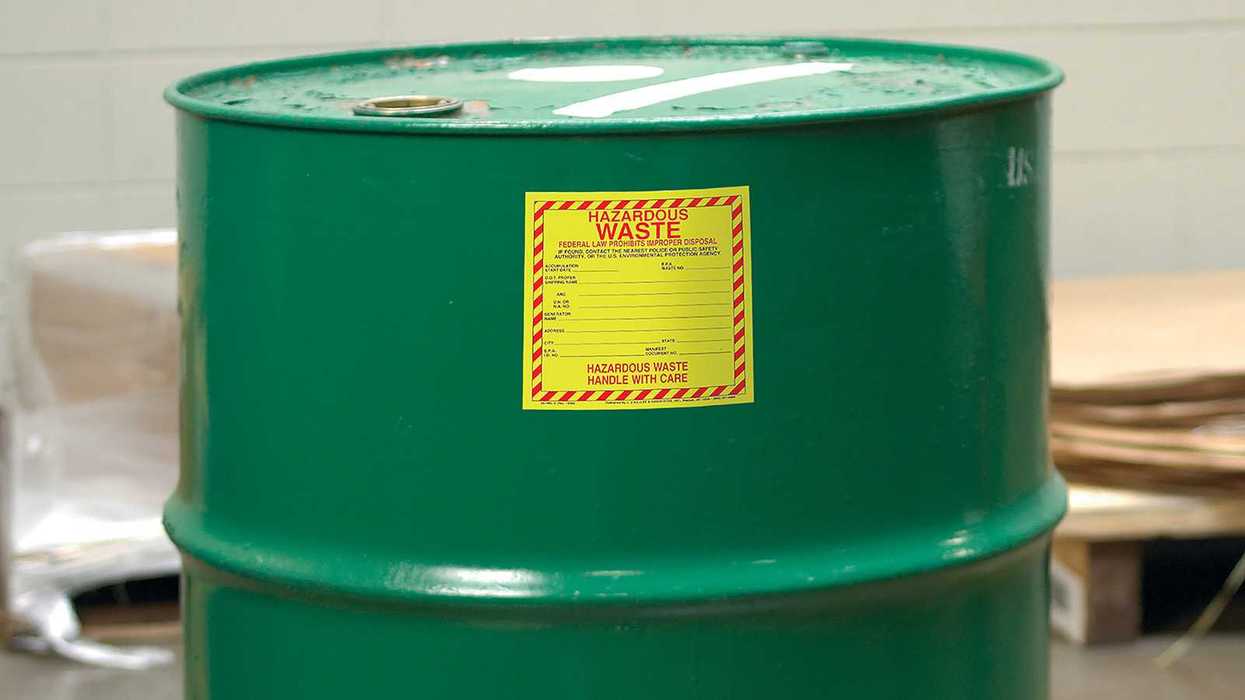
NewsHazardous WasteIndustry NewsSafety & HealthGeneral Industry SafetyWasteIn-Depth ArticleEnglishFocus AreaUSA
2026-08-19T05:00:00Z
The drum no one dated
Somewhere in your facility, there's probably a drum of hazardous waste with a date written on its label. That date is doing more legal work than you realize. Under the Resource Conservation and Recovery Act (RCRA), that date is more like a countdown. When it runs out, your storage area doesn't just become "out of compliance" but transforms into something else entirely: an unpermitted hazardous waste treatment, storage, and disposal facility (TSDF). This designation carries its own permitting requirements, inspection standards, and penalty exposure.
The clock
Under federal regulation, the 90-day accumulation clock for a large quantity generator (LQG) starts the moment the first drop of hazardous waste enters a container in a Central Accumulation Area — not when the container is full, not when it's staged for pickup, and not when someone gets around to labeling it. LQGs have 90 days to ship waste off-site; small quantity generators (SQGs) get 180 days or 270 days if the disposal facility is more than 200 miles away. If that date is missed, your storage area becomes an unpermitted TSDF, with penalties reaching into the tens of thousands of dollars per day.
In one recent case, inspectors from the Environmental Protection Agency (EPA) reviewing a facility’s weekly inspection logs found containers that had exceeded the accumulation exemption period without the required extension. The violation was sitting in the facility's own paperwork. In another, a single container was found marked with an accumulation date indicating it had been stored 232 days, well past the time limit with no permit, interim status, or approved extension in place. Both cases were resolved through EPA expedited settlement agreements, but both started the same way: a documented date overdue, then discovered during a routine inspection rather than caught internally.
Why "episodic" automatically means excused
Sometimes employers can assume that an unusual event such as a tank cleanout or spill response buys them some flexibility on the time limits. It can, but only if you follow a specific and narrow procedure. Under the Hazardous Waste Generator Improvements Rule, a facility can ship waste from an episodic event off-site without triggering a change to its normal generator category, but only if the generator notifies EPA or the state at least 30 days before a planned event, or within 72 hours after an unplanned one, and concludes the episodic event within 60 days, including transporting the waste off-site.
An SQG is limited to one episodic event per calendar year, though a second event may be approved if a petition is granted. If the hazardous waste from the event isn't off-site within that 60-day window, it gets counted toward the generator's regular monthly generation levels, which can bump a facility into a more heavily regulated generator category it never intended to occupy. In other words, episodic status is a documented exception you apply for, not a category you default into because the circumstances felt unusual. Treating it as the latter is exactly how a facility ends up discovering, mid-inspection, that its "one-time" waste has been sitting well past both the episodic window and the standard accumulation limit.
The cost of losing track
Civil penalties under RCRA Subtitle C now reach $93,058 per day per violation, and separate analysis puts the current statutory ceiling for the most common RCRA civil penalties at $124,426 per day per violation. A drum without a date, a missed weekly inspection entry, an expired training record, or an untracked manifest can each become a standalone liability, but exceeding accumulation time limits remains the single most costly and most preventable category that EPA inspectors encounter.
What this means for your program
The accumulation clock is unforgiving specifically because it's invisible until someone checks. EPA requires weekly inspections of Central Accumulation Areas, and a walk-through without a corresponding documented log is difficult to defend later, even if the walk-through actually happened. The practical fix is really easy. Just make sure to:
- Date every container the moment waste first enters it;
- Track that date against your generator category's specific limit;
- Document weekly inspections in writing; and
- Treat any episodic event as a formal notification process, not an informal grace period.
The waste itself rarely causes the violation. The forgotten date on the drum does.
Keys to remember: Most RCRA violations aren't caused by the waste itself but by failing to date, track, inspect, and ship waste before accumulation time limits expire.

NewsIndustry NewsIndustry NewsSafety & HealthMiningSpecialized IndustriesEnglishMine SafetyFocus AreaUSA
2025-03-20T05:00:00Z
Fatal highwall incident prompts MSHA safety alert
A fatal highwall incident at a surface mine prompted the Mine Safety and Health Administration (MSHA) to issue a safety alert to prevent similar incidents.
On January 29, a piece of rock fell from a highwall and struck the cab of a drill being operated by a miner, resulting in fatal injuries. Before beginning work, mine workers should look for hazards, such as loose rocks and overhangs. Miners should also:
- Scale highwalls from a safe location to eliminate hazards.
- Conduct highwall inspections prior to working or traveling near the highwall and more frequently as ground conditions warrant, especially after periods of rain, freezing, and thawing.
- Examine highwalls from multiple viewpoints and look for signs of cracking and other geologic features that could lead to instability.
- Use auxiliary lighting during low light conditions to conduct highwall examinations and illuminate active work areas.
- Work, travel, and operate equipment at safe distances from highwalls.
The full alert can be found at msha.gov.

NewsIndustry NewsEnforcement and Audits - OSHAOSHA InspectionsSafety & HealthConstruction SafetyGeneral Industry SafetyIn-Depth ArticleOSHA Violations and PenaltiesEnglishFocus AreaUSA
2026-08-12T05:00:00Z
The word that can cost you $100,000
Two workers died on the job in separate incidents earlier this year. One employer walked away with a citation totaling roughly $60,000. The other faced more than $276,000 for a non-fatal injury. The difference had almost nothing to do with how badly anyone was hurt, but a single word OSHA chose to attach to the citation. Most employers think about OSHA penalties in terms of dollars. OSHA thinks about them in terms de minimis, other-than-serious, serious, willful, and repeat. Those terms determine the fine far more than the outcome does.
A death classified as "Serious"
Last July, a worker entered a fuel storage tank at a petroleum services worksite and was fatally exposed to benzene and toluene. Federal investigators found the company had:
- Failed to develop and implement a written permit-required confined space entry program.
- Failed to ensure workers understood the hazards and symptoms of exposure.
- Allowed entry without atmospheric evaluation or a permit.
- No written respiratory protection program.
- No hazard communication program covering the chemical exposure.
A worker died, but OSHA classified all twelve violations as "serious," proposing $60,242 in penalties. Not willful. Not repeat. Serious, which is the middle tier of OSHA's classification system. It’s reserved for violations where there was a substantial probability of death or serious harm and the employer knew or reasonably should have known about the hazard.
An injury classified as "Willful"
Compare that to a grain-handling company investigated the same season. A seasonal laborer suffered a serious but non-fatal foot injury after stepping through an unguarded sump hole onto a moving paddle-style unloading conveyor. Nobody died, but OSHA's response was significantly harsher with two willful violations, one serious violation, and three other-than-serious citations for:
- Failing to lock out and tag out machinery.
- Failing to protect workers from the sump hole hazard.
- Failing to provide grain-handling training.
The penalty totaled $276,407 in fines, more than four times the penalty for the fatal chemical exposure case.
Why does the gap exist
This is the part employers most often misunderstand. OSHA's classification system is not primarily a measure of how bad the outcome was. It's a measure of what the employer knew and chose to do about it. The five-tier system runs, roughly:
- De minimis — a technical violation with no direct relationship to safety, typically resulting in no penalty.
- Other-than-serious — a violation related to safety and health that probably wouldn't cause death or serious harm.
- Serious — a violation carrying substantial probability of death or serious physical harm, where the employer knew or should have known about the hazard but did not necessarily act with intent.
- Willful — a violation the employer committed intentionally and knowingly, or with plain indifference to the law. A classic example is knowingly exposing workers to hazardous chemicals without PPE after having already been warned.
- Repeat — a violation substantially similar to one the employer was already cited for within the past five years.
As tragic as the petroleum tank case was, it appears to reflect program failures OSHA could not establish as knowing or willful based on the evidence developed. The company lacked required programs, but investigators did not classify the violations as intentional disregard. The grain-handling case crossed that line because the specific failures such as bypassing lockout/tagout or leaving a known hazard unguarded read to investigators as choices rather than gaps.
What it could mean for your program
Severity of outcome and severity of classification are not the same axis. A near-miss with no injury at all can become a willful citation if an inspector believes you knew about the hazard and didn't act. A fatality can remain "serious" if the failures look more like systemic gaps than deliberate choices.
That means the conversation your safety team has after every incident should not just be "how bad was it?" It should be "what does our documented knowledge of this hazard look like and does our corrective action history support 'we didn't know' or contradict it?" Because once an inspector can show the second, the classification attached to your citation and the penalty attached changes dramatically.
Keys to remember: OSHA penalties are influenced not only by the severity of an incident, but also by what the employer knew about the hazard and the steps taken, or not taken, to correct it.

NewsEmergency Planning - OSHAIndustry NewsSafety & HealthElectrical SafetyGeneral Industry SafetyEmergency ExitsFire Protection and PreventionIn-Depth ArticleFire ExtinguishersEnglishClearance DistancesFocus AreaUSA
2022-07-08T05:00:00Z
Locked/blocked exits prompt $580K in OSHA penalties
A national retailer, with what OSHA calls a long history of violations, was slapped with four willful citations after local fire officials sent a referral to the agency regarding a Wisconsin store. Once inside the store last December and January, OSHA inspectors found a:
- Locked exit — Emergency exit doors to the back receiving room were padlocked with a bike lock and a board placed through the handles. Employees were not able to open an exit route door from the inside at all times without keys, tools, or special knowledge. This violated 29 CFR 1910.36(d)(1). The violation was considered willful and serious because the retailer had previously been cited for the same violation three times elsewhere in the U.S. Now the store received the maximum penalty of $145,027.
- Blocked exit — Merchandise and carts blocked the exit in the receiving room, according to OSHA. The exit route was not kept free and unobstructed, and violated 1910.37(a)(3). This violation too was considered willful and serious because the retailer had been cited previously for the same violation 12 times in the U.S. This time the penalty was the maximum $145,027.
- Blocked extinguisher — A portable fire extinguisher in the back receiving room was obstructed with carts/containers. The extinguishers were not readily accessible per 1910.157(c)(1). OSHA found that the retailer previously violated this regulation twice in the U.S., so the violation was considered willful and serious and picked up another maximum $145,027 penalty.
- Blocked electrical panel — Adequate space around electrical panels was not provided says OSHA. Inspectors found that the employer obstructed the access and working space about electrical panels with carts/containers, in violation of 1910.303(g)(1). The citation explains that the retailer violated that regulation eight previous times in the U.S., and the violation was willful and serious, but OSHA did not propose a penalty amount.
While store managers explained that the doors needed repair to close properly, OSHA determined the doors were in disrepair for three months. The store has settled the case for $435,081 in penalties.
However, in January, a similar inspection was conducted at another one of the retailer’s stores in Ohio. That location was cited for barrel locks on the inside of a double-door emergency exit in the back room in violation of 1910.36(d)(1) . The Ohio store was cited for one willful violation and settled the case with $145,027 in penalties.
It is noteworthy that officials for the company had signed settlement agreements with OSHA in 2017, promising to resolve similar violations at its stores nationwide. However, OSHA officials say, based on the latest violations, the retailer continues to gamble with workers’ lives and must stop before tragedy strikes.

NewsIndustry NewsEnforcement and Audits - OSHAEnforcement and Audits - OSHASafety & HealthConstruction SafetyGeneral Industry SafetyIn-Depth ArticleEnglishFocus AreaUSA
2023-06-06T05:00:00Z
Employer lawsuit claims OSHA has too much authority
An employer got a day in court for challenging OSHA’s authority to create safety regulations. The employer (plaintiff) argued that Congress unconstitutionally delegated OSHA too much discretion to create safety standards.
When Congress passed the OSH Act of 1970, it granted OSHA the authority to create regulations “reasonably necessary or appropriate to provide safe or healthful employment and places of employment.”
The plaintiff argues that since Congress did not define “reasonably necessary or appropriate,” OSHA decides for itself whether a safety standard is necessary or appropriate. The plaintiff argued that, in effect, OSHA has no limits on its rulemaking authority. The plaintiff requested a permanent injunction to prevent OSHA from enforcing its standards.
The case Allstates Refractory Contractors, LLC v. Walsh questions the extent to which Congress can delegate legislative responsibility to federal agencies. The case started in a district court, which ruled in OSHA’s favor in September 2022. The plaintiff appealed to the Sixth Circuit Court of Appeals, where three justices heard oral arguments on April 27, 2023. The three justices include two appointed by President George W. Bush and one appointed by President Donald Trump. That ruling had not yet been issued at publishing time, but the judges appeared skeptical about the validity of the plaintiff’s case.
OSHA’s defending arguments
The government’s attorneys argued that OSHA does have limits. The agency must determine “that significant risks are present and can be eliminated or lessened by a change in practices” before creating a safety standard. In addition, those standards must be economically and technologically feasible.
The government also noted that courts have imposed limits, such as the United States Supreme Court overturning the Biden administration’s COVID-19 Emergency Temporary Standard (ETS). In that case, the Supreme Court held that the so-called “test or vaccinate” rule was beyond OSHA’s jurisdiction.
Of course, OSHA presumably created the COVID ETS on the belief that it was necessary, appropriate, and within the agency’s jurisdiction. In fact, OSHA defended the ETS before the Supreme Court. This potentially raises the question of whether employers must go to court (incurring substantial legal fees) to argue that an OSHA standard was beyond the agency’s scope.
Regarding the constitutional issue, some organizations filed briefs to support the government’s position. One brief claimed that the Constitution does not limit Congress from delegating its legislative authority. Another claimed that OSHA does have limits, so the delegation is acceptable.
Potential outcomes
The plaintiff is challenging only OSHA’s authority to create safety standards, not health standards, because a previous Supreme Court ruling held that OSHA does have appropriately limited authority to create health standards. Since that ruling, however, changes in the Supreme Court have created a shift in perception regarding the non-delegation concept.
Whatever the outcome, the Sixth Circuit’s ruling will likely be appealed to the Supreme Court. The Supreme Court could decline to hear the case, effectively affirming the Sixth Circuit ruling. Or, the high court could accept the case and schedule arguments; if that happens, the Supreme Court’s ruling would likely be a few years away. A permanent injunction seems unlikely, so outcomes could range from upholding OSHA’s current status to a modest reduction or clarification of OSHA’s authority.
Key to remember: Although this lawsuit has enormous potential impact, the Supreme Court would have to accept the case and agree with the plaintiff. A less dramatic outcome seems more likely.

NewsIndustry NewsIndustry NewsSafety & HealthGeneral Industry SafetyLabor Law PostersLabor Law PostersEnglishFocus AreaUSA
2026-03-04T06:00:00Z
OSHA releases updated “Job Safety and Health Workplace Poster”
OSHA recently released an updated Job Safety and Health Poster, which informs workers of their rights under the Occupational Safety and Health (OSH) Act of 1970. The revised poster is part of the agency’s “OSHA Cares” initiative. Employers can use either the revised version or the older one, but the poster must be displayed in a conspicuous place where workers can easily see it.
Under the OSH Act, employers must provide employees with a safe and healthful work environment. Employees also have a right to:
- Speak up about safety and health concerns without retaliation;
- Report an injury or illness;
- Have training in a manner they understand;
- Be provided with required safety equipment;
- Request an OSHA inspection and speak with the inspector;
- File a complaint with OSHA about workplace hazards; and
- Ask for free safety and compliance assistance from OSHA at any time.
Saved to my EVENT CALENDAR!
View your saved links by clicking the arrow next to your profile picture located in the header. Then, click “My Activity” to view the Event Calendar on your Activity page.
OK
J. J. Keller is the trusted source for DOT / Transportation, OSHA / Workplace Safety, Human Resources, Construction Safety and Hazmat / Hazardous Materials regulation compliance products and services. J. J. Keller helps you increase safety awareness, reduce risk, follow best practices, improve safety training, and stay current with changing regulations.
Copyright 2026 J. J. Keller & Associate, Inc. For re-use options please contact copyright@jjkeller.com or call 800-558-5011.