Compliance Just Got Easier: Stay ahead of regulatory changes with instant notifications on updates that matter.
['Lockout/Tagout']
['Lockout/Tagout']
10/16/2026

Copyright 2026 J. J. Keller & Associate, Inc. For re-use options please contact copyright@jjkeller.com or call 800-558-5011.
:
|
InstituteOverview (Level 1)Safety & HealthLockout/TagoutGeneral Industry SafetyLockout/TagoutEnglishAnalysisFocus AreaUSA
Lockout and tagout
['Lockout/Tagout']
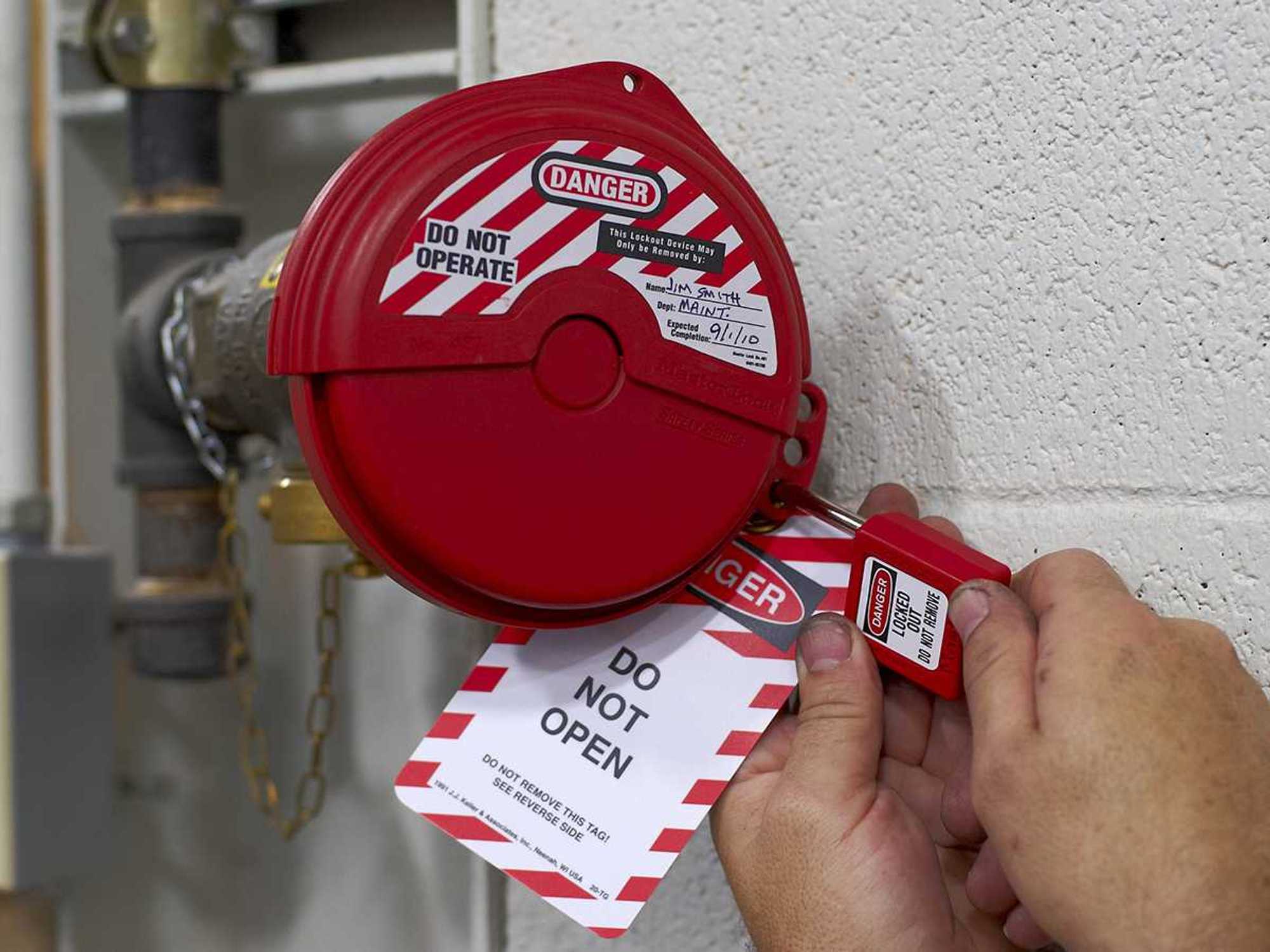
Preventing injuries caused by the unexpected release of hazardous energy during servicing and maintenance activities is the goal of OSHA's standard for "The control of hazardous energy (lockout/tagout)," 29 CFR 1910.147. This standard outlines the procedures employees must use to prevent the unexpected release of hazardous energy from machines and equipment during servicing and maintenance.
The lockout/tagout standard requires each employer to establish a program for affixing lockout or tagout devices to energy-isolating devices on machines and equipment to prevent their unexpected energization, startup, or release of stored energy. This program must include documented energy-control procedures that are specifically tailored to machinery and equipment in the workplace and developed before any servicing or maintenance begins.
The principles and requirements for lockout/tagout apply to employers in all general industry workplaces where employees perform servicing or maintenance on machines or equipment that could expose them to the unexpected release of hazardous energy. All employers must understand the importance of compliance with this standard.
The standard doesn’t apply in certain situations such as transmission and distribution hot tap operations, unplugged equipment under the exclusive control of an authorized worker, when continuity of service is essential, where shutdown is impractical, and when following documented procedures and using special equipment that will provide proven effective protection for employees.
Full information about energy-control provisions may be found in the following OSHA standards:
:
lockout-tagout
lockout-tagout
FOUNDATIONAL LEARNING
InstituteAnalysisSafety & HealthLockout/Tagout Affected WorkersLockout/Tagout Authorized WorkersLockout/TagoutGeneral Industry SafetyLockout/TagoutLockout/Tagout Written ProgramEnglishLockout/Tagout Periodic EvaluationFocus AreaCompliance and Exceptions (Level 2)USA
What are the requirements of the lockout/tagout standard? (General industry)
InstituteAnalysisSafety & HealthLockout/Tagout Affected WorkersLockout/Tagout Authorized WorkersLockout/TagoutGeneral Industry SafetyLockout/TagoutLockout/Tagout Written ProgramUSAEnglishLockout/Tagout Periodic EvaluationFocus AreaIn Depth (Level 3)
What are the requirements for periodic inspections?
InstituteAnalysisLockout/Tagout Authorized WorkersLockout/Tagout Affected WorkersLockout/TagoutLockout/TagoutLockout/Tagout Written ProgramEnglishLockout/Tagout Periodic EvaluationFocus AreaCompliance and Exceptions (Level 2)USA
What are the requirements of the lockout/tagout standard? (Construction)
Lockout and tagout
InstituteOverview (Level 1)Safety & HealthLockout/TagoutGeneral Industry SafetyLockout/TagoutEnglishAnalysisFocus AreaUSA
['Lockout/Tagout']
Preventing injuries caused by the unexpected release of hazardous energy during servicing and maintenance activities is the goal of OSHA's standard for "The control of hazardous energy (lockout/tagout)," 29 CFR 1910.147. This standard outlines the procedures employees must use to prevent the unexpected release of hazardous energy from machines and equipment during servicing and maintenance.
The lockout/tagout standard requires each employer to establish a program for affixing lockout or tagout devices to energy-isolating devices on machines and equipment to prevent their unexpected energization, startup, or release of stored energy. This program must include documented energy-control procedures that are specifically tailored to machinery and equipment in the workplace and developed before any servicing or maintenance begins.
The principles and requirements for lockout/tagout apply to employers in all general industry workplaces where employees perform servicing or maintenance on machines or equipment that could expose them to the unexpected release of hazardous energy. All employers must understand the importance of compliance with this standard.
The standard doesn’t apply in certain situations such as transmission and distribution hot tap operations, unplugged equipment under the exclusive control of an authorized worker, when continuity of service is essential, where shutdown is impractical, and when following documented procedures and using special equipment that will provide proven effective protection for employees.
Full information about energy-control provisions may be found in the following OSHA standards:
2656951147
UPGRADE TO CONTINUE READING
RELATED TOPICS
J. J. Keller is the trusted source for DOT / Transportation, OSHA / Workplace Safety, Human Resources, Construction Safety and Hazmat / Hazardous Materials regulation compliance products and services. J. J. Keller helps you increase safety awareness, reduce risk, follow best practices, improve safety training, and stay current with changing regulations.
Copyright 2026 J. J. Keller & Associate, Inc. For re-use options please contact copyright@jjkeller.com or call 800-558-5011.