Compliance Just Got Easier: Stay ahead of regulatory changes with instant notifications on updates that matter.
['Lockout/Tagout']
['Lockout/Tagout Written Program', 'Lockout/Tagout', 'Lockout/Tagout Affected Workers', 'Lockout/Tagout Authorized Workers']
11/02/2026

Copyright 2026 J. J. Keller & Associate, Inc. For re-use options please contact copyright@jjkeller.com or call 800-558-5011.
:
|
InstituteSafety & HealthLockout/Tagout Affected WorkersLockout/Tagout Authorized WorkersLockout/TagoutGeneral Industry SafetyLockout/Tagout Written ProgramUSAEnglishAnalysisFocus AreaIn Depth (Level 3)
What are required steps of an energy-control procedure?
['Lockout/Tagout']
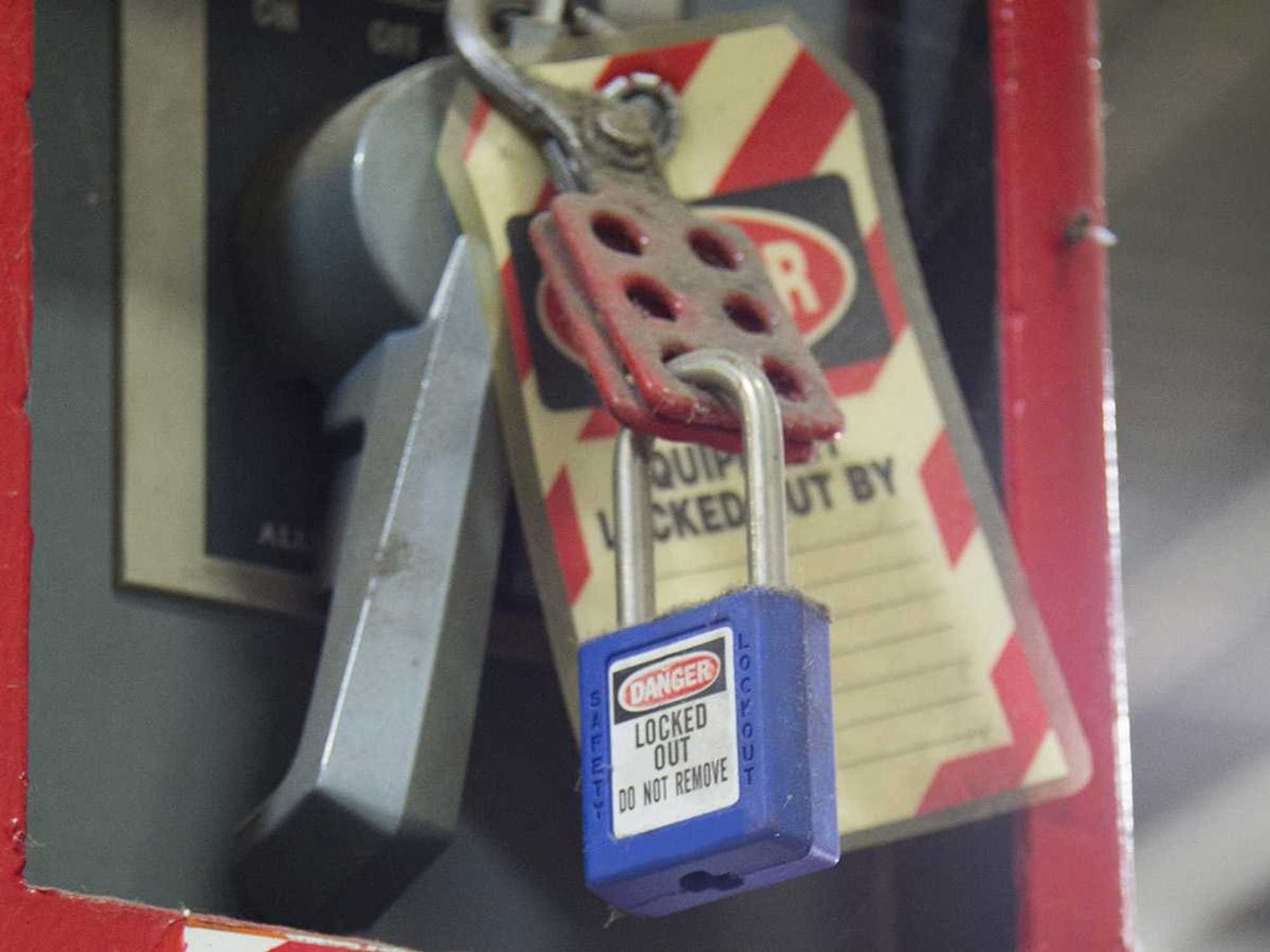
Energy-control procedures guide employees through the necessary steps for safely controlling hazardous energy on machines specific and equipment. Each energy-control procedure must detail, in the proper order, the six procedural steps for applying lockout/tagout to a given machine or piece of equipment before servicing or maintenance begins and the five procedural steps for releasing that machine from lockout/tagout after servicing or maintenance is complete. The six steps for applying lockout/tagout are:
- Preparation for shutdown,
- Shutdown,
- Energy isolation,
- Application of lockout/tagout devices,
- Release of stored energy, and
- Verification of isolation.
Verification of isolation is critical and can never be overemphasized in training.
An energy-control procedure must also detail the steps for releasing a machine or piece of equipment from lockout/tagout once servicing and maintenance have been completed. The five steps for releasing machinery and equipment are:
- Inspection of system components,
- Checking for safe positioning,
- Removal of lockout/tagout devices,
- Notification of removal, and
- Safe re-energization.
Authorized employees
Importantly, the only employees who may perform energy-control procedures on machines and equipment are the employees who service and maintain them. It is essential that those employees who are exposed to hazardous energy during servicing and maintenance activities are the ones responsible for taking the procedural steps that protect against energization hazards.
Documenting LOTO events
The standard does not include any requirement to fill out or keep a log or other record of lockout/tagout events. If the employer keeps service or maintenance logs as a “best practice,” it would be up to that employer to establish whatever procedures and record retention times that best fit the need of the company.
:
lockout-tagout
FOUNDATIONAL LEARNING
InstituteAnalysisSafety & HealthLockout/Tagout Affected WorkersLockout/Tagout Authorized WorkersLockout/TagoutGeneral Industry SafetyLockout/Tagout Written ProgramEnglishLockout/Tagout Periodic EvaluationFocus AreaCompliance and Exceptions (Level 2)USA
What are the requirements of the lockout/tagout standard? (General industry)
What are required steps of an energy-control procedure?
InstituteSafety & HealthLockout/Tagout Affected WorkersLockout/Tagout Authorized WorkersLockout/TagoutGeneral Industry SafetyLockout/Tagout Written ProgramUSAEnglishAnalysisFocus AreaIn Depth (Level 3)
['Lockout/Tagout']
Energy-control procedures guide employees through the necessary steps for safely controlling hazardous energy on machines specific and equipment. Each energy-control procedure must detail, in the proper order, the six procedural steps for applying lockout/tagout to a given machine or piece of equipment before servicing or maintenance begins and the five procedural steps for releasing that machine from lockout/tagout after servicing or maintenance is complete. The six steps for applying lockout/tagout are:
- Preparation for shutdown,
- Shutdown,
- Energy isolation,
- Application of lockout/tagout devices,
- Release of stored energy, and
- Verification of isolation.
Verification of isolation is critical and can never be overemphasized in training.
An energy-control procedure must also detail the steps for releasing a machine or piece of equipment from lockout/tagout once servicing and maintenance have been completed. The five steps for releasing machinery and equipment are:
- Inspection of system components,
- Checking for safe positioning,
- Removal of lockout/tagout devices,
- Notification of removal, and
- Safe re-energization.
Authorized employees
Importantly, the only employees who may perform energy-control procedures on machines and equipment are the employees who service and maintain them. It is essential that those employees who are exposed to hazardous energy during servicing and maintenance activities are the ones responsible for taking the procedural steps that protect against energization hazards.
Documenting LOTO events
The standard does not include any requirement to fill out or keep a log or other record of lockout/tagout events. If the employer keeps service or maintenance logs as a “best practice,” it would be up to that employer to establish whatever procedures and record retention times that best fit the need of the company.
2656951060
2657010658
UPGRADE TO CONTINUE READING
RELATED TOPICS
J. J. Keller is the trusted source for DOT / Transportation, OSHA / Workplace Safety, Human Resources, Construction Safety and Hazmat / Hazardous Materials regulation compliance products and services. J. J. Keller helps you increase safety awareness, reduce risk, follow best practices, improve safety training, and stay current with changing regulations.
Copyright 2026 J. J. Keller & Associate, Inc. For re-use options please contact copyright@jjkeller.com or call 800-558-5011.