Compliance Just Got Easier: Stay ahead of regulatory changes with instant notifications on updates that matter.
['Lockout/Tagout']
['Lockout/Tagout', 'Lockout/Tagout Affected Workers', 'Lockout/Tagout Authorized Workers']
04/25/2025

Copyright 2026 J. J. Keller & Associate, Inc. For re-use options please contact copyright@jjkeller.com or call 800-558-5011.
:
|
InstituteLockout/TagoutLockout/Tagout Authorized WorkersSafety & HealthLockout/TagoutGeneral Industry SafetyLockout/Tagout Affected WorkersIn Depth (Level 3)EnglishAnalysisFocus AreaUSA
Working on energized equipment
['Lockout/Tagout']
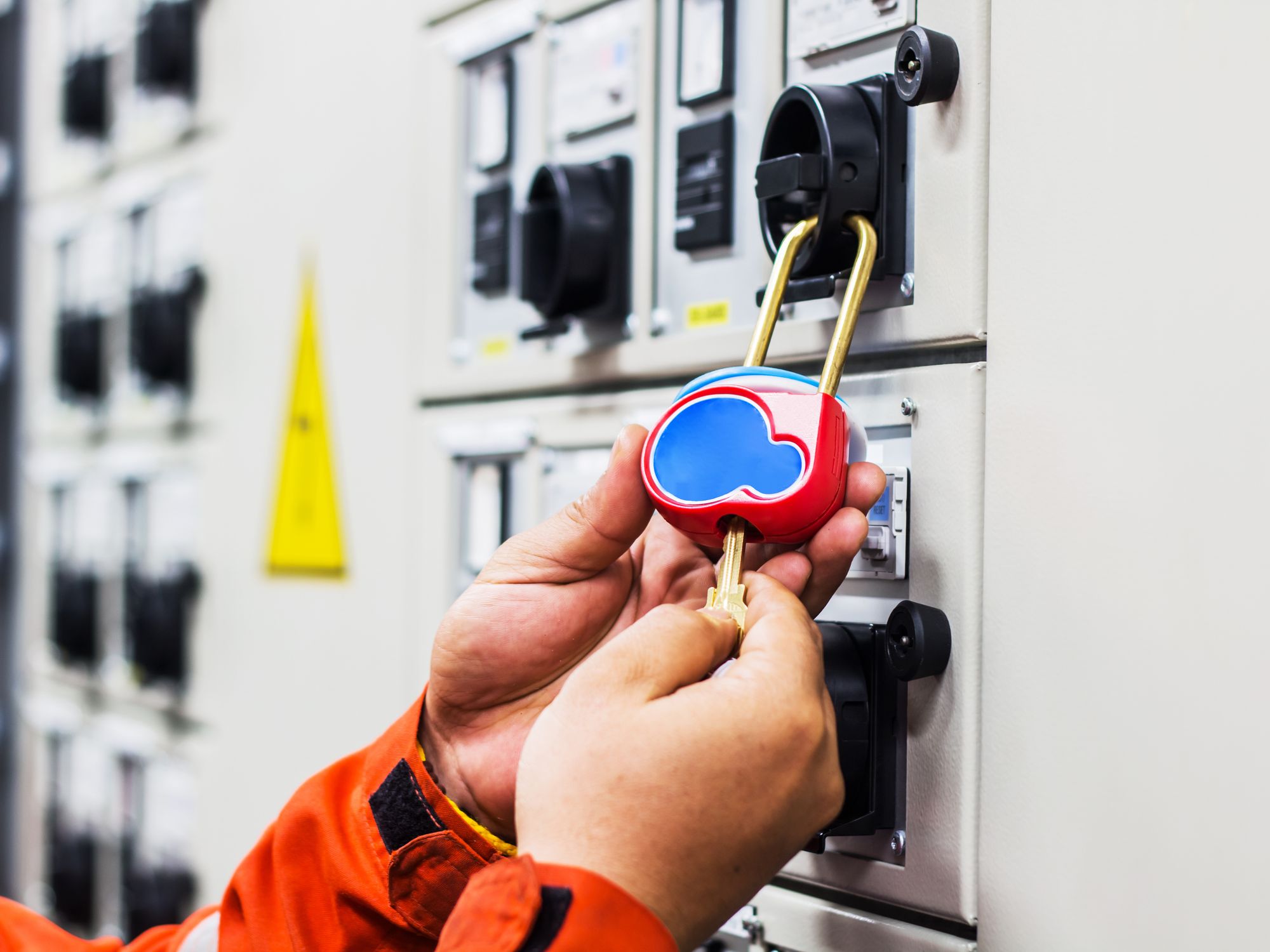
It may be necessary to energize equipment to perform tests or reposition parts during servicing. The procedures for the testing or positioning of machines, equipment, or components in situations where lockout/tagout devices must be temporarily removed must follow this specific sequence:
- Clear the machine of tools and materials and remove all employees in the danger area.
- Have the authorized employee remove the lockout/tagout devices.
- Energize the equipment for the test.
- Test the equipment.
- De-energize the equipment after testing and reapply the lockout/tagout devices.
OSHA allows the temporary removal of lockout or tagout devices and the re-energization of the machine or equipment ONLY during the limited time necessary for the testing or positioning of machines, equipment, or components. Note that OSHA does not specifically require the reinstallation of machine guards during these procedures, but it is very important for employees to be safely positioned while the machine or equipment is energized. After the completion of the temporary re-energization, the authorized employees shall again de-energize the equipment and resume lockout/tagout procedures.
:
lockouttagout
lockouttagout
FOUNDATIONAL LEARNING
InstituteLockout/TagoutLockout/Tagout Authorized WorkersSafety & HealthLockout/TagoutGeneral Industry SafetyLockout/Tagout Written ProgramLockout/Tagout Affected WorkersLockout/Tagout Periodic EvaluationEnglishAnalysisFocus AreaCompliance and Exceptions (Level 2)USA
What are the requirements of the lockout/tagout standard? (General industry)
InstituteLockout/TagoutLockout/Tagout Authorized WorkersSafety & HealthLockout/TagoutGeneral Industry SafetyLockout/Tagout Written ProgramLockout/Tagout Affected WorkersLockout/Tagout Periodic EvaluationIn Depth (Level 3)EnglishAnalysisFocus AreaUSA
What are the requirements for periodic inspections?
InstituteLockout/TagoutAnalysisLockout/TagoutLockout/Tagout Written ProgramLockout/Tagout Periodic EvaluationLockout/Tagout Affected WorkersEnglishLockout/Tagout Authorized WorkersFocus AreaCompliance and Exceptions (Level 2)USA
What are the requirements of the lockout/tagout standard? (Construction)
Working on energized equipment
InstituteLockout/TagoutLockout/Tagout Authorized WorkersSafety & HealthLockout/TagoutGeneral Industry SafetyLockout/Tagout Affected WorkersIn Depth (Level 3)EnglishAnalysisFocus AreaUSA
['Lockout/Tagout']
It may be necessary to energize equipment to perform tests or reposition parts during servicing. The procedures for the testing or positioning of machines, equipment, or components in situations where lockout/tagout devices must be temporarily removed must follow this specific sequence:
- Clear the machine of tools and materials and remove all employees in the danger area.
- Have the authorized employee remove the lockout/tagout devices.
- Energize the equipment for the test.
- Test the equipment.
- De-energize the equipment after testing and reapply the lockout/tagout devices.
OSHA allows the temporary removal of lockout or tagout devices and the re-energization of the machine or equipment ONLY during the limited time necessary for the testing or positioning of machines, equipment, or components. Note that OSHA does not specifically require the reinstallation of machine guards during these procedures, but it is very important for employees to be safely positioned while the machine or equipment is energized. After the completion of the temporary re-energization, the authorized employees shall again de-energize the equipment and resume lockout/tagout procedures.
2657010591
2657011027
UPGRADE TO CONTINUE READING
RELATED TOPICS
J. J. Keller is the trusted source for DOT / Transportation, OSHA / Workplace Safety, Human Resources, Construction Safety and Hazmat / Hazardous Materials regulation compliance products and services. J. J. Keller helps you increase safety awareness, reduce risk, follow best practices, improve safety training, and stay current with changing regulations.
Copyright 2026 J. J. Keller & Associate, Inc. For re-use options please contact copyright@jjkeller.com or call 800-558-5011.