Compliance Just Got Easier: Stay ahead of regulatory changes with instant notifications on updates that matter.
['Forklifts and Powered Trucks']
['PIT Training Requirements', 'Forklifts and Powered Trucks', 'Safe Operation of PITs']
06/16/2026

Copyright 2026 J. J. Keller & Associate, Inc. For re-use options please contact copyright@jjkeller.com or call 800-558-5011.
:
|
InstituteSafety & HealthForklifts and Powered TrucksGeneral Industry SafetyForklifts and Powered TrucksPIT Training RequirementsUSAEnglishSafe Operation of PITsAnalysisFocus AreaIn Depth (Level 3)
Workplace-specific
['Forklifts and Powered Trucks']
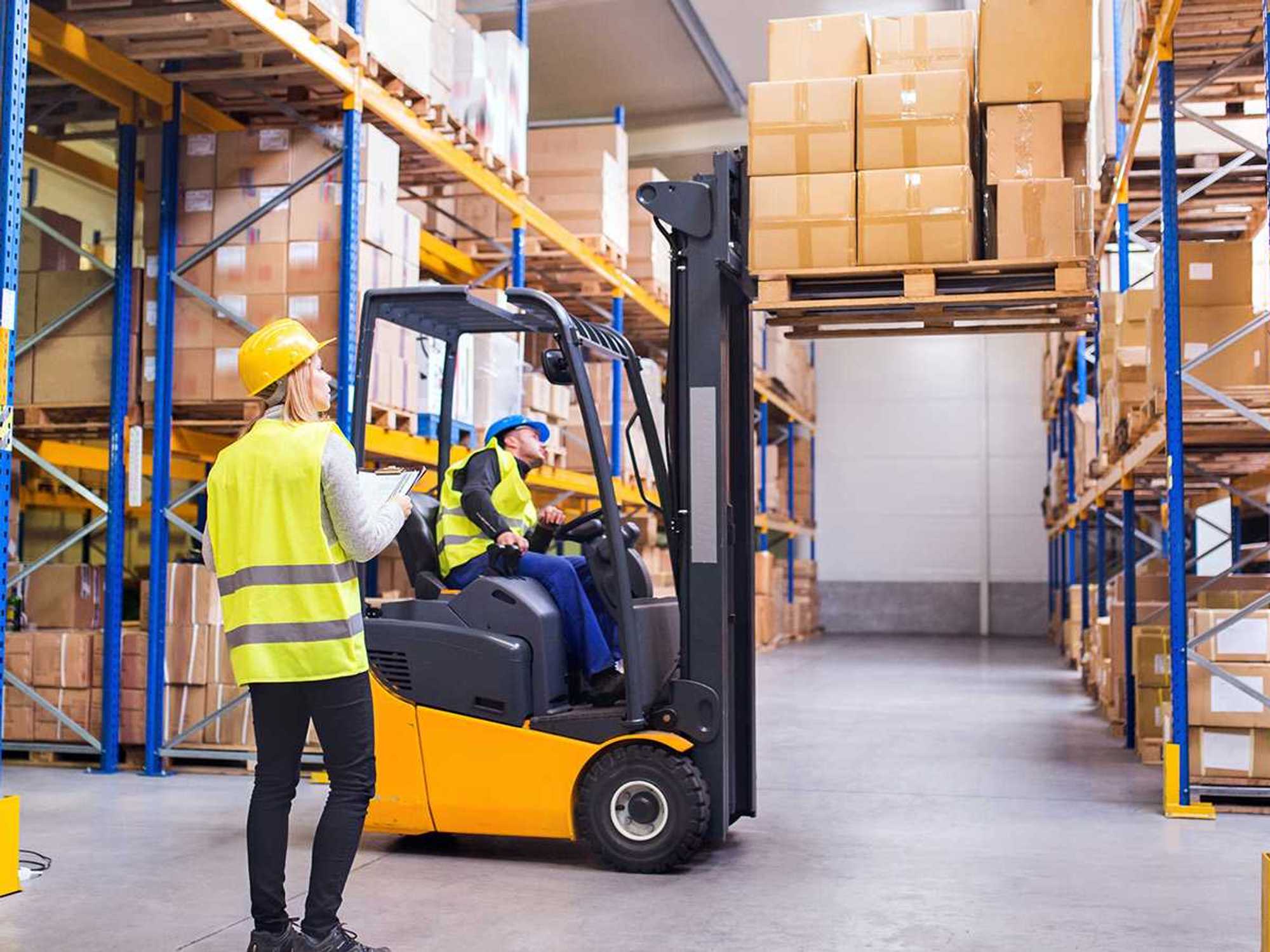
- The Occupational Safety and Health Administration (OSHA) regulations require workplace-specific Powered Industrial Truck (PIT) training.
- Surface conditions where the vehicle will be operated;
- Ramps and other sloped surfaces that could affect the vehicle’s stability;
- Composition of loads to be carried and load stability;
- Load manipulation, stacking, and unstacking;
- Pedestrian traffic in areas where the vehicle will be operated;
- Narrow aisles and other restricted areas where the vehicle will be operated;
- Hazardous (classified) locations where the vehicle will be operated;
- Closed environments and other areas where insufficient ventilation or poor vehicle maintenance could cause a buildup of carbon monoxide or diesel exhaust; and
- Other unique or potentially hazardous environmental conditions in the workplace that could affect safe operation.
Evaluation
Evaluation of each PIT operator’s performance is required at least once every three years.
Certification
OSHA has no requirement that a forklift operator have a valid driver’s license but does require that every forklift operator be trained and certified to operate the PIT in the workplace. The employer must have a record documenting that the driver has successfully completed the training.
:
forklifts-and-powered-trucks
forklifts-and-powered-trucks
FOUNDATIONAL LEARNING
Workplace-specific
InstituteSafety & HealthForklifts and Powered TrucksGeneral Industry SafetyForklifts and Powered TrucksPIT Training RequirementsUSAEnglishSafe Operation of PITsAnalysisFocus AreaIn Depth (Level 3)
['Forklifts and Powered Trucks']
- The Occupational Safety and Health Administration (OSHA) regulations require workplace-specific Powered Industrial Truck (PIT) training.
- Surface conditions where the vehicle will be operated;
- Ramps and other sloped surfaces that could affect the vehicle’s stability;
- Composition of loads to be carried and load stability;
- Load manipulation, stacking, and unstacking;
- Pedestrian traffic in areas where the vehicle will be operated;
- Narrow aisles and other restricted areas where the vehicle will be operated;
- Hazardous (classified) locations where the vehicle will be operated;
- Closed environments and other areas where insufficient ventilation or poor vehicle maintenance could cause a buildup of carbon monoxide or diesel exhaust; and
- Other unique or potentially hazardous environmental conditions in the workplace that could affect safe operation.
Evaluation
Evaluation of each PIT operator’s performance is required at least once every three years.
Certification
OSHA has no requirement that a forklift operator have a valid driver’s license but does require that every forklift operator be trained and certified to operate the PIT in the workplace. The employer must have a record documenting that the driver has successfully completed the training.
2656868273
2656866827
UPGRADE TO CONTINUE READING
RELATED TOPICS
J. J. Keller is the trusted source for DOT / Transportation, OSHA / Workplace Safety, Human Resources, Construction Safety and Hazmat / Hazardous Materials regulation compliance products and services. J. J. Keller helps you increase safety awareness, reduce risk, follow best practices, improve safety training, and stay current with changing regulations.
Copyright 2026 J. J. Keller & Associate, Inc. For re-use options please contact copyright@jjkeller.com or call 800-558-5011.