Compliance Just Got Easier: Stay ahead of regulatory changes with instant notifications on updates that matter.
['Lockout/Tagout']
['Lockout/Tagout', 'Lockout/Tagout Affected Workers', 'Lockout/Tagout Periodic Evaluation', 'Lockout/Tagout Written Program', 'Lockout/Tagout Authorized Workers']
04/25/2025

Copyright 2026 J. J. Keller & Associate, Inc. For re-use options please contact copyright@jjkeller.com or call 800-558-5011.
:
|
InstituteLockout/TagoutLockout/Tagout Authorized WorkersLockout/TagoutLockout/Tagout Written ProgramLockout/Tagout Affected WorkersLockout/Tagout Periodic EvaluationUSAEnglishAnalysisFocus AreaIn Depth (Level 3)
Failing to perform lockout/tagout
['Lockout/Tagout']
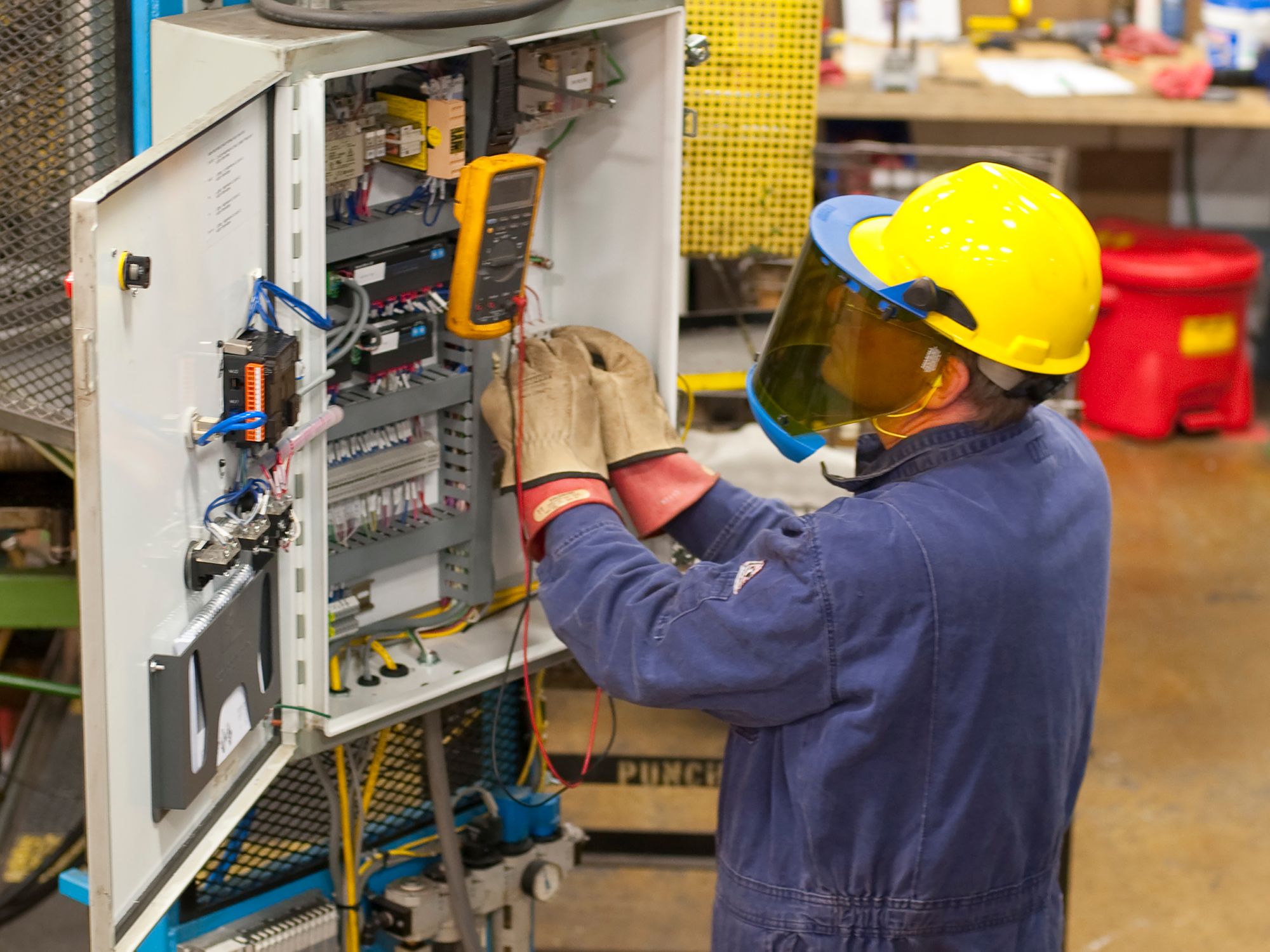
Employees can be seriously or fatally injured if machinery they service or maintain unexpectedly energizes, starts up, or releases stored energy. OSHA’s standard on the Control of Hazardous Energy (Lockout/Tagout), found in 1910.147, spells out the steps employers must take to prevent accidents associated with hazardous energy. The standard addresses practices and procedures necessary to disable machinery and prevent the release of potentially hazardous energy while maintenance or servicing activities are performed.
Two other OSHA standards also contain energy control provisions: 1910.269 and 1910.333. In addition, some standards relating to specific types of machinery contain deenergization requirements such as 1910.179(l)(2)(i)(c) (requiring the switches to be “open and locked in the open position” before performing preventive maintenance on overhead and gantry cranes). The provisions of 1910.147 apply in conjunction with these machine-specific standards to assure that employees will be adequately protected against hazardous energy.
:
lockouttagout
lockouttagout
FOUNDATIONAL LEARNING
InstituteLockout/TagoutLockout/Tagout Authorized WorkersSafety & HealthLockout/TagoutGeneral Industry SafetyLockout/Tagout Written ProgramLockout/Tagout Affected WorkersLockout/Tagout Periodic EvaluationEnglishAnalysisFocus AreaCompliance and Exceptions (Level 2)USA
What are the requirements of the lockout/tagout standard? (General industry)
InstituteLockout/TagoutLockout/Tagout Authorized WorkersSafety & HealthLockout/TagoutGeneral Industry SafetyLockout/Tagout Written ProgramLockout/Tagout Affected WorkersLockout/Tagout Periodic EvaluationIn Depth (Level 3)EnglishAnalysisFocus AreaUSA
What are the requirements for periodic inspections?
InstituteLockout/TagoutAnalysisLockout/TagoutLockout/Tagout Written ProgramLockout/Tagout Periodic EvaluationLockout/Tagout Affected WorkersEnglishLockout/Tagout Authorized WorkersFocus AreaCompliance and Exceptions (Level 2)USA
What are the requirements of the lockout/tagout standard? (Construction)
Employees can be seriously or fatally injured if machinery they service or maintain unexpectedly energizes, starts up, or releases stored energy. OSHA’s standard on the Control of Hazardous Energy (Lockout/Tagout), found in 1910.147, spells out the steps employers must take to prevent accidents associated with hazardous energy. The standard addresses practices and procedures necessary to disable machinery and prevent the release of potentially hazardous energy while maintenance or servicing activities are performed.
Two other OSHA standards also contain energy control provisions: 1910.269 and 1910.333. In addition, some standards relating to specific types of machinery contain deenergization requirements such as 1910.179(l)(2)(i)(c) (requiring the switches to be “open and locked in the open position” before performing preventive maintenance on overhead and gantry cranes). The provisions of 1910.147 apply in conjunction with these machine-specific standards to assure that employees will be adequately protected against hazardous energy.
2659714046
2659759097
UPGRADE TO CONTINUE READING
J. J. Keller is the trusted source for DOT / Transportation, OSHA / Workplace Safety, Human Resources, Construction Safety and Hazmat / Hazardous Materials regulation compliance products and services. J. J. Keller helps you increase safety awareness, reduce risk, follow best practices, improve safety training, and stay current with changing regulations.
Copyright 2026 J. J. Keller & Associate, Inc. For re-use options please contact copyright@jjkeller.com or call 800-558-5011.