Compliance Just Got Easier: Stay ahead of regulatory changes with instant notifications on updates that matter.
['Drug and Alcohol Testing - DOT']
['Alcohol testing - Motor Carrier', 'Drug testing - Motor Carrier', 'Designated employer representative (DER) - Motor Carrier', 'Medical review officer (MRO) - Motor Carrier', 'Dilute specimen - motor carrer', 'Drug and alcohol policy - Motor Carrier']
07/29/2025

Copyright 2026 J. J. Keller & Associate, Inc. For re-use options please contact copyright@jjkeller.com or call 800-558-5011.
:
|
InstituteDrug and alcohol policy - Motor CarrierEnglishMedical review officer (MRO) - Motor CarrierFleet SafetyIn Depth Sub Topics (Level 4)Drug and Alcohol Testing - DOTDrug testing - Motor CarrierFocus AreaDesignated employer representative (DER) - Motor CarrierAlcohol testing - Motor CarrierDilute specimen - motor carrerAnalysisTransportationUSA
Handling dilute urine specimens
['Drug and Alcohol Testing - DOT']
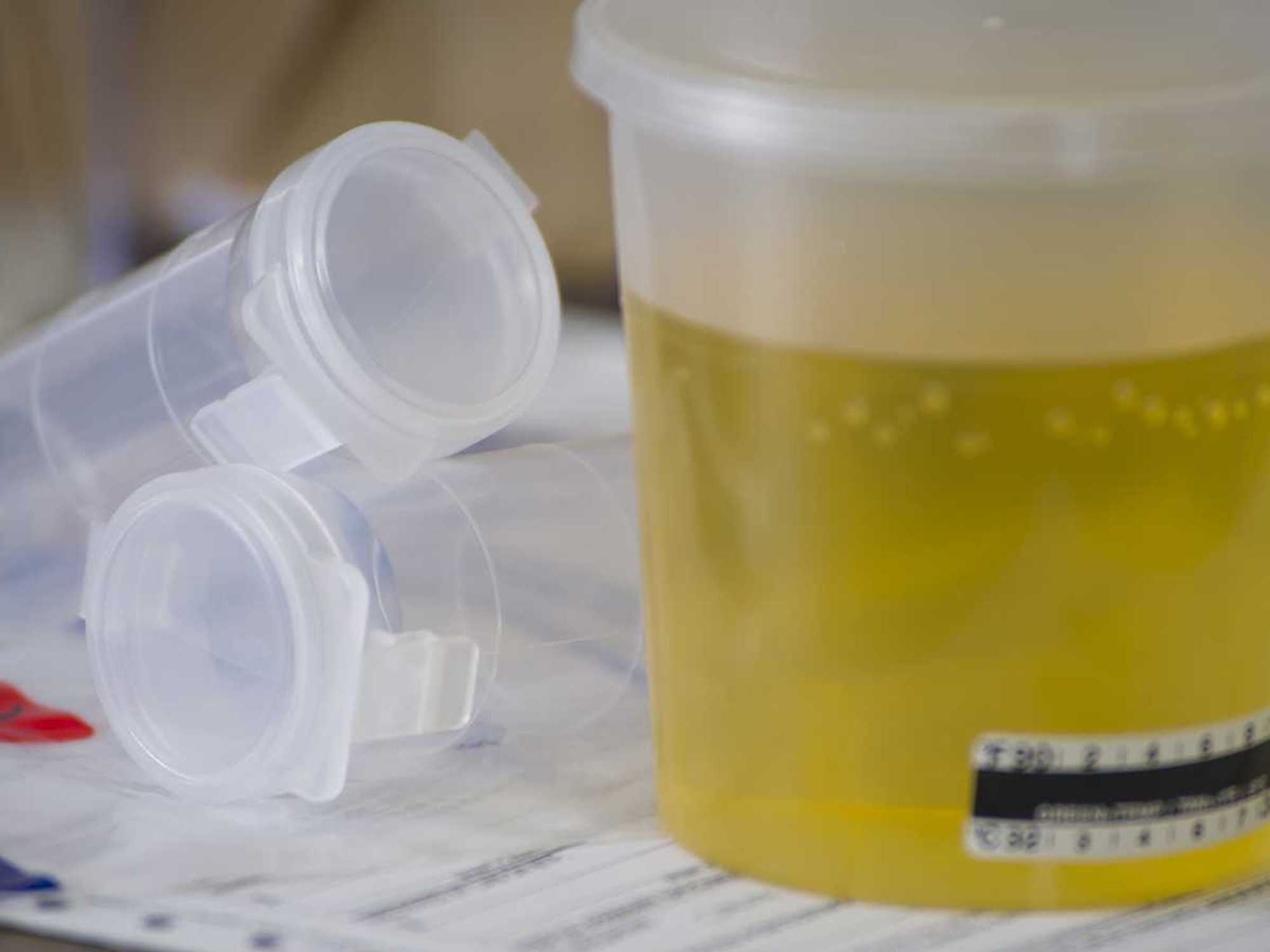
- How you handle a dilute urine specimen, as reported by the MRO, depends on details in the official test result.
The result of a DOT urine drug screen came back dilute. What do you do? Your response will depend on a few variables.
Positive dilute
If the test is a positive dilute, it is treated as a positive test result — end of story. The driver is removed from a safety-sensitive function, is given a list of Substance Abuse Professionals (SAPs), and must undergo the DOT return-to-duty process in order to operate a commercial motor vehicle (CMV) again. The violation is reported to the CDL Drug and Alcohol Clearinghouse by the medical review officer (MRO). The test is retained for the minimum five-year period in accordance with 40.333 and 382.401.
Negative dilute with creatinine level of 2mg/dL – 5mg/dL
If a negative dilute has a creatinine level of 2mg/dL to 5mg/dL, the (MRO) will request an immediate recollection under direct observation. The MRO will contact the motor carrier’s designated employer representative (DER) to request this additional test. If the driver refuses this test, it is a refusal to be tested and holds the same consequences as a positive test result. If the driver goes for the retest under direct observation, the results of this test become the result of record.
Note that recollections apply to pre-employment drug tests too. If you look at 40.191(a)(6), declining to take another test has no protection for those taking pre-employment drug tests.
Negative dilute with creatinine level over 5mg/dL
A negative dilute with a creatinine level over 5mg/dL will not require a retest. The MRO will not contact the carrier requesting action.
According to 40.197, a motor carrier may retest drivers who have a negative dilute result with a creatinine level of over 5mg/dL even though it does not qualify for an MRO-requested recollection. However, the carrier must have this in its company policy. Drivers must know what will be asked of them above and beyond the minimum requirements of the FMCSRs and the consequences. This must take place prior to the driver’s placement in the testing program. This is found in 382.601(a)(1).
In addition, this company policy retest cannot be under direct observation, and the carrier must be consistent and test all drivers under the same circumstances. For example, you could retest based on test type (i.e., all pre-employment tests but no random tests). Even though it is a company policy test, a driver who refuses has just violated DOT drug testing regulations. It holds the same consequences as a positive, even though the test is optional for the carrier’s policy. It is still a DOT test, and the collection site uses a DOT federal drug testing custody and control form.
Retest results
When the retest was directed by the MRO, if it again comes back negative dilute, the test is declared negative.
If the employer-based recollection comes back negative dilute with a creatinine level over 5mg/dL, the driver is not to be retested again. It is deemed a negative result. The process ends here. However, if the test comes back negative dilute with a creatinine level of 2mg/dL - 5mg/dL, the driver will be directed by the MRO to take yet another test immediately under direct observation.
A positive, adulterated, or substituted finding on any retest is the result of record, and the consequences of a drug violation apply.
What causes a dilute specimen?
Many carriers wonder what all the concern is about for dilute specimens. In many cases, a dilute specimen may simply be from drinking excessive water to produce a urine sample. Or it could have more sinister implications: it could be the result of a driver drinking an excessive amount of water to flush out signs of drug use or the result of a drug-masking product.
:
drug-and-alcohol-testing-dot
FOUNDATIONAL LEARNING
InstituteDrug and alcohol policy - Motor CarrierAlcohol testing - Motor CarrierFleet SafetyDrug and Alcohol Testing - DOTDrug testing - Motor CarrierTransportationSafety-sensitive function - Motor CarrierEnglishAnalysisFocus AreaCompliance and Exceptions (Level 2)USA
What regulations apply to DOT drug and alcohol testing?
InstituteDrug and alcohol policy - Motor CarrierMedical review officer (MRO) - Motor CarrierDrug testing - Motor CarrierDrug and Alcohol Testing - DOTTransportationIn Depth (Level 3)EnglishFleet SafetyBreath alcohol technician - Motor CarrierConsortium: third-party administrator (TPA) - Motor CarrierDesignated employer representative (DER) - Motor CarrierSubstance abuse professional (SAP) - Motor CarrierAlcohol testing - Motor CarrierAnalysisFocus AreaUSA
Key definitions
InstituteDrug and alcohol policy - Motor CarrierAlcohol testing - Motor CarrierFleet SafetyDrug and Alcohol Testing - DOTDrug testing - Motor CarrierTransportationIn Depth (Level 3)Consortium: third-party administrator (TPA) - Motor CarrierDesignated employer representative (DER) - Motor CarrierSafety-sensitive function - Motor CarrierEnglishAnalysisFocus AreaUSA
What is the designated employer representative’s (DER’s) role?
InstituteDrug and alcohol policy - Motor CarrierAlcohol testing - Motor CarrierMedical review officer (MRO) - Motor CarrierFleet SafetyDrug and Alcohol Testing - DOTDrug testing - Motor CarrierTransportationFocus AreaDesignated employer representative (DER) - Motor CarrierConsortium: third-party administrator (TPA) - Motor CarrierEnglishAnalysisIn Depth Sub Topics (Level 4)USA
DER as contact person
InstituteDrug and alcohol policy - Motor CarrierEnglishMedical review officer (MRO) - Motor CarrierFleet SafetyDrug and Alcohol Testing - DOTDrug testing - Motor CarrierConsortium: third-party administrator (TPA) - Motor CarrierFocus AreaUSAAlcohol testing - Motor CarrierAnalysisTransportationIn Depth (Level 3)
What service providers will a motor carrier need to manage its testing program?
InstituteDrug and alcohol policy - Motor CarrierMedical review officer (MRO) - Motor CarrierDrug testing - Motor CarrierDrug and Alcohol Testing - DOTTransportationEnglishFleet SafetyBreath alcohol technician - Motor CarrierFocus AreaConsortium: third-party administrator (TPA) - Motor CarrierSubstance abuse professional (SAP) - Motor CarrierAlcohol testing - Motor CarrierAnalysisIn Depth Sub Topics (Level 4)USA
Auditing service providers
InstituteDrug and alcohol policy - Motor CarrierEnglishFleet SafetyIn Depth Sub Topics (Level 4)Drug and Alcohol Testing - DOTDrug testing - Motor CarrierFocus AreaConsortium: third-party administrator (TPA) - Motor CarrierAlcohol testing - Motor CarrierAnalysisTransportationUSA
Consortium/Third-party administrators
InstituteNon-evidential alcohol screening devices - Motor CarrierDrug and alcohol policy - Motor CarrierEvidential breath testing device (EBT) - Motor CarrierFleet SafetyEnglishIn Depth Sub Topics (Level 4)Drug and Alcohol Testing - DOTDrug testing - Motor CarrierBreath alcohol technician - Motor CarrierFocus AreaAlcohol testing - Motor CarrierAnalysisTransportationUSA
On-site audits of collection sites
InstituteDrug and alcohol policy - Motor CarrierEnglishMedical review officer (MRO) - Motor CarrierFleet SafetyIn Depth Sub Topics (Level 4)Drug and Alcohol Testing - DOTDrug testing - Motor CarrierFocus AreaDesignated employer representative (DER) - Motor CarrierAlcohol testing - Motor CarrierAnalysisTransportationUSA
Providing collectors with necessary information
Handling dilute urine specimens
InstituteDrug and alcohol policy - Motor CarrierEnglishMedical review officer (MRO) - Motor CarrierFleet SafetyIn Depth Sub Topics (Level 4)Drug and Alcohol Testing - DOTDrug testing - Motor CarrierFocus AreaDesignated employer representative (DER) - Motor CarrierAlcohol testing - Motor CarrierDilute specimen - motor carrerAnalysisTransportationUSA
['Drug and Alcohol Testing - DOT']
- How you handle a dilute urine specimen, as reported by the MRO, depends on details in the official test result.
The result of a DOT urine drug screen came back dilute. What do you do? Your response will depend on a few variables.
Positive dilute
If the test is a positive dilute, it is treated as a positive test result — end of story. The driver is removed from a safety-sensitive function, is given a list of Substance Abuse Professionals (SAPs), and must undergo the DOT return-to-duty process in order to operate a commercial motor vehicle (CMV) again. The violation is reported to the CDL Drug and Alcohol Clearinghouse by the medical review officer (MRO). The test is retained for the minimum five-year period in accordance with 40.333 and 382.401.
Negative dilute with creatinine level of 2mg/dL – 5mg/dL
If a negative dilute has a creatinine level of 2mg/dL to 5mg/dL, the (MRO) will request an immediate recollection under direct observation. The MRO will contact the motor carrier’s designated employer representative (DER) to request this additional test. If the driver refuses this test, it is a refusal to be tested and holds the same consequences as a positive test result. If the driver goes for the retest under direct observation, the results of this test become the result of record.
Note that recollections apply to pre-employment drug tests too. If you look at 40.191(a)(6), declining to take another test has no protection for those taking pre-employment drug tests.
Negative dilute with creatinine level over 5mg/dL
A negative dilute with a creatinine level over 5mg/dL will not require a retest. The MRO will not contact the carrier requesting action.
According to 40.197, a motor carrier may retest drivers who have a negative dilute result with a creatinine level of over 5mg/dL even though it does not qualify for an MRO-requested recollection. However, the carrier must have this in its company policy. Drivers must know what will be asked of them above and beyond the minimum requirements of the FMCSRs and the consequences. This must take place prior to the driver’s placement in the testing program. This is found in 382.601(a)(1).
In addition, this company policy retest cannot be under direct observation, and the carrier must be consistent and test all drivers under the same circumstances. For example, you could retest based on test type (i.e., all pre-employment tests but no random tests). Even though it is a company policy test, a driver who refuses has just violated DOT drug testing regulations. It holds the same consequences as a positive, even though the test is optional for the carrier’s policy. It is still a DOT test, and the collection site uses a DOT federal drug testing custody and control form.
Retest results
When the retest was directed by the MRO, if it again comes back negative dilute, the test is declared negative.
If the employer-based recollection comes back negative dilute with a creatinine level over 5mg/dL, the driver is not to be retested again. It is deemed a negative result. The process ends here. However, if the test comes back negative dilute with a creatinine level of 2mg/dL - 5mg/dL, the driver will be directed by the MRO to take yet another test immediately under direct observation.
A positive, adulterated, or substituted finding on any retest is the result of record, and the consequences of a drug violation apply.
What causes a dilute specimen?
Many carriers wonder what all the concern is about for dilute specimens. In many cases, a dilute specimen may simply be from drinking excessive water to produce a urine sample. Or it could have more sinister implications: it could be the result of a driver drinking an excessive amount of water to flush out signs of drug use or the result of a drug-masking product.
2656872229
2656866263
UPGRADE TO CONTINUE READING
RELATED TOPICS
J. J. Keller is the trusted source for DOT / Transportation, OSHA / Workplace Safety, Human Resources, Construction Safety and Hazmat / Hazardous Materials regulation compliance products and services. J. J. Keller helps you increase safety awareness, reduce risk, follow best practices, improve safety training, and stay current with changing regulations.
Copyright 2026 J. J. Keller & Associate, Inc. For re-use options please contact copyright@jjkeller.com or call 800-558-5011.