Compliance Just Got Easier: Stay ahead of regulatory changes with instant notifications on updates that matter.
['Drug and Alcohol Testing - DOT']
['Alcohol testing - Motor Carrier', 'Medical review officer (MRO) - Motor Carrier', 'Drug and alcohol policy - Motor Carrier', 'Drug testing - Motor Carrier', 'Consortium: third-party administrator (TPA) - Motor Carrier']
02/16/2026

Copyright 2026 J. J. Keller & Associate, Inc. For re-use options please contact copyright@jjkeller.com or call 800-558-5011.
:
|
InstituteDrug and alcohol policy - Motor CarrierEnglishMedical review officer (MRO) - Motor CarrierFleet SafetyDrug and Alcohol Testing - DOTDrug testing - Motor CarrierConsortium: third-party administrator (TPA) - Motor CarrierFocus AreaUSAAlcohol testing - Motor CarrierAnalysisTransportationIn Depth (Level 3)
What service providers will a motor carrier need to manage its testing program?
['Drug and Alcohol Testing - DOT']
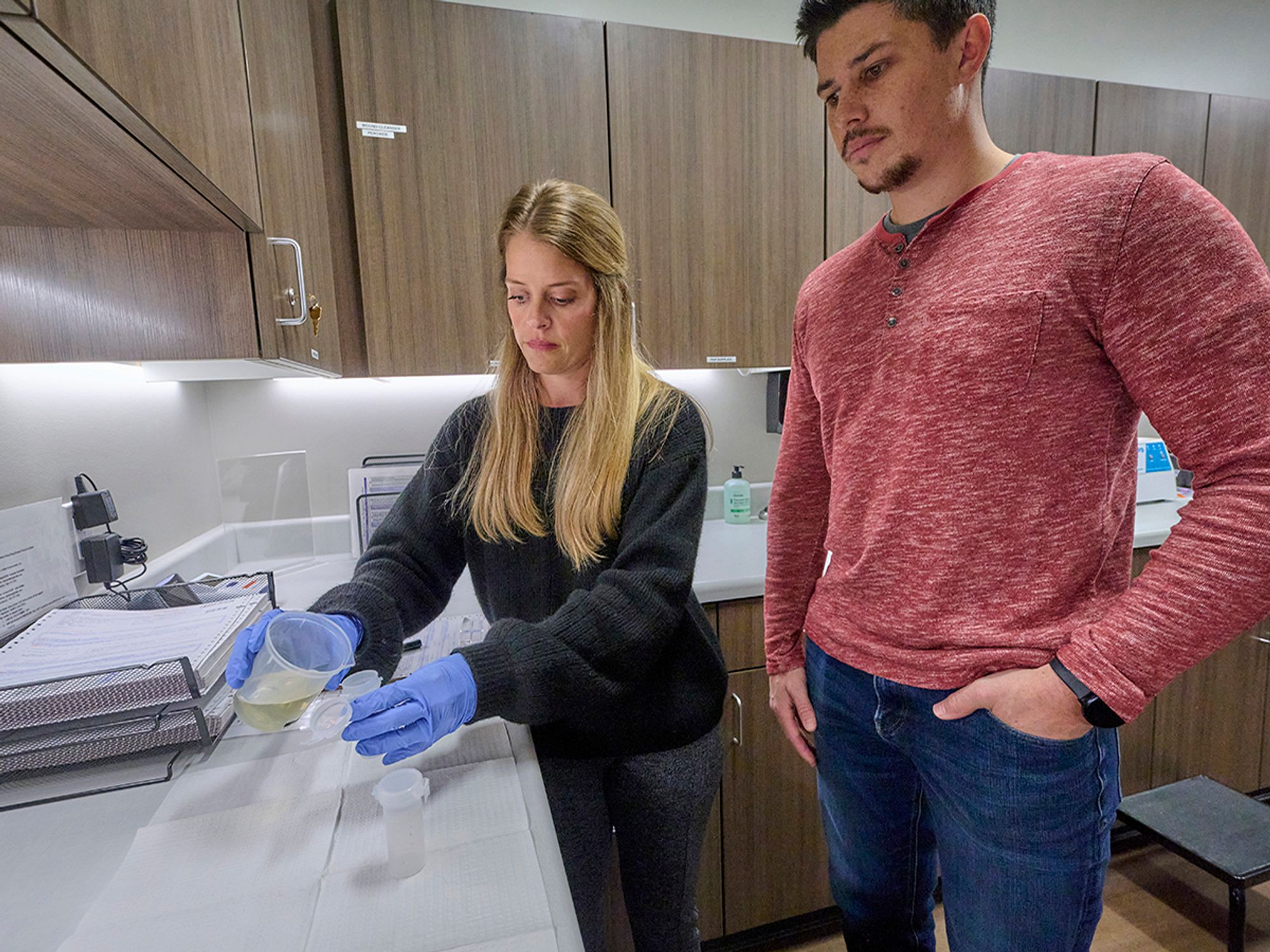
- Employers can hire service providers to follow a DOT test from beginning to end to stay compliant.
- Employers, not service providers, are ultimately responsible for DOT drug and alcohol testing compliance.
Due to the sensitive nature of Department of Transportation (DOT) drug and alcohol testing, service providers must be selected carefully. A company’s service providers follow a DOT test from beginning to end and offer services in the event a driver is found to have violated the prohibitions in Part 382.
If a service provider is not qualified or is not following DOT protocols, the motor carrier is held responsible by the DOT since it is the regulated entity, and employees who feel that rights to a fair test have been compromised may hold the employer liable.
Before entering a contract with a vendor, be sure service providers:
- Are properly trained,
- Understand DOT procedures, and
- Protect employee privacy.
A DOT-regulated testing program requires that many service providers meet specific criteria and training. Employers will need to verify that a service provider meets any accreditation and/or training specified 49 CFR Part 40 — before contracting with it. Note that these same training requirements must be applied to company employees performing DOT drug or alcohol tests in house.
Even if employers initially verify the credentials of service providers, a motor carrier must not assume that its vendors remain qualified to perform the same roles throughout the contract. Many key partners in a DOT testing program are required to have refresher training. To ensure the tasks are being performed by knowledgeable and proficient professionals, motor carriers need to ask for documentation. The right to ask for this proof is sprinkled throughout 49 CFR Part 40 (within each of the service provider’s categories).
Motor carriers typically ask for documentation of training at the beginning or renewal of a contract. To ensure contracted parties continue to meet criteria, a company could ask for proof annually or anytime it finds DOT procedures are not being followed.
:
drug-and-alcohol-testing-dot
FOUNDATIONAL LEARNING
InstituteDrug and alcohol policy - Motor CarrierAlcohol testing - Motor CarrierFleet SafetyDrug and Alcohol Testing - DOTDrug testing - Motor CarrierTransportationSafety-sensitive function - Motor CarrierEnglishAnalysisFocus AreaCompliance and Exceptions (Level 2)USA
What regulations apply to DOT drug and alcohol testing?
InstituteDrug and alcohol policy - Motor CarrierMedical review officer (MRO) - Motor CarrierDrug testing - Motor CarrierDrug and Alcohol Testing - DOTTransportationIn Depth (Level 3)EnglishFleet SafetyBreath alcohol technician - Motor CarrierConsortium: third-party administrator (TPA) - Motor CarrierDesignated employer representative (DER) - Motor CarrierSubstance abuse professional (SAP) - Motor CarrierAlcohol testing - Motor CarrierAnalysisFocus AreaUSA
Key definitions
InstituteDrug and alcohol policy - Motor CarrierAlcohol testing - Motor CarrierFleet SafetyDrug and Alcohol Testing - DOTDrug testing - Motor CarrierTransportationIn Depth (Level 3)Consortium: third-party administrator (TPA) - Motor CarrierDesignated employer representative (DER) - Motor CarrierSafety-sensitive function - Motor CarrierEnglishAnalysisFocus AreaUSA
What is the designated employer representative’s (DER’s) role?
InstituteDrug and alcohol policy - Motor CarrierAlcohol testing - Motor CarrierMedical review officer (MRO) - Motor CarrierFleet SafetyDrug and Alcohol Testing - DOTDrug testing - Motor CarrierTransportationFocus AreaDesignated employer representative (DER) - Motor CarrierConsortium: third-party administrator (TPA) - Motor CarrierEnglishAnalysisIn Depth Sub Topics (Level 4)USA
DER as contact person
InstituteDrug and alcohol policy - Motor CarrierEnglishMedical review officer (MRO) - Motor CarrierFleet SafetyDrug and Alcohol Testing - DOTDrug testing - Motor CarrierConsortium: third-party administrator (TPA) - Motor CarrierFocus AreaUSAAlcohol testing - Motor CarrierAnalysisTransportationIn Depth (Level 3)
What service providers will a motor carrier need to manage its testing program?
InstituteDrug and alcohol policy - Motor CarrierMedical review officer (MRO) - Motor CarrierDrug testing - Motor CarrierDrug and Alcohol Testing - DOTTransportationEnglishFleet SafetyBreath alcohol technician - Motor CarrierFocus AreaConsortium: third-party administrator (TPA) - Motor CarrierSubstance abuse professional (SAP) - Motor CarrierAlcohol testing - Motor CarrierAnalysisIn Depth Sub Topics (Level 4)USA
Auditing service providers
InstituteDrug and alcohol policy - Motor CarrierEnglishFleet SafetyIn Depth Sub Topics (Level 4)Drug and Alcohol Testing - DOTDrug testing - Motor CarrierFocus AreaConsortium: third-party administrator (TPA) - Motor CarrierAlcohol testing - Motor CarrierAnalysisTransportationUSA
Consortium/Third-party administrators
InstituteNon-evidential alcohol screening devices - Motor CarrierDrug and alcohol policy - Motor CarrierEvidential breath testing device (EBT) - Motor CarrierFleet SafetyEnglishIn Depth Sub Topics (Level 4)Drug and Alcohol Testing - DOTDrug testing - Motor CarrierBreath alcohol technician - Motor CarrierFocus AreaAlcohol testing - Motor CarrierAnalysisTransportationUSA
On-site audits of collection sites
InstituteDrug and alcohol policy - Motor CarrierEnglishMedical review officer (MRO) - Motor CarrierFleet SafetyIn Depth Sub Topics (Level 4)Drug and Alcohol Testing - DOTDrug testing - Motor CarrierFocus AreaDesignated employer representative (DER) - Motor CarrierAlcohol testing - Motor CarrierAnalysisTransportationUSA
Providing collectors with necessary information
What service providers will a motor carrier need to manage its testing program?
InstituteDrug and alcohol policy - Motor CarrierEnglishMedical review officer (MRO) - Motor CarrierFleet SafetyDrug and Alcohol Testing - DOTDrug testing - Motor CarrierConsortium: third-party administrator (TPA) - Motor CarrierFocus AreaUSAAlcohol testing - Motor CarrierAnalysisTransportationIn Depth (Level 3)
['Drug and Alcohol Testing - DOT']
- Employers can hire service providers to follow a DOT test from beginning to end to stay compliant.
- Employers, not service providers, are ultimately responsible for DOT drug and alcohol testing compliance.
Due to the sensitive nature of Department of Transportation (DOT) drug and alcohol testing, service providers must be selected carefully. A company’s service providers follow a DOT test from beginning to end and offer services in the event a driver is found to have violated the prohibitions in Part 382.
If a service provider is not qualified or is not following DOT protocols, the motor carrier is held responsible by the DOT since it is the regulated entity, and employees who feel that rights to a fair test have been compromised may hold the employer liable.
Before entering a contract with a vendor, be sure service providers:
- Are properly trained,
- Understand DOT procedures, and
- Protect employee privacy.
A DOT-regulated testing program requires that many service providers meet specific criteria and training. Employers will need to verify that a service provider meets any accreditation and/or training specified 49 CFR Part 40 — before contracting with it. Note that these same training requirements must be applied to company employees performing DOT drug or alcohol tests in house.
Even if employers initially verify the credentials of service providers, a motor carrier must not assume that its vendors remain qualified to perform the same roles throughout the contract. Many key partners in a DOT testing program are required to have refresher training. To ensure the tasks are being performed by knowledgeable and proficient professionals, motor carriers need to ask for documentation. The right to ask for this proof is sprinkled throughout 49 CFR Part 40 (within each of the service provider’s categories).
Motor carriers typically ask for documentation of training at the beginning or renewal of a contract. To ensure contracted parties continue to meet criteria, a company could ask for proof annually or anytime it finds DOT procedures are not being followed.
2656869955
2656868216
UPGRADE TO CONTINUE READING
RELATED TOPICS
J. J. Keller is the trusted source for DOT / Transportation, OSHA / Workplace Safety, Human Resources, Construction Safety and Hazmat / Hazardous Materials regulation compliance products and services. J. J. Keller helps you increase safety awareness, reduce risk, follow best practices, improve safety training, and stay current with changing regulations.
Copyright 2026 J. J. Keller & Associate, Inc. For re-use options please contact copyright@jjkeller.com or call 800-558-5011.