Compliance Just Got Easier: Stay ahead of regulatory changes with instant notifications on updates that matter.
['Drug and Alcohol Testing - DOT']
['Drug and alcohol policy - Motor Carrier', 'Alcohol testing - Motor Carrier', 'Drug testing - Motor Carrier']
03/11/2025

Copyright 2026 J. J. Keller & Associate, Inc. For re-use options please contact copyright@jjkeller.com or call 800-558-5011.
:
|
InstituteDrug and alcohol policy - Motor CarrierAlcohol testing - Motor CarrierFleet SafetyDrug and Alcohol Testing - DOTDrug testing - Motor CarrierTransportationIn Depth (Level 3)EnglishAnalysisFocus AreaUSA
When is a DOT drug and alcohol testing program required?
['Drug and Alcohol Testing - DOT']
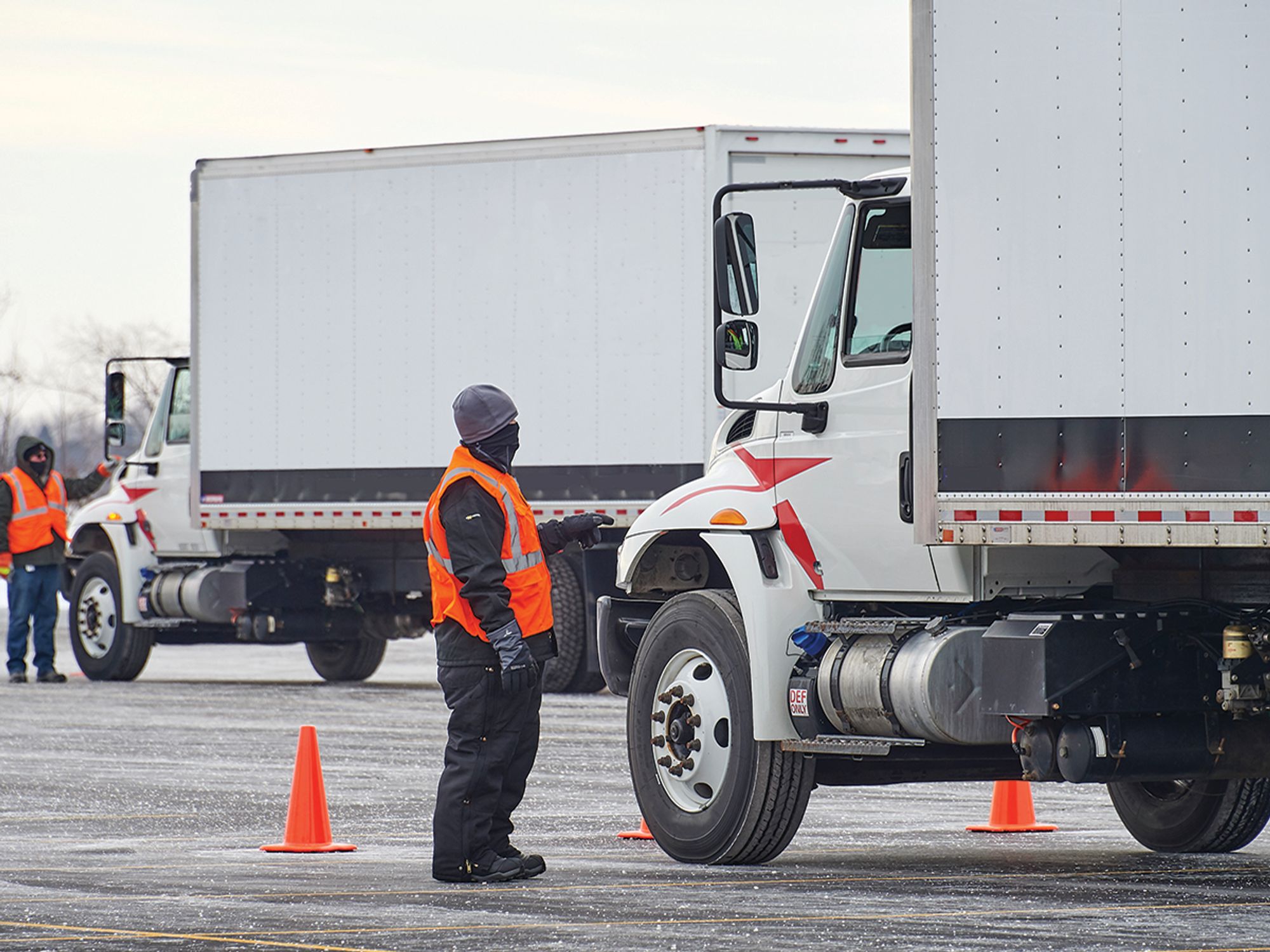
- Employers who operate CMVs that require a CDL are required to set up a DOT drug and alcohol testing program for drivers.
When considering a Department of Transportation (DOT) drug and alcohol testing program under the Federal Motor Carrier Safety Administration (FMCSA), the first questions employers must ask are:
- Whether a company is subject to the regulations, and
- Which employees within the organization should be included, if the company is required to have a program.
If a company is required to have a DOT drug and alcohol testing program, it must also look at which drivers must be in a motor carrier’s DOT drug and alcohol testing program.
As part of this consideration, look at the vehicles used for business. If a company operates commercial motor vehicles (CMVs) that require a commercial driver’s license (CDL), the company must set up a DOT drug and alcohol testing program. The term “commercial motor vehicle” used in 382.103, Applicability, is cross-referencing the definition in 382.107, which parallels the description requiring a CDL in Part 383.
:
drug-and-alcohol-testing-dot
FOUNDATIONAL LEARNING
InstituteDrug and alcohol policy - Motor CarrierAlcohol testing - Motor CarrierFleet SafetyDrug and Alcohol Testing - DOTDrug testing - Motor CarrierTransportationSafety-sensitive function - Motor CarrierEnglishAnalysisFocus AreaCompliance and Exceptions (Level 2)USA
What regulations apply to DOT drug and alcohol testing?
InstituteDrug and alcohol policy - Motor CarrierMedical review officer (MRO) - Motor CarrierDrug testing - Motor CarrierDrug and Alcohol Testing - DOTTransportationIn Depth (Level 3)EnglishFleet SafetyBreath alcohol technician - Motor CarrierConsortium: third-party administrator (TPA) - Motor CarrierDesignated employer representative (DER) - Motor CarrierSubstance abuse professional (SAP) - Motor CarrierAlcohol testing - Motor CarrierAnalysisFocus AreaUSA
Key definitions
InstituteDrug and alcohol policy - Motor CarrierAlcohol testing - Motor CarrierFleet SafetyDrug and Alcohol Testing - DOTDrug testing - Motor CarrierTransportationIn Depth (Level 3)Consortium: third-party administrator (TPA) - Motor CarrierDesignated employer representative (DER) - Motor CarrierSafety-sensitive function - Motor CarrierEnglishAnalysisFocus AreaUSA
What is the designated employer representative’s (DER’s) role?
InstituteDrug and alcohol policy - Motor CarrierAlcohol testing - Motor CarrierMedical review officer (MRO) - Motor CarrierFleet SafetyDrug and Alcohol Testing - DOTDrug testing - Motor CarrierTransportationFocus AreaDesignated employer representative (DER) - Motor CarrierConsortium: third-party administrator (TPA) - Motor CarrierEnglishAnalysisIn Depth Sub Topics (Level 4)USA
DER as contact person
InstituteDrug and alcohol policy - Motor CarrierEnglishMedical review officer (MRO) - Motor CarrierFleet SafetyDrug and Alcohol Testing - DOTDrug testing - Motor CarrierConsortium: third-party administrator (TPA) - Motor CarrierFocus AreaUSAAlcohol testing - Motor CarrierAnalysisTransportationIn Depth (Level 3)
What service providers will a motor carrier need to manage its testing program?
InstituteDrug and alcohol policy - Motor CarrierMedical review officer (MRO) - Motor CarrierDrug testing - Motor CarrierDrug and Alcohol Testing - DOTTransportationEnglishFleet SafetyBreath alcohol technician - Motor CarrierFocus AreaConsortium: third-party administrator (TPA) - Motor CarrierSubstance abuse professional (SAP) - Motor CarrierAlcohol testing - Motor CarrierAnalysisIn Depth Sub Topics (Level 4)USA
Auditing service providers
InstituteDrug and alcohol policy - Motor CarrierEnglishFleet SafetyIn Depth Sub Topics (Level 4)Drug and Alcohol Testing - DOTDrug testing - Motor CarrierFocus AreaConsortium: third-party administrator (TPA) - Motor CarrierAlcohol testing - Motor CarrierAnalysisTransportationUSA
Consortium/Third-party administrators
InstituteNon-evidential alcohol screening devices - Motor CarrierDrug and alcohol policy - Motor CarrierEvidential breath testing device (EBT) - Motor CarrierFleet SafetyEnglishIn Depth Sub Topics (Level 4)Drug and Alcohol Testing - DOTDrug testing - Motor CarrierBreath alcohol technician - Motor CarrierFocus AreaAlcohol testing - Motor CarrierAnalysisTransportationUSA
On-site audits of collection sites
InstituteDrug and alcohol policy - Motor CarrierEnglishMedical review officer (MRO) - Motor CarrierFleet SafetyIn Depth Sub Topics (Level 4)Drug and Alcohol Testing - DOTDrug testing - Motor CarrierFocus AreaDesignated employer representative (DER) - Motor CarrierAlcohol testing - Motor CarrierAnalysisTransportationUSA
Providing collectors with necessary information
When is a DOT drug and alcohol testing program required?
InstituteDrug and alcohol policy - Motor CarrierAlcohol testing - Motor CarrierFleet SafetyDrug and Alcohol Testing - DOTDrug testing - Motor CarrierTransportationIn Depth (Level 3)EnglishAnalysisFocus AreaUSA
['Drug and Alcohol Testing - DOT']
- Employers who operate CMVs that require a CDL are required to set up a DOT drug and alcohol testing program for drivers.
When considering a Department of Transportation (DOT) drug and alcohol testing program under the Federal Motor Carrier Safety Administration (FMCSA), the first questions employers must ask are:
- Whether a company is subject to the regulations, and
- Which employees within the organization should be included, if the company is required to have a program.
If a company is required to have a DOT drug and alcohol testing program, it must also look at which drivers must be in a motor carrier’s DOT drug and alcohol testing program.
As part of this consideration, look at the vehicles used for business. If a company operates commercial motor vehicles (CMVs) that require a commercial driver’s license (CDL), the company must set up a DOT drug and alcohol testing program. The term “commercial motor vehicle” used in 382.103, Applicability, is cross-referencing the definition in 382.107, which parallels the description requiring a CDL in Part 383.
2656871088
2656868725
UPGRADE TO CONTINUE READING
RELATED TOPICS
J. J. Keller is the trusted source for DOT / Transportation, OSHA / Workplace Safety, Human Resources, Construction Safety and Hazmat / Hazardous Materials regulation compliance products and services. J. J. Keller helps you increase safety awareness, reduce risk, follow best practices, improve safety training, and stay current with changing regulations.
Copyright 2026 J. J. Keller & Associate, Inc. For re-use options please contact copyright@jjkeller.com or call 800-558-5011.