Compliance Just Got Easier: Stay ahead of regulatory changes with instant notifications on updates that matter.
['Discrimination']
['Pregnancy Discrimination', 'Discrimination', 'Protected classes']
2026-02-24T06:00:00Z
JOIN TODAY TO CONTINUE READING THIS ARTICLE & OTHER INDUSTRY NEWS!
You'll also get exclusive access to:
A database of easy-to-understand regulationsAsk unlimited questions to our expertsPre-led discussions forumsAnd more
TRY IT FREE TODAY
Already have an account? Log in now.

Copyright 2026 J. J. Keller & Associate, Inc. For re-use options please contact copyright@jjkeller.com or call 800-558-5011.
NewsIndustry NewsDiscriminationDiscriminationProtected classesPregnancy DiscriminationAssociate RelationsHR GeneralistIn-Depth ArticleUSAHR ManagementEnglishFocus AreaHuman Resources
Employees are filing pregnancy accommodation claims: PWFA lessons for employers
2026-02-24T06:00:00Z
The federal Pregnant Workers Fairness Act (PWFA) went into effect on June 27, 2023, with final regulations on June 18, 2024. Since then, the Equal Employment Opportunity Commission (EEOC) has been busy enforcing it. Recent cases from the last 5 months can serve as a learning opportunity for all employers covered by the law, which are those with 15 or more employees.
Cases settled through conciliation agreements
- The EEOC claimed that a technology solutions company fired a pregnant employee in November 2023 after she asked for 2.5 months of unpaid leave. As a result, the employer had to pay the former employee $100,000 and implement a new policy allowing employees to ask for leave as a reasonable accommodation under the PWFA, even if they don’t qualify for leave under the federal Family and Medical Leave Act.
- The EEOC claimed that a behavioral health provider denied a pregnant employee an accommodation under the PWFA in March 2024. According to the employee, the employer refused to engage in the required interactive process and instead fired her on the same day she requested the accommodation. As a result, the employer had to pay the former employee $35,000, provide equal employment opportunity training to all employees, and report annually on discrimination complaints it receives.
Ongoing claims
- The EEOC claims that a multinational steel and iron mining company allegedly violated the PWFA when it failed to give an employee a reasonable accommodation for her pregnancy.
According to the lawsuit, the employee, an experienced mining equipment operator, needed to avoid working on the most physically jarring machinery as an accommodation during her high-risk pregnancy. Instead of temporarily allowing her to do other work within her job description, the employer placed her on an involuntary leave for several weeks. Although the company later let her come back to work, it first assigned her to work that was inconsistent with her medical restrictions and then removed her from her normal role altogether. She spent the rest of her pregnancy in a menial office job with reduced earning potential.
The lawsuit further alleged that the employer retaliated against her after her pregnancy by denying her higher-paying assignments and sending her to more difficult and less desirable jobs in remote areas of the mine.
- According to an EEOC suit, a nurse whose job involved visiting patients at their homes requested a temporary limit on her assignments to patients closer to her home and/or to virtual visits as an accommodation for her pregnancy symptoms. The employer allegedly refused to accommodate the employee, which ultimately resulted in her forced resignation.
- The EEOC charged two other companies for violating the PWFA:
- A freight shipping company discriminated against a truck driver when it forced her to take leave rather than let her continue to work during her pregnancy.
- An assisted living facility fired a pregnant employee after she disclosed her pregnancy and related lifting restrictions.
In both lawsuits, the EEOC claimed that the employees told their employers about their pregnancy and requested an accommodation for a 20-pound lifting restriction. Accommodating the restriction would have allowed the employees to continue to work, but their employers refused.
6 takeaways for employers
Employers can learn the following from these cases:
- When employees ask for a workplace change because of a limitation due to pregnancy or related conditions, employers covered by the PWFA should engage in an interactive process with them, with a focus on identifying an effective reasonable accommodation.
- Employers shouldn’t force employees to take leave if another accommodation enables them to continue working.
- Employers shouldn’t deny leave when it’s the only effective accommodation. 4. Lifting can be a limitation that requires accommodation, and employers should recognize that.
- Taking a negative employment action because employees ask for an accommodation can lead to PWFA violations.
- Employers should train managers, supervisors, and others who deal with accommodation requests about the PWFA.
Key to remember: Employers that aren’t familiar with the PWFA risk violating it and facing an EEOC claim.

NewsIndustry NewsDiscriminationDiscriminationProtected classesPregnancy DiscriminationAssociate RelationsHR GeneralistIn-Depth ArticleUSAHR ManagementEnglishFocus AreaHuman Resources
Employees are filing pregnancy accommodation claims: PWFA lessons for employers
2026-02-24T06:00:00Z

Written by
Darlene Clabault
Compliance Expert - HR
Darlene Clabault
SHRM-CP, PHR, CLMS
University of Wisconsin Oshkosh
Editor and subject matter expert since 1996, specializing in some of the most complex employment laws. She is a passionate expert on the FMLA, ADA, FLSA and state leave provisions.
The federal Pregnant Workers Fairness Act (PWFA) went into effect on June 27, 2023, with final regulations on June 18, 2024. Since then, the Equal Employment Opportunity Commission (EEOC) has been busy enforcing it. Recent cases from the last 5 months can serve as a learning opportunity for all employers covered by the law, which are those with 15 or more employees.
Cases settled through conciliation agreements
- The EEOC claimed that a technology solutions company fired a pregnant employee in November 2023 after she asked for 2.5 months of unpaid leave. As a result, the employer had to pay the former employee $100,000 and implement a new policy allowing employees to ask for leave as a reasonable accommodation under the PWFA, even if they don’t qualify for leave under the federal Family and Medical Leave Act.
- The EEOC claimed that a behavioral health provider denied a pregnant employee an accommodation under the PWFA in March 2024. According to the employee, the employer refused to engage in the required interactive process and instead fired her on the same day she requested the accommodation. As a result, the employer had to pay the former employee $35,000, provide equal employment opportunity training to all employees, and report annually on discrimination complaints it receives.
Ongoing claims
- The EEOC claims that a multinational steel and iron mining company allegedly violated the PWFA when it failed to give an employee a reasonable accommodation for her pregnancy.
According to the lawsuit, the employee, an experienced mining equipment operator, needed to avoid working on the most physically jarring machinery as an accommodation during her high-risk pregnancy. Instead of temporarily allowing her to do other work within her job description, the employer placed her on an involuntary leave for several weeks. Although the company later let her come back to work, it first assigned her to work that was inconsistent with her medical restrictions and then removed her from her normal role altogether. She spent the rest of her pregnancy in a menial office job with reduced earning potential.
The lawsuit further alleged that the employer retaliated against her after her pregnancy by denying her higher-paying assignments and sending her to more difficult and less desirable jobs in remote areas of the mine.
- According to an EEOC suit, a nurse whose job involved visiting patients at their homes requested a temporary limit on her assignments to patients closer to her home and/or to virtual visits as an accommodation for her pregnancy symptoms. The employer allegedly refused to accommodate the employee, which ultimately resulted in her forced resignation.
- The EEOC charged two other companies for violating the PWFA:
- A freight shipping company discriminated against a truck driver when it forced her to take leave rather than let her continue to work during her pregnancy.
- An assisted living facility fired a pregnant employee after she disclosed her pregnancy and related lifting restrictions.
In both lawsuits, the EEOC claimed that the employees told their employers about their pregnancy and requested an accommodation for a 20-pound lifting restriction. Accommodating the restriction would have allowed the employees to continue to work, but their employers refused.
6 takeaways for employers
Employers can learn the following from these cases:
- When employees ask for a workplace change because of a limitation due to pregnancy or related conditions, employers covered by the PWFA should engage in an interactive process with them, with a focus on identifying an effective reasonable accommodation.
- Employers shouldn’t force employees to take leave if another accommodation enables them to continue working.
- Employers shouldn’t deny leave when it’s the only effective accommodation. 4. Lifting can be a limitation that requires accommodation, and employers should recognize that.
- Taking a negative employment action because employees ask for an accommodation can lead to PWFA violations.
- Employers should train managers, supervisors, and others who deal with accommodation requests about the PWFA.
Key to remember: Employers that aren’t familiar with the PWFA risk violating it and facing an EEOC claim.


See More
RELATED NEWS




NewsIn-Depth ArticleHR ManagementEnglishHuman ResourcesReasonable AccommodationsIndustry NewsDiscriminationDiscriminationProtected classesPregnancy DiscriminationHR GeneralistFocus AreaMedical ExaminationsAssociate RelationsDisabilities and ADAUSA
09/05/2023
4 surprises from the PWFA proposed regulations
Specialized Industries
Go beyond the regulations! Visit the Institute for in-depth guidance on a wide range of compliance subjects in safety and health, transportation, environment, and human resources.
J. J. Keller® COMPLIANCE NETWORK is a premier online safety and compliance community, offering members exclusive access to timely regulatory content in workplace safety (OSHA), transportation (DOT), environment (EPA), and human resources (DOL).

Interact With Our Compliance Experts
Puzzled by a regulatory question or issue? Let our renowned experts provide the answers and get your business on track to full compliance!

Upcoming Events
Reference the Compliance Network Safety Calendar to keep track of upcoming safety and compliance events. Browse by industry or search by keyword to see relevant dates and observances, including national safety months, compliance deadlines, and more.

SAFETY & COMPLIANCE NEWS
Keep up with the latest regulatory developments from OSHA, DOT, EPA, DOL, and more.



REGSENSE® REGULATORY REFERENCE
Explore a comprehensive database of word-for-word regulations on a wide range of compliance topics, with simplified explanations and best practices advice from our experts.

THE J. J. KELLER INSTITUTE
The Institute is your destination for in-depth content on 120+ compliance subjects. Discover articles, videos, and interactive exercises that will strengthen your understanding of regulatory concepts relevant to your business.



ADD HAZMAT, ENVIRONMENTAL, & HR RESOURCES
Unlock exclusive content offering expert insights into hazmat, environmental, and human resources compliance with a COMPLIANCE NETWORK EDGE membership.

DIRECT ACCESS TO COMPLIANCE EXPERTS
Struggling with a compliance challenge? Get the solution from our in-house team of experts! You can submit a question to our experts by email, set up a phone or video call, or request a detailed research report.



EVENTS
Register to attend live online events hosted by our experts. These webcasts and virtual conferences feature engaging discussions on important compliance topics in a casual, knowledge-sharing environment.
Most Recent Highlights In Environmental

NewsEnforcement and Audits - OSHACERCLA, SARA, EPCRAToxics Release Inventory ReportingVideoMonthly Roundup VideoCAA ComplianceInjury and Illness RecordkeepingEnglishOSHA Violations and PenaltiesAir ProgramsIndustry NewsSafety & HealthGeneral Industry Safety300-A Annual SummaryEnvironmentalFocus AreaAir ProgramsUSA
EHS Monthly Round Up - January 2023
In this monthly roundup video, we’ll review the most impactful environmental, safety, and health news.
Hi everyone! Welcome to the monthly roundup video, where we’ll review the most impactful environmental, safety, and health news. First, let’s take a look at what’s happening in safety and health.
If you haven’t already done so, now is the time to post your OSHA 300A Summary. Employers are required to post the Summary in a conspicuous place from February 1st through April 30th.
As required by law, OSHA increased its penalties for inflation in mid-January. Penalties went up 7.7 percent, effective January 17th.
Also in January, OSHA released its long-awaited Fall 2022 regulatory agenda. Along with numerous proposed rules in the works, three major final rules are slated for 2023 – COVID-19 in healthcare, Injury and Illness tracking, and an update to the hazard communication standard.
OSHA recently released two new letters of interpretation, which address exit signs and lockout/tagout. Specifically, OSHA states that the International Standards Organization emergency exit symbol can be located beside the mandatory EXIT text on an existing sign.
The second letter addresses the applicability of lockout/tagout and the maintenance and operations of cathodic protection rectifiers when working on pipelines.
New York’s Warehouse Worker Protection Act was signed into law in December and takes effect in late February. It protects warehouse distribution workers from undisclosed or unlawful work speed quotas and includes protections for workers who fail to meet these quotas.
In 2021, a worker died every 101 minutes from a work-related injury, according to the Bureau of Labor Statistics. A total of 5,190 fatal work injuries was recorded in the U.S. in 2021, an 8.9 percent increase over 2020.
Turning to environmental news, EPA automatically added nine per- and polyfluoroalkyl substances, or PFAS, to the Toxics Release Inventory, or TRI, list. Four PFAS were added since they are no longer claimed as confidential business information.
EPA released its Fall 2022 regulatory agenda in early January. Included are major regulations impacting the National Ambient Air Quality Standards, waters of the United States, and modifications to the Risk Management Program under the Clean Air Act.
There are also a number of rules related to the National Emission Standards for Hazardous Air Pollutants in various rule stages.
And finally, beginning with model year 2027, heavy-duty trucks will be required to meet clean air standards that are 80 percent more stringent than current requirements.
EPA says this final rule is aimed at reducing smog- and soot-forming emissions, increasing the life of governed vehicles by up to 250 percent, and increasing emissions warranty periods up to 450 percent.
Thanks for tuning in to the monthly news roundup!

NewsGreenhouse GasesAir QualityEnforcement and Audits - OSHAAir EmissionsMonthly Roundup VideoCAA ComplianceUSAHazard CommunicationEnglishOSHA Violations and PenaltiesIndustry NewsOSHA InspectionsSafety & HealthConstruction SafetyGeneral Industry SafetyEnvironmentalFocus AreaHazard CommunicationAir ProgramsVideo
EHS Monthly Round Up - September 2026
In this September 2026 roundup video, we'll review the most impactful environmental, health, and safety news.
Hi everyone! Welcome to the monthly news roundup video, where we’ll review the most impactful environmental health and safety news. Let’s take a look at what happened over the past month.
For the 16th consecutive year, fall protection for construction topped OSHA’s list of most frequently cited standards. Preliminary inspection data for fiscal year 2026 show that OSHA recorded just over 4,000 fall protection construction violations, down from nearly 6,000 in FY 2025. The standards rounding out the Top 10 list remain unchanged from previous years, though some rankings have shifted.
The next HazCom compliance deadline is coming up on November 20. Employers who purchase substances that are aerosols, desensitized explosives, and flammable gases will receive – or may already have received – revised safety data sheets and see updated labels with their shipments. In addition, all employers must, as necessary, update any alternative workplace labeling, update their HazCom training program, and provide additional employee training for any newly identified hazards. Employers also must retain any new SDSs they receive.
California's Occupational Safety and Health Standards Board released a revised discussion draft of its proposed workplace violence prevention rule for general industry. The draft better defines employer responsibilities under the state’s workplace violence prevention law.
Turning to environmental news, EPA repealed the majority of the greenhouse gas emission standards established by the 2024 Carbon Pollution Standards for fossil fuel-fired power plants. The agency also proposes to remove the remaining GHG emission requirements for these plants.
And finally, EPA extended the Renewable Fuel Standard compliance deadline from September 1 to October 1. The extension gave parties more time to assess the impact of EPA’s small refinery exemption decisions and adjust their strategies before completing their 2025 reporting obligations.
Thanks for tuning in to the monthly news roundup. We’ll see you next month!

NewsEnforcement and Audits - OSHAToxic Substances Control Act - EPASafety and Health Programs and TrainingTSCA ComplianceErgonomicsMonthly Roundup VideoSafety and Health Programs and TrainingChemical Data ReportingHazard CommunicationUSAEnglishErgonomicsEmergency Planning - OSHAIndustry NewsOSHA InspectionsSafety & HealthEmergency PreparednessGeneral Industry SafetyDisaster RecoveryEnvironmentalHazard CommunicationMine SafetyFocus AreaVideo
EHS Monthly Round Up - October 2024
In this October 2024 roundup video, we'll review the most impactful environmental, health, and safety news.
Hi everyone! Welcome to the monthly news roundup video, where we’ll review the most impactful environmental, health, and safety news. Please view the content links in the transcript for more information about the topics I’ll be covering today. Let’s get started!
A Government Accountability Office report says OSHA can do more to protect warehouse and delivery workers from ergonomic injuries. The report recommends several steps for OSHA to consider, including ensuring compliance officers can easily obtain data on when musculoskeletal disorders occurred.
OSHA updated its inspection guidance for animal slaughtering and processing industries. Inspections will focus on several hazards, including sanitation, ergonomics, and machine guarding. Among other changes, compliance officers will conduct inspections during off-shift times and identify workplace activities that impact employees most at risk such as temporary employees.
OSHA urges workers involved in hurricane cleanup and recovery efforts to be mindful of hazards, especially those associated with restoring electricity, removing debris, and trimming trees. Proper training, experience, and familiarity with related equipment helps ensure worker safety.
And finally, turning to environmental news, EPA extended the 2024 Chemical Data Reporting deadline to November 22 due to technical difficulties with its electronic reporting tool. The 2024 report covers activities that occurred between calendar years 2020 and 2023.
Thanks for tuning in to the monthly news roundup. We’ll see you next month!

NewsEnforcement and Audits - OSHAAir EmissionsFall ProtectionMonthly Roundup VideoFall ProtectionFalling Object ProtectionCAA ComplianceUSAEnglishOSHA Violations and PenaltiesOSHA Emphasis ProgramsIndustry NewsEnforcement and Audits - OSHASafety & HealthConstruction SafetyGeneral Industry SafetyEnvironmentalFocus AreaAir ProgramsVideo
EHS Monthly Round Up - May 2023
In this monthly roundup video, we'll review the most impactful environmental, safety, and health news.
Hi everyone! Welcome to the monthly news roundup video, where we’ll review the most impactful environmental, health, and safety news. Please view the content links in the transcript to take a deeper dive into the topics I’ll be covering today. With that said, let’s get started!
First, let’s take a look at what’s happening in safety and health. The week of May 1 marked the 10th annual Stand-Down to Prevent Falls in Construction. Employers were encouraged to have safety talks or demonstrations on the use of fall protection.
A new National Emphasis Program on fall prevention covers all industries, with a focus on construction and specific general industry activities. It took effect May 1; however, programmed inspections will begin after a 90-day outreach period.
With the start of lawn-care season, a recent OSHA case highlights some of the risks involved. The Agency found a lawn service contractor operating in Kentucky ignored safety requirements to save time.
A forklift operator suffered fatal injuries after falling into a recycling baler while trying to remove a jam. Investigators found a lack of training and communication were contributing factors.
In response to larger, more frequent wildfires, the state of Washington has proposed permanent wildfire smoke rules. They include year-round requirements for employers that will be in effect whenever there’s a risk that workers will be exposed to wildfire smoke.
And finally, turning to environmental news, EPA finalized changes to the new source performance standards for Automobile and Light Duty Truck Surface Coating Operations. The rule adds more emissions requirements for such operations.
Thanks for tuning in to the monthly news roundup. We’ll see you next month!

NewsIndustry NewsEnforcement and Audits - OSHASafety & HealthConstruction SafetyGeneral Industry SafetyMonthly Roundup VideoWaste/HazWasteEnvironmentalFocus AreaUSAEnglishOSHA Violations and PenaltiesOSHA Emphasis ProgramsVideo
EHS Monthly Round Up - January 2024
In this monthly video, we'll review the most impactful environmental, health, and safety news.
Hi everyone! Welcome to the monthly news roundup video, where we’ll go over the most impactful environmental, health, and safety news. Please view the content links in the transcript for more information about the topics I’ll be covering today. Let’s get started!
Effective January 15, OSHA penalties increased 3.2 percent for inflation. Most penalties increased to $16,131. Willful and serious violations, however, increased to $161,323.
Construction workers aged 45 and older suffer more severe injuries and higher associated costs than other age groups. Most injuries are due to slips, trips, and falls.
Washington State updated its process safety management rules to better protect workers in petroleum refineries from the hazards of volatile chemicals. The rules take effect December 27, 2024.
Bloodborne pathogens topped the list of OSHA violations for the healthcare industry in 2023. Hazard Communication was the second most cited standard, followed by respiratory protection.
OSHA Region 2 launched a regional emphasis program that targets tree trimming, tree removal, and land clearing operations. Region 2 includes New York, New Jersey, Puerto Rico, and the U.S. Virgin Islands.
EPA continues to strengthen its regulation of per- and polyfluoroalkyl — or PFAS — substances. A new rule prevents facilities from using any of the 300+ inactive PFAS before EPA conducts a risk determination and, if necessary, regulates the activity.
Thanks for tuning in to the monthly news roundup. We’ll see you next month!
Most Recent Highlights In Transportation

NewsToxic Substances Control Act - EPAToxic Subtances Control Act - EPATSCA ComplianceFall ProtectionMonthly Roundup VideoFall Protection for ConstructionMiningUSAHazard CommunicationEnglishHeat StressIndustry NewsHeat and Cold ExposureSafety & HealthConstruction SafetyGeneral Industry SafetySpecialized IndustriesEnvironmentalHazard CommunicationMine SafetyFocus AreaVideo
EHS Monthly Round Up - May 2025
In this May 2025 roundup video, we'll review the most impactful environmental health and safety news.
Hi everyone! Welcome to the monthly news roundup video, where we’ll review the most impactful environmental health and safety news. Let's take a look at what happened over the last month!
OSHA will host an informal public hearing on its proposed Heat Injury and Illness Prevention rule on June 16. Information about the proposed rule and instructions on how to watch the hearing can be found on OSHA’s website.
OSHA’s National Safety Stand-Down to Prevent Falls in Construction event, held the week of May 5, raised awareness of fall hazards in an effort to help prevent injuries and fatalities. Slips, trips, and falls were the leading cause of death in the construction industry in 2023, accounting for 421 fatalities.
After concluding its investigation of a California chemical facility fire, the Chemical Safety and Hazard Investigation Board is calling for improved heater safeguards to prevent similar incidents. The fire was caused by an overheated refinery furnace. The Board also made several safety recommendations for chemical facilities.
Following a number of recent fall incidents, the Mine Safety and Health Administration issued a safety alert advising miners to use fall protection. The most recent incident occurred when a miner fell from the deck of a bulldozer.
Turning to environmental news, EPA further delayed the PFAS manufacturing report submission period. The date was moved from July 11, 2025, to April 13, 2026. This is a one-time reporting requirement for manufacturers of per- and polyfluoroalkyl, or PFAS, substances.
Thanks for tuning in to the monthly news roundup. We’ll see you next month!

NewsCERCLA, SARA, EPCRA CERCLA, SARA, EPCRASafety and Health Programs and TrainingPersonal Protective EquipmentElectrical SafetyTSCA ComplianceMonthly Roundup VideoSafety and Health Programs and TrainingCAA ComplianceUSAEnglishHeat StressAir ProgramsPersonal Protective EquipmentIndustry NewsHeat and Cold ExposureSafety & HealthConstruction SafetyGeneral Industry SafetyElectrical SafetyEnvironmentalFocus AreaAir ProgramsVideo
EHS Monthly Round Up - December 2024
In this December 2024 roundup video, we’ll review the most impactful environmental, health, and safety news.
Hi everyone! Welcome to the monthly news roundup video, where we’ll review the most impactful environmental, health, and safety news. Please view the content links in the transcript for more information about the topics I’ll be covering today. Let’s get started!
OSHA’s personal protective equipment in construction final rule takes effect January 13. Employers must ensure PPE is of safe design and construction for the work to be performed and properly fits employees.
OSHA extended the comment deadline to January 14 for its proposed heat illness prevention rule. This gives stakeholders two more weeks to review the proposal and comment on it. An informal public hearing on the rule is scheduled for June 16.
OSHA released its Fall 2024 regulatory agenda on December 13. Many final and proposed rulemakings have been pushed into the first half of 2025, and a few have been bumped into the third quarter of the year.
OSHA updated its arc flash guidance for employees working on energized electrical equipment. Arc flash incidents can ignite clothing, cause structural fires, and cause severe or fatal burns. The guidance covers protecting employees from arc flash hazards, common electrical work myths, establishing boundaries around arc flash hazards, and being aware of arc flash hazards.
Warehouse, delivery, and retail workers are at increased risk for injuries and illnesses during the holidays due to higher volumes of work to meet consumer demand. OSHA reminds employers to protect workers by ensuring they’re trained to recognize and prevent hazards.
And finally, turning to environmental news, EPA released its Fall 2024 regulatory agenda on December 13. It includes projected publication dates for several final and proposed rules that may impact industry compliance with air, land, and water regulations.
Thanks for tuning in to the monthly news roundup. We’ll see you next month!

NewsHazardous WasteWaste ManifestsSafety and Health Programs and TrainingPesticidesPesticide Registration and LabelingMonthly Roundup VideoFocus Four HazardsUSAInjury and Illness RecordkeepingWaste/HazWasteEnglishIndustry NewsWaste HandlersSafety & HealthInjury and Illness RecordkeepingConstruction SafetyGeneral Industry SafetyWaste300-A Annual SummaryEnvironmentalMine SafetyFocus AreaPesticidesVideo
EHS Monthly Round Up - April 2025
In this April 2025 roundup video, we'll review the most impactful environmental health and safety news.
Hi everyone! Welcome to the monthly news roundup video, where we’ll review the most impactful environmental health and safety news. Let’s take a look at what’s happened over the last month!
On April 17, OSHA released 2024 injury and illness data. This includes information from more than 370,000 establishments that submitted Form 300A, as well as partial data from more than 732,000 Form 300 and Form 301 records. OSHA provides public access to the data in an effort to identify unsafe conditions and workplace hazards that may lead to occupational injuries and illnesses.
This year’s National Stand-Down to Prevent Struck-by Incidents took place the week of April 21. Struck-by incidents are the second leading cause of death among construction workers and the leading cause of nonfatal injuries in the construction industry. The stand-down emphasized the importance of training and prevention on worksites.
A safety alert from the Mine Safety and Health Administration urges the mining community to implement effective safety and health programs, with a focus on identifying and eliminating health and safety hazards. The alert was issued due to a high number of mining fatalities in the first quarter of 2025.
The Mine Safety and Health Administration temporarily paused its silica enforcement for coal mine operators until August 18, four months from its original compliance date of April 14. Under the agency’s silica rule, mine operators must update their respiratory protection programs. This may require them to obtain additional respirators and sampling devices. The agency says this four-month pause provides time for operators to come into compliance.
And finally, turning to environmental news, EPA updated the process for making data corrections to hazardous waste manifests. Waste handlers must correct errors on the manifest within 30 days of a request from EPA or a state agency. They also must submit corrections electronically.
And finally, EPA streamlined its pesticide registration process. The agency updated its MyPest app and made policy changes regarding how to submit two of its registration forms.
Thanks for tuning in to the monthly news roundup. We’ll see you next month!

NewsHazardous WasteSafety and Health Programs and TrainingMonthly Roundup VideoSafety and Health Programs and TrainingUSAEnglishWaste/HazWasteHeat StressIndustry NewsHeat and Cold ExposureSafety & HealthGeneral Industry SafetyWasteEnvironmentalFocus AreaVideo
EHS Monthly Round Up - August 2023
In this monthly roundup video, we'll review the most impactful environmental, health, and safety news.
Hi everyone! Welcome to the monthly news roundup video, where we'll review the most impactful environmental, health, and safety news. Please view the content links in the transcript to take a deeper dive into the topics I'll be covering today. With that said, let's get started!
In response to soaring temperatures across the country, OSHA issued a heat hazard alert reminding employers of their obligation to protect workers against heat illness. OSHA also ramped up enforcement activities in high-risk industries like construction and agriculture.
OSHA's annual Safe and Sound Week was held the week of August 7. It highlighted the importance of workplace safety and health programs. This year's focus was on mental health and well-being.
OSHA wants to know how you use your safety and health program to ensure a positive workplace safety culture. The agency has drawn up questions related to work safety values, safety messaging, and more, and will use your feedback to develop educational materials. November 30 is the deadline for comments.
Though the current hurricane season has been relatively quiet, it's important to be prepared as the height of the season approaches. Both OSHA and NIOSH have provided resources to help emergency responders, recovery workers, and employers prepare in advance for anticipated weather disasters.
Workplace deaths due to unintentional overdoses of fentanyl and methamphetamine continue to rise. In 2021, there were 464 such fatalities, a 19.6 percent increase over 2020.
And finally, turning to environmental news, receiving facilities will see increased user fees for the e-Manifest system in fiscal years 2024 and 2025. EPA sets these user fees based on how the manifest is submitted and processing costs for each manifest type. Using fully electronic waste manifests will cost significantly less.
Thanks for tuning in to the monthly news roundup. We'll see you next month!

NewsEnforcement and Audits - OSHAWhistleblower RetaliationToxic Substances Control Act - EPAPersonal Protective EquipmentWhistleblower Protection ProgramTSCA ComplianceVideoMonthly Roundup VideoEnglishOSHA Violations and PenaltiesIndustry NewsSafety & HealthToxic Substances - EPAGeneral Industry SafetyHearing ProtectionEnvironmentalFocus AreaUSA
EHS Monthly Round Up - February 2025
In this February 2025 roundup video, we'll review the most impactful environmental health and safety news.
Hi everyone! Welcome to the monthly news roundup video, where we’ll review the most impactful environmental health and safety news. There’s a lot going on, so let’s get started!
Under a new Executive Order, federal agencies must eliminate 10 regulations for each new one they introduce. This applies to all new rules, regulations, or guidance issued by government agencies such as the Department of Labor, which includes OSHA, and the Environmental Protection Agency.
A new OSHA fact sheet outlines employee rights and protections when filing a whistleblower complaint. Employers may not retaliate against employees who exercise their rights under the Occupational Safety and Health Act.
OSHA will not cite employers for COVID-19 recordkeeping violations under its Healthcare Emergency Temporary Standard. These regulations are specific to healthcare settings. The provisions remain in effect, but until further notice, OSHA will not enforce them.
New guidance from the National Institute for Occupational Safety and Health recommends that employers use individual, quantitative fit-testing for hearing protection. This helps evaluate how well workers’ hearing protection reduces noise levels and ensures a proper fit.
And finally, turning to environmental news, states across the country continue to consider and implement regulations related to PFAS. These “forever chemicals” are long-lasting chemicals that may pose risks to human and environmental health. A recent study anticipates that more than half of the states in the U.S. are likely to consider PFAS-related policies this year.
Thanks for tuning in to the monthly news roundup. We’ll see you next month!
Most Recent Highlights In Safety & Health

NewsCranes, Lifts, and ScaffoldingEnforcement and Audits - OSHAWater ProgramsMonthly Roundup VideoHazardous Air PollutantsCAA ComplianceUSAWater ProgramsStormwaterEnglishAir ProgramsIndustry NewsEnforcement and Audits - OSHACrystalline SilicaSafety & HealthGeneral Industry SafetyEnvironmentalFocus AreaTower CranesAir ProgramsToxic and Hazardous Substances - OSHAVideo
EHS Monthly Round Up - December 2025
In this December 2025 roundup video, we'll review the most impactful environmental health and safety news.
Hi everyone! Welcome to the monthly news roundup video, where we’ll review the most impactful environmental health and safety news. Let’s take a look at what happened over the last month.
In fiscal year 2025, the top three violations for non-construction small employers, those with under 100 employees, were hazard communication, respiratory protection, and powered industrial trucks. Three industries dominated these violations: fabricated metal product manufacturing, repair and maintenance, and non-metallic mineral product manufacturing.
OSHA issued several new letters of interpretation on a variety of workplace topics, including permit required confined spaces, recordkeeping, and powered industrial trucks. Letters of interpretation help ensure the consistent application of federal workplace safety and health standards, and provide regulatory clarification to employers, workers, and safety professionals.
California’s STOP Act took effect January 1. The law targets the state’s fabricated stone industry. It prohibits dry cutting of stone countertops, mandates employee training, and classifies silicosis and silica-related lung cancer from artificial stone as a serious injury or illness.
As of January 1, Washington state requires tower crane permits for all construction work involving tower crane operation, assembly, disassembly, and reconfiguration. Before issuing permits, Washington Department of Labor and Industries will conduct safety conferences to ensure all parties understand the safety requirements and related responsibilities.
Turning to environmental news, EPA issued compliance deadline extensions for certain emissions standards. The delays affect the New Source Performance Standards for crude oil and natural gas facilities and the emissions guidelines for such facilities. Compliance timelines have been pushed into mid- to late-2026 and early 2027.
And finally, although EPA has been deregulating or loosening some environmental requirements, there are still some standards being tightened. These include renewable fuel standards, stormwater management, and PFAS disclosure. Changes to these requirements will reshape compliance obligations for U.S. companies in 2026, and reflect a trend toward increased transparency and environmental accountability.
Thanks for tuning in to the monthly news roundup. We’ll see you next month!

NewsEnforcement and Audits - OSHASafety and Health Programs and TrainingPersonal Protective EquipmentMonthly Roundup VideoTraining & DevelopmentSafety and Health Programs and TrainingSolid WasteUSAHuman ResourcesWaste/HazWasteEnglishOSHA Violations and PenaltiesEmergency Planning - OSHAIndustry NewsSafety & HealthEmergency PreparednessGeneral Industry SafetyWasteEnvironmentalRespiratory ProtectionFocus AreaVideo
EHS Monthly Round Up - July 2025
In this July 2025 roundup video, we’ll review the most impactful environmental, safety, and health news.
Hi everyone! Welcome to the monthly news roundup video, where we’ll review the most impactful environmental health and safety news. Let’s take a look at what’s happened in the past month!
In response to Executive Orders calling for deregulation efforts, on July 1 OSHA issued one final rule and 25 proposed rules. The proposed rules cover a variety of topics, including respiratory protection, construction illumination, safety color codes for signs, and the General Duty Clause. Stakeholders have until September 2 to comment on them. The final rule took effect July 1 and makes changes to the rules of procedure for promulgating, modifying, and revoking standards applicable to construction work.
OSHA updated its penalty guidance for small employers, impacting businesses with 25 or fewer employees. This includes reduced penalties of up to 70 percent in certain circumstances. These changes took effect July 14.
Effective July 1, California OSHA extended its safety and health laws to protect domestic workers, such as house cleaners, caregivers, and gardeners. The laws apply to businesses that employ both temporary and permanent domestic service workers.
OSHA’s Safe + Sound Week is scheduled for August 11-17 and focuses on emergency preparedness and response. Businesses of all sizes are encouraged to participate by conducting safety stand-downs, evacuation drills, or other activities that help highlight the importance of safety and health programs. More information and resources can be found on OSHA’s website.
And finally, turning to environmental news, EPA issued a final rule that offers coal combustion facilities an alternative option to comply with the Facility Evaluation Report. It also adjusts the compliance timelines for regulations related to coal combustion residuals management units. In addition, EPA issued a proposed rule requesting public feedback on further delaying the Facility Evaluation Report.
Thanks for tuning in to the monthly news roundup. We’ll see you next month!
NewsEnforcement and Audits - OSHASafety and Health Programs and TrainingOil RefineriesVideoMonthly Roundup VideoWalking Working SurfacesMiningCAA ComplianceGrain HandlingFocus Four HazardsUSALaddersWaste/HazWasteEnglishAir ProgramsIndustry NewsEnforcement and Audits - OSHASafety & HealthConstruction SafetyGeneral Industry SafetyWasteSpecialized IndustriesEnvironmentalFocus AreaMine SafetyAir ProgramsWaste Reporting
EHS Monthly Round Up - March 2025
In this March 2025 roundup video, we'll review the most impactful environmental health and safety news.
Hi everyone! Welcome to the monthly news roundup video, where we’ll review the most impactful environmental health and safety news. Let’s get started!
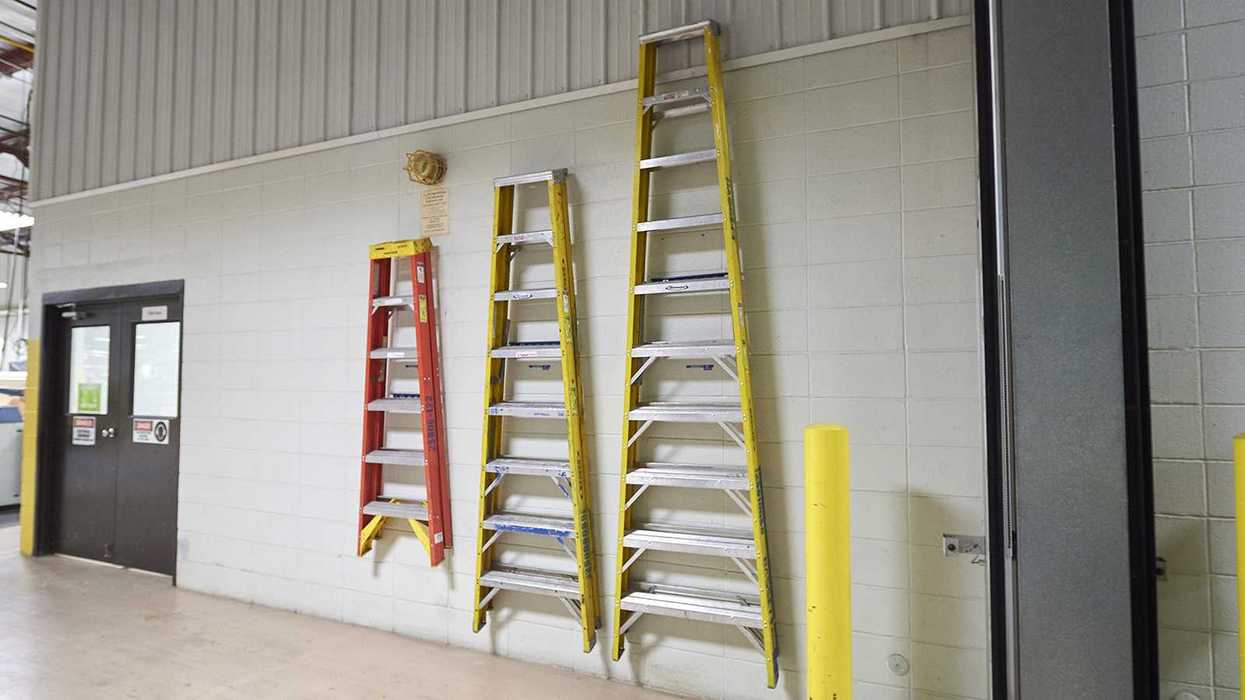
Ladders were the cause of over 22,000 workplace injuries and 161 deaths in 2020. Each March, the American Ladder Institute promotes ladder safety awareness with the goal of reducing ladder-related injuries and fatalities. Every Step Matters was the theme of this year’s National Ladder Safety Month.
Stand Up 4 Grain Safety Week kicked off on March 24. This annual event brings attention to preventable grain handling hazards and promotes safety in this high-hazard industry.
Federal agencies must review their regulations and report back to the White House by April 20. The priority is on “significant” rules, generally considered to be those with an annual effect on the economy of 100 million dollars or more. Once the regulations have been identified, the Office of Management and Budget and the Department of Government Efficiency will work with agency leaders to create a plan for rescinding or modifying the regulations and begin winding down their enforcement.
A highwall fatality at a surface mine prompted the Mine Safety and Health Administration to issue a safety alert. It outlines what miners should do to prevent similar incidents, including looking for hazards such as loose rocks and overhangs before beginning work.
The American Society of Safety Professionals revised its construction training standard. It outlines training requirements for new hires in construction and demolition operations, site procedures, regulatory compliance, and more.
And finally, turning to environmental news, EPA will reconsider a number of major rulemakings that may impact a variety of industries. This is in response to an executive order that federal agencies review their regulations. Among the rules under consideration include those related to clean power, oil and gas emission limits, greenhouse gas reporting, and risk management.
EPA’s Waste Emissions Charge on petroleum and natural gas facilities with high methane emissions is no longer in effect. The rule initially took effect in January and was then disapproved by Congress on March 14.
Thanks for tuning in to the monthly news roundup. We’ll see you next month!
NewsEnforcement and Audits - OSHAToxic Substances Control Act - EPATSCA ComplianceForklifts and Powered TrucksMonthly Roundup VideoPIT Training RequirementsUSAHazard CommunicationEnglishOSHA Emphasis ProgramsIndustry NewsSafety & HealthToxic Substances - EPAGeneral Industry SafetyAgriculture SafetySpecialized IndustriesEnvironmentalHazard CommunicationGrain HandlingFocus AreaVideo
EHS Monthly Roundup - March 2023
This monthly video spotlights EHS news highlights from March 2023.
Hi everyone! Welcome to the monthly news roundup video, where we’ll review the most impactful environmental, health, and safety news. Please view the content links in the transcript to take a deeper dive into the topics I’ll be covering today. With that said, let’s get started!
First, let’s take a look at what’s happening in safety and health. OSHA revised its combustible dust national emphasis program. It adds several industries with a higher likelihood of having combustible dust hazards.
California’s Safety and Health Appeals Board says drinking water must be “as close as practicable” to outdoor employees.
The Pipeline and Hazardous Materials Safety Administration says that some forklift operators may be considered hazmat employees. If operators handle hazmat cargo, such as moving it from the truck to an aircraft, they need hazmat training.
OSHA posted a letter of interpretation that answers hazard communication questions related to lithium batteries. The agency says workers may be exposed to hazards during storage, handling, and maintenance activities.
Stand Up 4 Grain Safety Week was held the week of March 27. Employers were encouraged to hold toolbox talks or safety demonstrations related to grain handling and storage.
Turning to environmental news, EPA issued significant new use rules for chemical substances that were the subject of premanufacture notices. This change brings added reporting and recordkeeping.
Thanks for tuning in to the monthly news roundup. We’ll see you next month!
NewsAir QualityEnforcement and Audits - OSHAMonthly Roundup VideoCAA ComplianceFire Protection and PreventionUSAInjury and Illness RecordkeepingEnglishHeat StressOSHA Violations and PenaltiesIndustry NewsHeat and Cold ExposureEnforcement and Audits - OSHACrystalline SilicaSafety & HealthInjury and Illness RecordkeepingConstruction SafetyGeneral Industry SafetyEnvironmentalFocus AreaFire Protection and PreventionAir ProgramsToxic and Hazardous Substances - OSHAVideo
EHS Monthly Round Up - September 2024
In this September 2024 video, we'll review the most impactful environmental, health, and safety news.
Hi everyone! Welcome to the monthly news roundup video, where we’ll review the most impactful environmental, health, and safety news. Please view the content links in the transcript for more information about the topics I’ll be covering today. Let’s get started!
OSHA published its proposed heat illness rule on August 30. It applies to both indoor and outdoor work in general industry, construction, agriculture, and maritime. Comments on the proposal will be accepted until December 30. OSHA encourages both employers and workers to submit comments.
Fall protection for construction remained number one on OSHA’s list of Top 10 violations for the 14th year in a row. There was little movement among the other Top 10 entries, with Hazard Communication at number 2 and ladders at number 3.
OSHA may exclude volunteer emergency response organizations from its proposed emergency response rule. During the rule’s public comment period, the agency received numerous comments that raised serious economic feasibility concerns.
During its silica enforcement inspections, OSHA also found violations of the hazard communication, respiratory protection, and noise standards. Over 200 companies were targeted as part of the agency’s respirable crystalline silica emphasis program.
Employers can view workplace injury and illness trends using OSHA’s Severe Injury Report dashboard. This new online tool allows users to search the agency’s severe injury report database. Severe injuries and illnesses are those that result in inpatient hospitalization, amputation, or loss of an eye.
And finally, turning to environmental news, an EPA final rule impacts facilities that reclassify from major to area source status under the National Emission Standards for Hazardous Air Pollutants program. These facilities must continue to meet the major source emission standards for seven hazardous air pollutants.
Thanks for tuning in to the monthly news roundup. We’ll see you next month!
Most Recent Highlights In Human Resources

NewsGreenhouse GasesEnforcement and Audits - OSHAMonthly Roundup VideoCAA ComplianceFire Protection and PreventionUSAEnglishOSHA Violations and PenaltiesAir ProgramsIndustry NewsEnforcement and Audits - OSHASafety & HealthConstruction SafetyGeneral Industry SafetyEnvironmentalFocus AreaFire Protection and PreventionAir ProgramsVideo
EHS Monthly Round Up - October 2025
In this October 2025 roundup video, we'll review the most impactful environmental health and safety news.
Hi everyone! Welcome to the monthly news roundup video, where we’ll review the most impactful environmental health and safety news. Let’s take a look at what happened in the last month!
On October 7th, David Keeling was confirmed by the Senate as OSHA’s new Assistant Secretary of Labor. During his confirmation hearing, Keeling stated that “nothing is more beneficial than collaboration between employers and employees” and shared his three main goals for the agency. These are modernization in regulatory oversight and rulemaking, expanding OSHA’s cooperation and collaboration efforts, and transforming OSHA’s enforcement.
In a landmark opinion, an appeals court offers a framework to revive federal rulemakings, such as OSHA’s Ergonomics Program rule. The rule was previously struck down by the Congressional Review Act in 2001. The latest court decision loosens the grip that the Act has had for almost 25 years. This makes it feasible for agencies like OSHA, EPA, and others to give long-gone rules a second chance. It gives OSHA a path to publish a narrow or different ergonomics rule in the future.
OSHA quietly archived a memo from 2024 that had suggested its enforcement offices may refrain from grouping violations where those offenses are separate and distinct. In some cases, ungrouping raises the total penalty for an inspection. An OSHA spokesperson said the memo was determined to be unnecessary since agency policy in its Field Operations Manual provides clear guidance to OSHA field staff on when citation item grouping may be considered.
The NFPA’s Fire Prevention Week kicked off October 5th with a theme of lithium-ion battery safety in the home. Reports of fires and explosions involving lithium-ion batteries have been on the rise. NFPA provides information and guidance on how to safely use, handle, and recycle them.
And finally, turning to environmental news, the California Air Resources Board submitted comments opposing EPA’s proposal to overturn its 2009 Endangerment Finding. The Endangerment Finding has guided federal actions to address greenhouse gas pollution. CARB’s comments note that EPA’s proposal ignores more than 15 years of its own research and regulations and emphasizes that the agency is obligated to address greenhouse gas emissions and adopt strong standards to reduce them. EPA received over 15 thousand comments on its proposal.
Thanks for tuning in to the monthly news roundup. We’ll see you next month!
NewsEnforcement and Audits - OSHAConfined SpacesConfined Space HazardsMonthly Roundup VideoCAA ComplianceUSAEnglishOSHA Violations and PenaltiesIndustry NewsEnforcement and Audits - OSHASafety & HealthInfectious DiseasesCOVID-19General Industry SafetyShipyard OperationsSpecialized IndustriesEnvironmentalFocus AreaVideo
EHS Monthly Roundup - February 2023
This monthly video spotlights EHS news highlights from February 2023.
Hi everyone! Welcome to the monthly roundup video, where we’ll review the most impactful environmental, safety, and health news.
First, let’s take a look at what’s happening in safety and health. Machine guarding and hazard communication topped OSHA’s list of most frequently cited serious violations in fiscal year 2022. Over 1,300 citations were issued for machine guarding and over 1,800 were issued for HazCom.
Effective March 26, OSHA will cite certain types of violations as “instance-by-instance” citations, when inspectors identify high-gravity, serious violations specific to the following: falls, trenching, machine guarding, respiratory protection, permit required confined space, and lockout/tagout, as well as other-than-serious violations specific to recordkeeping.
California’s COVID-19 prevention non-emergency regulations, which require employers to protect workers from the hazards related to COVID-19, took effect February 3, and will remain in effect for two years.
A new OSHA fact sheet outlines measures to protect shipyard employees from the physical hazards of confined spaces. In the maritime sector, physical hazards in confined spaces can increase a worker’s risk of injury.
OSHA says it will withdraw its proposal to revoke Arizona’s State Plan. The state has taken measures to remain compliant with federal OSHA. However, OSHA continues to work closely with Arizona to address other state-plan concerns that weren’t part of its original withdrawal proposal.
And turning to environmental news, EPA issued a rule that finalizes first-time standards for inorganic hazardous air pollutants in miscellaneous coating manufacturing that will limit emissions and require effective controls. Final amendments include provisions for inorganic hazardous air pollutant standards for process vessels. The rule took effect February 22.
Thanks for tuning in to the monthly news roundup. We'll see you next month!

NewsSARA ComplianceEnforcement and Audits - OSHACERCLA, SARA, EPCRAElectronic Reporting of Injury and Illness RecordsMine SafetyVideoMonthly Roundup VideoInjury and Illness RecordkeepingEnglishIndustry NewsRelease NotificationsOSHA InspectionsSafety & HealthGeneral Industry SafetyEnvironmentalSARA ComplianceFocus AreaUSA
EHS Monthly Round Up - April 2024
In this monthly roundup video, we’ll review the most impactful environmental, safety, and health news.
Hi everyone! Welcome to the monthly news roundup video, where we’ll go over the most impactful environmental, health, and safety news. Please view the content links in the transcript for more information about the topics I’ll be covering today. Let’s get started!
OSHA’s worker walkaround rule takes effect May 31st. It expands the criteria for who employees can authorize to act as their representative during an inspection.
Between 2015 and 2022, there were about 1,500 worker injuries involving food processing machinery. A new OSHA alert raises awareness of these hazards. It addresses hazard recognition, corrective measures, and workers’ rights.
The National Institute for Occupational Safety and Health (NIOSH) seeks stakeholder input on protecting outdoor workers from wildfire smoke. The agency intends to develop a hazard review document that provides recommendations to protect workers.
The Mine Safety and Health Administration published a final rule that lowers miners’ exposure to silica dust. It also revises the standard to reflect the latest advances in respiratory protection and practices.
OSHA released 2023 injury and illness data. The agency provides public access to this information in an effort to identify unsafe conditions and workplace hazards that may lead to injuries and illnesses.
And turning to environmental news, EPA finalized a rule to designate two widely used PFAS as hazardous substances under the Comprehensive Environmental Response, Compensation, and Liability Act, or CERCLA. The rule requires immediate release notifications for the two PFAS. It also gives EPA the authority to hold polluters responsible for contamination.
Thanks for tuning in to the monthly news roundup. We’ll see you next month!

NewsEnforcement and Audits - OSHAToxic Substances Control Act - EPAToxic Subtances Control Act - EPAPersonal Protective EquipmentTSCA ComplianceMonthly Roundup VideoUSAEnglishHeat StressIndustry NewsHeat and Cold ExposureEnforcement and Audits - OSHASafety & HealthGeneral Industry SafetyGeneral Duty ClauseEnvironmentalRespiratory ProtectionGeneral Duty ClauseFocus AreaVideo
EHS Monthly Round Up - June 2025
In this June 2025 monthly roundup video, we'll review the most impactful environmental health and safety news.
Hi everyone! Welcome to the monthly news roundup video, where we’ll review the most impactful environmental health and safety news. Let’s take a look at what’s happened over the last month!
Two never-before-mentioned rulemakings reached the Office of Management and Budget for review on June 18. The two actions (one on respiratory protection and the other on the General Duty Clause) are only at the proposed rule stage, so stakeholders will have a chance to comment. At this time, it’s unclear whether the proposals are regulatory or de-regulatory. We’ll provide an update in a future monthly roundup as more information becomes available.
OSHA updated its Site-Specific Targeting program to reflect the use of Form 300A data for calendar years 2021 through 2023. This is OSHA’s primary planned inspection program for general industry establishments with 20 or more employees with the highest injury and illness rates. OSHA uses the data to target establishments for inspection.
Each year, backover incidents lead to serious injuries and fatalities in construction zones and workplaces. These incidents happen when drivers lose sight of people, objects, or vehicles behind them. To help prevent these incidents, OSHA launched #MirrorCheck, an initiative to raise awareness of safe work practices that can prevent backovers.
Effective June 27, Kentucky’s occupational safety and health standards are limited to those enforced by federal OSHA. The state will no longer adopt, promulgate, or enforce rules that are more stringent than federal OSHA. Kentucky operates an OSHA-approved State Plan covering most private sector workers and all state and local government workers.
As part of its Heat Illness Prevention campaign, OSHA has added two new resources for employers. One is a customizable guide for creating a toolbox talk on handling heat emergencies. The other explains the risks of heat illness for young workers.
And finally, turning to environmental news, EPA has again delayed the deadline for submitting data on 16 chemical substances required by the Toxic Substances Control Act Health and Safety Data Reporting rule. Manufacturers now have until May 22, 2026, to report on all of the covered chemical substances.
Thanks for tuning in to the monthly news roundup. We’ll see you next month!
NewsAir QualityEnforcement and Audits - OSHAVideoWalking Working SurfacesCAA ComplianceUSALaddersEnglishIndustry NewsOSHA InspectionsAir ProgramsSpecialized IndustriesEnvironmentalGrain HandlingFocus AreaMonthly Roundup Video
EHS Monthly Round Up - March 2024
In this monthly roundup video, we’ll review the most impactful environmental, safety, and health news.
Hi everyone! Welcome to the monthly news roundup video, where we’ll go over the most impactful environmental, health, and safety news. Please view the content links in the transcript for more information about the topics I’ll be covering today. Let’s get started! The Office of Management and Budget completed its review of OSHA’s worker walkaround final rule on March 20. The next step is publication in the Federal Register. The rule expands the criteria for who employees can authorize to act as their representative during an OSHA inspection.
Stand Up 4 Grain Safety Week was held the week of March 25. This annual event brings attention to hazards in the grain handling and storage industry and encourages employers to focus on safe work practices.
Over 100 people die in ladder-related deaths each year, and thousands more suffer disabling injuries. During Ladder Safety Month, which is held each March, the American Ladder Institute promotes ladder safety to decrease the number of injuries and fatalities.
Between 2010 and 2023, 11 miners drowned in incidents involving submerged mobile equipment. In response, the Mine Safety and Health Administration issued a safety alert. It recommends measures miners should take when operating equipment near water.
And finally, turning to environmental news, EPA finalized amendments to its Risk Management Program in an effort to improve safety at facilities that use and distribute hazardous chemicals. The rule seeks to improve chemical process safety; assist in planning for, preparing for, and responding to accidents; and increase public awareness of chemical hazards at regulated sites.
Thanks for tuning in to the monthly news roundup. We’ll see you next month!
New Network Poll


No active poll
Please come back soon!
Most Popular Highlights In Environmental
NewsGreenhouse GasesAir QualityEnforcement and Audits - OSHAAir EmissionsMonthly Roundup VideoCAA ComplianceUSAHazard CommunicationEnglishOSHA Violations and PenaltiesIndustry NewsOSHA InspectionsSafety & HealthConstruction SafetyGeneral Industry SafetyEnvironmentalFocus AreaHazard CommunicationAir ProgramsVideo
EHS Monthly Round Up - September 2026
In this September 2026 roundup video, we'll review the most impactful environmental, health, and safety news.
Hi everyone! Welcome to the monthly news roundup video, where we’ll review the most impactful environmental health and safety news. Let’s take a look at what happened over the past month.
For the 16th consecutive year, fall protection for construction topped OSHA’s list of most frequently cited standards. Preliminary inspection data for fiscal year 2026 show that OSHA recorded just over 4,000 fall protection construction violations, down from nearly 6,000 in FY 2025. The standards rounding out the Top 10 list remain unchanged from previous years, though some rankings have shifted.
The next HazCom compliance deadline is coming up on November 20. Employers who purchase substances that are aerosols, desensitized explosives, and flammable gases will receive – or may already have received – revised safety data sheets and see updated labels with their shipments. In addition, all employers must, as necessary, update any alternative workplace labeling, update their HazCom training program, and provide additional employee training for any newly identified hazards. Employers also must retain any new SDSs they receive.
California's Occupational Safety and Health Standards Board released a revised discussion draft of its proposed workplace violence prevention rule for general industry. The draft better defines employer responsibilities under the state’s workplace violence prevention law.
Turning to environmental news, EPA repealed the majority of the greenhouse gas emission standards established by the 2024 Carbon Pollution Standards for fossil fuel-fired power plants. The agency also proposes to remove the remaining GHG emission requirements for these plants.
And finally, EPA extended the Renewable Fuel Standard compliance deadline from September 1 to October 1. The extension gave parties more time to assess the impact of EPA’s small refinery exemption decisions and adjust their strategies before completing their 2025 reporting obligations.
Thanks for tuning in to the monthly news roundup. We’ll see you next month!

NewsGreenhouse GasesIndustry NewsAir EmissionsEnvironmental Protection Agency (EPA)Air ProgramsCAA ComplianceEnvironmentalIn-Depth ArticleEnglishFocus AreaStationary Emission SourcesUSA
2026-10-02T05:00:00Z
Repealing GHG emission standards for power plants: Reasons why and how to respond
Federal regulations restrict air emissions of specific substances from fossil fuel-fired power plants. However, with most of the requirements under one rule recently repealed, these power plants can breathe a little easier when it comes to compliance.
In its continued deregulatory efforts, the Environmental Protection Agency (EPA) repealed a majority of the greenhouse gas (GHG) emission requirements established by the 2024 Carbon Pollution Standards (CPS). Issued on September 17, 2026, the final rule provides a range of reasons for repealing the affected standards.
Use this guide to help you understand EPA’s recent partial repeal of the 2024 CPS (including the reasons behind it) and how facilities should respond.
Is my facility impacted?
The final rule’s rollback of GHG emission standards applies to fossil fuel-fired power plants, specifically:
- Fossil fuel-fired electric utility steam generating units, and
- Stationary combustion turbine electric generating units (EGUs).
Which requirements were removed?
The agency’s final rule repeals:
- All 2024 CPS emission guidelines for existing coal-, oil-, and natural gas-fired steam generating units (40 CFR Part 60 Subpart UUUUb in its entirety);
- The 2024 CPS carbon capture and sequestration/storage (CCS)-based requirements for coal-fired steam generating units undertaking a large modification (Part 60 Subpart TTTTa); and
- The 2024 CPS CCS-based standards for new base load stationary combustion turbines (Part 60 Subpart TTTTa).
Affected facilities no longer have to comply with the repealed GHG mitigation measures set by the 2024 CPS.
Why did EPA repeal these GHG emission standards?
The final rule states that the agency based its decision on a reevaluation of the best systems of emission reduction (BSERs) established by the 2024 CPS. The Clean Air Act requires EPA to base performance standards on BSERs that are adequately demonstrated. Once BSERs are established, EPA then sets emission requirements based on the application of the BSERs.
The 2024 CPS required:
- Existing long-term fossil fuel-fired EGUs to comply with an emission limit based on implementing a BSER of 90 percent CCS of carbon dioxide by January 1, 2032;
- Existing medium-term EGUs (i.e., units committed to stop operations by 2039) to comply with an emission limit based on implementing a BSER of 40 percent natural gas co-firing by January 1, 2030;
- Natural gas- and oil-fired EGUs to implement certain BSERs (including routine methods of operation and maintenance for intermediate load units and uniform fuels for low load units); and
- New base load stationary combustion turbines to comply with phase 2 standards based on a BSER of 90 percent CCS of carbon dioxide by January 1, 2032.
90 percent CCS
EPA determined that 90 percent CCS isn’t the BSER for long-term coal-fired steam generating units because:
- The BSER hasn’t been adequately demonstrated;
- The BSER imposes unreasonable costs; and
- The infrastructure needed to comply with the BSER likely can’t be deployed by the January 1, 2032, compliance date (which means the degree of emission limitation wouldn’t be achievable).
Additionally, EPA determined that 90 percent CCS isn’t the BSER for coal-fired steam generating units undertaking a large modification because the BSER hasn’t been adequately demonstrated and imposes unreasonable costs.
40 percent natural gas co-firing
The agency determined that 40 percent co-firing with natural gas isn’t the BSER for existing medium-term coal-fired steam generating units because it constitutes generation shifting (which the Supreme Court ruled impermissible in West Virginia v. EPA (2022)). Generation shifting refers to a forced shift of nationwide electricity generation from one source to another. In this case, the natural gas co-firing standard would require coal-fired boilers to use natural gas, a completely different fuel source.
It also found that this BSER would have adverse impacts on the energy system. Further, the infrastructure needed to comply with the BSER likely can’t be deployed by the January 1, 2030, compliance date (which means the degree of emission limitation wouldn’t be achievable).
Natural gas- and oil-fired steam generating unit requirements
EPA also determined that the BSERs for natural gas- and oil-fired steam generating units are unnecessary.
It concluded that:
- Requiring states to develop, submit, and implement plans only for natural gas- and oil-fired steam generating units would be an inefficient use of state resources because these units account for a small part of the source category; and
- The BSERs would result in little or no emission reductions.
Phase 2 standards
Finally, the agency determined that 90 percent CCS isn’t the BSER for new base load stationary combustion turbines because:
- The BSER hasn’t been adequately demonstrated;
- The BSER imposes unreasonable costs; and
- The infrastructure needed to comply with the BSER likely can’t be deployed by the January 1, 2032, compliance date (which means the degree of emission limitation wouldn’t be achievable).
How should facilities respond?
Consider these tips to help your facility determine how it may be affected by EPA’s repeal of these federal GHG emission standards:
- Determine if your facility is subject to any regulations established by the 2024 CPS.
- If so, verify whether any of the repealed federal GHG emission standards applied to your facility.
- If any of the repealed federal GHG emission standards applied, evaluate the possible impacts on your facility’s operations.
- Adjust operations and processes as needed.
- Don’t forget to check state requirements! Most air emission permits are issued by state or local air agencies. State regulations must be at least as stringent as federal requirements, but they could also be stricter. Confirm GHG emission standards with your permitting authority.
Key to remember: EPA has repealed a majority of the GHG emission requirements established by the 2024 Carbon Pollution Standards rule.

NewsIndustry NewsIndustry NewsToxic Substances Control Act - EPAToxic Subtances Control Act - EPATSCA ComplianceToxic Substances - EPAEnvironmental Protection Agency (EPA)EnvironmentalEnglishFocus AreaUSA
2026-04-13T05:00:00Z
EPA delays TSCA Section 8(a)(7) PFAS reporting timeline again
On April 13, 2026, the Environmental Protection Agency (EPA) published a final rule that further delays the submission period for the one-time report required of manufacturers on per- and polyfluoroalkyl substances (PFAS) by the PFAS Reporting and Recordkeeping Rule (PFAS Reporting Rule).
This final rule pushes the starting submission period to either 60 days after the effective date of a future final rule updating the PFAS Reporting Rule or January 31, 2027, whichever is earlier.
Who’s impacted?
Established under Toxic Substances Control Act (TSCA) Section 8(a)(7), the PFAS Reporting Rule (40 CFR Part 705) requires any business that manufactured (including imported) any PFAS or PFAS-containing article between 2011 and 2022 to report. Covered manufacturers and importers must submit information on:
- Chemical identity, uses, and volumes made and processed;
- Byproducts;
- Environmental and health effects;
- Worker exposure; and
- Disposal.
What’s the new timeline?
The opening submission period was moved from April 13, 2026, to either 60 days after the effective date of a future final PFAS Reporting Rule or January 31, 2027, whichever is earlier.
Most manufacturers have 6 months to submit the report. Small manufacturers reporting only as importers of PFAS-containing articles have 1 year.
| TSCA Section 8(a)(7) PFAS Reporting Rule submission period | ||
|---|---|---|
| Start date | End date | |
| Most manufacturers | 60 days from effective date of final PFAS Reporting Rule or January 31, 2027 (whichever is earlier) | 6 months from start date or July 31, 2027 (whichever is earlier) |
| Small manufacturers reporting solely as PFAS article importers | 60 days from effective date of final PFAS Reporting Rule or January 31, 2027 (whichever is earlier) | 1 year from start date or January 31, 2028 (whichever is earlier) |
Why the delay?
In November 2025, the agency proposed updates to the PFAS Reporting Rule. EPA has delayed the reporting period to give the agency time to issue a final rule (expected later this year).
Key to remember: EPA has delayed the starting submission deadline for the TSCA Section 8(a)(7) PFAS Reporting Rule from April 2026 to no later than January 2027.
NewsGreenhouse GasesIndustry NewsIndustry NewsEnvironmental Protection Agency (EPA)Air ProgramsCAA ComplianceEnvironmentalEnglishFocus AreaAir ProgramsUSA
2026-09-17T05:00:00Z
EPA repeals most 2024 Carbon Pollution Standards for fossil fuel-fired power plants
On September 17, 2026, the Environmental Protection Agency (EPA) finalized a rule repealing a majority of the greenhouse gas (GHG) emission requirements established by the 2024 Carbon Pollution Standards (CPS) for fossil fuel-fired power plants. The agency also issued a supplemental proposed rule to rescind all other GHG emission standards for fossil fuel-fired power plants.
Who’s impacted?
EPA’s final rule applies to the fossil fuel-fired electric generating unit (EGU) source category, including:
- Fossil fuel-fired electric utility steam generating units, and
- Stationary combustion turbine EGUs.
The final rule specifically impacts:
- Existing fossil fuel-fired steam generating EGUs (subject to 40 CFR Part 60 Subpart UUUUb),
- Coal-fired steam generating units conducting a large modification (subject to Part 60 Subpart TTTTa), and
- New base load stationary combustion turbines (subject to Part 60 Subpart TTTTa).
Final rule: Repeal 2024 CPS regulations
The agency finalized the alternative option from its June 2025 proposed rule, repealing parts of the 2024 CPS and revising the associated best system of emission reduction (BSER) determinations.
EPA’s final rule removes most of the 2024 CPS regulations, including:
- The emission guidelines for existing coal-, oil-, and natural gas-fired steam generating units (the entirety of Part 60 Subpart UUUUb);
- The carbon capture and sequestration/storage (CCS)-based standards for coal-fired EGUs conducting a large modification; and
- The CCS-based standards for new base load stationary combustion turbines (the Phase 2 standards).
The final rule doesn’t repeal or revise the 2024 CPS efficiency-based standards for new stationary combustion turbines (the Phase 1 standards). However, EPA addresses them in the supplemental proposed rule.
Proposed rule: Repeal remaining GHG emission requirements
EPA also issued a supplemental proposed rule to rescind all remaining GHG emission requirements for fossil fuel-fired power plants, including the Phase 1 standards for new stationary combustion turbines. It would require the same regulatory changes as the June 2025 proposed rule but for different reasons.
The supplemental proposed rule would repeal all GHG emission standards in 60 Subparts TTTT and TTTTa for the fossil fuel-fired EGU source category, including the 2015 New Source Performance Standards (NSPS) and the 2024 CPS.
Specifically, EPA would repeal the:
- Partial CCS-based standards for new and efficiency-based standards for reconstructed or modified steam generating units and integrated gasification combined cycle facilities, and
- Efficiency-based standards for new or reconstructed stationary combustion turbines.
If the rule is finalized as proposed, fossil fuel-fired EGUs would no longer be required to comply with the GHG emission standards established under the 2015 NSPS or the 2024 CPS regulations.
Key to remember: EPA’s final rule repeals a majority of the greenhouse gas (GHG) emission standards established by the 2024 Carbon Pollution Standards for fossil fuel-fired power plants. The agency also proposes to remove the remaining GHG emission requirements for fossil fuel-fired power plants.
NewsEnforcement and Audits - OSHANon-Point SourcesToxic Substances Control Act - EPASafety and Health Programs and TrainingToxic Subtances Control Act - EPATSCA ComplianceWater ProgramsWater QualityMonthly Roundup VideoMiningSafety and Health Programs and TrainingUSACWA ComplianceEnglishOSHA Emphasis ProgramsIndustry NewsWater PermittingSafety & HealthNew Source PerformanceGeneral Industry SafetySpecialized IndustriesEnvironmentalFocus AreaVideo
EHS Monthly Round Up - August 2026
In this August 2026 monthly roundup video, we'll review the most impactful environmental health and safety news.
Hi everyone! Welcome to the monthly news roundup video, where we’ll review the most impactful environmental health and safety news. Let’s take a look at what happened over the past month.
Citing elevated injury and illness rates, OSHA relaunched a National Emphasis Program, or NEP, on Warehousing and Distribution Center Operations. Retail operations are no longer targeted by this NEP, as they were previously. Inspectors will focus on common hazards in warehousing and distribution such as powered industrial vehicle operations, materials handling and storage, and fire protection. The NEP also offers OSHA greater discretion in whether to expand an inspection.
OSHA state-plan enforcement continued to gain momentum in fiscal year 2025. In an upward trend, inspection numbers, violation counts, and penalty amounts all increased. The latest data stem from the Occupational Safety and Health Plan Association’s Grassroots Worker Protection report.
OSHA’s Safe+Sound Week was held August 10 through the 16. The event gave employers an opportunity to highlight their safety and health programs and bring attention to common workplace hazards.
The Mine Safety and Health Administration reopened the comment period for proposed changes to the approval criteria for its mine roof control and ventilation plans. The new deadline for comments is September 30.
Turning to environmental news, EPA extended the compliance dates of certain Workplace Chemical Protection Program requirements for perchloroethylene and carbon tetrachloride. The revised deadlines affect facilities subject to the TSCA PCE and CTC risk management rules finalized in 2024.
And finally, EPA published a proposed 2027 general stormwater permit for construction. It applies to construction activities in areas where EPA is the NPDES permitting authority, including Massachusetts, New Hampshire, New Mexico, and the District of Columbia. If finalized, the rule will replace the existing 2022 permit, which expires in early 2027.
Thanks for tuning in to the monthly news roundup. We’ll see you next month!

NewsIndustry NewsIndustry NewsWaste ManifestsWaste/HazWasteToxic Substances Control Act - EPAWaste HandlersTSCA ComplianceWasteEnvironmental Protection Agency (EPA)EnvironmentalEnglishPolychlorinated BiphenylsFocus AreaUSA
2026-03-06T06:00:00Z
EPA proposes electronic-only hazardous waste manifests
On March 5, 2026, the Environmental Protection Agency (EPA) issued a proposed rule to end the use of paper hazardous waste manifests and require waste handlers to use electronic manifests on the Hazardous Waste Electronic Manifest (e-Manifest) System to track all shipments of hazardous waste regulated under the Resource Conservation and Recovery Act (RCRA).
What are the proposed changes?
EPA proposes to “sunset” (i.e., phase out) the use of paper manifests and shift to using only electronic manifests (either fully electronic or hybrid) to track RCRA hazardous waste shipments.
The sunset compliance date would be 2 years from the publication date of a final rule. On and after the sunset compliance date, EPA would no longer accept paper hazardous waste manifests (image-only and data-plus-image submission types). In other words, regulated waste handlers would have to use fully electronic or hybrid manifests on the e-Manifest System for all hazardous waste shipments initiated on and after the sunset compliance date.
Who would be impacted?
The proposed rule would affect waste handlers involved in manifesting hazardous waste, including:
- Generators,
- Transporters, and
- Receiving facilities.
Many of the proposed changes would align RCRA regulations with the shift to electronic-only manifesting and with the 2024 e-Manifest Third Rule’s changes. The proposed rule also contains technical corrections to import and export regulations.
Additionally, EPA’s proposed rule would add requirements for:
- Very small quantity generators (VSQGs) managing episodic events,
- RCRA hazardous waste transporters,
- Healthcare facilities and reverse distributors subject to RCRA’s hazardous waste pharmaceutical requirements,
- Certain polychlorinated biphenyl (PCB) waste generators,
- PCB waste transporters, and
- Hazardous waste treatment or storage facilities with standardized RCRA permits.
Examples of these requirements include:
- Mandating specific waste handlers to register with the e-Manifest System;
- Requiring VSQGs, healthcare facilities, and reverse distributors to submit data corrections to the e-Manifest System within 30 days of a request from EPA or an authorized state; and
- Requiring hazardous waste generators and PCB waste generators to identify brokers on the manifest.
EPA will accept public comments on the proposed rule (Docket ID No. EPA-HQ-OLEM-2025-3456) through May 4, 2026.
Key to remember: EPA proposes to end the use of paper manifests and require waste handlers to use electronic manifests to track all RCRA hazardous waste shipments.
Most Popular Highlights In Transportation
NewsIndustry NewsFederal Motor Carrier Safety RegulationsFleet SafetyHours of ServiceHours of ServiceFocus AreaIn-Depth ArticleEnglishTransportationBusiness planning - Motor CarrierUSA
2026-10-05T05:00:00Z
FMCSA restores 30-day emergency HOS exemption period
The Federal Motor Carrier Safety Administration (FMCSA) has finalized a rule change to ease hours-of-service (HOS) restrictions on drivers doing emergency-response work.
The change to 49 CFR 390.23(b), effective October 5, 2026, means drivers responding to regional, government-declared emergencies will once again be exempted from HOS limits for up to 30 days, rather than just 14. This reverts the rule back to what it was prior to 2023.
For carriers responding to hurricanes, wildfires, winter storms, fuel shortages, and other emergencies, the change removes a significant administrative burden given that emergency-response work often takes more than two weeks to conclude.
What changed?
Under 49 CFR 390.23, certain emergency declarations trigger temporary relief from federal HOS requirements for drivers providing direct assistance during a declared emergency.
Importantly, those HOS requirements include the driving limits and rest requirements, but not the need to complete logs or use electronic logging devices and keep supporting documents.
In October 2023, the FMCSA reduced the automatic exemption period from 30 days to 14 days. Industry groups argued that many emergencies last longer than two weeks, forcing carriers and industry organizations to request extensions. The FMCSA agreed and has now reversed that change.
The new final rule simply replaces the number “14” with “30” in 390.23(b), restoring the pre-2023 timeframe.
The FMCSA emphasized that emergency exemptions remain limited to commercial motor vehicles providing direct assistance during a declared emergency. The exemption is not a blanket suspension of compliance requirements for all carriers operating in the affected region.
Don’t overlook the limits
Keep in mind that emergency exemptions are narrowly focused. The relief applies only when drivers are providing direct assistance related to the declared emergency, with “direct assistance” and “emergency” carrying specific definitions in 390.5T. Once a driver is no longer engaged in emergency-related operations, normal compliance obligations return.
Drivers claiming the exemption must comply with all HOS rules apart from those in 395.3 and 395.5, which contain the basic driving, on-duty, and rest requirements. Drivers are not exempt from the prohibition on fatigued driving in 392.3.
Note that drivers may claim the exemption in all states on their way to the region where the emergency was declared, even if those states may not be involved in the emergency or listed in the declaration of emergency.
There is no requirement to carry a copy of the declaration in the vehicle unless stated so in the declaration itself. The FMCSA recommends that drivers and carriers coordinate with state emergency officials before providing assistance. State regulations regarding size and weight, permits, taxes, etc. may not have been waived.
In addition, the exemption period is not always a guaranteed 30 days; emergency declarations may end or be rescinded sooner.
Key to remember: The FMCSA has restored a rule allowing drivers doing certain types of emergency-response work to be exempt from certain hours-of-service rules for up to 30 days rather than 14.

NewsRisk Assessment and ManagementIndustry NewsFleet SafetyDrug and Alcohol Testing - DOTRisk Assessment and ManagementFocus AreaIn-Depth ArticleSafety-sensitive function - Motor CarrierEnglishTransportationUSA
2023-04-13T05:00:00Z
Workplace vs. FMCSA: What is a safety-sensitive position?
A workplace safety definition for “safety-sensitive position” may lead some motor carriers to mistakenly put employees who don’t qualify in their DOT drug and alcohol testing program.
FMCSA: Clearly defined
The Federal Motor Carrier Safety Administration (FMCSA) clearly defines a safety-sensitive position.
It is one where the employee is expected to operate a commercial motor vehicle (CMV) requiring a commercial driver’s license (CDL). Only these drivers can be placed in the motor carrier’s DOT drug and alcohol testing program under 49 CFR Part 382.
As a result, a carrier would not classify a forklift operator, driver helper, and other positions as safety sensitive for purposes of testing under Part
What about non-CDL CMV drivers?
A driver who operates an FMCSA-regulated vehicle that does not require a CDL fits within the scope of workplace safety-sensitive duties, but not FMCSA.
For property-carrying vehicles, a non-CDL CMV is one that is:
- 10,001-26,000 pounds inclusive of a towed trailer, and
- Not transporting placardable quantities of hazmat.
For passenger carriers, a non-CDL CMV is designed to transport 9-15 passengers, including the driver, for compensation.
Even though the above vehicles and drivers are subject to the bulk of FMCSA’s safety regulations, the vehicles (and subsequently the drivers) do not qualify for CDL licensing or FMCSA testing.
If the driver happens to hold CDL, it still does not qualify as a safety-sensitive position. Applicability is always based on whether the employee is assigned to operate a CDL CMV.
Are non-CDL CMV drivers subject to any drug and alcohol prohibitions?
Non-CDL CMV drivers are prohibited from operating while impaired under 49 CFR 392.4 and 392.5, but there is no testing mechanism under DOT authority. Testing would be best practice (non-DOT) and managed under the workplace drug program.
Vague definition under OSHA
If a motor carrier mistakenly uses the workplace criteria for its DOT testing, the number and types of positions placed in the random pool far exceed commercial drivers.
For the general workforce, the term “safety sensitive” has been tossed around, but never clearly defined by OSHA (Occupational Safety and Health Administration). Many safety professionals tie the term to OSHA’s General Duty Clause (GDC), which requires that employers provide all workers with a safe and healthful workplace.
Specifically, the GDC requires employers to recognize hazards that cause or likely will cause death or serious physical harm. Any job title that is likely to cause death or serious harm to someone — including the employee, coworkers, or the general public — is usually put on a list of safety-sensitive positions.
The employer must look at each job’s hazards and decide if the position is classified by its organization as safety sensitive. Examples may include:
- Forklift drivers,
- Heavy machinery operators, and
- Crane operators.
Even someone who works as a roofer may be considered a safety-sensitive position because the employee could trip and fall from a high elevation, causing serious personal harm.
Key to remember: When assembling the list of names for your DOT testing program, only include those individuals who are expected to operate a CDL CMV.
NewsIndustry NewsHazmat SafetyHazmat: HighwayFocus AreaIn-Depth ArticleHazmat EnforcementEnglishTransportationUSA
2022-12-27T06:00:00Z
Placarding responsibility – Whose is it?
Many shippers are unaware of their responsibility to provide placards to drivers, but the responsibility shifts as soon as the driver hits the road.
Check the regulations
According to Section 172.506 of the Hazardous Materials Regulations (HMR), a shipper offering a hazardous material for transportation by highway must provide the motor carrier with the required placards for the material being offered. The shipper must offer the placards to the carrier prior to, or at the same time as, the material is offered for transportation — unless the vehicle is already placarded for the hazmat.
Section 172.506 also states that no motor carrier may transport a hazardous material in a motor vehicle unless the required placards for the hazmat are affixed to the vehicle. Before transport, the driver is responsible for displaying the required placards for all the hazmat that is on the vehicle.
Avoid issues with shippers
Many trailers are equipped with flip placards that represent most classes of hazardous materials but without adequate training, shippers may not understand their responsibility to provide the driver with the required placards. If a driver arrives and the shipper fails to provide placards, the driver should contact dispatch for additional instructions or drive to a truck stop to secure the necessary placards. The driver becomes responsible for placards as soon as the trailer enters a public highway, so train your drivers to temporarily refuse the shipment until the proper placards can be obtained. If necessary, the driver must bobtail or leave empty before driving to pick up placards.
Another common placarding question with shippers involves combination loads. If a driver arrives at a shipper’s location and is already transporting a hazardous material below the placarding threshold, is the shipper required to provide placards for the combination load on the trailer? In this scenario, the driver already has 600 pounds of a Class 8 corrosive material on the trailer, and the shipper is offering an additional 500 pounds of the same commodity. The regulations state that the shipper is only required to provide placards for the commodity that is being offered, not for the aggregate weight of both shipments. In this scenario, the driver is responsible for providing placards since it involves a combination load.
The Hazardous Materials Regulations are complex, especially for newer employees. Drivers that can speak “hazmat” to shippers often secure additional business, so be sure to train your drivers and give them the confidence to have impactful conversations with shippers.
Key to remember: Carry extra placards in case a shipper is unable to supply the required placards or a combination of hazmat on the vehicle requires different placards.

NewsIndustry NewsFleet SafetyRisk Management TransportationRisk Management - Motor CarrierVehicle TechnologyIn-Depth ArticleFleet OperationsVehicle TechnologyEnglishFocus AreaTransportationUSA
2026-09-28T05:00:00Z
3 reasons your fleet needs auxiliary cameras
Every trip presents a moment when a commercial driver must make a decision based on limited visibility, such as vehicles, pedestrians, and obstacles just outside of view.
Forward facing dash cameras are useful for documenting what happens on the road, but they capture only one angle. Auxiliary cameras give drivers and fleet managers a clearer picture of the risks surrounding a commercial vehicle. These supplemental cameras help monitor blind spots, side and rear views, and cargo areas.
Consider the following 3 benefits of investing in auxiliary cameras:
1. Better visibility where drivers need it most
Commercial vehicles frequently operate in tight loading docks, crowded truck stops, urban delivery areas, construction zones, and customer facilities. In these environments, mirrors may not provide enough information to safely complete a lane change, turn, or backing maneuver.
Side-mounted cameras can help drivers monitor blind spots and adjacent lanes. They may reveal passenger vehicles, pedestrians, cyclists, or other hazards that would otherwise be difficult to see. Rear and cargo area cameras can provide a direct view of equipment, parked vehicles, people, and obstacles behind the truck. This added visibility can be especially valuable when backing into docks or maneuvering through confined spaces.
2. More context for coaching and incident review
Auxiliary cameras do more than help prevent collisions. They also give fleet managers additional context when reviewing driving events. Footage from multiple angles can show what the driver saw, where a hazard developed, and whether a safer technique could have been used.
That fuller perspective supports more meaningful coaching. Instead of relying on assumptions or incomplete accounts, supervisors can discuss the event with the driver and identify practical ways to improve. When used appropriately, video can reinforce safe habits, support professional development, and build trust between drivers and management.
3. Clearer evidence when questions arise
Multiple camera views can help clarify what happened after an incident. A side camera may show another vehicle entering the truck’s blind spot. A rear camera may confirm that a driver checked the area and followed the company’s backing procedures. This evidence can reduce uncertainty, resolve disputes, and support a more accurate investigation.
Not a replacement for defensive driving
Auxiliary cameras cannot replace attentive driving, proper mirror use, or established safety procedures. They can, however, give drivers another valuable tool for managing difficult situations. By improving visibility, strengthening coaching, and providing clearer evidence, these cameras help fleets address risk from more than one angle.
Key to remember: When drivers have the information needed to make safer decisions, the result can be fewer preventable incidents, greater confidence behind the wheel, and a safety culture built around awareness and support.

NewsIndustry NewsEnglishFleet SafetyFocus AreaIn-Depth ArticleEnforcement - DOTRoadside InspectionsTransportationUSA
2022-07-08T05:00:00Z
What does the alphabet soup following 392.2 on a roadside inspection report mean?
One question that comes up when reviewing roadside inspection reports is, “What is the meaning of the letters that follow a violation of 392.2 on a roadside inspection report?”
‘State and local laws’
A violation of 392.2 is a violation of a local or state law, regulation, or ordinance. These must be obeyed due to 392.2, which reads, “Every commercial motor vehicle must be operated in accordance with the laws, ordinances, and regulations of the jurisdiction in which it is being operated.”
The confusion is that there are no paragraphs in 392.2, so there technically should be no letters following that section. However, to inform the driver, carrier, and the Federal Motor Carrier Safety Administration (FMCSA) what particular state or local law or regulation was involved, FMCSA has developed a system of suffix codes. The letters following “392.2” – the “suffix” — show which state or local law or regulation was involved.
When one of these codes is used, the officer should include a description of the specific violation in the “violation details” area on the actual inspection report. FYI: Summary roadside inspection reports (such as the ones visible in CSA’s SMS) do not show these details.
| For more information, see our ezExplanation on Roadside Inspections. |
Not all 392.2 violations are used in CSA
Not all of these state and local law or regulation violations are used by the FMCSA for scoring purposes. The Compliance, Safety, Accountability (CSA) Safety Measurement System (SMS) does not use the 392.2 violations that cannot be tied to crash causation. Here are a couple of examples: 392.2UCR Failure to pay UCR fee and 392.2W Size and weight are not used.
Most common 392.2 violations
Below are the top 10 392.2 violations written during 2021. All of these violations are safety-related, and therefore used in the CSA SMS for scoring. The BASIC within the SMS the violation is scored in is shown following the violation description.
- 392.2SLLS2 Speeding 6-10 miles per hour over the speed limit (Unsafe Driving)
- 392.2C Failure to obey traffic control device (Unsafe Driving)
- 392.2LV Lane Restriction violation (Unsafe Driving)
- 392.2SLLS3 Speeding 11-14 miles per hour over the speed limit (Unsafe Driving)
- 392.2WC Wheel (Mud) flaps missing or defective (Vehicle Maintenance)
- 392.2SLLS4 Speeding 15 or more miles per hour over the speed limit (Unsafe Driving)
- 392.2ML Failure to maintain lane (Unsafe Driving)
- 392.2SLLSWZ Speeding work/construction zone (Unsafe Driving)
- 392.2PK Unlawfully parking and/or leaving vehicle in the roadway (Unsafe Driving)
- 392.2FC Following too close (Unsafe Driving)
Key to remember
In general, FMCSA does not write traffic codes. They rely on local and state agencies to do that. When state or local traffic codes are violated, it appears on a roadside inspection report as a violation of 392.2, with a suffix indicating which traffic code was involved.
NewsIndustry NewsHazmat SafetyHazmatIn-Depth ArticleFocus AreaUSAEnglishTransportationHazmat Rulemaking procedures
2023-12-22T06:00:00Z
Navigating change: Key updates to 2024 IATA DGR take effect
Every year the International Air Transport Association (IATA) updates its Dangerous Goods Regulations (DGR) to ensure the safe and secure handling of dangerous goods that are shipped or transported by air. While changes to the 2024 IATA DGR (65th edition) are not as plentiful as they were in previous years, they are no less important.
Mandatory compliance with the 2024 IATA DGR begins on January 1, 2024, and will be valid until the 2025 IATA DGR comes into effect. Let’s look at the key updates, listed by Section, for the 65th edition of the IATA DGR:
Need additional information for IATA? Check out this ezExplanation.
Limitations
- Dangerous Goods Carried by Passengers or Crew (2.3)— Provisions for battery-powered mobility aids have been revised to include reference to the guidance on the end-to-end processes associated with the carriage of mobility aids.
Packing
The following packing instructions have been updated:
- 5.2.0.9 - Added a water capacity limit for non-refillable cylinders containing a flammable gas, limited to a water capacity not exceeding 1.25 L.
- PI 952 - Revised to include reference to "equipment."
- PI 954 - Clarified the rules for marking overpacks containing dry ice. The total net quantity of dry ice in the overpack must be marked on the outside of the overpack.
Packaging specifications and performance tests
- 6.0.3 - Clarified the requirements and formatting for UN specification marks on packages.
Documentation
- 8.1.6.9.2, Step 6 – Added a note to "reinforce that there is no requirement for the type, number and net quantity in inner packagings within the outer packaging of a combination packaging to be shown" on the shipping papers (Shippers Declaration for Dangerous Goods).
Radioactive materials
- 10.8.3.9.1—Added an additional example of the description for the first sequence of information on the Shipper's Declaration to address where a radioactive material has a subsidiary hazard, and the proper shipping name must be supplemented by the technical or chemical name.
- 10.8.6—Added two examples to show how radioactive materials with a subsidiary hazard should be described and how packages in an overpack should be shown.
Appendices
IATA has added a new appendix to the list of appendices in the DGR. Appendix H includes a list of changes IATA will make to the 2025 IATA DGR. IATA added Appendix H so that shippers and carriers have time to prepare for the substantial updates that are coming for 2025. Some of the changes include:
- Adding an exception for data loggers and cargo trackers with installed lithium batteries.
- Modifying the exception for COVID-19 vaccines to now apply to all pharmaceutical products.
- Adding a new classification for sodium ion batteries.
- Updating the list of dangerous goods and special provisions.
- Amending and adding several packing instructions.
- Revising the "lithium battery mark", which will be known as the "battery mark" in the future.
Making sure you are keeping up with these regulatory changes and preparing for future updates is extremely important if you want to avoid costly delays, fines, and lost revenue. Keep your hazmat employees up to speed and inform them of any changes they need to be aware of.
Key to Remember: IATA updates their DGR every year and changes to the 2024 IATA DGR become effective on January 1, 2024.
Most Popular Highlights In Human Resources

NewsIndustry NewsEnglishEmployee RelationsHR GeneralistIn-Depth ArticleWorkplace StressAssociate RelationsWellnessUSAHR ManagementFocus AreaHuman Resources
2026-09-15T05:00:00Z
Stop punishing your best employees
It’s challenging to keep up with HR lingo. Just a few years ago, the phrase “quiet quitting” was popular. Now another term is trending: “performance punishment.”
This phenomenon supposedly occurs when high performers are continually given more responsibilities and heavier workloads without a promotion, title change, or pay increase.
But is greater job responsibility punishment? Managers naturally give critical tasks to employees they trust to get them done quickly and correctly. Many managers see this as giving high performers opportunities to stretch and grow.
Singling someone out for a special project can indeed help them develop, but if it’s always the same person on a team being singled out and “rewarded” with more work, problems can arise. For example, when high performers are asked to pick up the slack for underperforming team members, and the work gets done while managers avoid confronting lower performers, it can cause high performers to feel resentment.
Constant pressure to shoulder the load that others can’t handle also leads to burnout, especially if high performers are discouraged from taking time off because there’s no one to pick up the slack. The pressure may build up until the frustrated high achiever quits, believing they’d be more valued by another employer.
To reduce the risk of performance punishment, a manager must first recognize that it exists. The next step is to stop piling extra tasks and responsibilities on high performers when others are permitted to do less work.
Here are some ways to redistribute the workload fairly:
- Cross-train team members, so projects are in good hands when high performers take time off needed to prevent burnout.
- Acknowledge and reward exceptional performance.
- Coach lower performers so eventually the workload can be spread across the whole team.
Expecting high achievers to work longer hours than others or subjecting them to additional stress is counterproductive. Eventually, they’ll walk away. A better method is to remove low-value work from their list of duties. This approach lets your star workers focus on the important high-value tasks where they shine.
Performance punishment can lead to quiet quitting, a toxic workplace, or actual quitting. For better results, try adding "positive reinforcement" and “performance recognition" to your HR lingo. What a turnaround it would be to see these phrases trending.
Key to remember: Piling extra work onto high performers is sometimes referred to as “performance punishment.” Avoid the negative effects of this phenomenon by redistributing workload.

NewsIndustry NewsIndustry NewsHR GeneralistFamily and Medical Leave Act (FMLA)Family and Medical Leave Act (FMLA)USAHR ManagementEnglishFocus AreaHuman Resources
2023-09-06T05:00:00Z
Appellate court sided with employee's (almost) 3-year-delayed FMLA claim
Back in October 2018, Laffon had a medical emergency and needed some time off under the federal Family and Medical Leave Act (FMLA).
Her leave lasted until November 15. Ten days after she returned to work, on November 26, her employer terminated her.
She sued, arguing that the employer retaliated against her because of her FMLA leave.
The catch? She didn't bring the suit until almost three years later.
No link between leave and termination
In court, the employer argued that there was no causal link between Laffon taking FMLA leave and her termination. Although the court documents aren't robust, they do reveal that the employer indicated that Laffon's allegations didn't show that her taking FMLA leave was a factor in the decision to terminate her. The documents showed only that the termination chronologically followed her leave.
The court agreed with the employer. It also agreed that Laffon failed to allege a willful violation of the FMLA, which would allow her to benefit from the FMLA's three-year statute of limitations.
Laffon appealed the case to the Ninth Circuit.
Statute of limitations
Under the FMLA, employees have two years from the date of the last event constituting the alleged violation for which they can bring a claim.
Those two years are extended to three years if the employer's actions were "willful." This means that an employee must show that the employer either knew or showed reckless disregard for whether its conduct violated the FMLA.
Ruling overturned
Fast forward to August 2023, when the Ninth Circuit reversed the lower court's decision. It indicated that, based on Laffon's amended complaint and liberally construing the law, her allegations establish that her leave was causally connected to her termination and that the employer's action (her termination) was willful.
Glymph v. CT Corporation Systems, No. 22-35735, Ninth Circuit Court of Appeals, August 22, 2023.
Key to remember: Terminating an employee soon after returning from FMLA leave is risky, unless there is a clear, well-documented, non-leave-related reason. Case documents did not show such a clear reason, which can also increase the risk of a willful finding. Employees have time to file claims, even years.
NewsChange NoticesWage and HourChange NoticeOhioAssociate Benefits & CompensationHR GeneralistMinimum WageAssociate RelationsEnglishHR ManagementFocus AreaHuman Resources
2026-10-01T05:00:00Z
Ohio minimum wage to increase
Effective date: January 1, 2027
This applies to: Employers with employees in Ohio
Description of change: On September 30, the Ohio Department of Commerce Division of Industrial Compliance’s Bureau of Wage and Hour Administration announced that Ohio’s minimum wage will officially increase on January 1, 2027.
The minimum wage will increase from $11 to $11.40 per hour.
The minimum wage for tipped employees will increase from $5.50 to $5.70 per hour.
The 2027 minimum wage will apply to businesses with annual gross receipts of more than $420,000, which is an increase from the current $405,000 threshold.
For employees at businesses with annual gross receipts of $420,000 or less per year after January 1, 2027, and for 14- and 15-year-old workers, the state minimum wage remains tied to the federal minimum wage of $7.25 per hour.
View related state info: Minimum wage - Ohio
NewsChange NoticesWage and HourChange NoticeAssociate Benefits & CompensationAssociate RelationsMinimum WageHR GeneralistWashingtonHR ManagementEnglishFocus AreaHuman Resources
2026-09-30T05:00:00Z
Washington to increase minimum wage
Effective date: January 1, 2027
This applies to: Employers with employees in Washington
Description of change: On September 30, the Washington State Department of Labor & Industries announced that Washington’s minimum wage will rise from $17.13 to $17.73 per hour, effective January 1, 2027.
The salary threshold for exempt employees will also increase as of January 1, 2027:
- For employers with 51 or more employees, the threshold will be $1,773 per week ($92,196 per year).
- For employers with 1–50 employees, the threshold will be $1,595 per week ($82,976 per year).
Employers may pay 14- and 15-year-old workers 85 percent of the minimum wage. In 2027, the minimum wage for these younger workers will increase from $14.56 to $15.07 per hour.
View related state info: Minimum wage - Washington
NewsChange NoticesChange NoticeAssociate Benefits & CompensationCaliforniaAssociate RelationsHR GeneralistFamily and Medical Leave Act (FMLA)Family and Medical Leave Act (FMLA)HR ManagementEnglishFocus AreaHuman Resources
2026-09-29T05:00:00Z
California bereavement leave expanded
Effective date: January 1, 2027
This applies to: California employers with five or more employees
Description of change: On September 27, California Gov. Gavin Newsom signed SB 1149, which expands the state law entitling employees to bereavement leave. The law will now allow employees to take bereavement leave for the death of a “designated person,” which means any individual related to the employee by blood or whose association with the employee is the equivalent of a family relationship.
Employees may identify a designated person when they request the leave.
Employers may limit employees to one designated person per 12-month period for bereavement leave.
The law still requires employees to have worked for the employer for at least 30 days before taking bereavement leave, and entitles employees to take up to 5 days of bereavement leave, which may be taken intermittently. If employers don’t have an existing bereavement leave policy, the bereavement leave may be unpaid, but employees may use their paid time off.
View related state info: FMLA - California
NewsDistrict of ColumbiaEnglishChange NoticesChange NoticeAssociate Benefits & CompensationAssociate RelationsHR GeneralistFamily and Medical Leave Act (FMLA)LeaveFamily and Medical Leave Act (FMLA)HR ManagementLeaveFocus AreaHuman Resources
2026-10-01T05:00:00Z
District of Columbia paid family leave amounts revised
Effective date: October 1, 2026
This applies to: Employers with employees who work at least 50 percent in DC
Description of change: The District of Columbia (DC) Council passed updates to the Paid Family Leave (PFL) program as part of the Fiscal Year 2027 Budget Support Act of 2026, effective October 1, 2026. The updates are as follows:
- The amount of medical leave decreases from 12 weeks to 10 weeks.
- The amount of family leave decreases from 12 weeks to 6 weeks.
- Prenatal leave remains unchanged at 2 weeks.
- Parental leave remains unchanged at 12 weeks.
View related state info: FMLA – District of Columbia
Most Popular Highlights In Safety & Health

NewsEmergency Planning - OSHAIndustry NewsSafety & HealthConstruction SafetyEmergency PreparednessGeneral Industry SafetyIn-Depth ArticleEnglishFocus AreaUSA
2026-10-09T05:00:00Z
How well do first responders know your facility?
Organizations spend a lot of time and resources preparing for emergencies. Local fire departments, EMS providers, and hazmat teams do too. But here’s a question that isn’t asked very often: How much preparation have they done together?
When a serious incident occurs, organizations often rely on outside responders to help protect employees, property, and the surrounding community. These responders bring valuable expertise and resources, but they may not know the facility, its hazards, or its operations as well as the people who work there every day.
That's why emergency preparedness should be viewed as a partnership, not a handoff. The strongest emergency responses occur when organizations and first responders build relationships, share information, and understand each other's expectations long before an incident occurs.
Build the relationship before it's needed
The best time for organizations to meet with local responders isn’t during an emergency. Facility tours, pre-incident planning meetings, and joint exercises allow both sides to learn from one another. Responders can become familiar with facility layouts, hazards, and access procedures. Facility personnel can better understand responder capabilities, equipment, and response expectations.
These conversations also help identify potential issues before they become problems. Questions about after-hours access, communication protocols, command structure, specialized hazards, or monitoring capabilities are much easier to answer during a planning meeting than during an active emergency.
Perhaps most importantly, these interactions build trust and familiarity, both of which can improve communication when pressure is high.
Why familiarity matters
When responders arrive, they often need information quickly to make critical decisions. The more they know beforehand, the more effectively they can respond. During an emergency, responders don't have time to learn the facility from scratch.
Consider some of the questions they may need answered:
- Are there gates, badge-controlled doors, or other security measures?
- Are there any areas with restricted access?
- What hazardous materials are onsite, and where are they located?
- Which utilities, fire department connections (FDCs), or processes may need to be shut down?
- Who has authority to make decisions during the incident?
- Which employees have specialized knowledge of equipment, chemicals, or operations?
- How can responders access the facility after normal business hours?
Without those answers, valuable time can be spent gathering information instead of managing the emergency.
The relationship goes both ways
Organizations sometimes assume responders have every resource they might need. In reality, responder capabilities can vary by jurisdiction, equipment availability, and specialized training.
For example, a local department may have standard atmospheric monitoring equipment but may not carry instruments designed to detect every chemical present at a facility. Certain incidents may require additional resources, technical expertise, or support from a regional hazmat team.
Understanding those capabilities and limitations before an emergency occurs helps both organizations and responders establish realistic expectations, identify resource gaps, and avoid surprises when an incident occurs.
Don't rely on paperwork alone
Many organizations already share hazard information through regulatory programs. Facilities subject to EPCRA requirements may provide chemical inventory information that helps emergency planners understand potential community hazards, but that information doesn't replace direct conversations and site familiarity.
Responders also benefit from information such as facility maps, building access points, utility shutoff locations, hazardous material storage areas, emergency contacts, and site-specific response considerations.
Responders don't need every document an organization has ever produced. What helps most is having key information organized, accessible, and available before an emergency occurs.
Strengthen the partnership
To strengthen relationships with local emergency responders:
- Arrange facility tours to familiarize responders with the site;
- Review emergency plans, major hazards, and available resources together;
- Confirm after-hours access procedures;
- Identify primary and backup emergency contacts;
- Provide updates when processes, layouts, or chemical inventories change; and
- Conduct joint drills or exercises.
Key to remember: First responders shouldn't be learning about a facility during an emergency. The best emergency responses are built on relationships, communication, and shared understanding long before 911 is called.

NewsProcess Safety ManagementEnforcement and Audits - OSHAPersonal Protective EquipmentLockout/TagoutLockout/TagoutIn-Depth ArticleHazard CommunicationEnglishMachine GuardingOSHA Violations and PenaltiesIndustry NewsSafety & HealthGeneral Industry SafetyFocus AreaHazard CommunicationHazardous Materials Safety - OSHARespiratory ProtectionMachine GuardingUSA
2026-10-02T05:00:00Z
Expert Insights: New data reveals top 20 OSHA 1910 violations for FY 2026
Every October 1, OSHA unveils the preliminary enforcement data for the prior fiscal year (FY) on its Frequently Cited OSHA Standards webpage. We can now see the cited standards under 29 CFR 1910 issued from October 1, 2025, to September 30, 2026. Because the fiscal year FY 2026 data are preliminary, the numbers of citations and penalty amounts may change as enforcement cases progress. Even so, the data tell us the relative ranking of citations and where general industry employers went wrong in the last 12 months.
Table 1 (below) lists the top 20 frequently cited standards under Part 1910 organized by number of citations. Many of these have appeared prominently in prior years. In fact, most of the standards in the first 10 of the table have held similar positions for years. That means in FY 2026 they remain longstanding heavy hitters. General industry employers may wish to consider these data as an input when conducting a compliance review, while also weighing their own site hazards, operations, and applicable requirements. Closing any identified gaps can help to protect the safety and health of workers and reduce the likelihood of citations.
Table 2 (below) sorts Table 1 standards by average penalty per citation. It offers a glimpse of some of the costliest citations on average. Interestingly, the Hazard Communication standard fell almost to the bottom in this ranking, despite being the most frequently cited in Table 1. Among the 20 standards, the three highest for penalty rate involved process safety, machine guarding, and lockout/tagout. This means in FY 2026 OSHA officers considered standards involving catastrophic releases, dangerous moving parts, and hazardous energy the ones deserving a greater penalty amount in most cases.
Top violations by frequency
Scanning the list of top citations, the Hazard Communication standard was the number one frequently cited OSHA standard in Part 1910 last fiscal year. The regulation at 1910.1200 requires covered employers to implement a written program to inform workers about the hazards of non-exempted chemicals they may be exposed to on the job. Workers have a “right to know and understand” the hazardous chemicals they work with or near.
The Lockout/Tagout standard took the number two spot on the preliminary OSHA list. Under 1910.147, workers servicing or maintaining machines or equipment may be seriously injured or killed if hazardous energy is not properly controlled. The standard requires covered employers to implement a program and procedures to disable machinery and equipment, thereby preventing the unexpected release of hazardous energy (like electricity), while workers perform these servicing and maintenance activities.
When effective engineering controls are not feasible, or while they are being instituted, appropriate respirators must be provided and used when necessary to protect the health of the worker. This requirement is per OSHA’s Respiratory Protection standard at 1910.134, which ranked number three on the list. Under this standard, covered employers must identify and evaluate the respiratory hazards in the workplace and develop and implement a written respiratory protection program with site-specific procedures and elements for respirator use. When respirators are not required but are worn voluntarily, 1910.134 generally imposes more limited obligations for the employer.
| Table 1: Top 20 preliminary, frequently cited standards in 29 CFR 1910 from 10/1/2025 to 9/30/2026 | ||
| Rank: | 29 CFR: | Description: |
| 1 | 1910.1200 | Hazard communication |
| 2 | 1910.147 | Lockout/tagout |
| 3 | 1910.134 | Respiratory protection |
| 4 | 1910.178 | Powered industrial trucks |
| 5 | 1910.212 | Machine guarding |
| 6 | 1910.303 | Electrical - general |
| 7 | 1910.132 | Personal protective equipment |
| 8 | 1910.305 | Electrical wiring |
| 9 | 1910.28 | Fall protection duty and falling objects |
| 10 | 1910.37 | Exit routes |
| 11 | 1910.157 | Portable fire extinguishers |
| 12 | 1910.146 | Permit-required confined spaces |
| 13 | 1910.22 | Walking-working surfaces - general |
| 14 | 1910.1053 | Respirable crystalline silica |
| 15 | 1910.151 | Medical services and first aid |
| 16 | 1910.219 | Mechanical power-transmission apparatus |
| 17 | 1910.95 | Occupational noise exposure |
| 18 | 1910.215 | Abrasive wheel machinery |
| 19 | 1910.119 | Process safety management of HHCs |
| 20 | 1910.1025 | Lead |
Top citations by penalty rate among the 20
The top 20 had an average overall penalty rate of $3,991. However, the highest penalty rate among these 20 most-cited standards went to the Process Safety Management of Highly Hazardous Chemicals standard. In FY 2026, the preliminary data show that the price tag on that regulation averaged $8,757 per citation. Catastrophic releases of toxic, reactive, flammable, or explosive chemicals have resulted in toxic, fire, or explosion hazards. OSHA 1910.119 provides requirements for the management of hazards associated with processes using threshold quantities of highly hazardous chemicals.
The Machine Guarding standard at 1910.212 came in second, at $7,383 on average per citation. Moving machine parts have the potential to cause severe workplace injuries, such as crushed fingers or hands, amputations, burns, or blindness. The standard applies to employers when workers are exposed to dangerous moving parts. Covered employers must provide one or more methods of machine guarding to protect the operator and other workers in the machine area from hazards such as those created by point of operation, ingoing nip points, rotating parts, flying chips, and sparks.
The Lockout/Tagout standard took third place when ranking the 20 standards by penalty rate. The preliminary dollar amount was $6,836 per citation on average for 1910.147. Injuries resulting from the failure to control hazardous energy during servicing or maintenance activities can be serious or fatal. The standard is intended to address these risks.
| Table 2: Top 20 preliminary, frequently cited standards in 29 CFR 1910 from 10/1/2025 to 9/30/2026 sorted by penalty rate | ||
| 29 CFR: | Description: | $ rate: |
| 1910.119 | Process safety management of HHCs | $8,757 |
| 1910.212 | Machine guarding | $7,383 |
| 1910.147 | Lockout/tagout | $6,836 |
| 1910.28 | Fall protection duty and falling objects | $5,971 |
| 1910.146 | Permit-required confined spaces | $5,404 |
| 1910.22 | Walking-working surfaces - general | $5,375 |
| 1910.151 | Medical services and first aid | $4,149 |
| 1910.219 | Mechanical power-transmission apparatus | $3,962 |
| 1910.178 | Powered industrial trucks | $3,675 |
| 1910.1053 | Respirable crystalline silica | $3,153 |
| 1910.1025 | Lead | $3,077 |
| 1910.132 | Personal protective equipment | $3,006 |
| 1910.95 | Occupational noise exposure | $2,974 |
| 1910.134 | Respiratory protection | $2,772 |
| 1910.303 | Electrical - general | $2,752 |
| 1910.37 | Exit routes | $2,398 |
| 1910.305 | Electrical wiring | $1,965 |
| 1910.1200 | Hazard communication | $1,848 |
| 1910.215 | Abrasive wheel machinery | $1,658 |
| 1910.157 | Portable fire extinguishers | $1,062 |
Key to remember
New enforcement data for Part 1910 are now available for FY 2026. While the top 20 citations tend to line up almost identically every year, ranking these top 20 by penalty rate offers a different way to view the data. Both tables above give general industry employers insight when they evaluate and prioritize compliance at their own site.

NewsIndustry NewsAccident Investigation - OSHAAccident Corrective and Preventative ActionsSafety & HealthGeneral Industry SafetyFood SafetyFire Protection and PreventionIn-Depth ArticleEnglishFire Protection and PreventionFocus AreaUSA
2026-10-06T05:00:00Z
Extinguish hazards before your organization gets burned!
Whether you’re in food processing or another industry, it’s imperative to control workplace hazards that can seriously injure or kill workers. Valuable lessons can be learned from one food products manufacturer after multiple incidents and unaddressed hazards caused multiple worker deaths and left other employees seriously injured. Adding to the loss of life and serious injuries, citations totaling over $364,000 in penalties and significant negative impact to the company’s reputation.
What went wrong?
In February 2026, one employee was seriously injured and another died after being struck by steam, hot liquid, and organic material when the lid of an industrial kettle unexpectedly opened after pressure built up in clogged vent line. Just one month later, another release of steam, hot liquid, and organic material resulted in two workers dying and another seriously injured.
What was the cost?
In just two months, three lives were lost, two lives were forever changed, and countless loved ones were negatively impacted by these incidents. Less permanent but equally damaging were the financial costs.
Workplace incidents like these often result in significant direct costs such as medical expenses, compensation, and legal expenses. Following investigations, the company received the following:
- Serious citations for exposing workers to thermal hazards without quick access to emergency water;
- A serious citation for the design and usage of kettles leading to pressure and thermal burn hazards;
- A repeat citation for exposing workers to falls to lower levels;
- Repeat citations for failure to develop, document, and utilize lockout/tagout procedures for the kettles and failure to train employees on lockout/tagout procedures;
- An other-than-serious citation for failing to notify employees working adjacent to permit-required confined spaces; and
- Citations for exposing workers to falls into the kettles and failure to assess personal protective equipment for thermal risks.
When coupled with often greater indirect costs, such as lost productivity, replacement training, and reputational damage, the financial impact on a company can be catastrophic.
How could it have been avoided?
Many of the factors that contributed to this incident could have been addressed through hazard assessments, effective procedures, and appropriate safeguards including:
- Assessing system pressure and fall hazards before work was permitted to start;
- Designing and maintaining kettles to control pressure and thermal hazards;
- Implementing safety relief systems to prevent over pressurization of systems;
- Providing emergency water and burn response equipment;
- Installing guardrails, covers, barriers, and fall protection systems;
- Developing and enforcing lockout/tagout procedures;
- Identifying, marking, and communicating confined space hazards;
- Restricting access to permit-required confined spaces;
- Providing PPE appropriate for thermal and fall hazards; and
- Training employees on hazardous energy control and near miss reporting.
Key to remember: Unaddressed hazards can lead to devastating consequences, including loss of life and company reputation. Proactively identifying and controlling risks helps prevent casualties and the significant costs that are sure to follow.

NewsIndustry NewsSafety & HealthConstruction SafetyFall ProtectionGeneral Industry SafetyFall ProtectionIn-Depth ArticleEnglishFocus AreaUSA
2026-09-24T05:00:00Z
Fall protection starts before the harness goes on
A worker climbs onto a mezzanine, roof, platform, or elevated work area and clips into a harness. It feels like the fall hazard has been addressed. However, many fall incidents involve problems that began long before the employee reached the edge. Inadequate planning, improper equipment selection, damaged components, unclear rescue procedures, and insufficient training can turn routine work at height into a serious incident.
Fall hazards aren't always obvious
Some workplace hazards are easy to spot. Fall hazards can be different. Employees may perform the same elevated task repeatedly without incident, creating the impression that the work is low risk, but the absence of a previous incident does not mean the hazard has been eliminated. Familiarity can make employees less likely to recognize physical hazards, changing conditions, and gaps in the fall protection program, including:
- Damaged or improperly used fall protection equipment,
- Unprotected edges or openings,
- Improper ladder or platform use,
- Missing or inadequate training,
- Poor equipment inspections, and
- Changes in work surfaces, weather, housekeeping, or other job-site conditions that were not addressed before work began.
Planning is the first layer of fall protection
Many fall incidents can be traced to decisions made before employees start work. Before the task begins, employers should identify where fall hazards exist, determine what protection is required, and establish how employees will perform the work safely. Deliberate planning helps prevent employees from having to make critical decisions while exposed to a fall hazard. Pre-job planning should consider:
- The location and height of the work,
- Access methods such as ladders, lifts, or stairs,
- The type of fall protection needed,
- Potential swing-fall or lower-level hazards,
- Environmental conditions that could affect employee safety, and
- The rescue procedures, equipment, and personnel needed before work begins.
Inspections help catch problems before equipment fails
Fall protection equipment is often stored, transported, exposed to weather, and used in demanding environments. Over time, components can wear, become damaged, or be altered in ways that reduce their effectiveness. Inspection programs work best when employees understand that reporting equipment concerns is expected, not optional, and know how to identify conditions that may require equipment to be removed from service, including:
- Cuts, tears, abrasions, or excessive wear,
- Damaged stitching,
- Deformed hooks, connectors, or hardware,
- Missing labels or identification markings,
- Signs of chemical damage, corrosion, or heat exposure, and
- Equipment that has been subjected to a fall or has any other condition that could affect its safe performance.
Don't overlook rescue planning
One of the most overlooked aspects of fall protection is what happens after a fall occurs. Arresting a fall is only the first step. Employers must also determine how the employee will be rescued and how quickly help can be provided. Rescue planning should be treated as part of the job rather than something addressed only after an incident and should include, as applicable:
- Identifying primary and backup rescue methods,
- Determining what equipment will be used,
- Establishing emergency communication procedures,
- Verifying rescue equipment is available and accessible,
- Training designated personnel on rescue procedures, and
- Reviewing rescue plans whenever work conditions change.
Strong programs rely on multiple layers of protection
No single piece of equipment eliminates fall hazards. A strong fall protection program brings prevention, equipment selection, inspection, training, and rescue planning together, so each layer supports the others before, during, and after work at height. Before work begins, make sure your program includes the following:
Plan the work: Evaluate fall hazards before work begins and select appropriate protection.
Provide the right equipment: Ensure employees have equipment that matches the task and work environment.
Conduct inspections: Verify equipment remains in safe working condition and remove damaged equipment from service.
Train employees: Train employees to recognize fall hazards, equipment limitations, safe work practices, and rescue procedures.
Prepare for emergencies: Develop and communicate rescue procedures before employees are exposed to fall hazards.
Key to remember: Effective fall protection is more than wearing a harness. When hazards are identified early, equipment is matched to the task, employees are trained, and rescue is planned so that employers are better prepared to prevent serious fall-related injuries.

NewsIndustry NewsIndustry NewsSafety & HealthWork-Relatedness DeterminationConstruction SafetyGeneral Industry SafetyAgriculture SafetyMaritime SafetyOccupational Safety and Health Administration (OSHA), DOLUSAEnglishFocus AreaInjury and Illness Recordkeeping
2026-02-12T06:00:00Z
Work-relatedness focus of latest OSHA interpretive letter
A burn injury caused by a personal lithium ion battery fire is work related if it occurs in the workplace during assigned working hours, OSHA stated in a recently issued letter of interpretation (LOI).
The January 20 letter details an incident where an employee was burned when their rechargeable lithium-ion batteries for e-cigarettes sparked a fire after inadvertently coming into contact with a key used for work. OSHA said that even though the batteries are a personal item used for a non work purpose, the injury happened in the work environment, so the geographic presumption of work-relatedness applies. OSHA also clarified that the precipitating event is the fire, not the act of carrying the batteries.
Lee Anne Jennings, Director of OSHA’s Technical Support and Emergency Management Directorate, clarified that Section 1904.5(b)(3) of OSHA’s recordkeeping regulation doesn’t apply if the employee was at work during assigned hours and present as a condition of employment. She also noted that none of the exceptions in Section 1904.5(b)(2) are relevant in this scenario, so the injury’s cause — including whether the battery was mixed with employer-provided items — is irrelevant for determining work-relatedness.
LOIs clarify federal workplace safety standards and ensure consistent application for employers, workers, and safety professionals.

NewsIndustry NewsSafety & HealthConstruction SafetyGeneral Industry SafetyMaritime SafetyOccupational Safety and Health Administration (OSHA), DOLIn-Depth ArticleHazard CommunicationHazard CommunicationEnglishFocus AreaUSA
2026-09-17T05:00:00Z
Heads up! HazCom employer compliance deadline approaching fast
OSHA’s revised Hazard Communication (HazCom) standard contains multiple compliance dates at 29 CFR 1910.1200 paragraph (j) for chemical manufacturers, importers, distributors, and employers. In fact, the next compliance date is for employers, and it’s just over two months away! The November 20, 2026, employer deadline is driven by changes to chemical hazard classifications for aerosols, desensitized explosives, and flammable gases.
Reclassification impacts downstream chemical users
According to 1910.1200(j), chemical manufacturers, importers, and distributors evaluating substances (see the definition in 1910.1200(c)) based on the new classifications had until May 19, 2026, to:
- Reclassify the substances under revised criteria,
- Update their safety data sheets (SDSs) and shipping labels for these substances, and
- Otherwise be in compliance with all the modified provisions of the standard for those substances.
Hazard classification is the process of identifying a chemical’s hazards and determining how severe those hazards are. Chemical manufacturers and importers use 1910.1200(d), along with Appendix A (for health hazards) and Appendix B (for physical hazards) to make these determinations. When OSHA aligned HazCom with Revision 7 of the Globally Harmonized System of Classification and Labeling of Chemicals (GHS) in 2024, the agency revised its classification categories for aerosols, desensitized explosives, and flammable gases.
Once a classification is determined, it dictates the warnings, pictograms, hazard statements, and other safety and health information that must appear on SDSs and shipping labels. OSHA explains that the classification should provide downstream users with sufficient information to perform a hazard assessment specific to their own workplace and to understand how employees must use the chemical product there.
How the November 20 deadline impacts employers
Employers who purchase substances that are aerosols, desensitized explosives, and flammable gases will receive (or may already have received) revised SDSs and see updated container labels with their shipments.
In addition, according to 1910.1200(j), all employers must, as necessary:
- Update any alternative workplace (in-house) labeling per 1910.1200(f)(6);
- Update their HazCom training program required by 1910.1200(h)(1); and
- Provide additional employee training in line with 1910.1200(h)(3) for newly identified physical, health, or other hazards covered by the standard.
Employers will also need to retain any new SDSs they receive. However, if they have not purchased new inventory, they’re not required to contact the manufacturer, importer, or distributor for a new SDS. Still, an employer may proactively request new ones from their suppliers anyway.
Further HazCom compliance dates in paragraph (j)
Chemical manufacturers, importers, and distributors evaluating mixtures (as defined in 1910.1200(c)) based on the new classifications have until November 19, 2027, to reclassify them based on the new criteria, update their SDSs and shipping labels, and otherwise be in compliance with all the modified provisions of the standard for those mixtures.
Also, for mixtures, employers have until May 19, 2028, to update any alternative workplace labeling, update their HazCom training program, and provide additional employee training for newly identified physical, health, or other hazards.
Key to remember: OSHA paragraph (j) to 1910.1200 has several compliance dates for chemical manufacturers, importers, distributors, and employers. One date has already passed, and the next one (November 20, 2026) applies to employers. Two more are slated for November 19, 2027, and May 19, 2028.
Saved to my EVENT CALENDAR!
View your saved links by clicking the arrow next to your profile picture located in the header. Then, click “My Activity” to view the Event Calendar on your Activity page.
OK
J. J. Keller is the trusted source for DOT / Transportation, OSHA / Workplace Safety, Human Resources, Construction Safety and Hazmat / Hazardous Materials regulation compliance products and services. J. J. Keller helps you increase safety awareness, reduce risk, follow best practices, improve safety training, and stay current with changing regulations.
Copyright 2026 J. J. Keller & Associate, Inc. For re-use options please contact copyright@jjkeller.com or call 800-558-5011.