Compliance Just Got Easier: Stay ahead of regulatory changes with instant notifications on updates that matter.
['Size and Weight Limits']
['Oversize and Overweight Movements']
2026-04-14T05:00:00Z
JOIN TODAY TO CONTINUE READING THIS ARTICLE & OTHER INDUSTRY NEWS!
You'll also get exclusive access to:
A database of easy-to-understand regulationsAsk unlimited questions to our expertsPre-led discussions forumsAnd more
TRY IT FREE TODAY
Already have an account? Log in now.

Copyright 2026 J. J. Keller & Associate, Inc. For re-use options please contact copyright@jjkeller.com or call 800-558-5011.
NewsIndustry NewsFocus AreaIn-Depth ArticleFleet OperationsEnglishSize and Weight LimitsOversize and Overweight MovementsTransportationUSA
Do you need special permits this construction season?
2026-04-14T05:00:00Z
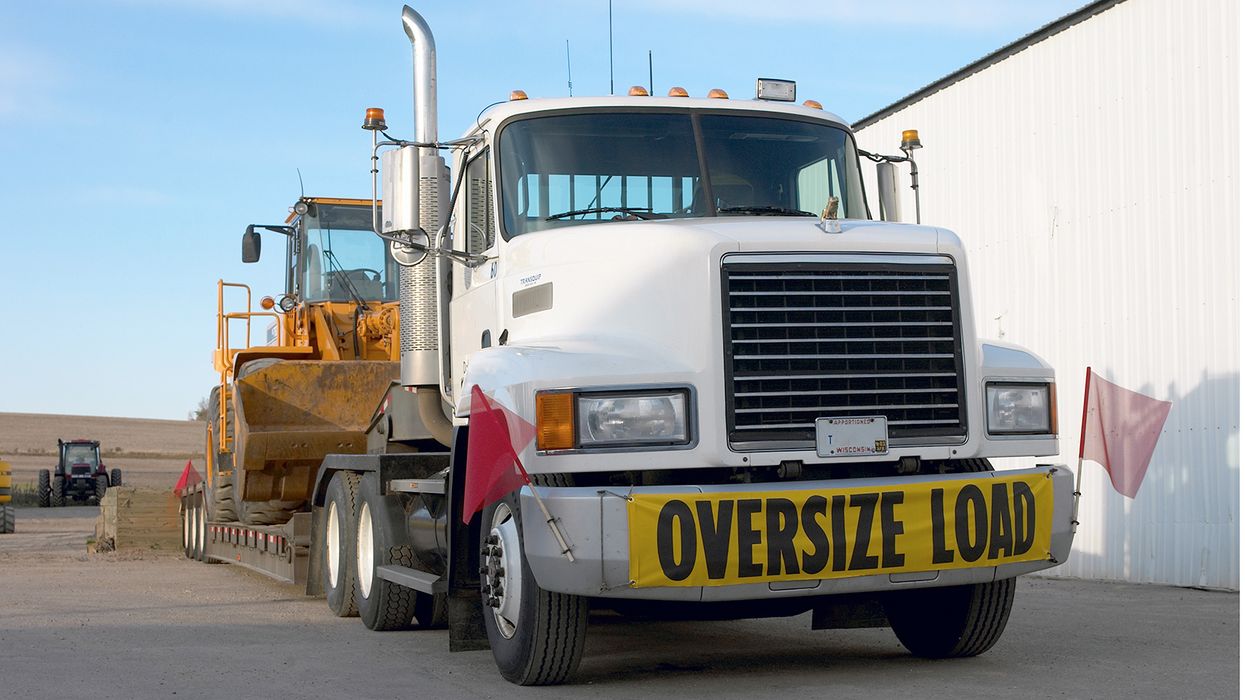
Spring has sprung, and with the change in seasons come warmer weather, more flowers and wildlife, and of course, increased construction. If you are a construction company, or haul construction equipment, it is important to go into the busy season prepared.
Obtaining the proper permits
Each state has regulations on handling oversize or overweight (OS/OW) vehicle movements. These regulations indicate:
- When an over-dimensional or overweight permit is required; the types of permits available and their fees;
- Permit insurance requirements;
- Maximum permitted vehicle limitations;
- Sign, flag, light, and escort requirements; and
- Permit travel restrictions.
Before any trip involving an OS/OW load, it is important to check in on the expectations of each state and obtain the proper permits.
OS/OW rules are evolving
Last year, oversize/overweight permitting saw significant updates with movement windows, escort thresholds, and weekend/night travel allowances shifted in several states. At the same time, agencies are pushing for automation and harmonization, meaning more permits can be issued instantly, but thresholds still vary widely.
Electronic cab cards and permits gained traction in 2025, and many jurisdictions now accept digital copies. However, some states still require paper for OS/OW and specialty permits.
For instance, in many states digital cab cards are accepted for IRP and IFTA, but paper OS/OW permits are still mandatory in most places. Before departure, check your route and prepare both formats as needed. At this point, best practice is to carry both PDFs stored offline, and printed copies.
OS/OW permit mistakes to avoid
Many carriers, especially those managing permits in-house, fall into the same traps when applying for or managing permits. Watch out for these frequent errors:
- Inaccurate or incomplete vehicle/load information. Wrong axle weights, vehicle specs, or routing details can cause delays or invalid permits.
- Not applying on time. OS/OW permits often require extra processing time for route analysis or engineering reviews.
- Using expired or misused permits. Permits are often only valid for certain dates, times, and routes. Deviating from that voids the permit.
- Not understanding state-specific requirements. Every state has unique laws, including seasonal weight restrictions, travel curfews, and escort mandates.
- Not staying on top of state updates to OS/OW rule changes and automation rollouts. Staying informed will help dispatchers adjust plans quickly and avoid roadside delays.
- Failing to carry or display the permit as required. Some jurisdictions demand the permit be physically or digitally present and available on request.
Tips to staying compliant
Operating without proper permits can lead to violations which include fines of up to several thousand dollars, impoundment, being escorted off-route, and noncompliance points against your safety score.
Set yourself up for a successful construction season by doing your research well in advance to avoid running into obstacles that may impede your ability to operate on the requested dates. Verify which states require paper permits and which allow digital, and continue to monitor OS/OW rule changes and automation capabilities to avoid delays.
NewsIndustry NewsFocus AreaIn-Depth ArticleFleet OperationsEnglishSize and Weight LimitsOversize and Overweight MovementsTransportationUSA
Do you need special permits this construction season?
2026-04-14T05:00:00Z

Written by
Alexandra Palmer
Compliance Expert - Transportation
Alexandra Palmer
University of Wisconsin – Oshkosh, University of Wisconsin – Parkside
Compliance Expert at J. J. Keller & Associates, Inc., specializing in accessible, safety-focused content on Federal Motor Carrier Safety Regulations and industry best practices.
Spring has sprung, and with the change in seasons come warmer weather, more flowers and wildlife, and of course, increased construction. If you are a construction company, or haul construction equipment, it is important to go into the busy season prepared.
Obtaining the proper permits
Each state has regulations on handling oversize or overweight (OS/OW) vehicle movements. These regulations indicate:
- When an over-dimensional or overweight permit is required; the types of permits available and their fees;
- Permit insurance requirements;
- Maximum permitted vehicle limitations;
- Sign, flag, light, and escort requirements; and
- Permit travel restrictions.
Before any trip involving an OS/OW load, it is important to check in on the expectations of each state and obtain the proper permits.
OS/OW rules are evolving
Last year, oversize/overweight permitting saw significant updates with movement windows, escort thresholds, and weekend/night travel allowances shifted in several states. At the same time, agencies are pushing for automation and harmonization, meaning more permits can be issued instantly, but thresholds still vary widely.
Electronic cab cards and permits gained traction in 2025, and many jurisdictions now accept digital copies. However, some states still require paper for OS/OW and specialty permits.
For instance, in many states digital cab cards are accepted for IRP and IFTA, but paper OS/OW permits are still mandatory in most places. Before departure, check your route and prepare both formats as needed. At this point, best practice is to carry both PDFs stored offline, and printed copies.
OS/OW permit mistakes to avoid
Many carriers, especially those managing permits in-house, fall into the same traps when applying for or managing permits. Watch out for these frequent errors:
- Inaccurate or incomplete vehicle/load information. Wrong axle weights, vehicle specs, or routing details can cause delays or invalid permits.
- Not applying on time. OS/OW permits often require extra processing time for route analysis or engineering reviews.
- Using expired or misused permits. Permits are often only valid for certain dates, times, and routes. Deviating from that voids the permit.
- Not understanding state-specific requirements. Every state has unique laws, including seasonal weight restrictions, travel curfews, and escort mandates.
- Not staying on top of state updates to OS/OW rule changes and automation rollouts. Staying informed will help dispatchers adjust plans quickly and avoid roadside delays.
- Failing to carry or display the permit as required. Some jurisdictions demand the permit be physically or digitally present and available on request.
Tips to staying compliant
Operating without proper permits can lead to violations which include fines of up to several thousand dollars, impoundment, being escorted off-route, and noncompliance points against your safety score.
Set yourself up for a successful construction season by doing your research well in advance to avoid running into obstacles that may impede your ability to operate on the requested dates. Verify which states require paper permits and which allow digital, and continue to monitor OS/OW rule changes and automation capabilities to avoid delays.


See More
RELATED NEWS

NewsIndustry NewsEnglishInternational Registration Plan (IRP)Temporary trip permitsFuel/Mileage Tax PermitsCredentials for unlicensed vehicles/trailersFocus AreaIn-Depth ArticleFleet OperationsFleet TaxesTransportationRegistration and Permits - Motor CarrierUSA
01/19/2026
Expert Insights: Key permit trends shaping 2026 compliance

NewsIndustry NewsCarrier profiles, safety ratings and facility auditsSafety fitness certificatesWeights and dimensionsFleet SafetyLoad documentationFocus AreaIn-Depth ArticleEnglishSize and Weight LimitsOversize and Overweight MovementsTransportationUSA
08/30/2023
The Big and the Heavy: What you need to know about overweight trucks in Canada

NewsIndustry NewsEnglishFleet SafetyFuel/Mileage Tax PermitsBusiness planning - Motor CarrierFocus AreaIn-Depth ArticleFleet OperationsFleet TaxesInternational Fuel Tax Agreement (IFTA)Fleet taxesTransportationBusiness planning - Motor CarrierUSA
07/31/2025
Avoid common mistakes when obtaining operational permits
Specialized Industries
Go beyond the regulations! Visit the Institute for in-depth guidance on a wide range of compliance subjects in safety and health, transportation, environment, and human resources.
J. J. Keller® COMPLIANCE NETWORK is a premier online safety and compliance community, offering members exclusive access to timely regulatory content in workplace safety (OSHA), transportation (DOT), environment (EPA), and human resources (DOL).

Interact With Our Compliance Experts
Puzzled by a regulatory question or issue? Let our renowned experts provide the answers and get your business on track to full compliance!

Upcoming Events
Reference the Compliance Network Safety Calendar to keep track of upcoming safety and compliance events. Browse by industry or search by keyword to see relevant dates and observances, including national safety months, compliance deadlines, and more.

SAFETY & COMPLIANCE NEWS
Keep up with the latest regulatory developments from OSHA, DOT, EPA, DOL, and more.



REGSENSE® REGULATORY REFERENCE
Explore a comprehensive database of word-for-word regulations on a wide range of compliance topics, with simplified explanations and best practices advice from our experts.

THE J. J. KELLER INSTITUTE
The Institute is your destination for in-depth content on 120+ compliance subjects. Discover articles, videos, and interactive exercises that will strengthen your understanding of regulatory concepts relevant to your business.



ADD HAZMAT, ENVIRONMENTAL, & HR RESOURCES
Unlock exclusive content offering expert insights into hazmat, environmental, and human resources compliance with a COMPLIANCE NETWORK EDGE membership.

DIRECT ACCESS TO COMPLIANCE EXPERTS
Struggling with a compliance challenge? Get the solution from our in-house team of experts! You can submit a question to our experts by email, set up a phone or video call, or request a detailed research report.



EVENTS
Register to attend live online events hosted by our experts. These webcasts and virtual conferences feature engaging discussions on important compliance topics in a casual, knowledge-sharing environment.
Most Recent Highlights In Environmental

NewsIndustry NewsIndustry NewsAir EmissionsEnvironmental Protection Agency (EPA)Renewable and Alternative EnergyBiofuelCAA ComplianceEnvironmentalFocus AreaEnglishAir ProgramsAir ProgramsUSA
2026-09-03T05:00:00Z
EPA extends RFS annual compliance report deadline
The Environmental Protection Agency (EPA) issued a prepublication of a final rule extending the Renewable Fuel Standard (RFS) annual compliance reporting deadline for the 2025 compliance year from September 1 to October 1, 2026.
Who’s impacted?
The RFS annual compliance report applies to obligated parties, including:
- Refiners of gasoline or diesel fuel (transportation fuel), and
- Importers of transportation fuel.
Under the RFS program, obligated parties with renewable volume obligations (RVOs) must retire enough Renewable Identification Numbers (RINs) to meet their RVOs for the calendar year.
What’s the change?
EPA extended the 2025 RFS compliance reporting deadline to October 1, 2026, giving obligated parties additional time to comply with their 2025 RVOs and submit their annual compliance reports.
Why the change?
EPA recently released its small refinery exemption (SRE) decisions for the 2025 compliance year, exempting 1.76 billion RINs for 29 small refineries. SREs affect the cost and availability of RINs for all obligated parties. The extension gives obligated parties more time to assess the impact of the SRE decisions and adjust their strategies before completing their 2025 RFS reporting obligations.
Key to remember: EPA has extended the Renewable Fuel Standard annual compliance reporting deadline from September 1 to October 1, 2026.

NewsEnvironmental Management SystemsEMS PlanningCAA ComplianceEnvironmental Management SystemsIn-Depth ArticleCWA ComplianceWaste/HazWasteEnglishIndustry NewsEMS GoalsEMS Audits and EvaluationsEnvironmentalFocus AreaUSA
2026-09-01T05:00:00Z
10 operational changes that should trigger an environmental compliance review
Environmental compliance issues often arise not because regulations change, but because operations change.
A facility may replace equipment, begin using a new chemical, increase production, or modify a process for legitimate business reasons. However, even routine operational changes can affect permits, reporting obligations, waste generation, emissions, wastewater discharges, or stormwater exposure.
Organizations that review environmental impacts before implementing changes are better positioned to identify compliance obligations early and avoid costly surprises.
What's an environmental compliance review?
An environmental compliance review is a structured evaluation of how a proposed change could affect a facility's environmental obligations.
Many organizations incorporate environmental reviews into an environmental management system (EMS) or formal change-management process. These procedures help ensure that environmental obligations are evaluated before operational changes are implemented. The updated ISO 14001 standard places greater emphasis on managing changes that may affect environmental performance, reinforcing the need to assess environmental impacts before decisions are made.
The review doesn't need to be complicated. In many cases, it involves determining whether the change could affect air permits, wastewater discharges, stormwater permits, hazardous waste management, chemical reporting, spill prevention requirements, or other environmental programs.
The goal is to identify environmental impacts before a change is implemented rather than after a regulator, auditor, or inspector discovers a problem.
Production increases
Increasing production is often viewed as a business decision rather than an environmental one. However, greater production may increase air emissions, wastewater generation, chemical usage, and waste generation.
Facilities should evaluate whether higher throughput could affect permit limits, reporting thresholds, or compliance obligations before production levels increase.
New chemicals or raw materials
A new chemical can trigger a wide range of environmental requirements.
Changes in raw materials may affect hazardous waste determinations, emergency planning requirements, air emissions calculations, Toxics Release Inventory reporting, spill prevention planning, or wastewater characteristics.
Before purchasing or introducing a new chemical, facilities should evaluate its environmental implications and ensure required controls are in place.
Equipment replacements and upgrades
Many organizations assume replacing equipment is simply a maintenance activity. In reality, equipment changes can have environmental consequences.
Replacing a boiler, coating operation, storage tank, dust collector, scrubber, or process equipment may affect emissions, waste streams, monitoring requirements, or permit applicability. Even when equipment serves the same function, environmental impacts should be evaluated before installation.
Process modifications
Changing how a product is manufactured can create environmental consequences even when production levels stay the same.
New process steps, altered operating conditions, different fuels, or modified treatment systems can affect emissions, waste generation, water usage, and permit conditions. Process changes should be reviewed to determine whether existing permits and operating procedures remain appropriate.
Facility expansions
Building additions, new production lines, warehouse expansions, and site development projects often involve environmental considerations beyond construction activities.
Organizations should evaluate potential impacts on air permits, stormwater management, wastewater infrastructure, storage capacity, and environmental monitoring programs before expansion projects begin.
Changes in waste management practices
Facilities occasionally change waste vendors, storage practices, recycling programs, treatment methods, or waste handling procedures to improve efficiency or reduce costs.
While these changes may appear administrative, they can affect generator status, accumulation practices, recordkeeping obligations, and waste determinations. Environmental personnel should review proposed changes before implementation.
New products or services
New products often require new materials, equipment, or processes that may affect existing environmental obligations.
Contractor activities
Contractor activities involving chemicals, waste management, tank cleaning, painting, excavation, demolition, or maintenance may create environmental compliance implications that warrant review.
Property and infrastructure changes
Changes to storage areas, containment systems, drainage patterns, tanks, or utilities can affect stormwater exposure and other environmental obligations.
Acquisitions and ownership changes
Acquiring a facility or business can introduce new permits, reporting obligations, and compliance responsibilities that should be evaluated during due diligence.
Train employees to recognize when a review may be needed
Environmental departments cannot review changes they never hear about.
Engineering, maintenance, operations, purchasing, project management, and production personnel are often the first to learn about proposed changes. Providing basic awareness training can help these groups recognize situations that may have environmental implications.
Employees don't need to become environmental experts. Instead, they should know when to notify EHS and ask whether a compliance review is warranted. A simple "check with EHS before proceeding" expectation can prevent significant compliance problems and reduce the likelihood that environmental requirements will be discovered too late.
Key to remember: Many environmental compliance issues begin with an operational change. Establishing a process to identify and review changes before implementation can help organizations avoid permit problems, reporting errors, and unexpected regulatory obligations.

NewsIndustry NewsWater ProgramsWater QualityEnvironmental Protection Agency (EPA)Industrial WastewaterEnvironmentalIn-Depth ArticleCWA ComplianceEnglishFocus AreaUSA
2026-08-26T05:00:00Z
National wastewater pretreatment program: What type of industrial user is your facility?
Before the wastewater can flow from your facility into a municipal treatment plant, there’s something you need to know: What type of industrial user is your facility? The answer to this question determines the federal environmental regulations your facility must meet.
The Environmental Protection Agency (EPA) regulates wastewater discharges from industrial and commercial facilities to publicly owned treatment works (POTWs) through the National Pretreatment Program. These facilities, known as industrial users (IUs), must obtain a permit or other control mechanism to send wastewater to a POTW. However, IUs must comply with all applicable federal, state, and local pretreatment requirements, regardless of whether the facility has been issued a permit or other control mechanism.
The National Pretreatment Program applies to:
- Industrial users (IUs),
- Significant IUs (SIUs), and
- Categorical IUs (CIUs).
EPA’s regulations at 40 CFR Part 403 contain compliance requirements for all IUs as well as additional requirements for SIUs and CIUs. To know which regulations to comply with, you must identify the types of IUs that apply to your facility.
Is my facility an IU?
The first type of user is the easiest determination to make. If your industrial or commercial facility discharges wastewater to a POTW, it’s an IU.
Is my facility an SIU?
If your facility can answer “yes” to any of these four questions, it qualifies as an SIU:
- Is the facility subject to the categorical pretreatment standards under 403.6 and Subchapter N?
- Does the facility discharge an average of at least 25,000 gallons daily of process wastewater to the POTW (not including sanitary, noncontact cooling, and boiler blowdown wastewater)?
- Does the facility contribute a process waste stream that makes up at least 5 percent of the POTW’s average dry weather hydraulic or organic capacity?
- Is your facility designated as an SIU by the control authority (i.e., the POTW, state, or EPA)?
Even if the first three criteria don’t apply, the control authority may designate your facility as an SIU if it determines that there’s a reasonable potential for your facility’s wastewater discharges:
- To adversely affect the POTW’s operation, or
- To violate the pretreatment standards.
Limited exceptions allow the control authority to designate a facility as a non-significant CIU (if the facility meets specific conditions according to 403.3(v)(2)) or to determine that the facility has no reasonable potential to harm POTW operations or violate the standards (403.3(v)(3)).
Is my facility a CIU?
The National Pretreatment Program has rules that apply to specific industrial processes, known as categorical pretreatment standards. If your facility is subject to a categorical requirement in Parts 405–471, it’s considered a CIU. Examples of covered categories include:
- Metal finishing (Part 433);
- Organic chemical, plastic, and synthetic fiber manufacturing (Part 414); and
- Petroleum refining (Part 419).
Submit a category determination request
The control authority director determines whether any of the categorical standards apply to a facility through a process called “categorical determination.” IUs may submit a category determination request when a new categorical standard is established that could apply to their existing facility. Additionally, EPA requires IUs to request a determination when:
- An existing facility adds or changes an operation or process that may make it subject to an existing categorical pretreatment standard, and
- A facility becomes a new source of discharge to a POTW.
The director will issue a final decision as to whether any of the regulations in Parts 405–471 apply to the facility.
Which pretreatment regulations apply?
The control authority will include the applicable regulations in the facility’s permit or implement the requirements through other control mechanisms. These will be at least as stringent as the following federal standards.
Requirements for all IUs
General and specific prohibitions apply to all types of IUs, banning facilities from discharging pollutants and categories of pollutants that can cause pass through or interference at the POTW.
Additionally, all IUs must report specific discharges and changes to existing discharge practices to the control authority.
Requirements for SIUs
SIUs have additional compliance obligations, such as:
- Conducting self-monitoring and submitting periodic compliance reports every 6 months for SIUs not subject to categorical standards, and
- Developing and implementing a slug control plan if required.
Requirements for CIUs
CIUs also have more requirements, including (but not limited to):
- The applicable categorical pretreatment standards (Parts 405–471),
- The categorical standards at 403.6, and
- Additional reporting and notification requirements.
Understanding the types of IUs that characterize your facility can help clarify which federal wastewater rules apply.
Key to remember: The type of industrial user determines the National Pretreatment Program requirements applicable to facilities that discharge wastewater to publicly owned treatment plants.
NewsEnglishToxic Substances Control Act - EPAChange NoticesChange NoticeTSCA ComplianceWasteToxic Substances - EPAEnvironmentalSolid WasteWaste/HazWasteNew HampshireFocus Area
2026-08-25T05:00:00Z
New Hampshire adopts PFAS product regulations
Effective date: July 17, 2026
This applies to: Any entity that manufactures or supplies specific consumer products with intentionally added per- and polyfluoroalkyl substances (PFAS)
Description of change: The New Hampshire Department of Environmental Services adopted rules to implement the Per- and Polyfluoroalkyl Substances Products Control Program, which bans certain PFAS-added consumer products from being sold, offered for sale, or distributed for sale or promotional purposes.
The regulations:
- Ban certain products with intentionally added PFAS from being sold or distributed in New Hampshire (unless specifically exempt);
- Establish the certificate of compliance (COC) process, under which manufacturers and suppliers must provide a COC upon request of the department to demonstrate compliance; and
- Establish exemptions.
The ban applies to PFAS-added products manufactured on or after January 1, 2027. Product categories include:
- Carpets and rugs;
- Cosmetics;
- Feminine hygiene products;
- Food packaging and containers;
- Juvenile products;
- Textile furnishings;
- Textile treatments;
- Upholstered furniture; and
- Waxes for use on boats; skis; surfboards; bodyboards; and skimboards.
Examples of exempted products include all products manufactured before January 1, 2027; secondhand products; and products with at least 85 percent recycled content.
NewsWater PermittingChange NoticesChange NoticeWater ProgramsWater QualityEnvironmentalWater ProgramsEnglishNew HampshireFocus AreaCWA Compliance
2026-08-25T05:00:00Z
New Hampshire requires electronic applications for AOT permits
Effective date: August 6, 2026
This applies to: Projects that will disturb more than 100,000 square feet of terrain (or 50,000 square feet if it’s within the protected shoreline) and projects that will disturb any area with a 25 percent or steeper land slope that’s within 50 feet of surface water
Description of change: The New Hampshire Department of Environmental Services amended the regulations for Alteration of Terrain (AOT) permitting, requiring applicants to submit all permit applications and permits by notification online through its new e-permitting system, NHEnviro.
The department also made other changes, such as:
- Expanding the general permit rule to cover specific steep slope projects, and
- Exempting excavation and mining projects from the 5-acre open area disturbance limit.
Most Recent Highlights In Transportation

NewsIndustry NewsEnglishEnvironmental Management SystemsSustainabilityIn-Depth ArticleEnvironmentalEMS Roles and ResponsibilitiesEnvironmental Management SystemsFocus AreaUSA
2026-08-21T05:00:00Z
Maintenance and environmental compliance go hand in hand
Environmental compliance is often viewed as the responsibility of the environmental, health, and safety (EHS) department. In reality, many compliance successes and failures occur on the plant floor, in maintenance shops, and around equipment managed by maintenance personnel.
Maintenance employees regularly handle used oil, inspect tanks, repair air pollution control equipment, respond to spills, and maintain secondary containment systems. Their daily decisions can directly affect compliance with federal, state, and local environmental requirements. As facilities face increased scrutiny of air emissions, waste management, and spill prevention programs, coordination between environmental and maintenance personnel has become increasingly important. That's why one of the most valuable members of an environmental compliance team is often someone from maintenance.
Used oil management starts in the shop
Many maintenance departments generate used oil from equipment servicing, vehicle maintenance, and hydraulic system repairs. While used oil can often be managed under streamlined regulations, improper handling can quickly create compliance problems.
Common issues include storing used oil in unlabeled containers, mixing used oil with hazardous waste, and failing to address leaks from storage containers. Even small mistakes can increase disposal costs or change how the waste must be managed.
Maintenance personnel can help reduce these risks by ensuring used oil containers remain closed when not in use, are properly labeled, and are routinely inspected for signs of leakage or deterioration.
Spill response depends on employees closest to the release
When a spill occurs, maintenance staff members are often among the first employees on scene.
Their actions during the first few minutes can affect both environmental impacts and regulatory obligations. Quickly stopping the source of a release, protecting drains, and containing spilled material can prevent a minor incident from becoming a reportable event.
Facilities should ensure maintenance personnel understand spill response procedures, know where response equipment is located, and recognize when environmental staff or emergency responders must be notified.
Even facilities with formal spill response plans depend on maintenance employees to implement many of the initial response actions.
Air compliance requires reliable equipment
Many facilities rely on air pollution control devices such as baghouses, scrubbers, thermal oxidizers, and dust collection systems to comply with permit requirements.
Environmental managers may be responsible for reporting emissions and maintaining permit records, but maintenance staff members are often responsible for keeping control equipment operating properly.
A failed pressure gauge, malfunctioning fan, broken duct connection, or neglected preventive maintenance task can affect emissions performance and potentially result in permit deviations.
Facilities should ensure maintenance programs include environmental control equipment and that maintenance personnel understand which equipment has environmental significance.
Tanks and containment need routine attention
Storage tanks and secondary containment systems are another area where maintenance and environmental responsibilities overlap.
Maintenance personnel may also maintain stormwater controls, drainage structures, and outdoor storage areas that affect permit compliance.
Routine inspections can identify corrosion, damaged coatings, leaking fittings, deteriorated hoses, and cracks before they become larger problems. These conditions may not seem urgent from an operational perspective, but they can increase the risk of releases and regulatory violations.
Facilities should establish inspection procedures, clearly define responsibilities, and document findings. A simple inspection program can often identify problems early, reducing both environmental risk and repair costs.
Communication helps prevent violations
Many environmental compliance issues occur when operational changes are made without considering environmental impacts.
New equipment, replacement tanks, process modifications, and maintenance projects can affect air emissions, waste generation, chemical storage, and spill prevention requirements. Environmental staff may not become aware of these changes until after installation.
Regular communication between maintenance and environmental personnel can help identify potential compliance concerns before work begins. In many cases, a short conversation during project planning can prevent significant compliance challenges later.
Building a partnership between maintenance and environmental teams
Environmental compliance is most effective when it's integrated into daily operations. Maintenance teams often have the best understanding of equipment conditions, storage systems, and operational changes occurring throughout a facility.
Environmental awareness training, maintenance involvement in inspections, and regular communication can strengthen compliance programs and identify problems sooner.
Environmental managers bring regulatory expertise. Maintenance personnel bring operational knowledge. Together, they create a stronger foundation for compliance than either group can achieve alone.
Key to remember: Environmental compliance isn't solely an EHS responsibility. Maintenance staff members play a critical role in preventing spills, managing used oil, maintaining compliance equipment, and identifying problems before they become violations.
NewsNon-Point SourcesPublicly Owned Treatment WorksMunicipal WastewaterChange NoticesChange NoticeWater ProgramsIndustrial WastewaterVirginiaEnvironmentalWater MonitoringCWA ComplianceEnglishFocus Area
2026-08-14T05:00:00Z
Virginia requires PFAS monitoring for wastewater
Effective date: September 9, 2026
This applies to: Publicly owned treatment works (POTW)
Description of change: The Virginia State Water Control Board adopted amendments to the Virginia Pollutant Discharge Elimination System (VPDES) Permit regulation. The updated regulations:
- Require POTWs to mandate quarterly discharge monitoring for per- and polyfluoroalkyl substances (PFAS) for certain industrial user categories,
- Establish a 30-day reporting deadline for monitoring results, and
- Specify acceptable test methods.
Covered industrial categories include:
- PFAS manufacturing facilities;
- Electroplating and metal finishing facilities using PFAS;
- Semiconductor and circuit board facilities using PFAS;
- Paper and packaging manufacturing facilities using PFAS;
- Textile mills and tanneries using PFAS and leather, fabric, and carpet treaters using PFAS;
- Centralized waste treatment industrial facilities;
- Industrial launderers; and
- Any other facility or site that’s a source of PFAS (such as landfills).
The POTWs must report results quarterly to the Virginia Department of Environmental Quality. Additionally, industrial users must report monitoring results within 30 days of receiving the laboratory results.
Related state info: Industrial water permitting — Virginia
NewsGroundwaterChange NoticesChange NoticeWater ProgramsWater ReportingVirginiaEnvironmentalWater ProgramsEnglishFocus AreaCWA Compliance
2026-08-14T05:00:00Z
Virginia amends water withdrawal reporting requirements
Effective date: September 9, 2026
This applies to: Water users providing water to another person off-site
Description of the change: The Virginia State Water Control Board amended water withdrawal reporting requirements for water users providing water to another person off-site. These users are now required to report monthly (or quarterly if applicable) the total volumes of potable water and reclaimed water that they provided:
- To a data center with an air permit from the Virginia Department of Environmental Quality; and
- For domestic, commercial, industrial, and all other non-categorized purposes.
The reporting requirement takes effect on January 1, 2027.

NewsIndustry NewsToxic Substances Control Act - EPAToxic Subtances Control Act - EPATSCA ComplianceToxic Substances - EPAEnvironmental Protection Agency (EPA)EnvironmentalIn-Depth ArticleEnglishFocus AreaUSA
2026-08-14T05:00:00Z
TSCA Exposure Control Plan: 5 FAQs answered
Do you have a toxic work environment — literally? For facilities that handle chemicals, the answer is likely yes. And for specific chemicals, federal environmental regulations require facilities to protect workers by controlling their exposure to these substances.
The Workplace Chemical Protection Program (WCPP) is one way the Environmental Protection Agency (EPA) protects potentially exposed workers from hazardous chemicals in the workplace. And at the core of the WCPP is the Exposure Control Plan (ECP); it’s the roadmap documenting how a facility will keep its employees safe. If your business manufactures (including imports), processes, distributes, uses, or disposes of a chemical substance subject to risk management regulations under Section 6 of the Toxic Substances Control Act (TSCA), an ECP may be required.
Consider these FAQs to help you implement an effective ECP that guards your workers against a “toxic work environment."
What’s an ECP?
An ECP is a strategic document explaining:
- What exposure controls the facility takes to reduce occupational exposure to a regulated chemical to or below EPA’s exposure limits; and
- How the facility will implement the other WCPP requirements (such as implementing exposure controls, establishing regulated areas, and providing training).
Any time a facility uses a TSCA Section 6 chemical that’s subject to the WCPP regulations (40 CFR Part 751), an ECP is required. This applies even if exposure monitoring determines that the concentration of a regulated chemical substance is below the existing chemical exposure limit or action level.
How do you develop an ECP?
Owners or operators must establish an ECP using the hierarchy of controls framework, following a sequence of actions to identify the control measures that will best reduce hazardous workplace exposures. The hierarchy of controls is ordered from the most to the least effective methods:
- Elimination stops the use of the chemical.
- Substitution replaces the chemical with a safer alternative.
- Engineering controls prevent people from coming into contact with the chemical (e.g., local exhaust ventilation and protective barriers).
- Administrative controls establish work practices that reduce the duration, frequency, or intensity of chemical exposure (like limiting access to exposure areas).
- Personal protective equipment (PPE), such as respirators, reduces or mitigates exposure.
EPA requires owners or operators to consider every level of the hierarchy. PPE should be a last resort and used only when other controls aren’t possible or when other methods don’t sufficiently reduce hazardous exposure to safe levels.
What’s in an ECP?
Generally, an ECP must include the following:
- The exposure control measures that were considered using the hierarchy of controls;
- The reason why each control measure was selected or not selected based on feasibility, effectiveness, or other relevant information;
- The actions required to implement the selected controls (e.g., installation, maintenance, training);
- The regulated areas (workplace locations where worker exposure may exceed exposure limits), how they’re identified, and the people authorized to enter them;
- The process for reviewing and updating the ECP to ensure that the exposure controls are effective, updated when needed, and properly implemented; and
- The procedures for responding to new sources of or increases in exposure to the regulated chemical, including taking corrective actions.
Owners or operators must review and update ECPs when making major changes to the WCPP. However, EPA’s chemical-specific rules limit the length of time between reviews. The review frequency in the chemical-specific rule is the minimum requirement.
For example, the perchloroethylene rule (751.607) requires facilities to review and update the ECP at least every 5 years, while the chrysotile asbestos rule (751.511) requires facilities to review and update the ECP at least annually.
Can an ECP be added to an existing safety program?
Yes! Owners or operators can either:
- Incorporate the ECP into an existing industrial hygiene or chemical management program (like a chemical hygiene plan) if the ECP contains all the required components, or
- Develop an individual document for the ECP.
Can one ECP be used for multiple regulated chemicals?
EPA allows owners or operators to develop one standalone ECP that covers multiple chemicals subject to TSCA Section 6 regulations if the plan complies with each chemical’s specific requirements.
Key to remember: The Exposure Control Plan explains how a facility will implement the Workplace Chemical Protection Program and the exposure controls needed to protect workers from hazardous chemical exposures.
NewsIndustry NewsCERCLA, SARA, EPCRA CERCLA, SARA, EPCRATSCA ComplianceWaste/HazWasteCAA ComplianceEnvironmentalIn-Depth ArticleCWA ComplianceEnglishSARA ComplianceFocus AreaUSA
2026-08-13T05:00:00Z
The environmental compliance program hiding in your chemical inventory
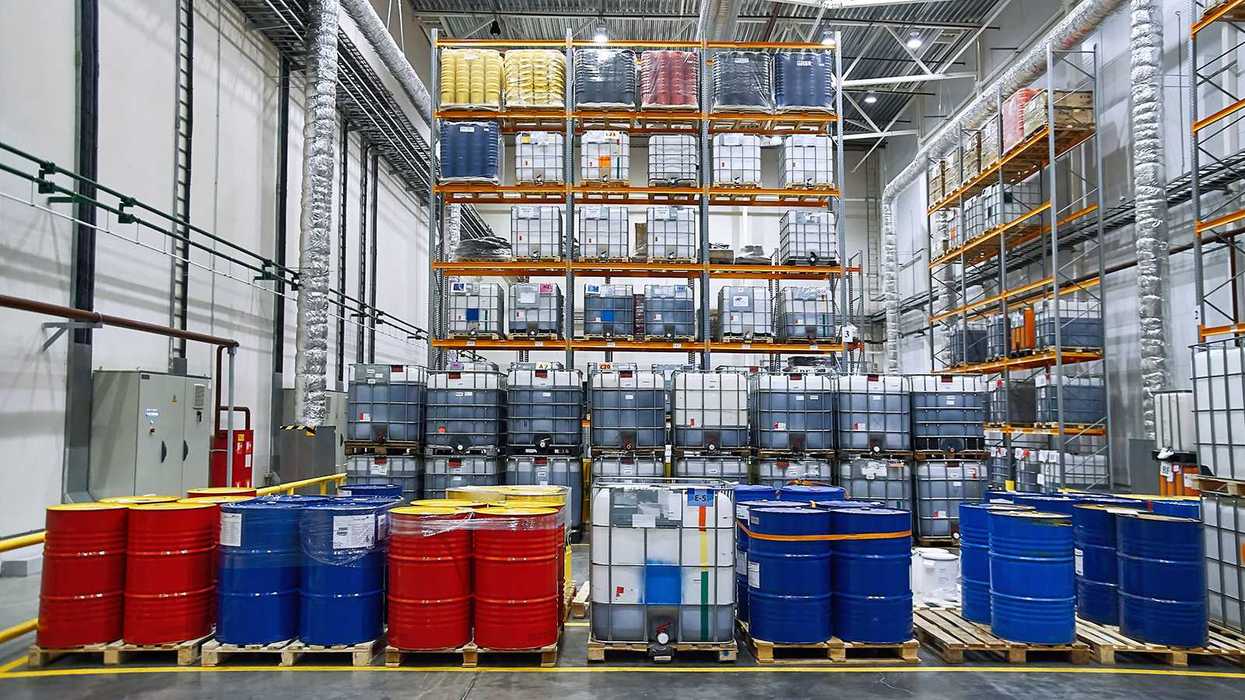
Environmental programs may appear unrelated, but most rely on accurate information about the chemicals a facility uses, stores, or generates. Air permits, hazardous waste determinations, emergency planning, chemical reporting, and spill response programs all depend on knowing what chemicals are on site.
Yet chemical inventory management is often divided among multiple departments. Purchasing tracks what comes in, operations tracks what is used, maintenance stores products for later use, and environmental staff may only become involved when reporting deadlines approach. When inventories are incomplete or outdated, compliance problems can quickly follow.
A single source of truth supports multiple programs
Before a facility can determine its environmental obligations, it must first understand what chemicals are present on site.
The information contained in a chemical inventory supports numerous environmental programs, and different inventory data serve different purposes. Product quantities may affect EPCRA reporting. Chemical constituents help identify TRI chemicals and estimate releases. Usage data support air emissions calculations, while information about spent materials can help determine whether hazardous waste rules apply. Storage quantities, container types, and locations may also affect spill prevention and emergency response planning.
Consider a facility that introduces a new solvent for equipment cleaning. Purchasing may view it as a routine substitution, but the environmental implications may be much broader. The solvent may contain volatile organic compounds (VOCs) that affect air permits, TRI-listed constituents, or chemicals subject to EPCRA. If the spent solvent is discarded, hazardous waste regulations may also come into play. A complete inventory and chemical review process can identify these issues before the product enters service.
When departments maintain separate inventories using different data sources, inconsistencies can develop. One database may show a product as active while another indicates it is no longer used. A chemical stored in a maintenance room may never make its way into environmental records. These gaps can create reporting errors and complicate inspections.
Small changes can have large compliance impacts
Chemical inventories are not static. New products are introduced, suppliers change formulations, production processes evolve, and maintenance departments purchase materials to address operational needs.
Even seemingly minor changes can affect compliance programs. A reformulated product may contain a reportable constituent that it did not contain previously. A new coating operation may increase air emissions. Additional chemical storage may trigger emergency planning requirements or affect secondary containment needs.
Without a chemical review process involving environmental, safety, operations, and purchasing personnel, facilities may not recognize these implications until well after a change has occurred. This approach helps identify regulatory concerns before products are ordered, stored, or put into use.
Inspections often begin with inventory questions
Environmental inspectors often compare records against actual site conditions. Chemical inventories frequently become a focal point because they intersect with multiple regulatory programs.
Inspectors may compare inventory records with container labels, safety data sheets (SDSs), storage areas, waste accumulation locations, or reported chemical quantities. Discrepancies can raise questions about reporting accuracy and program oversight.
A well-maintained inventory shows that a facility has systems to manage compliance and allows personnel to quickly answer questions about chemical storage and use.
Building a stronger inventory program
The challenge is deciding what information to track and how to keep it current. An effective chemical inventory program does not need to be complicated, but it should be consistent.
At a minimum, facilities should track product names, storage locations, quantities on site, usage rates, SDS information, and key chemical constituents. Different data elements support different programs. Storage quantities may affect EPCRA reporting, chemical constituents may drive TRI evaluations, and usage rates often provide critical data for air emissions calculations. Some organizations also identify whether a product contains TRI chemicals, hazardous air pollutants (HAPs), VOCs, PFAS, or other substances subject to reporting or permitting requirements. Centralizing this information can simplify environmental evaluations throughout the year.
Facilities should establish clear ownership of inventory data, periodically verify inventory accuracy in the field, review new chemicals before purchase, and ensure information is shared across departments. Environmental staff should also periodically compare inventory data against reporting submissions, air permits, waste records, and emergency planning documentation. The goal is not simply to maintain a list of chemicals, but to create a reliable foundation for environmental decision making. A well-managed inventory supports air permitting, chemical reporting, emergency planning, spill prevention, and hazardous waste programs. When inventory data is accurate and readily available, environmental professionals spend less time chasing information and more time managing compliance risks.
Key to remember: Chemical inventory management is more than a recordkeeping exercise. A complete and accurate inventory provides the information needed to support air, waste, emergency planning, spill prevention, and chemical reporting programs, helping facilities identify compliance obligations before problems arise.
Most Recent Highlights In Safety & Health

NewsHazardous WasteSARA ComplianceCommunity Right to KnowPesticidesMine SafetyPesticide Registration and LabelingTSCA ComplianceWater ProgramsBenzeneWater QualitySafety Data Sheet ReportingMiningWaste/HazWasteTier II Inventory ReportingEnforcement and Audits - OSHASafety & HealthToxic and Hazardous Substances - OSHAEnvironmentalAir ProgramsToxic and Hazardous Substances - OSHAVideoAir QualityEnforcement and Audits - OSHACERCLA, SARA, EPCRAToxic Substances Control Act - EPAAir EmissionsMonthly Roundup VideoCAA ComplianceCWA ComplianceEnglishIndustry News
EHS Monthly Round Up - July 2026
In this July 2026 monthly roundup video, we'll review the most impactful environmental health and safety news.
Hi everyone! Welcome to the monthly news roundup video, where we’ll review the most impactful environmental health and safety news. Let’s take a look at what happened over the past month.
OSHA published its 2026 regulatory agenda on July 3. Of note, the agency projects an April 2027 date for the Emergency Response final rule, and the Heat Illness proposal is slated to be finalized in October 2027. In November 2026, OSHA also expects to publish a final rule addressing the use of subpoenas during investigations.
OSHA reopened the comment period for 14 chemical-specific proposals. This allows the public 30 days to comment on recommendations made by OSHA’s Advisory Committee on Construction Safety and Health.
OSHA updated its Voluntary Protection Programs, which recognize workplaces with strong safety and health programs and low injury rates. The changes align with the seven core elements in the agency’s Recommended Practices for Safety and Health Programs.
The Mine Safety and Health Administration withdrew 4 regulations that it says address outdated effective dates and requirements for various industry equipment and procedures. These relate to conveyor belts, blacksmith shops, diesel emission limits, and permissible flame safety lamps.
Turning to environmental news, EPA released detailed instructions and deadlines for pesticide registrants to begin compliance with the bilingual labeling requirements in the My PeST application. The first compliance deadline was July 31.
EPA aligned regulations under EPCRA Sections 311 and 312 with OSHA’s Hazard Communication amendments for hazardous chemical reporting requirements. Facilities must use OSHA’s hazard classes with their categories for safety data sheet submissions and hazardous chemical inventory reports required under EPCRA Sections 311 and 312.
And finally, EPA published its 2026 regulatory agenda on July 3. Many of the proposed and final rules support the agency’s continued deregulatory efforts and may impact regulatory compliance with air, land, and water rules.
Thanks for tuning in to the monthly news roundup. We’ll see you next month!

NewsGreenhouse GasesEnforcement and Audits - OSHAMonthly Roundup VideoWalking Working SurfacesCAA ComplianceUSAInjury and Illness RecordkeepingLaddersEnglishIndustry NewsEnforcement and Audits - OSHAOSHA InspectionsSafety & HealthInjury and Illness Recording CriteriaGeneral Industry SafetyEnvironmentalFocus AreaAir ProgramsVideo
EHS Monthly Round Up - February 2026
In this Februrary 2026 roundup video, we'll discuss the most impactful environmental health and safety news.
Hi everyone! Welcome to the monthly news roundup video, where we’ll review the most impactful environmental health and safety news. Let’s take a look at what happened over the past month.
Fatal work injuries fell 4 percent in 2024, largely due to a decline in workplace drug- and alcohol-related overdoses. According to the Bureau of Labor Statistics, overdose fatalities fell from 512 in 2023 to 410 in 2024. Across all types of workplace incidents, there were 5,070 fatal work injuries in 2024, compared to 5,283 in 2023. Transportation incidents continue to be the most frequent type of fatal event, accounting for over 38 percent of all occupational fatalities in 2024.
OSHA is fast-tracking a proposal to remove the 2036 obligation to upgrade fall protection systems on fixed ladders that extend over 24 feet. This follows an industry petition from major chemical and petroleum industry groups, which argue the provision is unjustified, costly, and not supported by the rulemaking record. OSHA frames the upcoming proposed action as deregulatory, allowing employers to update fixed ladders at the end of their service lives. We’ll provide updates as more information becomes available.
As OSHA leans into “deregulatory” actions, lawmakers are moving to pressure the agency to issue “regulatory” rulemaking to protect American workers. The latest legislative wave of bills aims to fill regulatory gaps, tackle emerging hazards, expand OSHA authority, and raise penalties. Topics addressed by these bills include musculoskeletal disorders, heat stress, infectious diseases, wildfire smoke, and workplace violence.
In a recently issued letter of interpretation, OSHA states that a burn injury caused by a personal lithium-ion battery fire is work related if it occurs in the workplace during assigned working hours. The letter details an incident where an employee was burned when their rechargeable lithium-ion batteries for e-cigarettes sparked a fire after coming into contact with a key used for work.
A new report from the Department of Labor Office of Inspector General concludes that OSHA struggles to meet its mission, particularly in high-risk industries like healthcare, construction, and manufacturing. Several pages point to OSHA’s difficulties in effectively enforcing annual injury and illness reporting requirements, reaching the nation’s high-risk worksites for inspection, and addressing workplace violence by regulatory or other action.
Turning to environmental news, EPA extended the deadlines for Facility Evaluation Reports and related requirements for coal combustion residuals facilities. In most instances, the deadlines have been moved one or two years out.
And finally, EPA announced a final rule eliminating the 2009 Endangerment Finding and related greenhouse gas emission requirements for on-highway vehicles and vehicle engines. When the final rule takes effect, manufacturers and importers of new motor vehicles and motor vehicle engines will no longer have to measure, report, certify, or comply with federal greenhouse gas emission standards.
Thanks for tuning in to the monthly news roundup. We’ll see you next month!
NewsGreenhouse GasesToxic Substances Control Act - EPAToxic Subtances Control Act - EPATSCA ComplianceMonthly Roundup VideoCAA ComplianceUSAHazard CommunicationEnglishIndustry NewsSafety & HealthConstruction SafetyGeneral Industry SafetyMaritime SafetyEnvironmentalFocus AreaHazard CommunicationAir ProgramsVideo
EHS Monthly Round Up - May 2026
In this May 2026 roundup video, we’ll review the most impactful environmental health and safety news.
Hi everyone! Welcome to the monthly news roundup video, where we’ll review the most impactful environmental health and safety news. Let’s take a look at what happened over the past month.
The first compliance date for the revised HazCom standard took effect May 19. Employers who work with chemical substances that are aerosols, desensitized explosives, or flammable gases should start to see updated safety data sheets and labels. On a related note, OSHA revised its HazCom directive for inspectors. It instructs OSHA officers on how to conduct inspections and issue citations under the standard. However, it also provides chemical manufacturers, importers, distributors, and employers with insight into what officers will be assessing.
OSHA revoked a standard that prohibited open fires and fires in drums or similar containers in marine terminals. The agency stated that since this is no longer typical practice, removing the standard would lessen the compliance burden without compromising worker safety.
OSHA received the backing of an advisory committee as it advances a comprehensive Tree Care Operations proposal. During the Advisory Committee on Construction Safety and Health meeting, the group unanimously voted in favor of moving ahead. This clears the path for OSHA to publish its long-awaited proposal.
Turning to environmental news, EPA extended the submission date for the TSCA Section 8(d) Health and Safety Data Reporting Rule one-time report from May 22, 2026, to May 21, 2027.
EPA published the first round of expiring confidential business information claims for information submitted under TSCA. The list covers claims that expire from June 22 to July 31, 2026. Businesses must submit extension requests to keep the information protected.
EPA postponed the effective compliance date for trichloroethylene users with TSCA Section 6(g) exemptions until pending judicial review is concluded. The agency has yet to establish a new compliance date.
And finally, EPA revised HFC use restrictions for certain subsectors. This applies to entities that are subject to the 2023 Technology Transition Rule requirements. The agency also proposed a rule that would exempt transportation refrigeration units from leak repair requirements regardless of charge size.
Thanks for tuning in to the monthly news roundup. We’ll see you next month!

NewsWaste ManifestsEnforcement and Audits - OSHAWater ProgramsMonthly Roundup VideoCAA ComplianceUSACWA ComplianceStormwaterWaste/HazWasteEnglishAir ProgramsIndustry NewsEnforcement and Audits - OSHAMunicipal WastewaterSafety & HealthGeneral Industry SafetyWasteEnvironmentalFocus AreaAir ProgramsVideo
EHS Monthly Round Up - March 2026
In this March 2026 roundup video, we'll review the most impactful environmental health and safety news.
Hi everyone! Welcome to the monthly news roundup video, where we’ll review the most impactful environmental health and safety news. Let’s take a look at what happened over the past month.
OSHA released an updated Job Safety and Health poster. Employers can use either the revised version or the older one, but the poster must be displayed in a conspicuous place where workers can easily see it.
OSHA recently removed a link from its Data topic webpage that displayed a list of “high-penalty cases” at or over $40,000 since 2015. The agency says it discontinued and removed it in December. The data is frozen and archived elsewhere.
OSHA published two new resources as part of its newly launched Safety Champions Program. The fact sheet provides an overview of how the program works, eligibility criteria, and key benefits. The step-by-step guide helps businesses navigate the core elements of OSHA’s Recommended Practices for Safety and Health Programs.
Several forces are nudging OSHA to address a number of workplace hazards and high-hazard industries. This comes from other agencies, safety organizations, watchdogs, legislative proposals, and persistent injury/fatality data. Among the hazards are combustible dust; first aid; personal protective equipment; and workplace violence. How all this translates into new regulations, guidance, programmed inspections, or other initiatives remains to be seen.
Turning to environmental news, EPA issued a proposed rule to require waste handlers to use electronic manifests to track all RCRA hazardous waste shipments. Stakeholders have until May 4 to comment on the proposal.
On March 10, EPA finalized stronger emission limits for new and existing large municipal waste combustors and made other changes to related standards.
And finally, EPA temporarily extended coverage under the 2021 Multi-Sector General Permit for industrial stormwater discharges until the agency issues a new general permit. The permit expired February 28 and remains in effect for facilities previously covered. EPA won’t take enforcement action against new facilities for unpermitted stormwater discharges if the facilities meet specific conditions.
Thanks for tuning in to the monthly news roundup. We’ll see you next month!

NewsGreenhouse GasesToxic Substances Control Act - EPASafe Drinking WaterWater AnalysisWater ProgramsWater QualityMaximum Contaminant LevelsWalking Working SurfacesMonthly Roundup VideoCAA ComplianceSolid WasteCWA ComplianceLaddersWaste/HazWasteEnglishHeat StressUSAIndustry NewsHeat and Cold ExposureSafety & HealthGeneral Industry SafetyWasteMaritime SafetyEnvironmentalFocus AreaWater MonitoringVolatile Organic CompoundsAir ProgramsStationary Emission SourcesVideo
EHS Monthly Round Up - April 2026
In this April 2026 roundup video, we’ll review the most impactful environmental health and safety news.
Hi everyone! Welcome to the monthly news roundup video, where we’ll review the most impactful environmental health and safety news. Let’s take a look at what happened over the past month.
OSHA revised its National Emphasis Program on heat-related hazards. Going forward, the agency will prioritize inspections in 55 high-risk industries in indoor and outdoor work settings. The program remains in effect for 5 years from its April 10 effective date.
An OSHA proposed rule seeks to eliminate the November 18, 2036, deadline in the Walking-Working Surfaces standard that would require all fixed ladders extending more than 24 feet above a lower level to be equipped with personal fall arrest systems or ladder safety systems. OSHA also seeks feedback on nine specific questions related to the proposal, with comments due on June 5.
On April 17, OSHA revoked its House Falls in Marine Terminals standard at 1917.41. The agency said that because most cargo has been containerized and is moved by cranes, the standard is no longer necessary to protect employees.
Turning to environmental news, an EPA final rule further delays the submission period for the one-time PFAS report required of manufacturers. It pushes the start of the submission period to either 60 days after the effective date of a future final rule updating the PFAS Reporting Rule or January 31, 2027, whichever comes first.
An EPA final rule makes technical changes to the emission standards established in March 2024 for crude oil and natural gas facilities. The changes take effect June 8.
EPA published the draft 6th Contaminant Candidate List for the next group of contaminants to be considered for regulation under the Safe Drinking Water Act. The proposed list designates microplastics and pharmaceuticals as priority contaminant groups for the first time.
And finally, EPA plans to make significant changes to coal combustion residuals requirements. A proposed rule published April 13 would revise the regulations governing the disposal of coal combustion residuals in landfills and surface impoundments, as well as the beneficial use of coal combustion residuals.
Thanks for tuning in to the monthly news roundup. We’ll see you next month!
Most Recent Highlights In Human Resources

NewsAir QualityStationary Emission SourcesEnforcement and Audits - OSHAToxic Substances Control Act - EPAAir EmissionsSafe Drinking WaterTSCA ComplianceWater ProgramsWater QualityMonthly Roundup VideoCAA ComplianceAir PermittingHazard CommunicationUSAEnglishHeat StressOSHA Violations and PenaltiesIndustry NewsHeat and Cold ExposureSafety & HealthToxic Substances - EPAGeneral Industry SafetyEnvironmentalFocus AreaWater MonitoringHazard CommunicationAir ProgramsExtreme Temperature PreparationVideo
EHS Monthly Round Up - June 2026
In this June 2026 roundup video, we'll review the most impactful environmental health and safety news.
Hi everyone! Welcome to the monthly news roundup video, where we’ll review the most impactful environmental health and safety news. Let’s take a look at what happened over the past month.
OSHA won’t increase its penalty amounts in 2026. The agency is required to annually adjust its penalties for inflation, based specifically on the October Consumer Price Index data released by the Bureau of Labor Statistics. Due to a lapse in funding, BLS did not release the October 2025 data. Because no alternative calculation is allowed, OSHA penalties will remain at the 2025 amounts.
OSHA updated its inspection guidance for the Hazard Communication standard. While the document is geared towards OSHA inspectors, it provides insights for chemical manufacturers, importers, distributors, and employers as to what the agency will look for during an inspection.
OSHA will hold a series of informal, virtual hearings on multiple proposed rules beginning August 19th. The majority relate to respiratory protection requirements for different chemical substances. All of the proposed rules were originally published in the Federal Register on July 1, 2025.
Nevada OSHA published a list of frequently asked questions related to its recently adopted heat illness rule. The state’s rule took effect April 29.
Turning to environmental news, EPA restored emergency-related affirmative defense provisions for Title V operating permits. This allows stationary sources to assert a regulatory affirmative defense for certain air emission violations caused by events beyond their control.
EPA released two proposed rules that would have major impacts on drinking water regulations for PFAS. The agency will accept comments on the proposals until July 20.
And finally, EPA now allows facilities to submit PCB annual reports electronically. Facilities can start with the upcoming report that’s due July 15.
Thanks for tuning in to the monthly news roundup. We’ll see you next month!
NewsCERCLA, SARA, EPCRA CERCLA, SARA, EPCRASafety and Health Programs and TrainingElectronic Reporting of Injury and Illness RecordsWater ProgramsMonthly Roundup VideoSafety and Health Programs and TrainingUSAWater ProgramsHazard CommunicationInjury and Illness RecordkeepingEnglishTier II Inventory ReportingIndustry NewsSafety & HealthInjury and Illness RecordkeepingWater ReportingGeneral Industry SafetyEnvironmentalHazard CommunicationSARA ComplianceFocus AreaVideo
EHS Monthly Round Up - January 2026
In this January 2026 roundup video, we'll review the most impactful environmental health and safety news.
Hi everyone! Welcome to the monthly news roundup video, where we’ll review the most impactful environmental health and safety news. Let’s take a look at what happened over the past month.
Chemical manufacturers, importers, distributors, and employers will have an extra four months to comply with the provisions of OSHA’s revised Hazard Communication standard. When the rule was revised in 2024, it contained staggered compliance dates for those who classify or use chemical substances and mixtures. The first compliance date is now May 19 rather than January 19 of 2026.
On January 8, OSHA issued further technical corrections to its Hazard Communication final rule. An initial set of corrections was published in October 2024, and OSHA continued to review the standard for errors. The agency said these corrections should reduce confusion during the chemical classification process and prevent errors on labels and safety data sheets.
In 2024, private industry employers reported 2.5 million nonfatal workplace injuries and illnesses, according to the Bureau of Labor Statistics. This is down 3.1 percent from 2023 and largely due to a decrease in respiratory illnesses. The greatest number of cases involving days away from work, job restriction, or transfer were caused by overexertion, repetitive motion, and bodily conditions, followed by contact incidents.
Registration is open for OSHA’s Safety Champions Program, which is designed to help employers develop and implement effective safety and health programs. Participants can work at their own pace through Introductory, Intermediate, and Advanced levels.
Turning to environmental news, on January 9, EPA withdrew its direct final rule on SDS/Tier II reporting tied to OSHA HazCom, before it had a chance to take effect. The direct final rule was published back on November 17, 2025, and was intended to relax the Tier II and safety data sheet reporting requirements and align with OSHA’s HazCom standard. EPA said it plans to write a new rule addressing all public comments.
And finally, EPA published a final rule that changes certain requirements for wastewater discharges from coal-fired steam electric power plants. It applies to the deadlines established by the preceding rule finalized in 2024.
Thanks for tuning in to the monthly news roundup. We’ll see you next month!

NewsIndustry NewsEnglishEnvironmental Management SystemsEMS PlanningEnvironmentalIn-Depth ArticleLifecycle AnalysisUSAEnvironmental Management SystemsFocus AreaEnvironmental Management Systems
2026-08-05T05:00:00Z
Environmental compliance during capital projects: What gets missed most often
Capital projects often focus on budgets, schedules, engineering specifications, and operational goals. Project teams, however, frequently treat environmental compliance as a secondary consideration until late in the project lifecycle. That approach can create costly delays, permit violations, unexpected expenses, and even enforcement actions.
The most commonly missed environmental compliance issue during capital projects is the failure to evaluate how seemingly routine changes affect regulatory obligations. Changes to equipment, raw materials, production capacity, fuel usage, waste generation, emissions, water discharges, or storage practices can trigger new environmental requirements. What appears to be a straightforward operational improvement may alter permit applicability, increase emissions, generate new waste streams, or require additional monitoring and recordkeeping. Organizations that wait until construction is underway to ask environmental compliance questions often discover that regulatory reviews should've occurred months earlier.
Operational changes can trigger new requirements
Many capital projects are initiated to improve efficiency, increase production, or expand capabilities. As a result, project teams often focus on engineering and operational objectives without fully evaluating how proposed changes will affect environmental compliance.
Even relatively modest modifications can create compliance obligations that weren't considered during project planning. A project that increases throughput, changes operating patterns, or introduces new materials may trigger additional permitting, monitoring, or reporting requirements. Facilities that conduct environmental reviews during the early planning stages are generally better positioned to identify and address these issues before they affect project schedules.
Air and water impacts are often underestimated
Air permitting is one area where projects frequently encounter surprises. Process changes and production increases can affect emission calculations and permit thresholds. Facilities sometimes assume that replacing equipment with newer technology automatically improves compliance. In reality, changes in throughput, operating hours, fuels, or process materials can increase potential emissions or trigger new regulatory requirements even when newer equipment is more efficient.
Water-related requirements are also frequently overlooked. Site expansions may alter drainage patterns, increase impervious surfaces, or create new industrial stormwater exposure areas. Construction activities can trigger erosion and sediment control obligations, while process changes may affect wastewater characteristics, discharge volumes, or pretreatment requirements. These issues are often easier and less expensive to address during project design than after construction begins.
Chemical and waste management challenges
Hazardous waste and chemical management considerations are also frequently overlooked during capital projects. Introducing new raw materials, products, or process chemicals may create waste streams that require different handling, storage, transportation, or disposal practices.
Additional storage capacity may require updates to spill prevention measures, emergency response procedures, or chemical inventories. In some cases, project teams don't identify these impacts until after equipment is installed and operational.
Facilities may also discover that existing waste determinations no longer apply to modified operations. Failure to evaluate new or changed waste streams can result in improper waste management practices and increased regulatory risk.
Compliance doesn't end with the permit
Permitting is only one component of environmental compliance. Capital projects often require updates to a variety of compliance-related documents and programs that support day-to-day operations.
Facilities may need to revise Stormwater Pollution Prevention Plans (SWPPPs); Spill Prevention, Control, and Countermeasure (SPCC) Plans; inspection procedures; training materials; and recordkeeping systems. These updates are sometimes overlooked when project teams focus primarily on obtaining permits or completing construction milestones.
Failing to update supporting documentation can create compliance gaps even when all necessary permits have been obtained.
Communication and change management matter
Another common challenge is communication. Environmental compliance responsibilities often extend beyond environmental staff to engineering, operations, maintenance, purchasing personnel, and contractors. When environmental requirements aren't communicated effectively, critical information may never reach those responsible for implementing controls, maintaining records, or conducting inspections.
Many of these issues can be traced to the absence of a formal management of change (MOC) process. Capital projects frequently evolve as designs are refined, equipment is substituted, or project scopes change. Without a structured review process, environmental impacts identified early in the project may no longer reflect the final design.
An effective MOC process helps ensure that environmental considerations are reevaluated throughout the life of a project rather than only during the initial planning phase.
Building compliance into the project lifecycle
Most capital project compliance problems are preventable. Organizations that involve environmental personnel early, integrate compliance reviews into project planning, maintain clear communication channels, and establish a structured change-management process are less likely to encounter regulatory surprises.
Environmental compliance should be incorporated throughout planning, design, construction, and startup activities. Doing so can help organizations identify potential issues sooner, avoid costly delays, and reduce the likelihood of noncompliance after a project becomes operational.
Key to remember: The most common compliance pitfalls in capital projects stem from failing to evaluate how operational changes affect existing environmental requirements.

NewsIndustry NewsIndustry NewsWater PermittingWater ProgramsEnvironmental Protection Agency (EPA)EnvironmentalCWA ComplianceStormwaterEnglishFocus AreaUSA
2026-08-04T05:00:00Z
EPA proposes 2027 general stormwater permit for construction
The Environmental Protection Agency (EPA) published the proposed 2027 National Pollutant Discharge Elimination System (NPDES) Construction General Permit (CGP) for public comment on August 3, 2026. The CGP covers stormwater discharges from construction activities.
Who’s impacted?
The CGP applies to construction activities in areas where EPA is the NPDES permitting authority (including Massachusetts, New Hampshire, New Mexico, and the District of Columbia). Construction site operators must obtain a stormwater discharge permit for any construction activity that:
- Disturbs 1 acre or more of land, or
- Disturbs less than 1 acre of land but is part of a larger common plan of development or sale that will disturb 1 acre or more of land.
What are the proposed changes to the CGP?
EPA’s proposed 2027 CGP contains multiple modifications to the 2022 CGP. Significant changes include:
- Replacing the broad requirement for permittees to “meet applicable water quality standards” for receiving waters (i.e., the waters that permittees discharge into) with more specific limits that indicate water quality problems in the discharge and applying these indicator conditions to all permittees;
- Requiring CGP applicants to submit with the Notice of Intent (NOI) an electronic copy of the Stormwater Pollution Prevention Plan (SWPPP), a website address where the SWPPP can be viewed, or a copy of the SWPPP site map and the signed certification;
- Requiring construction sites that install a sediment basin to implement stabilization measures before directing stormwater to the basin; and
- Streamlining specific requirements, such as:
- Clarifying that perimeter sediment controls are only required for areas that may receive stormwater from disturbed areas;
- Clarifying the stabilization deadlines for sites in arid, semi-arid, and drought-stricken areas;
- Allowing sites that experience unforeseeable winter weather conditions to temporarily suspend the requirement to stabilize exposed portions of the site for 14 days or more of inactivity while the extreme weather conditions persist;
- Eliminating the requirement to submit pre-stabilization photos with a Notice of Termination;
- Reducing the frequency of turbidity monitoring from daily to weekly for sites discharging dewatering water continuously for longer periods of time;
- Relieving some operators of turbidity benchmark monitoring reporting requirements at sites where multiple operators coordinate monitoring efforts (if the operators submit an initial quarterly report to inform EPA that they’re relying on another permitted operator on-site to monitor and report); and
- Eliminating the reporting requirement when no dewatering discharges occur during a monitoring quarter.
Who needs to apply for 2027 CGP coverage?
Operators of both new sites (construction activities begin on or after the final 2027 CGP’s effective date) and existing sites must apply for coverage under the 2027 CGP.
If an existing site obtained permit coverage under the 2022 CGP before the permit’s expiration date (February 17, 2027), the site will automatically remain covered for a limited period of time, allowing operators to submit a new Notice of Intent for coverage under the 2027 CGP.
What’s next?
Public comments are due by September 2, 2026 (Docket ID No. EPA-HQ-OW-2025-0760).
EPA will host a webinar on August 18, 2026, to review the proposed 2027 CGP and answer questions. You may register for the webinar on EPA’s “Proposed 2027 Construction General Permit (CGP) and Related Documents” webpage. If the proposed 2027 CGP is finalized, it will replace the existing 2022 CGP, which expires on February 17, 2027.
Key to remember: EPA seeks public comment on the proposed 2027 Construction General Permit for stormwater discharges.

NewsWater ProgramsIn-Depth ArticleCWA ComplianceWater ProgramsEnglishWaste/HazWasteAir ProgramsIndustry NewsWasteWaste ManagementEnvironmentalFocus AreaAir ProgramsUSA
2026-07-31T05:00:00Z
Expert Insights: Environmental compliance doesn't stop at the state level
Most industrial facilities have a good understanding of federal and state environmental requirements. However, many compliance issues arise because companies overlook county and municipal requirements.
Local governments often have their own environmental ordinances, permitting programs, and enforcement authorities that apply in addition to state and federal regulations. In some cases, local requirements are more restrictive than state rules and can lead to penalties even when a facility believes it’s operating in compliance.
Local governments play an important environmental role
Environmental compliance isn’t handled solely by the Environmental Protection Agency (EPA) and state environmental agencies. Counties, municipalities, sewer authorities, and local stormwater programs often regulate activities that directly affect water quality, public infrastructure, and community health.
For example, local governments commonly regulate:
- Stormwater discharges,
- Erosion and sediment control,
- Industrial wastewater discharges to sewer systems,
- Hazardous material storage,
- Spill prevention requirements,
- Fire code and emergency planning requirements, and
- Local environmental permits and inspections.
Many municipalities adopt ordinances that supplement state regulations and give local officials authority to inspect facilities, issue notices of violation, and assess penalties.
Industrial wastewater: Local sewer authorities have enforcement power
Industrial wastewater is one of the most common areas where facilities encounter local environmental requirements. Companies that discharge wastewater to a publicly owned treatment works (POTW) are often regulated by a municipal sewer authority rather than directly through a National Pollutant Discharge Elimination System (NPDES) permit.
Local sewer authorities may issue discharge permits, establish local limits, require monitoring and reporting, conduct inspections, and enforce violations through penalties or corrective actions. Facilities can face enforcement for unauthorized discharges, exceedances, or reporting failures even when no state inspection has occurred.
Stormwater compliance often includes local requirements
Stormwater compliance frequently extends beyond state permit requirements. Many counties and municipalities operate under Municipal Separate Storm Sewer System (MS4) permits and have adopted ordinances that regulate activities affecting stormwater quality.
Local rules commonly address outdoor material storage, drainage system maintenance, erosion controls, illicit discharges, stormwater infrastructure inspections, and construction activities. A facility may comply with its industrial stormwater permit but still violate local requirements if it fails to maintain drainage systems, creates unauthorized storm sewer connections, or performs regulated site work without local approval.
Hazardous waste compliance may involve local agencies
While hazardous waste requirements are primarily federal and state responsibilities, local agencies often regulate related operational activities. These requirements may include hazardous material storage permits, fire code compliance, spill prevention measures, emergency response planning, zoning approvals, and inspections by fire marshals or emergency management officials.
Local inspectors often identify storage, containment, labeling, or emergency planning deficiencies before state environmental agencies conduct inspections. Addressing these requirements helps reduce enforcement risk and improve overall compliance performance.
A multilevel compliance strategy is essential
A strong environmental compliance program considers federal, state, county, and municipal requirements. Before expanding operations, constructing facilities, modifying wastewater systems, or changing stormwater infrastructure, companies should evaluate applicable local ordinances and permit obligations.
Regular communication with sewer authorities, stormwater programs, fire departments, and planning agencies can help:
- Identify local requirements early,
- Avoid costly project delays, and
- Reduce the risk of enforcement actions.
Ignoring local obligations can create compliance gaps even when a facility meets federal and state environmental requirements.
New Network Poll


No active poll
Please come back soon!
Most Popular Highlights In Environmental

NewsGreenhouse GasesIndustry NewsIndustry NewsStationary Emission SourcesAir EmissionsEnvironmental Protection Agency (EPA)CAA ComplianceEnvironmentalFocus AreaEnglishAir ProgramsAir ProgramsUSA
2026-02-27T06:00:00Z
EPA extends 2025 GHG reporting deadline
The Environmental Protection Agency (EPA) finalized a rule on February 27, 2026, extending the submission deadline for the 2025 annual greenhouse gas (GHG) report from March to October 2026.
Who’s impacted?
The final rule applies to facilities regulated by the GHG Reporting Program (GHGRP) at 40 CFR Part 98. Generally, the GHGRP’s annual reporting requirement applies to three types of reporters:
- Large industrial sources of GHG emissions (that directly emit 25,000 or more metric tons of carbon dioxide equivalent (CO2e) per year);
- Fuel and industrial gas suppliers (whose products would result in 25,000 or more metric tons of CO2e of GHG emissions per year if released, combusted, or oxidized); and
- CO2 injection facilities (that receive 25,000 or more metric tons of CO2 for injection).
What’s the change?
The final rule extends the submission deadline for the reporting year (RY) 2025 annual GHG report from March 31, 2026, to October 30, 2026. The delay applies only to RY 2025.
EPA explains in the final rule that delaying the submission deadline for the RY 2025 GHG report gives the agency time to take final action on the proposed revisions to the GHGRP (published in September 2025).
What does the GHG report cover?
The GHGRP requires facilities to report GHG data and other related information covering the previous calendar year.
The subparts under Part 98 contain the reporting requirements, and regulated facilities must report emissions for all applicable source categories. Reporters must use specific methods to calculate GHG emissions, which are detailed in the regulations; they can usually choose from a collection of methods.
Key to remember: EPA’s final rule delays the submission deadline for the 2025 annual GHG report from March to October 2026.
NewsEnvironmental Management SystemsEMS PlanningCAA ComplianceEnvironmental Management SystemsIn-Depth ArticleCWA ComplianceWaste/HazWasteEnglishIndustry NewsEMS GoalsEMS Audits and EvaluationsEnvironmentalFocus AreaUSA
2026-09-01T05:00:00Z
10 operational changes that should trigger an environmental compliance review
Environmental compliance issues often arise not because regulations change, but because operations change.
A facility may replace equipment, begin using a new chemical, increase production, or modify a process for legitimate business reasons. However, even routine operational changes can affect permits, reporting obligations, waste generation, emissions, wastewater discharges, or stormwater exposure.
Organizations that review environmental impacts before implementing changes are better positioned to identify compliance obligations early and avoid costly surprises.
What's an environmental compliance review?
An environmental compliance review is a structured evaluation of how a proposed change could affect a facility's environmental obligations.
Many organizations incorporate environmental reviews into an environmental management system (EMS) or formal change-management process. These procedures help ensure that environmental obligations are evaluated before operational changes are implemented. The updated ISO 14001 standard places greater emphasis on managing changes that may affect environmental performance, reinforcing the need to assess environmental impacts before decisions are made.
The review doesn't need to be complicated. In many cases, it involves determining whether the change could affect air permits, wastewater discharges, stormwater permits, hazardous waste management, chemical reporting, spill prevention requirements, or other environmental programs.
The goal is to identify environmental impacts before a change is implemented rather than after a regulator, auditor, or inspector discovers a problem.
Production increases
Increasing production is often viewed as a business decision rather than an environmental one. However, greater production may increase air emissions, wastewater generation, chemical usage, and waste generation.
Facilities should evaluate whether higher throughput could affect permit limits, reporting thresholds, or compliance obligations before production levels increase.
New chemicals or raw materials
A new chemical can trigger a wide range of environmental requirements.
Changes in raw materials may affect hazardous waste determinations, emergency planning requirements, air emissions calculations, Toxics Release Inventory reporting, spill prevention planning, or wastewater characteristics.
Before purchasing or introducing a new chemical, facilities should evaluate its environmental implications and ensure required controls are in place.
Equipment replacements and upgrades
Many organizations assume replacing equipment is simply a maintenance activity. In reality, equipment changes can have environmental consequences.
Replacing a boiler, coating operation, storage tank, dust collector, scrubber, or process equipment may affect emissions, waste streams, monitoring requirements, or permit applicability. Even when equipment serves the same function, environmental impacts should be evaluated before installation.
Process modifications
Changing how a product is manufactured can create environmental consequences even when production levels stay the same.
New process steps, altered operating conditions, different fuels, or modified treatment systems can affect emissions, waste generation, water usage, and permit conditions. Process changes should be reviewed to determine whether existing permits and operating procedures remain appropriate.
Facility expansions
Building additions, new production lines, warehouse expansions, and site development projects often involve environmental considerations beyond construction activities.
Organizations should evaluate potential impacts on air permits, stormwater management, wastewater infrastructure, storage capacity, and environmental monitoring programs before expansion projects begin.
Changes in waste management practices
Facilities occasionally change waste vendors, storage practices, recycling programs, treatment methods, or waste handling procedures to improve efficiency or reduce costs.
While these changes may appear administrative, they can affect generator status, accumulation practices, recordkeeping obligations, and waste determinations. Environmental personnel should review proposed changes before implementation.
New products or services
New products often require new materials, equipment, or processes that may affect existing environmental obligations.
Contractor activities
Contractor activities involving chemicals, waste management, tank cleaning, painting, excavation, demolition, or maintenance may create environmental compliance implications that warrant review.
Property and infrastructure changes
Changes to storage areas, containment systems, drainage patterns, tanks, or utilities can affect stormwater exposure and other environmental obligations.
Acquisitions and ownership changes
Acquiring a facility or business can introduce new permits, reporting obligations, and compliance responsibilities that should be evaluated during due diligence.
Train employees to recognize when a review may be needed
Environmental departments cannot review changes they never hear about.
Engineering, maintenance, operations, purchasing, project management, and production personnel are often the first to learn about proposed changes. Providing basic awareness training can help these groups recognize situations that may have environmental implications.
Employees don't need to become environmental experts. Instead, they should know when to notify EHS and ask whether a compliance review is warranted. A simple "check with EHS before proceeding" expectation can prevent significant compliance problems and reduce the likelihood that environmental requirements will be discovered too late.
Key to remember: Many environmental compliance issues begin with an operational change. Establishing a process to identify and review changes before implementation can help organizations avoid permit problems, reporting errors, and unexpected regulatory obligations.
NewsIndustry NewsEnglishEnvironmental Management SystemsSustainabilityIn-Depth ArticleEnvironmentalEMS Roles and ResponsibilitiesEnvironmental Management SystemsFocus AreaUSA
2026-08-21T05:00:00Z
Maintenance and environmental compliance go hand in hand
Environmental compliance is often viewed as the responsibility of the environmental, health, and safety (EHS) department. In reality, many compliance successes and failures occur on the plant floor, in maintenance shops, and around equipment managed by maintenance personnel.
Maintenance employees regularly handle used oil, inspect tanks, repair air pollution control equipment, respond to spills, and maintain secondary containment systems. Their daily decisions can directly affect compliance with federal, state, and local environmental requirements. As facilities face increased scrutiny of air emissions, waste management, and spill prevention programs, coordination between environmental and maintenance personnel has become increasingly important. That's why one of the most valuable members of an environmental compliance team is often someone from maintenance.
Used oil management starts in the shop
Many maintenance departments generate used oil from equipment servicing, vehicle maintenance, and hydraulic system repairs. While used oil can often be managed under streamlined regulations, improper handling can quickly create compliance problems.
Common issues include storing used oil in unlabeled containers, mixing used oil with hazardous waste, and failing to address leaks from storage containers. Even small mistakes can increase disposal costs or change how the waste must be managed.
Maintenance personnel can help reduce these risks by ensuring used oil containers remain closed when not in use, are properly labeled, and are routinely inspected for signs of leakage or deterioration.
Spill response depends on employees closest to the release
When a spill occurs, maintenance staff members are often among the first employees on scene.
Their actions during the first few minutes can affect both environmental impacts and regulatory obligations. Quickly stopping the source of a release, protecting drains, and containing spilled material can prevent a minor incident from becoming a reportable event.
Facilities should ensure maintenance personnel understand spill response procedures, know where response equipment is located, and recognize when environmental staff or emergency responders must be notified.
Even facilities with formal spill response plans depend on maintenance employees to implement many of the initial response actions.
Air compliance requires reliable equipment
Many facilities rely on air pollution control devices such as baghouses, scrubbers, thermal oxidizers, and dust collection systems to comply with permit requirements.
Environmental managers may be responsible for reporting emissions and maintaining permit records, but maintenance staff members are often responsible for keeping control equipment operating properly.
A failed pressure gauge, malfunctioning fan, broken duct connection, or neglected preventive maintenance task can affect emissions performance and potentially result in permit deviations.
Facilities should ensure maintenance programs include environmental control equipment and that maintenance personnel understand which equipment has environmental significance.
Tanks and containment need routine attention
Storage tanks and secondary containment systems are another area where maintenance and environmental responsibilities overlap.
Maintenance personnel may also maintain stormwater controls, drainage structures, and outdoor storage areas that affect permit compliance.
Routine inspections can identify corrosion, damaged coatings, leaking fittings, deteriorated hoses, and cracks before they become larger problems. These conditions may not seem urgent from an operational perspective, but they can increase the risk of releases and regulatory violations.
Facilities should establish inspection procedures, clearly define responsibilities, and document findings. A simple inspection program can often identify problems early, reducing both environmental risk and repair costs.
Communication helps prevent violations
Many environmental compliance issues occur when operational changes are made without considering environmental impacts.
New equipment, replacement tanks, process modifications, and maintenance projects can affect air emissions, waste generation, chemical storage, and spill prevention requirements. Environmental staff may not become aware of these changes until after installation.
Regular communication between maintenance and environmental personnel can help identify potential compliance concerns before work begins. In many cases, a short conversation during project planning can prevent significant compliance challenges later.
Building a partnership between maintenance and environmental teams
Environmental compliance is most effective when it's integrated into daily operations. Maintenance teams often have the best understanding of equipment conditions, storage systems, and operational changes occurring throughout a facility.
Environmental awareness training, maintenance involvement in inspections, and regular communication can strengthen compliance programs and identify problems sooner.
Environmental managers bring regulatory expertise. Maintenance personnel bring operational knowledge. Together, they create a stronger foundation for compliance than either group can achieve alone.
Key to remember: Environmental compliance isn't solely an EHS responsibility. Maintenance staff members play a critical role in preventing spills, managing used oil, maintaining compliance equipment, and identifying problems before they become violations.

NewsWasteTSCA ComplianceWater ProgramsEnvironmental Protection Agency (EPA)CAA ComplianceWater ProgramsCWA ComplianceWaste/HazWasteEnglishAir ProgramsIndustry NewsIndustry NewsWasteEnvironmentalFocus AreaSARA ComplianceAir ProgramsUSA
2026-07-09T05:00:00Z
EPA releases 2026 regulatory agenda
The Environmental Protection Agency (EPA) published the 2026 Agenda of Regulatory and Deregulatory Actions on July 3, 2026. The agenda outlines the agency’s upcoming regulatory actions and their status in the rulemaking process. Many of the proposed and final rules support EPA’s continued deregulatory efforts.
Significant rulemaking on EPA’s docket includes the following:
- Proposing risk management regulations under the Toxic Substances Control Act (TSCA) for various chemical substances, such as formaldehyde, diisodecyl phthalate (DIDP), and diisononyl phthalate (DINP);
- Aligning the definition of “waters of the United States” with the Supreme Court’s Sackett v. Environmental Protection Agency (2023) decision, which narrowed the definition under the Clean Water Act;
- Finalizing the part 2 risk management regulations for asbestos, including use and associated disposal requirements for legacy asbestos, asbestos-containing talc, and asbestos fibers other than chrysotile;
- Repealing the Carbon Pollution Standards (CPS) that limit greenhouse gas emissions from fossil fuel-fired plants (or repealing a narrower set of requirements under the CPS); and
- Establishing a federal permitting program under the Resource Conservation and Recovery Act (RCRA) for the disposal of coal combustion residuals (CCR).
Additionally, EPA continues to conduct rulemaking related to per- and polyfluoroalkyl substances (PFAS), such as:
- Revising existing effluent limitations guidelines and standards (ELGs) to address PFAS discharges from PFAS manufacturing facilities and chromium electroplating facilities;
- Extending the compliance deadlines for Maximum Contaminant Levels established by the National Primary Drinking Water Regulations (NPDWRs) for perfluorooctanoic acid (PFOA) and perfluorooctane sulfonic acid (PFOS); and
- Rescinding the NPDWRs for four PFAS.
This article highlights some of the major rules we’re monitoring closely. You can review the entire agenda to learn about all the rulemakings EPA plans to review, propose, and finalize. Please note that the agenda dates are tentative, indicating when the agency seeks to publish the rulemakings in the Federal Register.
| Final Rule Stage | |
| Projected publication date | Title |
| July 2026 | Reconsideration of the Greenhouse Gas Reporting Program |
| August 2026 | 1-Bromopropane (1-BP); Regulation Under the Toxic Substances Control Act (TSCA) |
| October 2026 | Revisions to Standards for the Open Burning/Open Detonation of Waste Explosives |
| October 2026 | Secondary Lead Smelting: National Emissions Standard for Hazardous Air Pollutants (NESHAP) Technology Review and Reconsideration |
| January 2027 | Listing of Specific PFAS as Hazardous Constituents |
| Proposed Rule Stage | |
| Projected publication date of notice of proposed rulemaking | |
| August 2026 | Improving Recycling and Management of Renewable Energy Wastes: Universal Waste Regulations for Solar Panels and Lithium Batteries |
| September 2026 | Effluent Limitations Guidelines and Standards for the Oil and Gas Extraction Category (40 CFR 435 Subpart E) |
| October 2026 | Effluent Limitations Guidelines and Standards for the Centralized Waste Treatment Category (40 CFR 437) |
| December 2026 | Clean Water Act Hazardous Substance Facility Response Plans; Amendment Reconsideration |
| December 2026 | National Emission Standards for Hazardous Air Pollutants: Stationary Combustion Turbines; Amendments |
| Pre-Rule Stage | |
| Projected publication date or other action | Title |
| January 2027 (final rule) | Risk Management Program, CAA Section 112(r)(7) (Section 610 Review) |
| August 2026 (begin review) | Oil and Natural Gas Sector: Emission Standards for New, Reconstructed, and Modified Sources (Section 610 Review) |

NewsEnforcement and Audits - OSHAPesticidesWorker Protection from PesticidesIn-Depth ArticleHazard CommunicationHR ManagementEnglishUSAIndustry NewsOSHA InspectionsSafety & HealthContingent WorkforceConstruction SafetyGeneral Industry SafetyAgriculture SafetyMaritime SafetyEnvironmentalHazard CommunicationTemporary EmployeesFocus AreaPesticidesHuman Resources
2026-05-26T05:00:00Z
OSHA packs new HazCom directive with enforcement clues
The first compliance date for the amended Hazard Communication (HazCom) standard has arrived, and OSHA finally issued its updated directive. The CPL instructs OSHA officers on how to conduct inspections and issue citations under the standard. However, it also provides chemical manufacturers, importers, distributors, and employers with insight into what officers will be assessing.
In effect, this CPL translates regulatory text into inspector expectations. It shows what adherence to the standard looks like in practice. That makes it a critical resource given recent and upcoming dates at 29 CFR 1910.1200(j).
CPL rewritten for the 2024 standard
On May 19, 2026, OSHA posted a revised CPL 02-02-079, “Inspection Procedures for the Hazard Communication Standard (HCS 2024),” replacing the July 9, 2015, version. The 132-page document reflects the reconfigured HazCom standard published May 20, 2024, effective on July 19, 2024, along with corrections issued through early 2026.
The agency designed this enforcement playbook to maintain uniform inspections during the transition period and after full implementation. Because of the extensive regulatory changes to definitions, hazard classification, labeling, safety data sheets, and trade secrets, the CPL is not a light refresh.
For those familiar with the rulemaking, the new CPL edits will not be surprising. Still, the directive should provide more clarity than the regulatory text.
Front matter and appendices
Updates to Sections I to IX are typical of a CPL, including:
- Cancellation of the 2015 CPL;
- A modified title and references to the 2024 final rule and corrections;
- Alignment with revisions 7 and 8 of the United Nations Globally Harmonized System of Classification and Labelling of Chemicals (GHS); and
- A new summary of changes, historical background, and compliance dates.
OSHA also modernized appendices for dates, hazard lists, pictogram hazards, SDS review guidance, chemical resources, and related directives.
Reworked inspection guidelines
Section X outlines inspector instructions for paragraphs (b) through (j) of the standard. The latest modifications impact most sections:
- Scope, applicability, and exemptions — The directive offers new examples and expanded explanations, such as:
- A formaldehyde hazard example for hair smoothing products;
- An overview of pesticide labeling requirements and exemptions;
- Discussion of the EPA Agricultural Worker Protection standard preemption; and
- Greater detail about biological hazards from plants.
- Definitions — The document introduces terms and explains bulk shipment, immediate outer package, physical hazard, released for shipment, and more. It also revisits the terms combustible dust and manufacturer. Lithium-ion batteries are now referenced in the distributor context.
- Hazard classification — The directive instructs OSHA officers to consider the classification of:
- Hazards associated with a chemical’s intrinsic properties, including changes in physical form and reactions from known or reasonably anticipated uses; and
- Impurities, additives, and individual constituents.
- Written plan — The directive clarifies:
- Employers must revise programs by the compliance dates when new information is received from suppliers;
- The use of computers and third-party administrators of safety data sheets (SDSs); and
- The written program must describe how employees will be trained in a language and at a literacy level they understand.
- Labeling — The directive broadens the sections on Department of Transportation labeling, bulk shipments, and small container labeling. It incorporates final rule flexibility too:
- Phased-in compliance dates for labeling;
- Hazards not otherwise classified (HNOCs) and hazards identified and classified under 1910.1200(d)(1)(ii) don’t need to be addressed on the container;
- The exclamation mark pictogram is permitted (but not required) for HNOCs, under certain conditions;
- Minor textual variations for precautionary statements are allowed; and
- OSHA offers alternatives for chemical containers released for shipment.
- Safety data sheets (SDSs) — Amended text focuses on U.S. jurisdiction and technical provisions, such as:
- Phased-in compliance dates for SDSs;
- Importer SDS responsibilities;
- Using a U.S. address and phone number;
- The hazard class and category reflecting intrinsic properties;
- Required Chemical Abstracts Service (CAS) number or other unique identifiers; and
- No need to obtain updated SDSs to replace already received SDSs.
- Employee information/training — The directive references a temporary workers bulletin. It also emphasizes:
- Phased-in compliance dates for necessary training adjustments; and
- Delivering training in a language employees understand.
- Trade secrets — The instruction aligns with the 2024 rule:
- Allows the exact percentage, exact concentration range, or CAS number to be withheld if certain criteria are met; and
- Addresses the use of confidentiality agreements.
- Dates — The directive overhauls compliance timelines and discusses documentation of due diligence and good faith efforts.
In addition, the directive softens citation language with phrases like “should normally cite” instead of “shall cite.” This shift suggests inspectors may have greater discretion based on case-specific circumstances.
Key to remember
While 1910.1200 remains the baseline for employers and chemical manufacturers, importers, and distributors, the revised CPL 02-02-079 provides an enforcement lens. With implementation underway, regulated entities can use the CPL to steer their efforts and conform with how OSHA will inspect them in the field.
NewsGreenhouse GasesEnforcement and Audits - OSHAMonthly Roundup VideoWalking Working SurfacesCAA ComplianceUSAInjury and Illness RecordkeepingLaddersEnglishIndustry NewsEnforcement and Audits - OSHAOSHA InspectionsSafety & HealthInjury and Illness Recording CriteriaGeneral Industry SafetyEnvironmentalFocus AreaAir ProgramsVideo
EHS Monthly Round Up - February 2026
In this Februrary 2026 roundup video, we'll discuss the most impactful environmental health and safety news.
Hi everyone! Welcome to the monthly news roundup video, where we’ll review the most impactful environmental health and safety news. Let’s take a look at what happened over the past month.
Fatal work injuries fell 4 percent in 2024, largely due to a decline in workplace drug- and alcohol-related overdoses. According to the Bureau of Labor Statistics, overdose fatalities fell from 512 in 2023 to 410 in 2024. Across all types of workplace incidents, there were 5,070 fatal work injuries in 2024, compared to 5,283 in 2023. Transportation incidents continue to be the most frequent type of fatal event, accounting for over 38 percent of all occupational fatalities in 2024.
OSHA is fast-tracking a proposal to remove the 2036 obligation to upgrade fall protection systems on fixed ladders that extend over 24 feet. This follows an industry petition from major chemical and petroleum industry groups, which argue the provision is unjustified, costly, and not supported by the rulemaking record. OSHA frames the upcoming proposed action as deregulatory, allowing employers to update fixed ladders at the end of their service lives. We’ll provide updates as more information becomes available.
As OSHA leans into “deregulatory” actions, lawmakers are moving to pressure the agency to issue “regulatory” rulemaking to protect American workers. The latest legislative wave of bills aims to fill regulatory gaps, tackle emerging hazards, expand OSHA authority, and raise penalties. Topics addressed by these bills include musculoskeletal disorders, heat stress, infectious diseases, wildfire smoke, and workplace violence.
In a recently issued letter of interpretation, OSHA states that a burn injury caused by a personal lithium-ion battery fire is work related if it occurs in the workplace during assigned working hours. The letter details an incident where an employee was burned when their rechargeable lithium-ion batteries for e-cigarettes sparked a fire after coming into contact with a key used for work.
A new report from the Department of Labor Office of Inspector General concludes that OSHA struggles to meet its mission, particularly in high-risk industries like healthcare, construction, and manufacturing. Several pages point to OSHA’s difficulties in effectively enforcing annual injury and illness reporting requirements, reaching the nation’s high-risk worksites for inspection, and addressing workplace violence by regulatory or other action.
Turning to environmental news, EPA extended the deadlines for Facility Evaluation Reports and related requirements for coal combustion residuals facilities. In most instances, the deadlines have been moved one or two years out.
And finally, EPA announced a final rule eliminating the 2009 Endangerment Finding and related greenhouse gas emission requirements for on-highway vehicles and vehicle engines. When the final rule takes effect, manufacturers and importers of new motor vehicles and motor vehicle engines will no longer have to measure, report, certify, or comply with federal greenhouse gas emission standards.
Thanks for tuning in to the monthly news roundup. We’ll see you next month!
Most Popular Highlights In Transportation
NewsUnified Carrier Registration Agreement (UCR)Federal Motor Carrier Safety Administration (FMCSA), DOTChange NoticesChange NoticeFocus AreaFleet OperationsEnglishTransportationRegistration and Permits - Motor CarrierUSA
2026-09-01T05:00:00Z
FMCSA Final Rule: Fees for the Unified Carrier Registration Plan and Agreement
FMCSA amends the regulations governing the annual Unified Carrier Registration (UCR) Plan and Agreement registration fees that participating States collect from motor carriers, motor private carriers of property, brokers, freight forwarders, and leasing companies. On September 18, 2025, the UCR Board recommended a fee increase for the 2027 registration year and subsequent registration years, averaging 20 percent over the fee structure adopted for 2025 and retained for 2026, with increases ranging from $9 to $9,329 per entity depending on the applicable fee bracket. Although the fees for registration year 2027 are increased, they remain lower than the fees in effect during registration years 2019 through 2022. FMCSA adopts the recommended fee increase.
DATES: Effective October 1, 2026. Petitions for reconsideration of this final rule must be submitted to the FMCSA Administrator no later than October 1, 2026.
Published in the Federal Register September 1, 2026, page 56063.
View final rule.
| §367.30 Fees under the Unified Carrier Registration Plan and Agreement for Registration Year 2023 | ||
| Entire section | Removed, §367.40 redesignated as §367.30 | View Text |
| §367.40 Fees under the Unified Carrier Registration Plan and Agreement for Registration Years Beginning in 2025 and Ending in 2026 | ||
| Entire section | §367.50 redesignated as §367.40, revised | View Text |
| §367.50 Fees under the Unified Carrier Registration Plan and Agreement for Registration Year 2027 and Subsequent Years | ||
| Entire section | Added | View Text |
Previous Text
§367.30 Fees under the Unified Carrier Registration Plan and Agreement for Registration Year 2023.
| Bracket | Number of commercial motor vehicles owned or operated by exempt or non-exempt motor carrier, motor private carrier, or freight forwarder | Fee per entity for exempt or non- exempt motor carrier, motor private carrier, or freight forwarder | Fee per entity for broker or leasing company |
|---|---|---|---|
| B1 | 0-2 | $41 | $41 |
| B2 | 3-5 | 121 | |
| B3 | 6-20 | 242 | |
| B4 | 21-100 | 844 | |
| B5 | 101-1,000 | 4,024 | |
| B6 | 1,001 and above | 39,289 |
§367.40 Fees under the Unified Carrier Registration Plan and Agreement for Registration Years Beginning in 2025 and Ending in 2026.
| Bracket | Number of commercial motor vehicles owned or operated by exempt or non-exempt motor carrier, motor private carrier, or freight forwarder | Fee per entity for exempt or non-exempt motor carrier, motor private carrier, or freight forwarder | Fee per entity for broker or leasing company |
|---|---|---|---|
| B1 | 0-2 | $46 | $46 |
| B2 | 3-5 | 138 | |
| B3 | 6-20 | 276 | |
| B4 | 21-100 | 963 | |
| B5 | 101-1,000 | 4,592 | |
| B6 | 1,001 and above | 44,836 |

NewsIndustry NewsSafety & HealthRisk Management TransportationConstruction SafetyGeneral Industry SafetyTransportationWork ZonesIn-Depth ArticleFleet OperationsEnglishWork ZonesFocus AreaUSA
2026-08-27T05:00:00Z
Roundabouts: Engineering genius or just going in circles?
Ah, the traffic roundabout — nature’s way of testing whether drivers truly understand the concept of yielding, or if they just enjoy circling endlessly like confused ducks in a kiddie pool. Some say roundabouts are the perfect solution to traffic congestion, reducing accidents and keeping things flowing like a well-oiled machine. Others argue they’re glorified spinning traps designed to confuse, frustrate, and occasionally launch unsuspecting minivans into orbit.
So, are roundabouts the heroes of modern traffic design or just circular chaos with landscaping in the middle? Buckle up as we take a few laps around this debate.
Running in circles or reducing incidents?
Believe it or not, roundabouts aren’t just there to make you question your sense of direction, make your GPS recalculate for the fifth time, or give your Uncle Bob another conspiracy theory to support. These circular marvels are actually traffic safety ninjas.
Studies by the Federal Highway Administration (FHWA) have shown that roundabouts typically result in:
| A 37% reduction in overall collisions. | A 75% reduction in injury collisions. |
| A 40% reduction in pedestrian collisions. | A 90% reduction in fatality collisions. |
| A 62-74% reduction in traffic delays. | As a planetary bonus, a 30% reduction in vehicle emissions. |
How to maneuver the roundabout
Don’t let these circular conundrums make drivers question everything you thought they knew about right-of-way, geometry, and your own patience. Here what to know so you can manage roundabouts without the road rage:
- Counterclockwise travel — Traffic travels counterclockwise around the center island. (In other words, spin around to the right.) Drivers should choose the lane where they want to go after the roundabout since there’s not much time to shift gears (or lanes).
- Entry yields control — Vehicles entering the roundabout yield to traffic already circulating. (In other words, whoever is in the circle first has the right-of-way.) Drivers must yield to traffic in all lanes of the roundabout, not just in the lane closest to them, and allow room for larger vehicles like semis or those pulling trailers.
- Don’t stop if you don’t have to — The entrance to the roundabout is a “yield” rather than a “stop.” (In other words, plan ahead so you can enter seamlessly into the circle so the confident roundabout renegade behind you doesn’t join you in your back seat!)
- Low speed — The curvature of the roundabout requires slower vehicle speeds (15-25 mph) throughout the roundabout. (In other words, slow down!)
- No power necessary — Unlike traffic signals, roundabouts are not susceptible to power failures to keep a tab on traffic chaos.
Think of navigating a roundabout like you are joining a polite game of bumper cars — everyone’s circling, and nobody’s crashing. You enter and exit only when you’ve proven you know how to yield without panicking (or making eye contact). Until then, you can always ask Siri how to avoid them altogether, but you may want to leave the house earlier!
Where the idea originated
For the critical thinkers who like to know where this concept of avoiding vertigo on the way to the office originated, here’s a historical detour to see that the idea isn’t new. Roundabouts have been a concept since an 18th century inventor called Pierre L’Enfant designed what became known as “traffic circles” in Washington DC.
The traffic trickery became part of the transportation system in 1905, when the Columbus Circle opened in New York City—one of the first traffic circles designed for cars. We have William Phelps Eno to thank (or criticize, depending upon your opinion of roundabouts) for that. The first European roundabout was built in 1907 in Letchworth Garden City, England — not for traffic, but as a pedestrian island. So yes, the early roundabouts weren’t even meant for cars, which might explain why some drivers still treat them like mysterious crop circles.
Improvements were made in the UK in the 1960’s to help prevent circular intersections from locking up, by not allowing vehicles to enter the intersection until there were enough gaps in circulating traffic. In addition, smaller circular intersections were proposed to not just fit the geography but that made vehicles turn more tightly, resulting in slower entry and circulating speeds.
The modern roundabout has greatly improved in terms of operations and safety, when compared with older roadway rotaries. The benefits of which include:
- Promoting lower speeds and traffic calming which reduces incidents;
- Reducing conflict points and traffic back-ups which improves traffic flow and reduces driver anxiety and frustration;
- Improving vehicle operational performance (e.g., gas conservation, reducing engine overheating, etc.); and
- Meeting a wide range of traffic conditions with versatility in size, shape, and design.
These obnoxious orbs are popping up everywhere across the U.S. and Canada, but now you are prepared to circle in style!
Key to remember: Roundabouts aren’t just a fancy way to make you feel like a NASCAR driver. Once you crack the circular code, you may just embrace these engineering superheroes for their ability to not only reduce traffic jams and fender benders but save lives!

NewsIndustry NewsFleet SafetyDrug and Alcohol Testing - DOTTransportationDrug and alcohol training - Motor CarrierIn-Depth ArticlePre-employment drug testing - Motor CarrierEnglishFocus AreaUSA
2026-08-19T05:00:00Z
Don’t assume driver applicants know drug testing procedures
Most employers don’t give pre-employment testing problems a second thought until something happens.
Just like any other DOT test type, pre-employment drug tests can involve issues, such as a shy bladder or an invalid or negative dilute result. Unlike existing employees, applicants may be unaware of requirements, but they can’t plead ignorance if their actions violate testing rules.
This raises important questions: How will an applicant know what is expected of them short of providing some sort of information prior to testing? What are the employer’s obligations?
382.601: No clear-cut answer
Section 382.601 requires employers to distribute a copy of their policy and educational materials to each driver prior to the start of alcohol and controlled substances testing under Part 382.
A literal reading of this rule “might” suggest that sending a driver applicant for a DOT pre-employment drug test under the employer’s Part 382 program qualifies as the start of testing, and that the applicant should be provided with the information prior to testing.
However, others may argue that a driver applicant is not yet a “driver” (one who operates a CDL CMV for the carrier) since the applicant has not been hired, so the distribution of materials is not necessary.
Yet others might point out that the Federal Motor Carrier Safety Administration (FMCSA) won’t ask to see a signed policy receipt from someone who wasn’t hired and on the driver roster.
Regardless of how employers interpret 382.601, many opt to provide some basic information prior to collections to help applicants navigate testing procedures and unexpected situations.
Points to provide applicants
With no black-and-white answers on policy distribution, much is left to the discretion of the potential employer.
Providing the whole document offers applicants the big picture and may mitigate claims that the employer failed to instruct the applicant on what is expected during a DOT test. For those who feel their policy is too much information, a condensed document highlighting common points of confusion might be more useful. Items to stress include:
- Retesting cautions: Applicants can’t ignore a request for a recollection. In each of the following scenarios, testing is still in process, and applicants must comply with the request:
- A collector asks for a second specimen under direct observation when the temperature of the initial specimen is out of range.
- A collector asks for a second specimen under direct observation when there are signs of tampering with the initial specimen.
- A potential employer as directed by the medical review officer (MRO) requests a recollection under direct observation due to an invalid or negative dilute test result.
- A potential employer requests a recollection (not under direct observation) under its independent authority (policy) due to a negative dilute result that didn’t qualify for retesting under DOT’s authority.
- Refusals to tests: The policy provisions in 382.601(b)(8) on what constitutes a refusal to test should be shared with applicants. Applicants can’t argue that they didn’t know better.
- Shy bladder procedures: Applicants need to know that they can’t leave the testing site during the 3-hour window following a shy bladder episode, unless they provide an adequate specimen. To do otherwise is a refusal to test.
A recruiting tool
Putting together educational material for pre-employment testing might feel like an administrative burden. However, by providing at least some basic information to the applicant, motor carriers might avoid misunderstandings and keep the hiring process moving forward.
They can prevent the loss of a qualified applicant due to confusion over DOT testing rules by assembling handouts or providing excerpts from their longer DOT testing policy.
Key to remember: Applicants who are sent for pre-employment tests run into many of the same testing dilemmas as those who are on the payroll. However, without instructions prior to testing, some may not know how to respond, which could inadvertently result in a refusal to test and loss of a job candidate.

NewsIndustry NewsIndustry NewsFleet SafetyFederal Motor Carrier Safety RegulationsEntry-Level driver trainingEntry-level driver trainingCMV drivingFocus AreaFleet OperationsEnglishTransportationBusiness planning - Motor CarrierUSA
2026-09-02T05:00:00Z
Steps to bring trucking industry fraud to a halt
Federal officials recently announced their interagency effort to identify and eliminate fraud in the trucking industry, reduce roadway fatalities, and protect the nation’s highway safety.
Through the actions of the Department of Transportation (DOT), the Department of Homeland Security (DHS), and the Department of Justice (DOJ), these agencies have pooled their resources together to enact widespread change.
DOT’s actions
Along with removing over 28,000 unqualified drivers from roadways, canceling 30,000 illegally issued licenses, and removing over 8,000 unqualified training schools from the Entry-Level Driver Training (ELDT) Training Provider Registry (TPR) over the past year and half, the DOT’s most recent steps toward enforcing greater safety and less fraud include:
- “The Emergency Removal of Training Providers,” which involves removing over 110 ELDT providers from the TPR due to not meeting the English Language Proficiency requirements;
- “Performing Targeted Investigations and Proposing Removals,” which involved non-compliance in terms of training driving space, instructors, documentation, and classroom location; and
- “Conducting a Nationwide Audit of Third-Party Skills Testers,” which involves holding states accountable for failing to compliantly authorize third-party testers.
DHS’s actions
The DHS has begun a criminal investigation across the commercial driver’s license (CDL) and commercial trucking spaces to identify fraud, financial crimes, exploitation, and potential human/drug trafficking activities, including:
- A synchronized investigation at over 200 CDL-related schools, carriers, employers, and businesses;
- Publicizing over 1,000 CDL-related leads from companies suspected of transportation-related offenses;
- Investigations concerning fraudulent and unauthorized activities related to CDL fraud, unauthorized employment, and fraudulent medical certification.
DOJ’s actions
The DOJ announced its upcoming creation of the Joint Task Force Crossroads of America, which will:
- Protect U.S. borders and roadways to reduce fatalities, injuries, and criminal activity;
- Team up U.S Attorney’s Offices in IL, IN, MI, and OH with state police and federal partners.

NewsIndustry NewsFleet SafetyDrug and Alcohol Testing - DOTFocus AreaIn-Depth ArticleEnglishDilute specimen - motor carrerTransportationUSA
2023-06-26T05:00:00Z
Dilute drug test? Follow these steps to compliance
For truck and bus drivers, having too much to drink can be problematic in several ways — even if the drink is just water.
Staying hydrated is normally a good thing, but drinking too much water can cause a driver’s urine to become so diluted that testing it for drugs becomes difficult. There can be multiple (and legitimate) reasons for dilute urine, but so far this year, over 1,000 drivers have tested positive but dilute, according to the Federal Motor Carrier Safety Administration (FMCSA).
If your medical review officer (MRO) reports that a driver’s urine was dilute, do you know what to do next? The actions you need to take will depend on a few specifics.
Positive dilute
If a test result is positive but dilute, you’ll need to treat it the same as a positive test result. You must:
- Not order another test;
- Notify the driver;
- Remove the driver from safety-sensitive functions;
- Give the driver a list of substance abuse professionals (SAPs) from whom the driver can seek treatment;
- Not use the driver again until the driver completes treatment and passes a return-to-duty test; and
- Retain the test results for five years.
The MRO will report the test result to the Drug & Alcohol Clearinghouse, the same as any other positive test.
| Learn more about Clearinghouse reporting in our ez Explanation! |
Negative dilute
For results that are negative but dilute, your actions will depend on the creatinine level (creatinine is a waste product found in urine), as follows:
2 to 5 mg/dL — The MRO will contact you to request an immediate re-collection under direct observation.
- If the driver refuses this test, it’s treated the same as any refusal (which means following the steps above for a positive test, including reporting to the Clearinghouse).
- If the driver goes for this follow-up test, the result becomes the official result of record.
- If the result comes back as negative dilute again, the test is declared negative.
Over 5 mg/dL — No retest required. However, you can have a company policy requiring a retest, as long as you communicate it to drivers and enforce it uniformly. If you do retests in this situation, be aware that:
- The test cannot be under direct observation;
- A refusal of the test is treated the same as any other refusal;
- If the result is once again negative dilute with a creatinine level over 5 mg/dL, you cannot retest the driver (i.e., no third test) and it’s deemed a negative result.
- If the result is negative dilute with a creatinine level of 2 to 5 mg/dL, the MRO will demand yet another test immediately under direct observation.
A positive, adulterated, or substituted test result on any retest becomes the result of record, and all the consequences of a drug testing violation apply.
Key to Remember: If a driver’s drug test result comes back as dilute, be sure you know what to do next.

NewsIndustry NewsFleet SafetyCompliance, Safety, Accountability CSAPerformance ManagementCompliance, Safety, Accountability CSAFocus AreaIn-Depth ArticleEnglishTransportationRegistration and Permits - Motor CarrierUSA
2022-12-02T06:00:00Z
Understanding the National Safety Code (NSC): Part 1
These days, operating a commercial fleet involves many different compliance issues, regulations, standardized licensing, and permits involved with operating a commercial trucking vehicle are the norm. In Canada, provincial regulations governing commercial vehicles, drivers, and motor carriers are based on the National Safety Code (NSC) standards.
But what is the NSC and what are the standards? It’s a complicated answer because there are 16 standards involved. The NSC is designed to create a comprehensive code of minimum performance standards for the safe operation of passenger and commercial vehicles. The NSC provides guidance for legislative, regulatory, and administrative action by each jurisdiction and focuses on three components:
- Drivers,
- Vehicles, and
- Motor carriers.
Over this three-part article series, we will look at each of these components and break down the NSC standards that fit within each of the three. You’ll learn what is key to know to ensure compliance, and more importantly, a safer operation.
What is the NSC?
In 1987, the federal, provincial, and territorial Ministers responsible for Transportation and Highway Safety recognized that due to the deregulation of transportation, there was a need for harmonization and reciprocity in the management of commercial vehicles across Canada. The ministers then signed a memorandum of understanding to develop and implement the NSC to encourage road safety, promote efficiency in the motor carrier industry, and achieve consistent safety standards. The National Safety Code standards remain important instruments of public policy in promoting public safety and the safe and efficient movement of people and goods on Canadian roads.
What are the 16 standards?
The NSC is a set of minimum performance standards, applying to all persons responsible for the safe operation of commercial vehicles. There are 16 NSC standards made up of the following:
- Standard 1 Single Driver Licence Concept
- Standard 2 Knowledge and Performance Tests (Drivers)
- Standard 3 Driver Examiner Training Program
- Standard 4 Driver Licencing Classification
- Standard 5 Self-Certification Standards and Procedures
- Standard 6 Determining Driver Fitness in Canada
- Standard 7 Carrier and Driver Profiles
- Standard 8 Short-Term Suspension
- Standard 9 Commercial Vehicle Drivers Hours of Service
- Standard 10 Cargo Securement
- Standard 11 Maintenance and Periodic Inspection
- Standard 12 CVSA On-Road Inspection
- Standard 13 Trip Inspection
- Standard 14 Safety Rating
- Standard 15 Facility Audits
- Standard 16 Entry Level Training (Class 1)
Now that we have a better understanding of what the NSC represents and what the 16 standards are, let’s take a deeper dive into the standards that apply, starting with Motor Carriers.
NSC Standard 14 — Safety Rating
You might be wondering why we are starting with Standard 14. All provinces in Canada are required to issue an NSC number to all commercial carriers in their governing jurisdiction. A Safety Fitness Certificate (SFC) contains the NSC number, which is the unique identifier for each commercial operator. Ontario calls this number a Commercial Vehicle Operator’s Registration or CVOR.
If you have registered a vehicle that is regulated under the National Safety Code program in Canada, you are required to apply for a SFC or CVOR (Ontario). The SFC or CVOR gives you permission to operate a commercial vehicle.
There have been many new changes recently to the process of not only applying for an SFC but also in maintaining the required certificate. For example, in Alberta, it includes completing an NSC knowledge test online or NSC in a registry office, completing an NSC audit within 12 months of obtaining your SFC, and renewing your certificate every three years.
A provincial authority may not issue a safety fitness certificate to an extra-provincial motor carrier undertaking unless the provincial authority has determined that the undertaking has a “satisfactory”, “satisfactory unaudited” or “conditional” safety rating, as set out in section 5 of Part C of NSC Standard #14.
Safety Rating Categories
Responsibility for motor carrier safety resides, first and foremost, with motor carrier management. The Safety Rating Standard (Standard 14) establishes the motor carrier safety rating framework by which each jurisdiction shall assess the safety performance of motor carriers. There are four safety rating categories as follows:
| Rating | Details |
| Satisfactory-Unaudited | Assigned to all new commercial motor carriers. This rating does not change until a carrier has been audited. |
| Satisfactory-Audited | Assigned when a motor carrier has successfully passed a facility audit and all 3 thresholds - convictions, at-fault collisions and inspections - are below 85%. |
| Conditional | Assigned to a motor carrier who has failed a facility audit and/or 1 or more thresholds are at or above 85%. |
| Unsatisfactory | Assigned by Carrier and Vehicle Safety Services when a carrier is deemed unfit. |
- Using the information in the motor carrier profile;
- Assigning a value to each of the data listed in the motor carrier profile taking into account its severity and potential safety impact, in accordance with the National Safety Code Standard 7, Carrier Profile:
- For the 24 months preceding the determination; or
- In the case of a motor carrier whose motor carrier profile was established less than 24 months prior to the determination, for the period since its establishment;
- Normalizing the weighted data using the motor carrier’s fleet size to reflect the motor carrier’s exposure to risk; and
- Assigning a safety rating to the motor carrier in accordance with the safety rating categories.
The NSC’s safety fitness rests on three building blocks:
- NSC Standard 7: Carrier and Driver Profiles
- NSC Standard 14: Safety Rating
- NSC Standard 15: Facility Audit
Together, these standards provide the safety rating and management framework by which each jurisdiction assesses the safety performance of motor carriers. In part 3, we’ll cover Standards 7 and 15 in greater detail.
Key to remember: We have just touched the surface of the NSC standards and covered likely one of the most important when it comes to maintaining a safe rating and compliance with Jurisdictional regulations.
Most Popular Highlights In Human Resources

NewsIndustry NewsIndustry NewsHR GeneralistFamily and Medical Leave Act (FMLA)Family and Medical Leave Act (FMLA)USAHR ManagementEnglishFocus AreaHuman Resources
2023-09-06T05:00:00Z
Appellate court sided with employee's (almost) 3-year-delayed FMLA claim
Back in October 2018, Laffon had a medical emergency and needed some time off under the federal Family and Medical Leave Act (FMLA).
Her leave lasted until November 15. Ten days after she returned to work, on November 26, her employer terminated her.
She sued, arguing that the employer retaliated against her because of her FMLA leave.
The catch? She didn't bring the suit until almost three years later.
No link between leave and termination
In court, the employer argued that there was no causal link between Laffon taking FMLA leave and her termination. Although the court documents aren't robust, they do reveal that the employer indicated that Laffon's allegations didn't show that her taking FMLA leave was a factor in the decision to terminate her. The documents showed only that the termination chronologically followed her leave.
The court agreed with the employer. It also agreed that Laffon failed to allege a willful violation of the FMLA, which would allow her to benefit from the FMLA's three-year statute of limitations.
Laffon appealed the case to the Ninth Circuit.
Statute of limitations
Under the FMLA, employees have two years from the date of the last event constituting the alleged violation for which they can bring a claim.
Those two years are extended to three years if the employer's actions were "willful." This means that an employee must show that the employer either knew or showed reckless disregard for whether its conduct violated the FMLA.
Ruling overturned
Fast forward to August 2023, when the Ninth Circuit reversed the lower court's decision. It indicated that, based on Laffon's amended complaint and liberally construing the law, her allegations establish that her leave was causally connected to her termination and that the employer's action (her termination) was willful.
Glymph v. CT Corporation Systems, No. 22-35735, Ninth Circuit Court of Appeals, August 22, 2023.
Key to remember: Terminating an employee soon after returning from FMLA leave is risky, unless there is a clear, well-documented, non-leave-related reason. Case documents did not show such a clear reason, which can also increase the risk of a willful finding. Employees have time to file claims, even years.

NewsIndustry NewsPerformance ManagementDisciplineEmployee RelationsIn-Depth ArticleUSAHR ManagementEnglishFocus AreaHuman Resources
2026-09-03T05:00:00Z
Playlist: Handling employee misconduct
Employee misconduct can range from repeated policy violations and inappropriate workplace behavior to more serious offenses that may warrant immediate action. For supervisors, knowing how to respond consistently, fairly, and legally can be challenging. This playlist brings together Compliance Network resources that help managers distinguish between performance problems and misconduct, apply progressive discipline appropriately, document issues effectively, and determine when corrective action, a Performance Improvement Plan (PIP), or termination may be warranted. Whether you're addressing a first-time offense or navigating a more serious situation, these resources provide practical guidance.
- Start with a review of employee relations basics.
- Determine whether the problem can be resolved by using a Performance Improvement Plan (PIP), or if it’s a conduct issue and possibly serious enough to move directly to termination.
- Understand the purpose of employee discipline before moving forward.
- Follow the steps of progressive discipline.
- If necessary, write up an incident report.
This playlist brings together key Compliance Network resources to simplify the employee discipline. For deeper guidance, consider exploring related topics such as Termination, HR Policies, Performance management, and Discrimination within Compliance Network.
A Compliance Network playlist is a curated collection of practical resources designed to help you quickly address a specific event, task, or compliance challenge. Each playlist brings relevant guidance together in one place so you can spend less time searching and more time taking action. Stay tuned — more practical, ready-to-use collections are coming soon.
NewsHR ManagementEnglishTalent Management & RecruitingAssociate Benefits & CompensationWage and HourChange NoticesChange NoticeWage and HourCaliforniaHR GeneralistMinimum WageNon-Exempt employees Associate RelationsFocus AreaHuman Resources
2026-08-11T05:00:00Z
California will increase minimum wage, salary in 2027
Effective date: January 1, 2027
This applies to: Employers with employees in California
Description of change: Under California Labor Code section 1182.12(c), the state's minimum wage will increase from $16.90 to $17.40 per hour, effective January 1, 2027. The annual salary threshold for exempt employees will increase from $70,304 to $72,384 in 2027.
View related state info: Minimum wage - California

NewsIn-Depth ArticleHR ManagementEnglishHuman ResourcesAssociate Benefits & CompensationIndustry NewsWage and HourWage and HourHours WorkedHR GeneralistFair Labor Standards Act (FLSA)Non-Exempt employees OvertimeFocus AreaUSA
2026-08-24T05:00:00Z
What is the ‘regular rate of pay’ and why does it matter?
Under the federal Fair Labor Standards Act (FLSA), employers must pay nonexempt, “hourly” employees at least the federal minimum wage for all hours worked. They must also pay nonexempt employees overtime at not less than time and one-half the regular rate of pay for all hours worked over 40 hours in a workweek. The “regular rate of pay” is important in determining how much overtime an employee is paid.
Employers must base the amount of overtime pay due to an employee on an employee’s regular rate of pay and the number of hours worked in a workweek.
Even though employers may determine earnings on a piece-rate, salary, commission, or some other basis, in all such cases, employers must calculate overtime pay based on the average hourly rate resulting from such earnings.
Calculating the regular rate
Employers calculate the regular rate by dividing the total pay (except for the statutory exclusions) in any workweek by the total number of hours actually worked to determine the regular rate.
The formula for figuring out the regular rate is:
Total compensation in the workweek (except for statutory exclusions) ÷ Total hours worked in the workweek = regular rate for the workweek.
If, for example, an employee is paid $20 per hour and he worked 45 hours one week. The total straight time pay is $900. The overtime premium rate is $10 per hour. That means the additional overtime premium is $50, the full overtime rate (1.5x) is $30 per hour, and the gross pay is $950.
The regular rate of pay is based upon facts and may not be circumvented by an agreement.
The regular rate may also not be lower than the federal hourly minimum wage or a state or local minimum wage rate that’s higher than the federal rate.
If the regular rate is higher than the federal FLSA minimum wage, employers must calculate overtime using the higher regular rate.
One of the most common payroll mistakes is when employers multiply only the base wage by 1.5 when the legal overtime base is higher.
Excluded payments
The FLSA has an exhaustive list of types of payments that can be excluded from the regular rate of pay when calculating overtime compensation. Unless specifically noted, employers may not exclude payments from the regular rate nor credit them toward overtime compensation due.
FLSA excludable payments include such examples as:
- Gifts and payments, like gifts on special occasions
- Payments for occasional periods when no work is performed due to vacation, holidays, or illness; reimbursable business expenses; and other similar payments
- Some discretionary bonuses
- Profit-sharing plans
- Employer contributions to benefit plans
- Premium payments for non-FLSA overtime
- Stock options
Why this matters
The reason employers need to know how to calculate an employee’s regular rate of pay is that, if they do it wrong, it can end up costing them hundreds or thousands of dollars in back pay, damages, court fees, etc.
And if the errors happened to more than one employee, these figures could increase and also impact company branding and morale.
Key to remember: An employee’s overtime rate isn't just based on their base wage. The FLSA requires a “regular rate of pay.”

NewsIndustry NewsIn-Depth ArticleFamily and Medical Leave Act (FMLA)Family and Medical Leave Act (FMLA)USAHR ManagementEnglishFocus AreaHuman Resources
2023-05-25T05:00:00Z
Don’t require a diagnosis on an FMLA certification
A health care provider may, but is not required to, provide a diagnosis on a medical certification under the federal Family and Medical Leave Act (FMLA), according to the U.S. Department of Labor Labor’s Wage and Hour Division. In fact, some states, such as California, have laws that prohibit employers from asking for a diagnosis. Therefore, employers may not mandate that a certification includes one.
FMLA certifications
Employees who meet the eligibility criteria are entitled to take FMLA job-protected leave for a limited number of qualifying reasons, including the employee’s or a family member’s serious health condition. It’s up to the employer to determine when an employee’s absence is for one of those qualifying reasons. To help accomplish this, employers may request that an employee provide a certification.
FMLA certifications in support of leave for a serious health condition may generally include a diagnosis (except where prohibited), but the decision to include one is up to the doctor, not the employer.
Medical facts, not diagnoses, are key
A diagnosis might help employers determine whether the leave qualifies for FMLA protections — whether an employee or family member has a serious health condition. Employers should not, however, rely solely on a diagnosis. Two people could have the same diagnosis, but have very different medical issues. Therefore, a diagnosis, by itself, is not the whole story.
Certifications must, however, include enough appropriate medical facts about the condition such as:
- Symptoms,
- Hospitalization, or
- Doctor’s visits.
The provider decides what to include
The health care provider determines which medical facts are appropriate will vary depending on the nature of the serious health condition. Employers may not reject a certification because it lacks a diagnosis if the information provided is otherwise sufficient to verify that the condition is a qualifying serious health condition.
The current FMLA certification includes a list of the parts of the definition of a serious condition to help make the determination of whether a serious health condition is involved. Health care providers can simply review the list and choose one or more choices.
Although the certification includes medical information, it should not contain information about genetic tests, genetic services, or evidence of disease among the employee’s family members. This could risk a violation of the Genetic Information Nondiscrimination Act.
Key to remember: When giving an employee a certification form, don’t mandate that it include a diagnosis. When a certification is received, review it to ensure that it is complete and sufficient, and has enough medical information to determine if a serious health condition is involved.
NewsTraining & DevelopmentHR ManagementEnglishTalent Management & RecruitingAssociate Benefits & CompensationWorkplace ViolenceWorkplace ViolenceActive ShooterNew YorkSafety & HealthChange NoticesChange NoticeGeneral Industry SafetyHR GeneralistAssociate RelationsFocus AreaHuman Resources
2026-02-23T06:00:00Z
New York expands workplace violence prevention programs in health care
Effective date: September 2026
This applies to: Employers that are health care facilities, meaning a “general hospital” or a “nursing home” as defined in Section 2801 of the New York Public Health Law.
Description of change: Gov. Kathy Hochul signed Senate Bill 5294B into law on December 12, 2025. This bill amends the New York public health law by requiring health care facilities to develop a violence prevention program. The law applies to general hospitals and nursing homes in the state and becomes effective in September 2026 (280 days from the day it was signed into law). A few key details are as follows:
- Within 12 months of the effective date, every facility must establish a workplace violence prevention program. The purpose is to protect health care workers, patients, facility residents, and visitors.
- Beginning January 1, 2027, all general hospitals must conduct, not less than annually, a workplace safety and security assessment and develop a safety and security plan that addresses identified workplace violence threats or hazards.
- The safety and security assessment must be tailored to the size, complexity, and local geographical factors affecting the general hospital and must identify and consider relevant threats and hazards.
- Emergency department security:
- Large population areas: A general hospital located in a city or county in New York with a population of one million or more will be required to have at least one off-duty law enforcement officer or trained security personnel be present at all times in the emergency department, subject to emergent circumstance in any hospital that requires an adjustment in personnel.
- Smaller population areas: A general hospital located in a city or county in New York with a population less than one million will be required to have at least one off-duty law enforcement officer or trained security personnel on premises at all times in a manner that prioritizes physical presence near, or within close proximity to, the emergency department of such hospital with direct responsibility to the emergency department. This doesn’t apply to hospitals designated as critical access hospitals, sole community hospitals, or rural emergency hospitals.
View related state info: Workplace violence prevention – New York
Most Popular Highlights In Safety & Health

NewsIndustry NewsSafety & HealthConstruction SafetyGeneral Industry SafetyMachine GuardingAbrasive Wheel MachinesIn-Depth ArticleEnglishMachine GuardingFocus AreaUSA
2026-09-03T05:00:00Z
Abrasive wheel machines: small gaps, serious consequences
A bench grinder can look harmless sitting in the corner of a shop until a damaged wheel, missing guard, or small adjustment gap turns a quick grinding job into a serious injury. OSHA accident records include cases involving fractured wheels, facial injuries, amputations, and fatalities tied to abrasive wheel equipment. More recently, OSHA cited a machine shop after employees using a bench grinder were exposed to struck-by hazards because the distance between the wheel and adjustable tongue guard exceeded the allowable one-fourth inch limit.
When hazards often begin
One challenge with abrasive wheel machines is that hazards can develop while the machine still appears to operate normally. The grinder turns on, the wheel spins, and employees continue working or adapt to deficiencies because no injury has occurred, creating a false sense of security.
Abrasive wheel machines are common, familiar, and often used for short tasks such as sharpening tools, smoothing rough edges, removing burrs, or preparing materials for production. Conditions that seem minor on the surface can expose employees to serious struck-by, contact, and fragmentation hazards. Common abrasive wheel machine hazards include:
- Contact with the rotating wheel,
- Flying sparks and debris,
- Wheel breakage or fragmentation,
- Material being pulled between the wheel and support surfaces,
- Improper wheel installation, and
- Inadequate eye and face protection.
What OSHA frequently evaluates
OSHA looks at whether the machine’s safeguards are in place, properly adjusted, and maintained to protect employees during use. As wheels wear down, the relationship between the wheel, work rest, and tongue guard changes with it. These changes happen a little at a time, they can be easy to miss during day-to-day work. If those adjustments aren’t made, a machine that may have been compliant when it was first set up can gradually become unsafe.
Inspections and employee awareness need to work together
Consistent inspections and effective training should work together. Inspections give employers a structured way to verify that abrasive wheel machines remain safe to use, especially after wheel replacement, maintenance activities, or extended periods of use. Training helps employees recognize the warning signs that may show up between those inspections, including unusual vibration, unfamiliar sounds, changes in performance, or equipment conditions that do not look right. Together, inspections and training should help employees evaluate:
- Wheel condition, including cracks, damage, or improper installation,
- Guard condition and proper placement,
- Excessive vibration, unusual sounds, or changes in performance,
- Signs of wear, loose components, or unauthorized modifications, and
- Conditions that require the machine to be removed from service.
Multiple layers of protection provide the best defense
No single safeguard eliminates every abrasive wheel hazard. The strongest programs use multiple layers of protection because wheel condition, machine adjustment, employee behavior, and PPE all affect whether the equipment is safe to use. Those layers should include:
Maintain effective machine guarding: Damaged, altered, or missing guards should be repaired or replaced promptly.
Establish preventative maintenance practices: Regular maintenance helps keep guards, adjustment points, and machine components in safe working conditions.
Encourage employee involvement: Employees should be encouraged to speak up and stop using equipment when something does not look, sound, or feel right.
Use appropriate personal protective equipment: PPE provides an additional layer of protection and works best when combined with engineering and administrative controls, not used as a substitute for them.
Key to remember: Consistent inspections, proactive maintenance, and employee awareness help prevent abrasive wheel equipment from becoming a serious injury hazard.
NewsIndustry NewsConfined SpacesSafety & HealthConfined SpacesConstruction SafetyGeneral Industry SafetyPermit-Required Confined SpacesConfined Space HazardsConfined Space Entry PermitIn-Depth ArticleEnglishFocus AreaUSA
2023-05-18T05:00:00Z
Breaking the plane of a confined space doesn’t require a complete entry
Did you know that OSHA’s standard on permit-required confined spaces (PRCS) says entry occurs as soon as any part of the entrant’s body breaks the plane of the opening into the permit space?
Many workers and employers mistakenly think that placing part of the body or hands into a confined space isn’t entry. Knowing the difference between when entry occurs and not will help employers determine if a permit is required.
Letters of Interpretation
As clarified in an OSHA Letter of Interpretation (LOI) dated October 18, 1995, “When any part of the body of an entrant breaks the plane of the opening of a PRCS large enough to allow full entry, entry is considered to have occurred and a permit is required, regardless of whether there is an intent to fully enter the space.”
This definition of “entry” might seem to be too strict. Still, OSHA’s letter clarifies that there are situations where a partial entry would be hazardous: “Examples of situations where entry by only part of the body into a PRCS can expose an entrant to the possibility of injury or illness are as follows:
- An entrant can possibly suffer a burn while reaching into a PRCS, which is so classified because it contains a thermal hazard.
- An entrant can possibly fall into a below-grade PRCS while standing on a vertical ladder in the opening of the space, which is so classified because it contains an oxygen-deficient atmosphere.
- An entrant can possibly become unconscious as result of his head accidentally entering a PRCS while they are reaching into a PRCS, which is so classified because it contains an oxygen deficient atmosphere.”
As another example, if the space contains a flammable or oxygen-enriched atmosphere, and if the activities during a partial entry could produce a spark or other ignition source, then a fire in the space could flash out of the opening and cause serious injuries to the employee.
OSHA’s guidance continues
This doesn’t necessarily mean you’d be fined if a permit wasn’t followed when someone reached a tank. OSHA’s guidance continues: “However, if entry by only part of the body does not expose the entrant to the possibility of injury or illness, then the violation may be considered a ‘de minimis’ violation.”
A de minimis violation is one in which a standard is violated, but the violation has no direct or immediate relationship to employee safety or health. These violations are documented but no citations are issued.
OSHA says examples of situations where entry by only part of the body into a PRCS would not expose an entrant to the possibility of injury or illness are as follows:
- An entrant reaches through the opening of a horizontal PRCS, which is so classified only because it contains exposed live electrical parts ten feet from the opening.
- An entrant puts his head through the opening of an overhead PRCS, which is so classified only because it contains unguarded rotating parts ten feet from the opening.
Also, consider a situation such as a worker reaching through a small grate to take a sample from a permitted space. The LOI further states, “If a part of the body were placed in an opening through which the worker could not pass into the permit-required confined space, no PRCS entry will have occurred.”
Keep in mind, however, that the employee would still need protection from any hazards involved in the task, but a permit would not be needed.
Key to remember
When any part of the body of an entrant breaks the plane of the opening of a PRCS large enough to allow full entry, entry is considered to have occurred, and a permit is required.

NewsIndustry NewsSafety & HealthElectrical SafetyElectrical Safety Construction StandardsConstruction SafetyGeneral Industry SafetyElectrical SafetyIn-Depth ArticleEnglishFocus AreaUSA
2023-02-16T06:00:00Z
Worker who died by electrocution found to be avoidable
OSHA cited an employer in January 2023 after allegedly failing to de-energize equipment while an worker performed service and maintenance activities on a rooftop air conditioning.
“This worker’s death was avoidable. Employers must follow well-known electrical safety procedures set forth in federal regulations and industry-recognized practices,” said an OSHA Area Director.
Electricity has long been recognized as a serious workplace hazard, exposing employees to such dangers as electrical shock, electrocution, burns, fires, and explosions.
The technician succumbed to his injuries after being shocked. Workers must understand the following:
- Causes of electrical accidents,
- Understanding what electrical shock is, and
- Applying safe work practices.
Understanding these topics is essential in avoiding an electrical accident.
What causes electrical accidents?
Electrical accidents are caused by one or more of the following:
- Unsafe equipment and/or installation.
- Unsafe workplaces caused by environmental factors.
- Unsafe work practices.
An accident such as high-voltage shocks can cause serious injury or even death.
How can it hurt me?
The effects of an electrical shock on the body can range from a tingle to immediate cardiac arrest.
Electrical currents travel in closed circuits through conducting material. Workers can receive a shock when a part of their body comes into contact with the following:
- Both wires of an electrical circuit.
- One wire of an energized circuit and the ground.
- Part of a machine that is ’hot’ because it is contacting an energized wire and the ground.
Severe shock can cause more damage than can be seen by the naked eye.
Safety 101
Workers must:
- Always make sure equipment is de-energized.
- Maintain electrical equipment.
- Regularly inspect tools, cords, grounds, and accessories. Have damaged equipment taken out of service immediately.
- Always use safety features like three-pronged plugs, double-insulated tools, and safety switches.
- Make sure that all machine guards are in place.
- Keep electrical cables and cords clean and free from kinks. Never carry equipment by the cord.
- Avoid touching water, damp surfaces, ungrounded metal, or any bare wires if you are not protected. Wear approved rubber gloves when working with live wires or ungrounded surfaces. Rubber-soled shoes or boots should be worn when working on damp or wet surfaces.
- Avoid wearing jewelry or metal objects when working with electricity.
- Keep the required safe distance from energized parts.
If workers are working where there are electrical hazards, employers must provide them with the appropriate PPE. Ensure that the equipment remains de-energized during service and maintenance activities by using lockout/tagout procedures.
Key to remember
Ensure that workers are familiar with the safety procedures for the job they are assigned to do. They should always use good judgment and common sense when working around electricity.
NewsIndustry NewsSafety & HealthHand and Other Portable Powered ToolsGeneral Industry SafetyTool SafetyAir Compressor SystemsIn-Depth ArticleTool SafetyEnglishFocus AreaUSA
2022-06-13T05:00:00Z
Cleaning with compressed air: Making sense of the OSHA regulation
It is a common sight in many workplaces to see employees using compressed air to clean parts, equipment, and even clothing. What many workers and some employers do not realize is that compressed air can be deadly. That is why OSHA has a regulation prohibiting the use of compressed air for cleaning unless the dead-end pressure is reduced to below 30 psi, and then only with effective chip guarding and PPE.
The regulation Federal OSHA’s requirement for cleaning with compressed air is in 1910.242(b):
- “Compressed air used for cleaning. Compressed air shall not be used for cleaning purposes except where reduced to less than 30 psi and then only with effective chip guarding and personal protective equipment.” Because the regulation is short and somewhat vague, OSHA has clarified the issue in a compliance directive and letters of interpretation.
What is “chip guarding”?
“Effective chip guarding” means any method or equipment which will prevent a chip or particle (of whatever size) from being blown into the eyes or unbroken skin of the operator or other workers.
Effective chip guarding may be separate from the air nozzle as in the case where screens or barriers are used. The use of protective cone air nozzles are acceptable in general for protection of the operator, but barriers, baffles or screens may be required to protect other workers if they are exposed to flying chips or particles.
What about the psi requirement?
The regulation requires the psi at the nozzle to be less than 30 when using compressed air for cleaning.
However, OSHA has said in interpretive guidance that the use of compressed air for cleaning purposes at pressures at or greater than 30 psi is permissible if the outlet or source is fitted with a relief device or air ports that drop the pressure to less than 30 psi if the flow is dead-ended.
What about cleaning clothing/bodies?
While the regulation does not specifically address the issue, in a letter of interpretation OSHA said that employers should not allow employees to use compressed air for cleaning themselves or their clothing in general industry situations. The eyes and other body parts, such as the respiratory system, may be damaged as the result of inadequate personal protective equipment, lack of chip guards, and/or uncontrolled release of compressed air.
The dangers
There are numerous dangers of improperly using compressed air:
- Embolism: If compressed air enters the bloodstream through a body opening or skin break, it can create an embolism (air bubble) that can be life threatening.
- Eye damage: Particles that are being blown can “blow back” and strike the eyes. The air itself can also cause injury if it is pointed toward the eyes.
- Hearing loss: Some compressed air equipment can be loud enough to damage hearing. Always wear proper PPE.
- Combustible dust: If compressed air is used to blow certain dusts, it can create a suspension in the air that could ignite if there is an ignition source.
- Respiratory: Particles or air can enter the respiratory system, posing deadly hazards.
- Whips: If not properly secured, hoses can whip and cause severe injury.
Workers must be trained that even extremely low pressures, such as 5 or 10 psi, can still cause severe damage if pointed toward the body, particularly the mouth, eyes, ears, or open areas in the skin.
Employers should train employees on the dangers of compressed air, and ensure the equipment is equipped with the necessary safety features and is properly maintained.
Supervisors should watch for improper use, particularly horseplay, and initiate corrective action. In addition, for many applications, a broom or shop vacuum may be just as effective at cleaning, and much safer. Compressed air may seem harmless, but if strict safeguards and practices are not utilized it can be deadly.

NewsFire Protection and PreventionIn-Depth ArticleEnglishEmergency Planning - OSHAIndustry NewsSafety & HealthEmergency PreparednessEmergency Planning (OSHA)Emergency ExitsExit RoutesConstruction SafetyGeneral Industry SafetyAgriculture SafetyMaritime SafetyFire Protection and PreventionMine SafetyFocus AreaUSA
2023-12-28T06:00:00Z
Does my office need an exit sign?
One of the most common questions inspectors get when evaluating workplace emergency safeguards is, “Does my office need an exit sign?” Section 29 CFR 1910.37 requires employers to provide specific safeguards and operational features for exit routes. OSHA’s intent is to minimize danger to employees and requiring proper exit route marking is one way to do so.
In short, smaller rooms or offices with only one door don’t necessarily need an exit sign. OSHA standards for exit signage are based on NFPA 101, Life Safety Code, which OSHA incorporated by reference. OSHA 1910.37(b)(4) states, “If the direction of travel to the exit or exit discharge is not immediately apparent, signs must be posted along the exit access indicating the direction of travel to the nearest exit and exit discharge. Additionally, the line-of-sight to an exit sign must clearly be visible at all times.”
Other exit signage requirements to consider
The International Fire Code (IFC) was not adopted by OSHA; however, it’s likely to be referenced by local fire marshals. The IFC states, “Exit signs are not required in rooms or areas that require only one exit or exit access.” Generally, a room or area that holds fewer than 50 people is permitted to have only one exit. These rooms are typically smaller with an exit that is close and obvious, so an exit sign shouldn’t be needed inside the room. For example, individual offices, small conference rooms, storage rooms, and bathrooms usually don’t have exit signs because the way out is obvious.
Additional requirements for office exits require they:
- Are free of obstructions. No materials or equipment may be placed, either permanently or temporarily, within the exit route.
- Are arranged so that employees aren’t required to travel toward a high hazard area unless the path of travel is effectively shielded from the high hazard area by suitable partitions or other physical barriers.
- Don’t pass through a room that can be locked, such as a bathroom, to reach an exit or exit discharge, or lead into a dead-end corridor.
- Are adequately lighted so that an employee with normal vision can see along the exit route.
- Have each exit route door be free of decorations or signs that obscure the visibility of the exit route door.
Key to remember
When considering exit signs for smaller offices, employers must determine the size of the room, path of travel to an exit, and how obvious the exit would be based on room size. Generally, a room intended to hold fewer than 50 people is permitted to have only one exit and would not require an exit sign.

NewsIndustry NewsIndustry NewsSafety & HealthConstruction SafetyWork ZonesSignals and BarricadesUSAEnglishHeavy Equipment and VehiclesFocus AreaWork Zones
2025-06-03T05:00:00Z
OSHA launches initiative to prevent backover incidents
Each year, backover incidents lead to serious injuries and fatalities in construction zones and workplaces. To help prevent these incidents, OSHA has launched an initiative to raise awareness of safety practices.
OSHA’s #MirrorCheck initiative provides resources to help educate workers and employers and reduce the risk of backover incidents. Safe work practices include:
- Equipping heavy machinery with audio and visual alarms and encouraging caution when operating machinery around workers.
- Properly adjusting mirrors to minimize blind spots.
- Using spotters to maintain constant visual contact with drivers and establishing hand signals to communicate effectively.
- Installing rearview cameras to enhance safety without blocking a driver’s view.
- Employing proximity detection systems, such as radar or ultrasonic technologies, that can be mounted on some vehicles.
- Developing internal traffic control plans to coordinate equipment, worker, and vehicle movement.
More information about #MirrorCheck can be found on OSHA’s webpage.
Saved to my EVENT CALENDAR!
View your saved links by clicking the arrow next to your profile picture located in the header. Then, click “My Activity” to view the Event Calendar on your Activity page.
OK
J. J. Keller is the trusted source for DOT / Transportation, OSHA / Workplace Safety, Human Resources, Construction Safety and Hazmat / Hazardous Materials regulation compliance products and services. J. J. Keller helps you increase safety awareness, reduce risk, follow best practices, improve safety training, and stay current with changing regulations.
Copyright 2026 J. J. Keller & Associate, Inc. For re-use options please contact copyright@jjkeller.com or call 800-558-5011.