Compliance Just Got Easier: Stay ahead of regulatory changes with instant notifications on updates that matter.
['Specialized Industries']
['Specialized Industries']
04/08/2026

Copyright 2026 J. J. Keller & Associate, Inc. For re-use options please contact copyright@jjkeller.com or call 800-558-5011.
:
|
InstituteOverview (Level 1)Specialized IndustriesSafety & HealthGeneral Industry SafetySpecialized IndustriesEnglishAnalysisFocus AreaUSA
Specialized industries
['Specialized Industries']
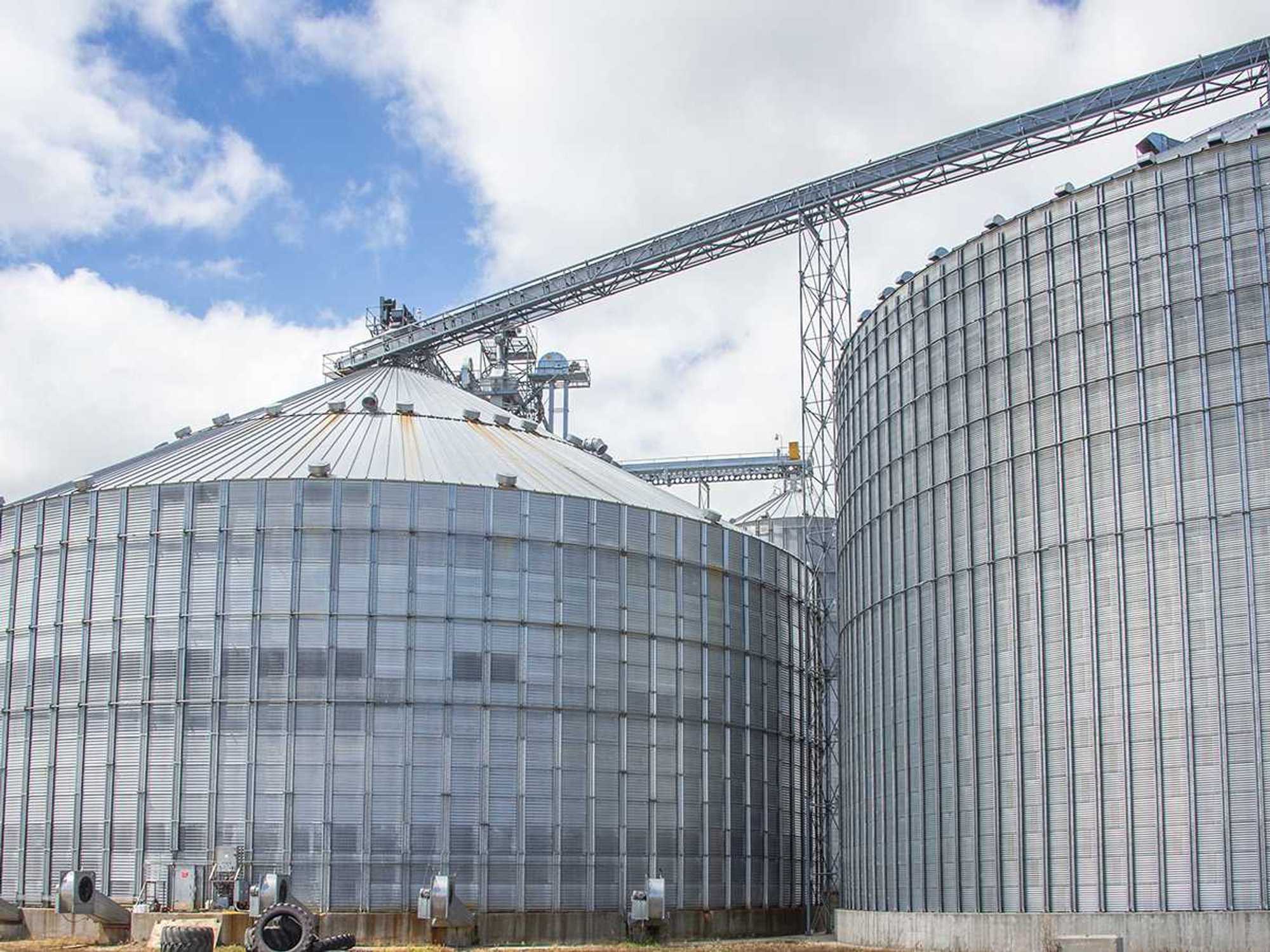
The Occupational Safety and Health Administration (OSHA) created safety standards for General Industry employers under Part 1910. These standards apply to all General Industry employers in the private (non-government) sector, from retail to manufacturing, and from health care to private education establishments. Certain industries, however, involve unique hazards, so OSHA created a number of focused regulations under Subpart R for Special Industries.
These special industries include pulp and paper mills, textiles, bakery equipment, laundry operations, sawmills, logging operations, telecommunications, electric power generation, and grain handling facilities. Despite the term “industry” used, employers should note that covered facilities need not be in a specific industry. For example, the laundry operations standard could apply to a hotel which has its own facilities for laundering of bedding and towels (although the standard notes that it does not apply to dry cleaning).
:
specialized-industries
specialized-industries
FOUNDATIONAL LEARNING
InstituteLaboratory SafetyFormaldehydeDiseases and illnessesFatiguePosture and MovementIndoor Air QualityPandemic FluErgonomicsRepetitive MotionIn Depth (Level 3)HealthcareMachine GuardingSpecialized IndustriesHeat and Cold ExposureHAZWOPER Emergency ResponseInfectious DiseasesSafety & HealthInfectious DiseasesCOVID-19Toxic and Hazardous Substances - OSHAElectrical SafetyLifting and Back SafetyEthylene OxideCarpal Tunnel SyndromeHazardous Materials Safety - OSHARespiratory ProtectionHeat and Cold ExposureFire Protection and PreventionMachine GuardingToxic and Hazardous Substances - OSHAOxygen
Hazards to healthcare workers
InstituteAerial LiftsRepetitive MotionErgonomicsDiseases and illnessesPandemic FluSafety and Health Programs and TrainingHazard CommunicationSpecialized IndustriesInfectious DiseasesForklifts and Powered TrucksElectrical Safety Construction StandardsInjury and Illness Recordkeeping FormsInfectious DiseasesEmergency Planning (OSHA)COVID-19First Aid and MedicalExit RoutesEmergency ExitsEthylene OxideRespiratory ProtectionFire ExtinguishersFire Protection and PreventionFirst Aid and MedicalCranes, Lifts, and ScaffoldingSafety and Health Programs and TrainingPersonal Protective EquipmentElectrical SafetyLockout/TagoutFall ProtectionForklifts and Powered TrucksWalking Working Surfaces
OSHA requirements apply to healthcare
InstituteDiseases and illnessesPandemic FluEmergency AlarmsUSAInjury and Illness RecordkeepingEnglishHealthcareSpecialized IndustriesEmergency Planning - OSHAInfectious DiseasesSafety & HealthWeather and Natural DisastersInjury and Illness RecordkeepingInfectious DiseasesCOVID-19Exit RoutesEmergency Planning (OSHA)Emergency ExitsInjury and Illness Recordkeeping FormsGeneral Industry SafetyOSHA RecordkeepingSpecialized IndustriesAnalysisFocus AreaIn Depth (Level 3)
OSHA requirements relate to accreditation standards
InstituteSafety and Health Programs and TrainingSafety and Health Programs and TrainingUSASanitationEnglishHealthcareEmergency Planning - OSHASpecialized IndustriesSafety & HealthEmergency Planning (OSHA)General Industry SafetySanitationSpecialized IndustriesAnalysisFocus AreaIn Depth (Level 3)
OSHA safety and health program recommendations
InstituteFormaldehydeErgonomicsDiseases and illnessesPandemic FluIn Depth (Level 3)HealthcareSpecialized IndustriesHAZWOPER Emergency ResponseInfectious DiseasesSafety & HealthInfectious DiseasesToxic and Hazardous Substances - OSHALifting and Back SafetyMedical WasteEthylene OxideHazardous Materials Safety - OSHARespiratory ProtectionToxic and Hazardous Substances - OSHAPersonal Protective EquipmentBloodborne Pathogens Prevention and ControlBloodborne PathogensCompressed GasesHAZWOPERRadiationEnglishErgonomicsWorkplace ViolenceWorkplace ViolenceGeneral Industry SafetyWasteHand Protection
OSHA guidance for healthcare
InstituteDiseases and illnessesIndoor Air QualityIndustrial HygieneIn Depth (Level 3)Fire Protection and PreventionHazmatRadiationEnglishHealthcareAir ContaminantsSpecialized IndustriesInfectious DiseasesSafety & HealthVentilationInfectious DiseasesGeneral Industry SafetyFood SafetySpecialized IndustriesHazmat License/Permit/RegistrationFire Protection and PreventionAnalysisFocus AreaToxic and Hazardous Substances - OSHAUSA
Other requirements for healthcare
InstituteHazardous WasteToxic/Hazardous Substance ReleasesWaste GeneratorsCERCLA, SARA, EPCRA SARA CompliancePesticidesCommunity Right to KnowPesticidesWater ProgramsRisk Management ProgramOil Spill PreventionSafety Data Sheet ReportingRisk Management ProgramPesticide ManagementWater ProgramsStormwaterAir PermittingTank SystemsTier II Inventory ReportingSpecialized IndustriesUnderground Storage TanksRelease NotificationsWater PermittingEmergency Release PlanningMedical WasteIndustrial WastewaterFederal Insecticide, Fungicide and Rodenticide ActEthylene OxideWaste PermittingOil SpillsAir Programs
Environmental requirements for healthcare
Specialized industries
InstituteOverview (Level 1)Specialized IndustriesSafety & HealthGeneral Industry SafetySpecialized IndustriesEnglishAnalysisFocus AreaUSA
['Specialized Industries']
The Occupational Safety and Health Administration (OSHA) created safety standards for General Industry employers under Part 1910. These standards apply to all General Industry employers in the private (non-government) sector, from retail to manufacturing, and from health care to private education establishments. Certain industries, however, involve unique hazards, so OSHA created a number of focused regulations under Subpart R for Special Industries.
These special industries include pulp and paper mills, textiles, bakery equipment, laundry operations, sawmills, logging operations, telecommunications, electric power generation, and grain handling facilities. Despite the term “industry” used, employers should note that covered facilities need not be in a specific industry. For example, the laundry operations standard could apply to a hotel which has its own facilities for laundering of bedding and towels (although the standard notes that it does not apply to dry cleaning).
2659661948
UPGRADE TO CONTINUE READING
RELATED TOPICS
J. J. Keller is the trusted source for DOT / Transportation, OSHA / Workplace Safety, Human Resources, Construction Safety and Hazmat / Hazardous Materials regulation compliance products and services. J. J. Keller helps you increase safety awareness, reduce risk, follow best practices, improve safety training, and stay current with changing regulations.
Copyright 2026 J. J. Keller & Associate, Inc. For re-use options please contact copyright@jjkeller.com or call 800-558-5011.