Compliance Just Got Easier: Stay ahead of regulatory changes with instant notifications on updates that matter.
['Specialized Industries']
['Specialized Industries']
06/15/2026

Copyright 2026 J. J. Keller & Associate, Inc. For re-use options please contact copyright@jjkeller.com or call 800-558-5011.
:
|
InstituteSpecialized IndustriesSafety & HealthIn Depth Sub Topics (Level 4)Construction SafetyGeneral Industry SafetyAgriculture SafetyMaritime SafetySpecialized IndustriesEnglishMine SafetyAnalysisFocus AreaUSA
During contract work
['Specialized Industries']
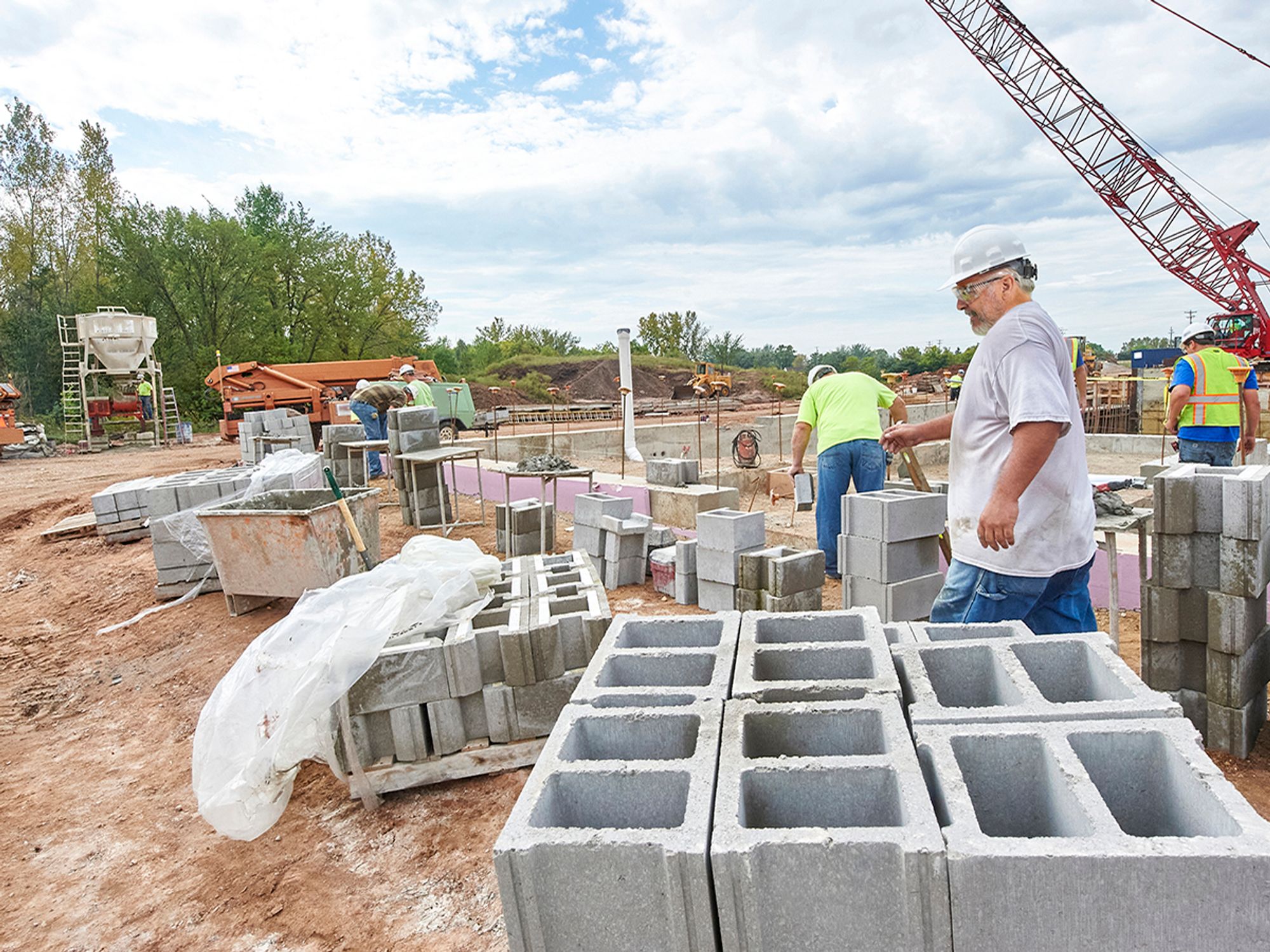
During contract work, the employer must:
- Limit, as necessary, the entry of company employees into contractor work areas;
- Monitor the contractor’s compliance with the contract throughout the duration of the work;
- Document all discussions, including place, time, and names of contractor employees in attendance;
- Approve the contractor beginning work each day, unless it is routine service or maintenance work or periodic outdoor service or maintenance work;
- For work for which your company has developed specific and generally applicable procedures, make sure contractors and their subcontractors follow the same procedures;
- If an unsafe act or a condition is noted that creates an imminent danger of serious injury, take immediate steps to stop the unsafe act or condition. Report the situation to the contractor’s designated representative, or in their absence, the contractor’s employees. Do not allow work that is in violation of a regulation to continue.
- Do not allow loaning of tools and equipment to outside contractors and their subcontractors. The contractor is required to provide the necessary tools and equipment;
- Contact the nearest medical facilities, when available, in emergency situations where severity of the injury dictates immediate attention;
- Get a copy of each OSHA recordable injury report from the contractor and subcontractor;
- Investigate and report to the facility manager all personal injuries to contractor and subcontractor employees;
- Investigate and report any property losses;
- Maintain a contractor accident report file; and
- After conclusion of the contract work, complete a post-project assessment of the contractor’s safety performance for the facility manager to be used for future reference, with a recommendation on whether or not to re-hire the contractor.
:
specialized-industries
specialized-industries
FOUNDATIONAL LEARNING
InstituteLaboratory SafetyFormaldehydeDiseases and illnessesFatiguePosture and MovementIndoor Air QualityPandemic FluErgonomicsRepetitive MotionIn Depth (Level 3)HealthcareMachine GuardingSpecialized IndustriesHeat and Cold ExposureHAZWOPER Emergency ResponseInfectious DiseasesSafety & HealthInfectious DiseasesCOVID-19Toxic and Hazardous Substances - OSHAElectrical SafetyLifting and Back SafetyEthylene OxideCarpal Tunnel SyndromeHazardous Materials Safety - OSHARespiratory ProtectionHeat and Cold ExposureFire Protection and PreventionMachine GuardingToxic and Hazardous Substances - OSHAOxygen
Hazards to healthcare workers
InstituteAerial LiftsRepetitive MotionErgonomicsDiseases and illnessesPandemic FluSafety and Health Programs and TrainingHazard CommunicationSpecialized IndustriesInfectious DiseasesForklifts and Powered TrucksElectrical Safety Construction StandardsInjury and Illness Recordkeeping FormsInfectious DiseasesEmergency Planning (OSHA)COVID-19First Aid and MedicalExit RoutesEmergency ExitsEthylene OxideRespiratory ProtectionFire ExtinguishersFire Protection and PreventionFirst Aid and MedicalCranes, Lifts, and ScaffoldingSafety and Health Programs and TrainingPersonal Protective EquipmentElectrical SafetyLockout/TagoutFall ProtectionForklifts and Powered TrucksWalking Working Surfaces
OSHA requirements apply to healthcare
InstituteDiseases and illnessesPandemic FluEmergency AlarmsUSAInjury and Illness RecordkeepingEnglishHealthcareSpecialized IndustriesEmergency Planning - OSHAInfectious DiseasesSafety & HealthWeather and Natural DisastersInjury and Illness RecordkeepingInfectious DiseasesCOVID-19Exit RoutesEmergency Planning (OSHA)Emergency ExitsInjury and Illness Recordkeeping FormsGeneral Industry SafetyOSHA RecordkeepingSpecialized IndustriesAnalysisFocus AreaIn Depth (Level 3)
OSHA requirements relate to accreditation standards
InstituteSafety and Health Programs and TrainingSafety and Health Programs and TrainingUSASanitationEnglishHealthcareEmergency Planning - OSHASpecialized IndustriesSafety & HealthEmergency Planning (OSHA)General Industry SafetySanitationSpecialized IndustriesAnalysisFocus AreaIn Depth (Level 3)
OSHA safety and health program recommendations
InstituteFormaldehydeErgonomicsDiseases and illnessesPandemic FluIn Depth (Level 3)HealthcareSpecialized IndustriesHAZWOPER Emergency ResponseInfectious DiseasesSafety & HealthInfectious DiseasesToxic and Hazardous Substances - OSHALifting and Back SafetyMedical WasteEthylene OxideHazardous Materials Safety - OSHARespiratory ProtectionToxic and Hazardous Substances - OSHAPersonal Protective EquipmentBloodborne Pathogens Prevention and ControlBloodborne PathogensCompressed GasesHAZWOPERRadiationEnglishErgonomicsWorkplace ViolenceWorkplace ViolenceGeneral Industry SafetyWasteHand Protection
OSHA guidance for healthcare
InstituteDiseases and illnessesIndoor Air QualityIndustrial HygieneIn Depth (Level 3)Fire Protection and PreventionHazmatRadiationEnglishHealthcareAir ContaminantsSpecialized IndustriesInfectious DiseasesSafety & HealthVentilationInfectious DiseasesGeneral Industry SafetyFood SafetySpecialized IndustriesHazmat License/Permit/RegistrationFire Protection and PreventionAnalysisFocus AreaToxic and Hazardous Substances - OSHAUSA
Other requirements for healthcare
InstituteHazardous WasteToxic/Hazardous Substance ReleasesWaste GeneratorsCERCLA, SARA, EPCRA SARA CompliancePesticidesCommunity Right to KnowPesticidesWater ProgramsRisk Management ProgramOil Spill PreventionSafety Data Sheet ReportingRisk Management ProgramPesticide ManagementWater ProgramsStormwaterAir PermittingTank SystemsTier II Inventory ReportingSpecialized IndustriesUnderground Storage TanksRelease NotificationsWater PermittingEmergency Release PlanningMedical WasteIndustrial WastewaterFederal Insecticide, Fungicide and Rodenticide ActEthylene OxideWaste PermittingOil SpillsAir Programs
Environmental requirements for healthcare
During contract work, the employer must:
- Limit, as necessary, the entry of company employees into contractor work areas;
- Monitor the contractor’s compliance with the contract throughout the duration of the work;
- Document all discussions, including place, time, and names of contractor employees in attendance;
- Approve the contractor beginning work each day, unless it is routine service or maintenance work or periodic outdoor service or maintenance work;
- For work for which your company has developed specific and generally applicable procedures, make sure contractors and their subcontractors follow the same procedures;
- If an unsafe act or a condition is noted that creates an imminent danger of serious injury, take immediate steps to stop the unsafe act or condition. Report the situation to the contractor’s designated representative, or in their absence, the contractor’s employees. Do not allow work that is in violation of a regulation to continue.
- Do not allow loaning of tools and equipment to outside contractors and their subcontractors. The contractor is required to provide the necessary tools and equipment;
- Contact the nearest medical facilities, when available, in emergency situations where severity of the injury dictates immediate attention;
- Get a copy of each OSHA recordable injury report from the contractor and subcontractor;
- Investigate and report to the facility manager all personal injuries to contractor and subcontractor employees;
- Investigate and report any property losses;
- Maintain a contractor accident report file; and
- After conclusion of the contract work, complete a post-project assessment of the contractor’s safety performance for the facility manager to be used for future reference, with a recommendation on whether or not to re-hire the contractor.
2659739940
2659739950
UPGRADE TO CONTINUE READING
RELATED TOPICS
J. J. Keller is the trusted source for DOT / Transportation, OSHA / Workplace Safety, Human Resources, Construction Safety and Hazmat / Hazardous Materials regulation compliance products and services. J. J. Keller helps you increase safety awareness, reduce risk, follow best practices, improve safety training, and stay current with changing regulations.
Copyright 2026 J. J. Keller & Associate, Inc. For re-use options please contact copyright@jjkeller.com or call 800-558-5011.