Compliance Just Got Easier: Stay ahead of regulatory changes with instant notifications on updates that matter.
['Specialized Industries']
['Specialized Industries', 'Concrete/Masonry Construction', 'Demolition']
01/03/2024

Copyright 2026 J. J. Keller & Associate, Inc. For re-use options please contact copyright@jjkeller.com or call 800-558-5011.
:
|
InstituteSpecialized IndustriesConcrete/Masonry ConstructionSafety & HealthDemolitionGeneral Industry SafetySpecialized IndustriesEnglishAnalysisFocus AreaCompliance and Exceptions (Level 2)USA
Concrete/Masonry construction
['Specialized Industries']
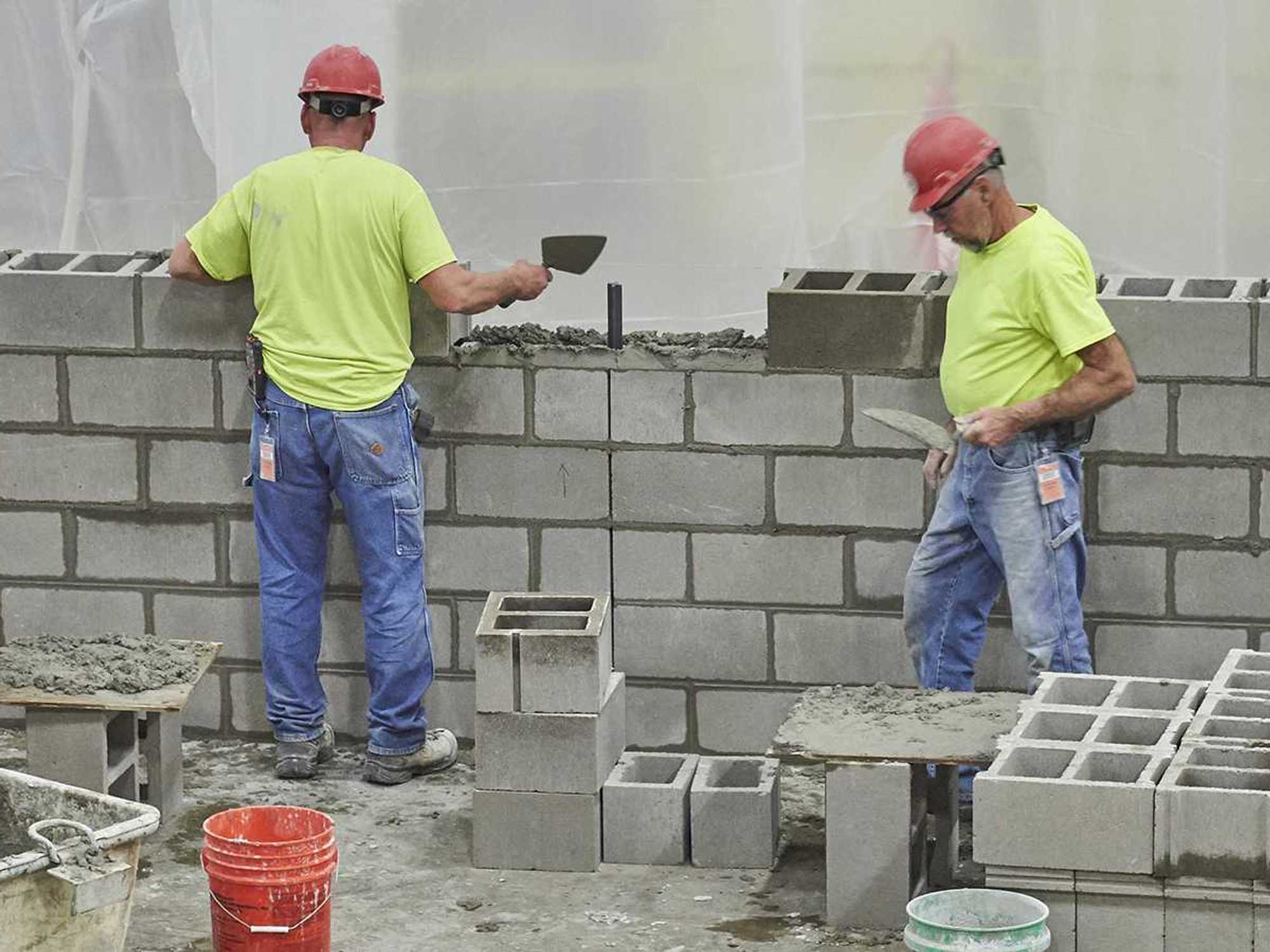
- OSHA’s standard for concrete and masonry construction is designed to protect workers from hazards like premature removal of formwork, failure to brace masonry walls, failure to support precast panels, and more.
The Occupational Safety and Health Administration (OSHA) standard for concrete and masonry construction applies to any employer performing construction activities dealing with concrete and masonry construction. This standard is found at 1926 Subpart Q, 1926.700 through 1926.706.
OSHA’s standard for concrete and masonry construction sets minimum requirements to protect construction workers from accidents and injuries resulting from the:
- Premature removal of formwork,
- Failure to brace masonry walls,
- Failure to support precast panels,
- Inadvertent operation of equipment, and
- Failure to guard reinforcing steel.
The requirements are designed to help protect all construction workers from the hazards associated with concrete and masonry construction operations at construction, demolition, alteration, or repair worksites.
In general, the OSHA standard requires covered employers to:
- Only place construction loads on a concrete structure where the employer has determined, based on information received from a person who is qualified in structural design, that the structure or portion of the structure is capable of supporting the intended loads.
- Guard all protruding reinforcing steel onto and into which employees could fall, to eliminate the hazard of impalement.
- Prohibit employees (except those essential to the post-tensioning operations) from being behind the jack during tensioning operations. Erect signs and barriers to limit employee access to the post-tensioning area during tensioning operations.
- Ensure concrete buckets are not used to move employees.
- Prohibit employees from working under concrete buckets while the buckets are being elevated or lowered into position.
- Require employees to wear protective head and face equipment when applying a cement, sand, and water mixture through a pneumatic hose.
- Follow the requirements for equipment, tools, and operations.
:
specialized-industries
specialized-industries
FOUNDATIONAL LEARNING
InstituteLaboratory SafetyFormaldehydeDiseases and illnessesFatiguePosture and MovementIndoor Air QualityPandemic FluErgonomicsRepetitive MotionIn Depth (Level 3)HealthcareMachine GuardingSpecialized IndustriesHeat and Cold ExposureHAZWOPER Emergency ResponseInfectious DiseasesSafety & HealthInfectious DiseasesCOVID-19Toxic and Hazardous Substances - OSHAElectrical SafetyLifting and Back SafetyEthylene OxideCarpal Tunnel SyndromeHazardous Materials Safety - OSHARespiratory ProtectionHeat and Cold ExposureFire Protection and PreventionMachine GuardingToxic and Hazardous Substances - OSHAOxygen
Hazards to healthcare workers
InstituteAerial LiftsRepetitive MotionErgonomicsDiseases and illnessesPandemic FluSafety and Health Programs and TrainingHazard CommunicationSpecialized IndustriesInfectious DiseasesForklifts and Powered TrucksElectrical Safety Construction StandardsInjury and Illness Recordkeeping FormsInfectious DiseasesEmergency Planning (OSHA)COVID-19First Aid and MedicalExit RoutesEmergency ExitsEthylene OxideRespiratory ProtectionFire ExtinguishersFire Protection and PreventionFirst Aid and MedicalCranes, Lifts, and ScaffoldingSafety and Health Programs and TrainingPersonal Protective EquipmentElectrical SafetyLockout/TagoutFall ProtectionForklifts and Powered TrucksWalking Working Surfaces
OSHA requirements apply to healthcare
InstituteDiseases and illnessesPandemic FluEmergency AlarmsUSAInjury and Illness RecordkeepingEnglishHealthcareSpecialized IndustriesEmergency Planning - OSHAInfectious DiseasesSafety & HealthWeather and Natural DisastersInjury and Illness RecordkeepingInfectious DiseasesCOVID-19Exit RoutesEmergency Planning (OSHA)Emergency ExitsInjury and Illness Recordkeeping FormsGeneral Industry SafetyOSHA RecordkeepingSpecialized IndustriesAnalysisFocus AreaIn Depth (Level 3)
OSHA requirements relate to accreditation standards
InstituteSafety and Health Programs and TrainingSafety and Health Programs and TrainingUSASanitationEnglishHealthcareEmergency Planning - OSHASpecialized IndustriesSafety & HealthEmergency Planning (OSHA)General Industry SafetySanitationSpecialized IndustriesAnalysisFocus AreaIn Depth (Level 3)
OSHA safety and health program recommendations
InstituteFormaldehydeErgonomicsDiseases and illnessesPandemic FluIn Depth (Level 3)HealthcareSpecialized IndustriesHAZWOPER Emergency ResponseInfectious DiseasesSafety & HealthInfectious DiseasesToxic and Hazardous Substances - OSHALifting and Back SafetyMedical WasteEthylene OxideHazardous Materials Safety - OSHARespiratory ProtectionToxic and Hazardous Substances - OSHAPersonal Protective EquipmentBloodborne Pathogens Prevention and ControlBloodborne PathogensCompressed GasesHAZWOPERRadiationEnglishErgonomicsWorkplace ViolenceWorkplace ViolenceGeneral Industry SafetyWasteHand Protection
OSHA guidance for healthcare
InstituteDiseases and illnessesIndoor Air QualityIndustrial HygieneIn Depth (Level 3)Fire Protection and PreventionHazmatRadiationEnglishHealthcareAir ContaminantsSpecialized IndustriesInfectious DiseasesSafety & HealthVentilationInfectious DiseasesGeneral Industry SafetyFood SafetySpecialized IndustriesHazmat License/Permit/RegistrationFire Protection and PreventionAnalysisFocus AreaToxic and Hazardous Substances - OSHAUSA
Other requirements for healthcare
InstituteHazardous WasteToxic/Hazardous Substance ReleasesWaste GeneratorsCERCLA, SARA, EPCRA SARA CompliancePesticidesCommunity Right to KnowPesticidesWater ProgramsRisk Management ProgramOil Spill PreventionSafety Data Sheet ReportingRisk Management ProgramPesticide ManagementWater ProgramsStormwaterAir PermittingTank SystemsTier II Inventory ReportingSpecialized IndustriesUnderground Storage TanksRelease NotificationsWater PermittingEmergency Release PlanningMedical WasteIndustrial WastewaterFederal Insecticide, Fungicide and Rodenticide ActEthylene OxideWaste PermittingOil SpillsAir Programs
Environmental requirements for healthcare
Concrete/Masonry construction
InstituteSpecialized IndustriesConcrete/Masonry ConstructionSafety & HealthDemolitionGeneral Industry SafetySpecialized IndustriesEnglishAnalysisFocus AreaCompliance and Exceptions (Level 2)USA
['Specialized Industries']
- OSHA’s standard for concrete and masonry construction is designed to protect workers from hazards like premature removal of formwork, failure to brace masonry walls, failure to support precast panels, and more.
The Occupational Safety and Health Administration (OSHA) standard for concrete and masonry construction applies to any employer performing construction activities dealing with concrete and masonry construction. This standard is found at 1926 Subpart Q, 1926.700 through 1926.706.
OSHA’s standard for concrete and masonry construction sets minimum requirements to protect construction workers from accidents and injuries resulting from the:
- Premature removal of formwork,
- Failure to brace masonry walls,
- Failure to support precast panels,
- Inadvertent operation of equipment, and
- Failure to guard reinforcing steel.
The requirements are designed to help protect all construction workers from the hazards associated with concrete and masonry construction operations at construction, demolition, alteration, or repair worksites.
In general, the OSHA standard requires covered employers to:
- Only place construction loads on a concrete structure where the employer has determined, based on information received from a person who is qualified in structural design, that the structure or portion of the structure is capable of supporting the intended loads.
- Guard all protruding reinforcing steel onto and into which employees could fall, to eliminate the hazard of impalement.
- Prohibit employees (except those essential to the post-tensioning operations) from being behind the jack during tensioning operations. Erect signs and barriers to limit employee access to the post-tensioning area during tensioning operations.
- Ensure concrete buckets are not used to move employees.
- Prohibit employees from working under concrete buckets while the buckets are being elevated or lowered into position.
- Require employees to wear protective head and face equipment when applying a cement, sand, and water mixture through a pneumatic hose.
- Follow the requirements for equipment, tools, and operations.
2659739942
2656868257
UPGRADE TO CONTINUE READING
RELATED TOPICS
J. J. Keller is the trusted source for DOT / Transportation, OSHA / Workplace Safety, Human Resources, Construction Safety and Hazmat / Hazardous Materials regulation compliance products and services. J. J. Keller helps you increase safety awareness, reduce risk, follow best practices, improve safety training, and stay current with changing regulations.
Copyright 2026 J. J. Keller & Associate, Inc. For re-use options please contact copyright@jjkeller.com or call 800-558-5011.