Compliance Just Got Easier: Stay ahead of regulatory changes with instant notifications on updates that matter.
['Specialized Industries']
['Specialized Industries']
12/19/2025

Copyright 2026 J. J. Keller & Associate, Inc. For re-use options please contact copyright@jjkeller.com or call 800-558-5011.
:
|
InstituteSpecialized IndustriesSafety & HealthConstruction SafetyGeneral Industry SafetyAgriculture SafetyMaritime SafetySpecialized IndustriesUSAEnglishMine SafetyAnalysisFocus AreaIn Depth (Level 3)
Employer responsibilities
['Specialized Industries']
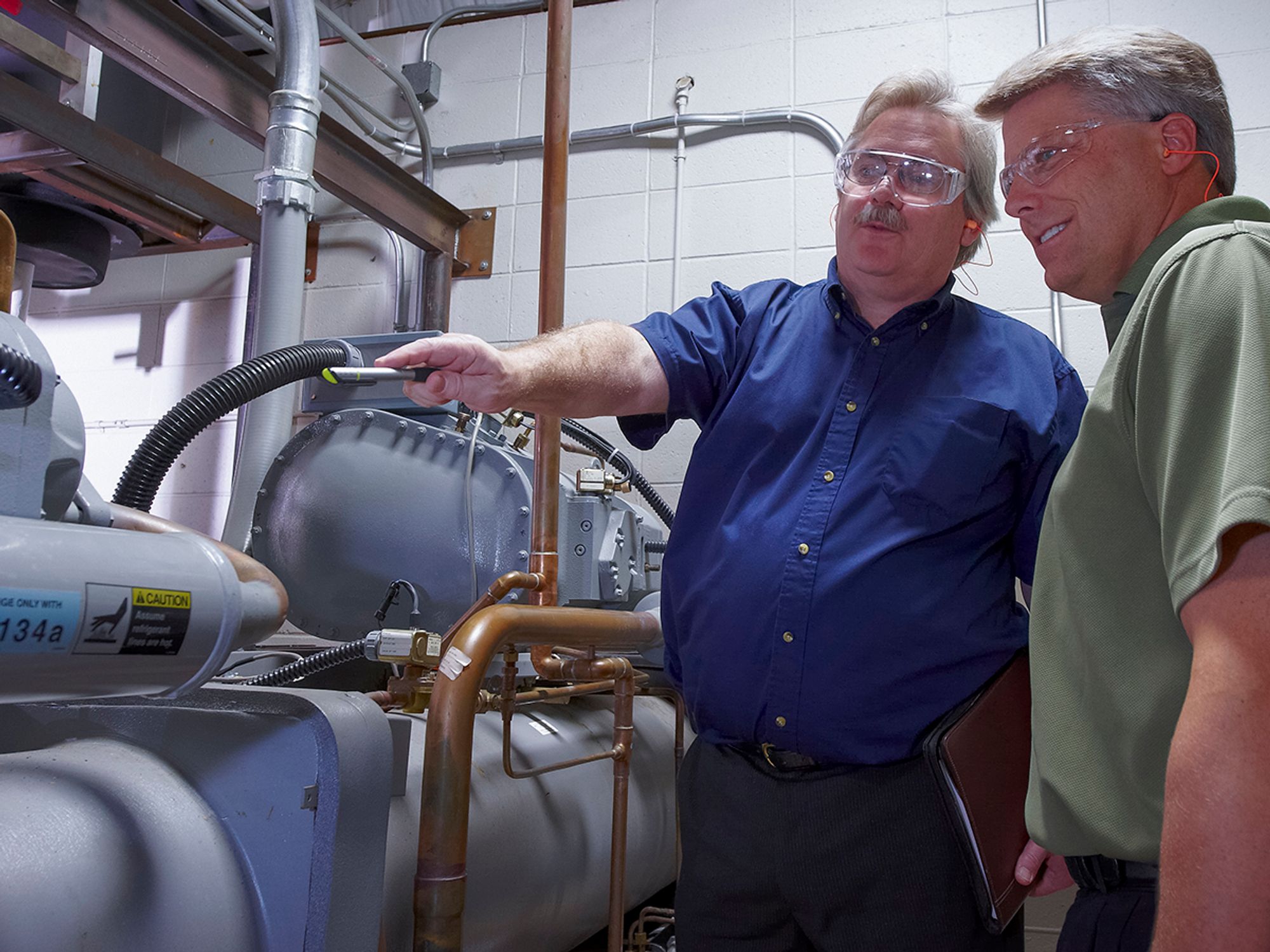
Both the employer and the contractor have a responsibility to comply with safety regulations. Employer responsibilities when working with contractors is to still provide a safe and healthful workplace. However, it becomes even more vital to establish clear expectations, communicate openly, provide necessary training, and monitor activities when contractors are involved.
Host employers have the responsibility to ensure contractors understand expectations and responsibilities for assigned tasks before, during, and after work is performed. Employers should carefully review contractor safety programs to ensure they align with company requirements and develop a written plan or contract addressing individual responsibilities.
Ultimately, the employer is responsible for hazardous conditions specific to their workplace. The contractor is responsible for hazards they may bring onto or create on site, as well as ensuring their employees understand how to perform their jobs safely.
:
specialized-industries
specialized-industries
FOUNDATIONAL LEARNING
InstituteLaboratory SafetyFormaldehydeDiseases and illnessesFatiguePosture and MovementIndoor Air QualityPandemic FluErgonomicsRepetitive MotionIn Depth (Level 3)HealthcareMachine GuardingSpecialized IndustriesHeat and Cold ExposureHAZWOPER Emergency ResponseInfectious DiseasesSafety & HealthInfectious DiseasesCOVID-19Toxic and Hazardous Substances - OSHAElectrical SafetyLifting and Back SafetyEthylene OxideCarpal Tunnel SyndromeHazardous Materials Safety - OSHARespiratory ProtectionHeat and Cold ExposureFire Protection and PreventionMachine GuardingToxic and Hazardous Substances - OSHAOxygen
Hazards to healthcare workers
InstituteAerial LiftsRepetitive MotionErgonomicsDiseases and illnessesPandemic FluSafety and Health Programs and TrainingHazard CommunicationSpecialized IndustriesInfectious DiseasesForklifts and Powered TrucksElectrical Safety Construction StandardsInjury and Illness Recordkeeping FormsInfectious DiseasesEmergency Planning (OSHA)COVID-19First Aid and MedicalExit RoutesEmergency ExitsEthylene OxideRespiratory ProtectionFire ExtinguishersFire Protection and PreventionFirst Aid and MedicalCranes, Lifts, and ScaffoldingSafety and Health Programs and TrainingPersonal Protective EquipmentElectrical SafetyLockout/TagoutFall ProtectionForklifts and Powered TrucksWalking Working Surfaces
OSHA requirements apply to healthcare
InstituteDiseases and illnessesPandemic FluIn Depth (Level 3)USAEnglishHealthcareSpecialized IndustriesEmergency Planning - OSHAInfectious DiseasesSafety & HealthWeather and Natural DisastersInjury and Illness RecordkeepingInfectious DiseasesCOVID-19Exit RoutesEmergency Planning (OSHA)Emergency ExitsInjury and Illness Recordkeeping FormsGeneral Industry SafetyOSHA RecordkeepingSpecialized IndustriesFocus AreaAnalysisEmergency AlarmsInjury and Illness Recordkeeping
OSHA requirements relate to accreditation standards
InstituteSafety and Health Programs and TrainingSafety and Health Programs and TrainingUSASanitationEnglishHealthcareEmergency Planning - OSHASpecialized IndustriesSafety & HealthEmergency Planning (OSHA)General Industry SafetySanitationSpecialized IndustriesAnalysisFocus AreaIn Depth (Level 3)
OSHA safety and health program recommendations
InstituteFormaldehydeDiseases and illnessesErgonomicsPandemic FluIn Depth (Level 3)HealthcareSpecialized IndustriesHAZWOPER Emergency ResponseInfectious DiseasesSafety & HealthInfectious DiseasesToxic and Hazardous Substances - OSHALifting and Back SafetyMedical WasteEthylene OxideHazardous Materials Safety - OSHARespiratory ProtectionToxic and Hazardous Substances - OSHAPersonal Protective EquipmentBloodborne Pathogens Prevention and ControlBloodborne PathogensCompressed GasesHAZWOPERRadiationEnglishErgonomicsWorkplace ViolenceWorkplace ViolenceGeneral Industry SafetyWasteHand Protection
OSHA guidance for healthcare
InstituteDiseases and illnessesIndoor Air QualityIndustrial HygieneIn Depth (Level 3)Fire Protection and PreventionHazmatRadiationEnglishHealthcareAir ContaminantsSpecialized IndustriesInfectious DiseasesSafety & HealthVentilationInfectious DiseasesGeneral Industry SafetyFood SafetySpecialized IndustriesHazmat License/Permit/RegistrationFire Protection and PreventionAnalysisFocus AreaToxic and Hazardous Substances - OSHAUSA
Other requirements for healthcare
Employer responsibilities
InstituteSpecialized IndustriesSafety & HealthConstruction SafetyGeneral Industry SafetyAgriculture SafetyMaritime SafetySpecialized IndustriesUSAEnglishMine SafetyAnalysisFocus AreaIn Depth (Level 3)
['Specialized Industries']
Both the employer and the contractor have a responsibility to comply with safety regulations. Employer responsibilities when working with contractors is to still provide a safe and healthful workplace. However, it becomes even more vital to establish clear expectations, communicate openly, provide necessary training, and monitor activities when contractors are involved.
Host employers have the responsibility to ensure contractors understand expectations and responsibilities for assigned tasks before, during, and after work is performed. Employers should carefully review contractor safety programs to ensure they align with company requirements and develop a written plan or contract addressing individual responsibilities.
Ultimately, the employer is responsible for hazardous conditions specific to their workplace. The contractor is responsible for hazards they may bring onto or create on site, as well as ensuring their employees understand how to perform their jobs safely.
2659739940
UPGRADE TO CONTINUE READING
RELATED TOPICS
J. J. Keller is the trusted source for DOT / Transportation, OSHA / Workplace Safety, Human Resources, Construction Safety and Hazmat / Hazardous Materials regulation compliance products and services. J. J. Keller helps you increase safety awareness, reduce risk, follow best practices, improve safety training, and stay current with changing regulations.
Copyright 2026 J. J. Keller & Associate, Inc. For re-use options please contact copyright@jjkeller.com or call 800-558-5011.