Compliance Just Got Easier: Stay ahead of regulatory changes with instant notifications on updates that matter.
['Accident Investigation - OSHA']
['Accident Investigation - OSHA']
04/14/2026

Copyright 2026 J. J. Keller & Associate, Inc. For re-use options please contact copyright@jjkeller.com or call 800-558-5011.
:
|
InstituteAccident Investigation - OSHAAccident Investigation - OSHASafety & HealthGeneral Industry SafetyEnglishAnalysisFocus AreaCompliance and Exceptions (Level 2)USA
Why investigate incidents?
['Accident Investigation - OSHA']
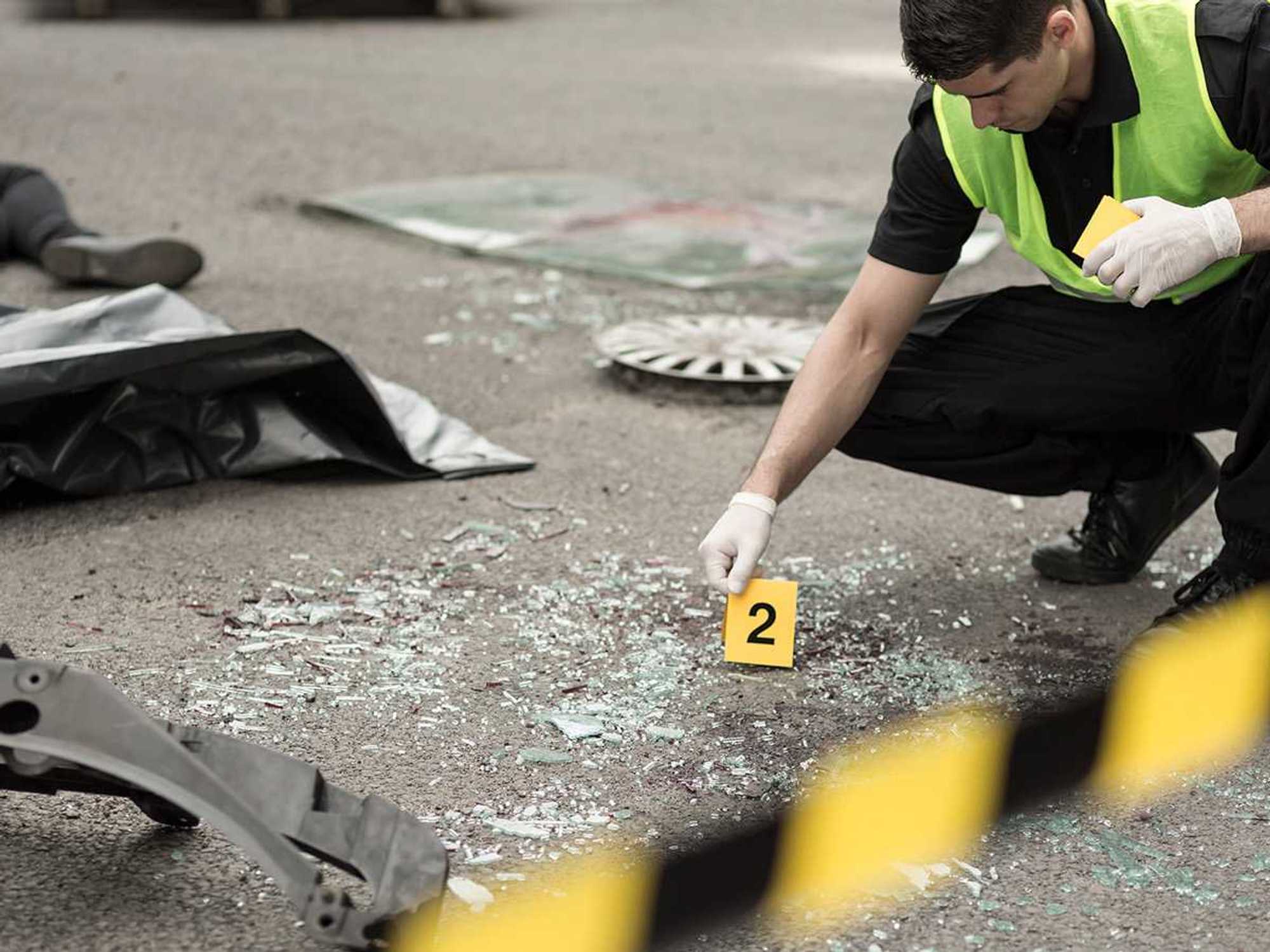
- Conclusions emerging from an incident investigation can be essential to preventing future incidents.
- Identifying root causes, exposing errors in processes, and correcting unsafe actions or procedures are among the key objectives of an incident investigation.
When an investigation is performed properly, the results can provide important information to help prevent future incidents. Breaking the chain of incident repetition is one of the most important reasons for incident investigations.
Showing concern for employees is another important aspect. Thorough investigations show employees that their employer is committed to providing a healthy and safe working environment. In contrast, poor incident investigations that only address what happened (or blame employees) may give employees the impression that the company doesn’t care about them.
Unfortunately, many employers and employees feel that the main reason for incident investigation is to find fault. Worse, supervisors may openly reprimand those involved in an incident in front of their peers. Employees may be suspended from work, reassigned to a different work area, or required to attend refresher training. Some employees may even be fired for being involved in an incident. Such consequences discourage interest and participation in the incident investigation. Participation can be encouraged, however, if employees understand the importance of incident investigations and the reasons for conducting an investigation.
Investigation objectives
To promote the need for incident investigations, it is a good idea to have some main objectives in mind. While there are more than four objectives, at least these four should always be considered:
- Demonstrating to employees that their safety and well-being is of highest priority,
- Examining the circumstances in which the incident occurred,
- Determining what changes need to be made to correct the immediate problem(s) that appeared to have caused the incident and
- Analyzing the entire safety management process to prevent incidents and the recurrence of incidents.
Identifying root causes
Identifying root causes is the central purpose behind incident investigations. The goal should be to identify failures at a deep level in order to prevent not only a recurrence of the incident, but all potential incidents stemming from the same root cause.
Exposing errors in processes
Exposing errors in processes is an important part of the investigation because one or more errors may have played a part in the incident The following list provides some examples of possible errors in processes:
- Lack of proper tools or equipment,
- Lack of guards or similar safety devices,
- Unsafe or defective equipment,
- Poor housekeeping,
- Improper use of tools or equipment,
- Lack of protective clothing and equipment,
- Inattention or neglect of safe practices,
- Lack of awareness of hazards involved,
- Improper training, or
- Failure to follow prescribed procedures.
Correcting unsafe acts and conditions
While investigating an incident, some unsafe conditions likely will be discovered. In addition to conditions that may have caused the incident, other conditions that may have contributed to the incident in some way might also be discovered.
:
accident-investigation-osha
accident-investigation-osha
FOUNDATIONAL LEARNING
Why investigate incidents?
InstituteAccident Investigation - OSHAAccident Investigation - OSHASafety & HealthGeneral Industry SafetyEnglishAnalysisFocus AreaCompliance and Exceptions (Level 2)USA
['Accident Investigation - OSHA']
- Conclusions emerging from an incident investigation can be essential to preventing future incidents.
- Identifying root causes, exposing errors in processes, and correcting unsafe actions or procedures are among the key objectives of an incident investigation.
When an investigation is performed properly, the results can provide important information to help prevent future incidents. Breaking the chain of incident repetition is one of the most important reasons for incident investigations.
Showing concern for employees is another important aspect. Thorough investigations show employees that their employer is committed to providing a healthy and safe working environment. In contrast, poor incident investigations that only address what happened (or blame employees) may give employees the impression that the company doesn’t care about them.
Unfortunately, many employers and employees feel that the main reason for incident investigation is to find fault. Worse, supervisors may openly reprimand those involved in an incident in front of their peers. Employees may be suspended from work, reassigned to a different work area, or required to attend refresher training. Some employees may even be fired for being involved in an incident. Such consequences discourage interest and participation in the incident investigation. Participation can be encouraged, however, if employees understand the importance of incident investigations and the reasons for conducting an investigation.
Investigation objectives
To promote the need for incident investigations, it is a good idea to have some main objectives in mind. While there are more than four objectives, at least these four should always be considered:
- Demonstrating to employees that their safety and well-being is of highest priority,
- Examining the circumstances in which the incident occurred,
- Determining what changes need to be made to correct the immediate problem(s) that appeared to have caused the incident and
- Analyzing the entire safety management process to prevent incidents and the recurrence of incidents.
Identifying root causes
Identifying root causes is the central purpose behind incident investigations. The goal should be to identify failures at a deep level in order to prevent not only a recurrence of the incident, but all potential incidents stemming from the same root cause.
Exposing errors in processes
Exposing errors in processes is an important part of the investigation because one or more errors may have played a part in the incident The following list provides some examples of possible errors in processes:
- Lack of proper tools or equipment,
- Lack of guards or similar safety devices,
- Unsafe or defective equipment,
- Poor housekeeping,
- Improper use of tools or equipment,
- Lack of protective clothing and equipment,
- Inattention or neglect of safe practices,
- Lack of awareness of hazards involved,
- Improper training, or
- Failure to follow prescribed procedures.
Correcting unsafe acts and conditions
While investigating an incident, some unsafe conditions likely will be discovered. In addition to conditions that may have caused the incident, other conditions that may have contributed to the incident in some way might also be discovered.
2657011096
2657010538
UPGRADE TO CONTINUE READING
RELATED TOPICS
J. J. Keller is the trusted source for DOT / Transportation, OSHA / Workplace Safety, Human Resources, Construction Safety and Hazmat / Hazardous Materials regulation compliance products and services. J. J. Keller helps you increase safety awareness, reduce risk, follow best practices, improve safety training, and stay current with changing regulations.
Copyright 2026 J. J. Keller & Associate, Inc. For re-use options please contact copyright@jjkeller.com or call 800-558-5011.