Compliance Just Got Easier: Stay ahead of regulatory changes with instant notifications on updates that matter.
['CMV Parts and Maintenance']
['Rear bumper', 'Vehicle breakdown and road repair', 'CMV lights, reflectors, and reflective tape', 'Tires', 'Fire extinguishers - Motor Carrier', 'Brakes', 'Parts and Accessories - Motor Carrier', 'Vehicle maintenance', 'Warning devices']
07/07/2026

Copyright 2026 J. J. Keller & Associate, Inc. For re-use options please contact copyright@jjkeller.com or call 800-558-5011.
:
|
InstituteVehicle breakdown and road repairTiresCMV Parts and MaintenanceCMV lights, reflectors, and reflective tapeParts and Accessories - Motor CarrierEnglishVehicle maintenanceRear bumperWarning devicesFire extinguishers - Motor CarrierFocus AreaFleet OperationsBrakesAnalysisTransportationCompliance and Exceptions (Level 2)USA
Who must comply?
['CMV Parts and Maintenance']
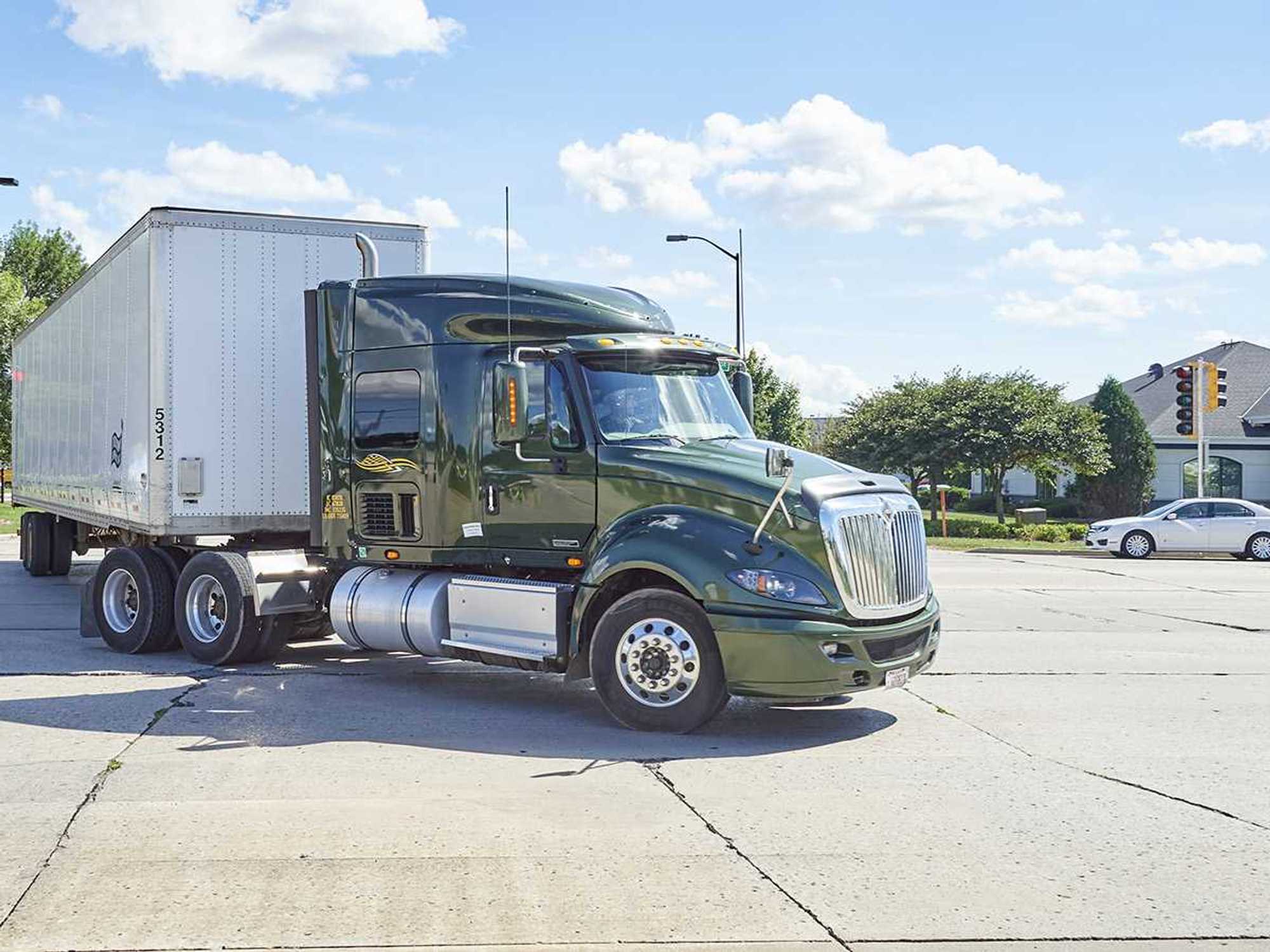
- The FMCSRs, including equipment specifications, apply to all employers, employees, and CMVs that transport property or passengers in interstate commerce.
The Federal Motor Carrier Safety Regulations (FMCSRs), including the equipment specifications, apply to all commercial motor vehicles (CMVs) and the employers and employees operating them.
A “commercial motor vehicle” is any self-propelled or towed motor vehicle used on a public roadway in interstate commerce to transport passengers or property when the vehicle:
- Has a gross vehicle weight rating (GVWR), gross combination weight rating (GCWR), gross vehicle weight (GVW), or gross combination weight (GCW) of 10,001 pounds or more, whichever is greater; or
- Is designed or used to transport 9 or more passengers (including the driver) for compensation, or 16 or more passengers (including the driver) not for compensation; or
- Is used to transport hazardous materials in a quantity requiring placarding.
Refer to 390.3 for details on how the rules apply and any exemptions.
Note: Part 399 prescribes the step, handhold, and deck requirements for trucks and truck-tractors that have a high-profile cab-over-engine configuration, for entrance, egress, and back of cab access, manufactured on or before September 1, 1982.
:
cmv-parts-and-maintenance
FOUNDATIONAL LEARNING
InstituteOverview (Level 1)TiresVehicle breakdown and road repairCMV Parts and MaintenanceTransportationCMV lights, reflectors, and reflective tapeParts and Accessories - Motor CarrierEnglishVehicle maintenanceRear bumperWarning devicesFire extinguishers - Motor CarrierFleet OperationsBrakesAnalysisFocus AreaUSA
CMV parts and maintenance
InstituteVehicle breakdown and road repairTiresCMV Parts and MaintenanceCMV lights, reflectors, and reflective tapeParts and Accessories - Motor CarrierEnglishVehicle maintenanceRear bumperWarning devicesFire extinguishers - Motor CarrierFocus AreaFleet OperationsBrakesAnalysisTransportationCompliance and Exceptions (Level 2)USA
Who must comply?
InstituteVehicle breakdown and road repairTiresCMV Parts and MaintenanceCMV lights, reflectors, and reflective tapeParts and Accessories - Motor CarrierUSAEnglishVehicle maintenanceRear bumperWarning devicesFire extinguishers - Motor CarrierFocus AreaFleet OperationsBrakesAnalysisTransportationIn Depth (Level 3)
Exemptions
Who must comply?
InstituteVehicle breakdown and road repairTiresCMV Parts and MaintenanceCMV lights, reflectors, and reflective tapeParts and Accessories - Motor CarrierEnglishVehicle maintenanceRear bumperWarning devicesFire extinguishers - Motor CarrierFocus AreaFleet OperationsBrakesAnalysisTransportationCompliance and Exceptions (Level 2)USA
['CMV Parts and Maintenance']
- The FMCSRs, including equipment specifications, apply to all employers, employees, and CMVs that transport property or passengers in interstate commerce.
The Federal Motor Carrier Safety Regulations (FMCSRs), including the equipment specifications, apply to all commercial motor vehicles (CMVs) and the employers and employees operating them.
A “commercial motor vehicle” is any self-propelled or towed motor vehicle used on a public roadway in interstate commerce to transport passengers or property when the vehicle:
- Has a gross vehicle weight rating (GVWR), gross combination weight rating (GCWR), gross vehicle weight (GVW), or gross combination weight (GCW) of 10,001 pounds or more, whichever is greater; or
- Is designed or used to transport 9 or more passengers (including the driver) for compensation, or 16 or more passengers (including the driver) not for compensation; or
- Is used to transport hazardous materials in a quantity requiring placarding.
Refer to 390.3 for details on how the rules apply and any exemptions.
Note: Part 399 prescribes the step, handhold, and deck requirements for trucks and truck-tractors that have a high-profile cab-over-engine configuration, for entrance, egress, and back of cab access, manufactured on or before September 1, 1982.
2657098210
2657098183
UPGRADE TO CONTINUE READING
RELATED TOPICS
J. J. Keller is the trusted source for DOT / Transportation, OSHA / Workplace Safety, Human Resources, Construction Safety and Hazmat / Hazardous Materials regulation compliance products and services. J. J. Keller helps you increase safety awareness, reduce risk, follow best practices, improve safety training, and stay current with changing regulations.
Copyright 2026 J. J. Keller & Associate, Inc. For re-use options please contact copyright@jjkeller.com or call 800-558-5011.