Compliance Just Got Easier: Stay ahead of regulatory changes with instant notifications on updates that matter.
['Welding and Cutting']
['Welding and Cutting', 'Hot Work']
04/27/2026

Copyright 2026 J. J. Keller & Associate, Inc. For re-use options please contact copyright@jjkeller.com or call 800-558-5011.
:
|
InstituteHot WorkWelding and CuttingFocus AreaEnglishAnalysisIn Depth Sub Topics (Level 4)Welding and CuttingUSA
Welder's anthrax
['Welding and Cutting']
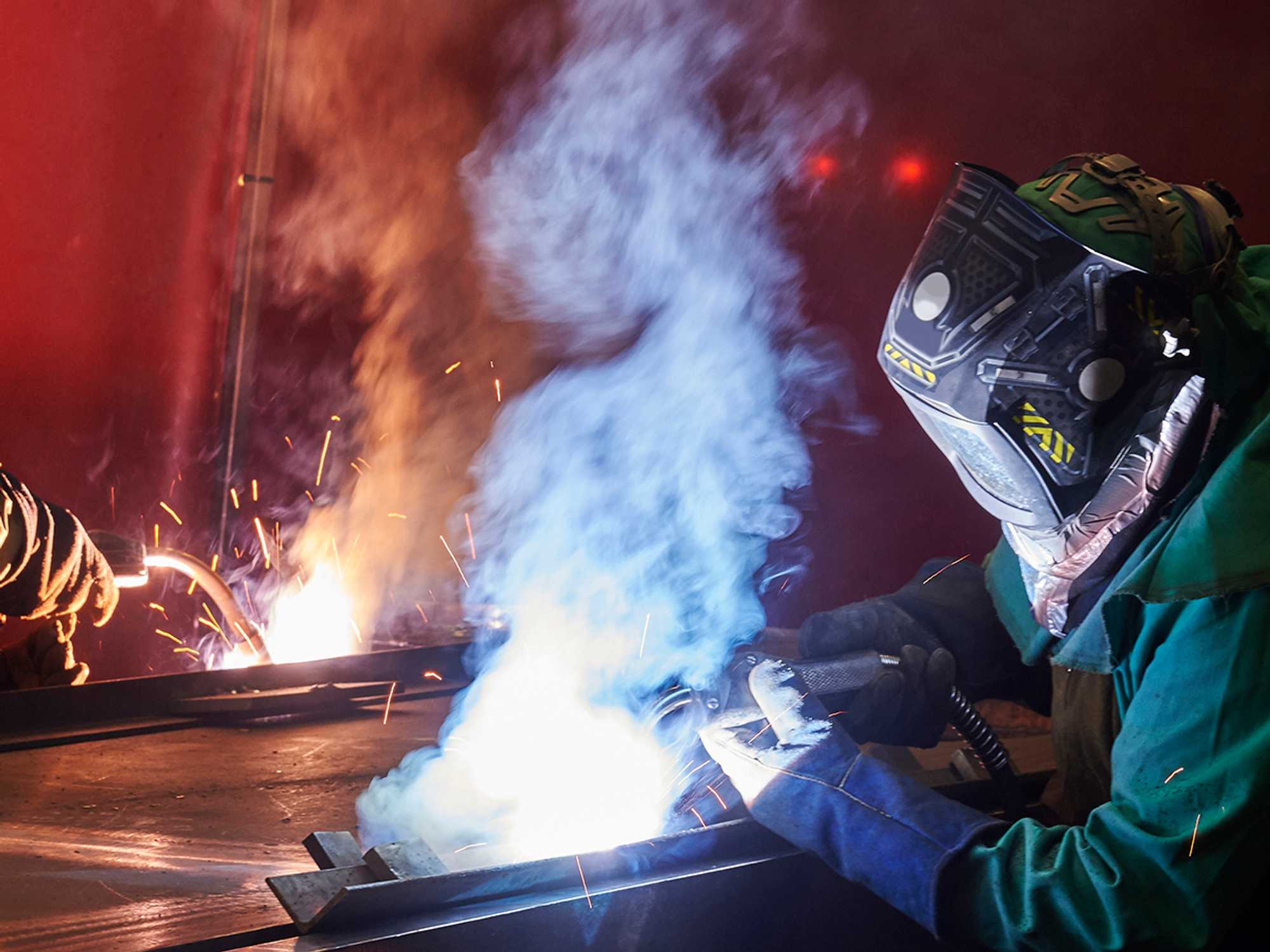
Inhalation of ferrous and other metal fumes may predispose welders to a rare but severe lung infection caused by anthrax toxins produced by Bacillus group bacteria that are found naturally in soils in and near subtropical locations. The infection is called welder’s anthrax. Employers should consider the following to prevent the potential for exposure to anthrax bacteria:
- Use directional airflow from local exhaust ventilation (or wind if outdoors) to keep environmental dust and welding fumes away from the welders’ breathing zone.
- Add disinfectants to metalworking fluids to inhibit microbial contamination.
- Train at-risk welders and other metalworkers about the symptoms of pneumonia, including welder’s anthrax.
- Ensure welding surfaces are free of any coatings, dirt, and dust.
- Clean work areas with vacuums equipped with high-efficiency particulate air (HEPA) filters and wet mop, to minimize the creation of dust.
- Prohibit dry sweeping.
- Prior to beginning welding and metalwork, use tarps, water, or commercial soil stabilization products outdoors to suppress dust.
- Change metalworking fluids frequently or on a consistent schedule to prevent contamination.
- Provide coveralls and work boots to prevent contamination of clothing.
- Provide NIOSH-approved respirators as needed to prevent inhalation of fine metal shavings and soil or dust that may be contaminated with harmful bacteria.
- Train workers who wear respiratory protection.
:
welding-and-cutting
welding-and-cutting
FOUNDATIONAL LEARNING
Welder's anthrax
InstituteHot WorkWelding and CuttingFocus AreaEnglishAnalysisIn Depth Sub Topics (Level 4)Welding and CuttingUSA
['Welding and Cutting']
Inhalation of ferrous and other metal fumes may predispose welders to a rare but severe lung infection caused by anthrax toxins produced by Bacillus group bacteria that are found naturally in soils in and near subtropical locations. The infection is called welder’s anthrax. Employers should consider the following to prevent the potential for exposure to anthrax bacteria:
- Use directional airflow from local exhaust ventilation (or wind if outdoors) to keep environmental dust and welding fumes away from the welders’ breathing zone.
- Add disinfectants to metalworking fluids to inhibit microbial contamination.
- Train at-risk welders and other metalworkers about the symptoms of pneumonia, including welder’s anthrax.
- Ensure welding surfaces are free of any coatings, dirt, and dust.
- Clean work areas with vacuums equipped with high-efficiency particulate air (HEPA) filters and wet mop, to minimize the creation of dust.
- Prohibit dry sweeping.
- Prior to beginning welding and metalwork, use tarps, water, or commercial soil stabilization products outdoors to suppress dust.
- Change metalworking fluids frequently or on a consistent schedule to prevent contamination.
- Provide coveralls and work boots to prevent contamination of clothing.
- Provide NIOSH-approved respirators as needed to prevent inhalation of fine metal shavings and soil or dust that may be contaminated with harmful bacteria.
- Train workers who wear respiratory protection.
2656948693
2656948695
UPGRADE TO CONTINUE READING
J. J. Keller is the trusted source for DOT / Transportation, OSHA / Workplace Safety, Human Resources, Construction Safety and Hazmat / Hazardous Materials regulation compliance products and services. J. J. Keller helps you increase safety awareness, reduce risk, follow best practices, improve safety training, and stay current with changing regulations.
Copyright 2026 J. J. Keller & Associate, Inc. For re-use options please contact copyright@jjkeller.com or call 800-558-5011.