Compliance Just Got Easier: Stay ahead of regulatory changes with instant notifications on updates that matter.
['Welding and Cutting']
['Hot Work', 'Welding and Cutting']
06/16/2026

Copyright 2026 J. J. Keller & Associate, Inc. For re-use options please contact copyright@jjkeller.com or call 800-558-5011.
:
|
InstituteHot WorkWelding and CuttingUSAEnglishAnalysisFocus AreaWelding and CuttingIn Depth (Level 3)
Hot work and fire watchers in construction
['Welding and Cutting']
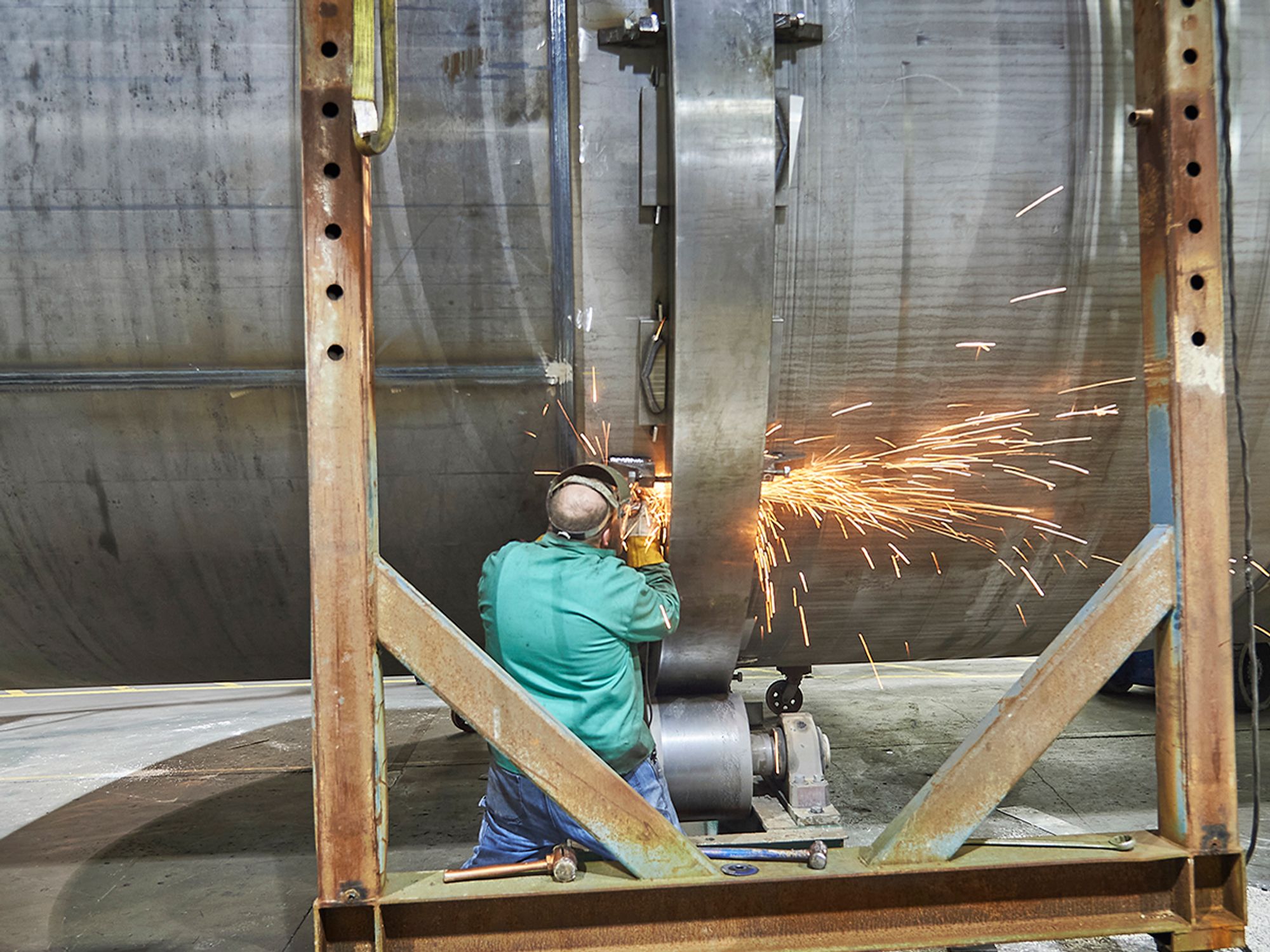
- 29 CFR 1926.352 specifies circumstances in which fire watchers are needed on construction sites, as well as their training and responsibilities.
Welding and metal cutting operations produce molten metal, sparks, weld spatter, slag, and hot work surfaces. All of these can create a situation that can cause fires.
29 CFR 1926.352 is concerned with fire hazards in situations where:
- Other than a minor fire might develop,
- Combustible material is located within 35 feet of the work,
- Combustible material is located more than 35 feet away but can be easily ignited by sparks,
- Wall or floor openings within 35 feet expose combustible material in adjacent areas or concealed wall or floor spaces, or
- Combustible materials are located on the opposite side of surfaces being welded.
Where to go for more information:
- The company fire prevention plan.
- 29 CFR 1926 Subpart J — Welding and cutting.
- ANSI Z49.1-1967 — Safety in Welding and Cutting.
Fire watchers in construction
According to 1926.352, construction employees assigned to guard against fire during welding, cutting, or heating operations (and for a sufficient time after completion of the work) are to be instructed on the specific anticipated fire hazards and how the provided firefighting equipment is to be used.
Fire watchers are additional personnel who:
- Provide additional safeguards against fire during and after the welding, cutting, or heating operations;
- Are trained on the specific fire hazards for that job and location; and
- Know where fire prevention equipment is located and how to use it.
The fire watch is to be maintained for at least 30 minutes following completion of the work.
Fire watchers must be trained in:
- Assessing whether a fire watcher is necessary,
- The responsibilities of the fire watcher,
- The company’s welding best practices,
- Checking for fire hazards prior to welding or cutting,
- Covering fire hazards that cannot be moved,
- Obtaining a hot work permit, and
- Reporting fires.
:
welding-and-cutting
welding-and-cutting
FOUNDATIONAL LEARNING
Hot work and fire watchers in construction
InstituteHot WorkWelding and CuttingUSAEnglishAnalysisFocus AreaWelding and CuttingIn Depth (Level 3)
['Welding and Cutting']
- 29 CFR 1926.352 specifies circumstances in which fire watchers are needed on construction sites, as well as their training and responsibilities.
Welding and metal cutting operations produce molten metal, sparks, weld spatter, slag, and hot work surfaces. All of these can create a situation that can cause fires.
29 CFR 1926.352 is concerned with fire hazards in situations where:
- Other than a minor fire might develop,
- Combustible material is located within 35 feet of the work,
- Combustible material is located more than 35 feet away but can be easily ignited by sparks,
- Wall or floor openings within 35 feet expose combustible material in adjacent areas or concealed wall or floor spaces, or
- Combustible materials are located on the opposite side of surfaces being welded.
Where to go for more information:
- The company fire prevention plan.
- 29 CFR 1926 Subpart J — Welding and cutting.
- ANSI Z49.1-1967 — Safety in Welding and Cutting.
Fire watchers in construction
According to 1926.352, construction employees assigned to guard against fire during welding, cutting, or heating operations (and for a sufficient time after completion of the work) are to be instructed on the specific anticipated fire hazards and how the provided firefighting equipment is to be used.
Fire watchers are additional personnel who:
- Provide additional safeguards against fire during and after the welding, cutting, or heating operations;
- Are trained on the specific fire hazards for that job and location; and
- Know where fire prevention equipment is located and how to use it.
The fire watch is to be maintained for at least 30 minutes following completion of the work.
Fire watchers must be trained in:
- Assessing whether a fire watcher is necessary,
- The responsibilities of the fire watcher,
- The company’s welding best practices,
- Checking for fire hazards prior to welding or cutting,
- Covering fire hazards that cannot be moved,
- Obtaining a hot work permit, and
- Reporting fires.
2656950048
2659787213
UPGRADE TO CONTINUE READING
J. J. Keller is the trusted source for DOT / Transportation, OSHA / Workplace Safety, Human Resources, Construction Safety and Hazmat / Hazardous Materials regulation compliance products and services. J. J. Keller helps you increase safety awareness, reduce risk, follow best practices, improve safety training, and stay current with changing regulations.
Copyright 2026 J. J. Keller & Associate, Inc. For re-use options please contact copyright@jjkeller.com or call 800-558-5011.