Compliance Just Got Easier: Stay ahead of regulatory changes with instant notifications on updates that matter.
['HAZWOPER']
['HAZWOPER']
06/01/2026

Copyright 2026 J. J. Keller & Associate, Inc. For re-use options please contact copyright@jjkeller.com or call 800-558-5011.
:
|
InstituteHAZWOPERSafety & HealthGeneral Industry SafetyHAZWOPERUSAEnglishAnalysisFocus AreaIn Depth (Level 3)
Noise
['HAZWOPER']
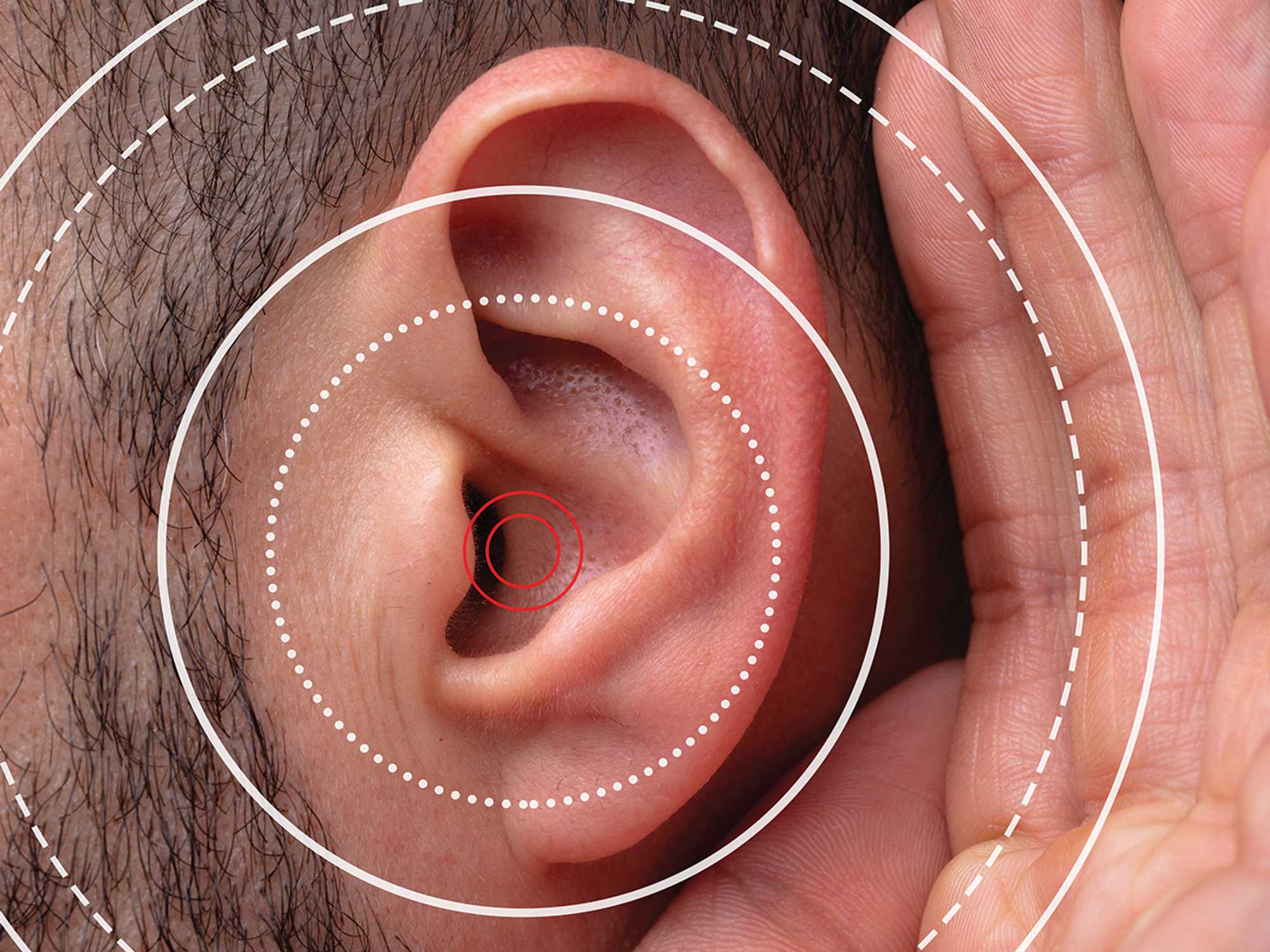
- Where workers are exposed to noise averaging at least 85 dBA for 8 hours, employers must administer a hearing conservation program and other administrative/engineering controls to protect workers’ hearing.
Work around large equipment often creates excessive noise. The effects of noise can include:
- Workers being startled, annoyed, or distracted;
- Ear damage, pain, and temporary and/or permanent hearing loss; and
- Communication interference, which may increase potential hazards due to the inability to warn of danger and convey proper safety precautions.
In general industry, if employees are subjected to noise exceeding an 8-hour, time-weighted average sound level of 90 dBA (decibels on the A-weighted scale), feasible administrative or engineering controls must be utilized. In addition, whenever employee noise exposures equal or exceed an 8-hour, time-weighted average sound level of 85 dBA, employers must administer a continuing, effective hearing conservation program as described in Occupational Safety and Health Administration (OSHA) regulation 29 CFR 1910.95.
In construction, employers will want to reference 29 CFR 1926.52, 1926.95, and 1926.101.
Please refer to the Personal protective equipment subject for further information.
:
hazwoper
hazwoper
FOUNDATIONAL LEARNING
- Where workers are exposed to noise averaging at least 85 dBA for 8 hours, employers must administer a hearing conservation program and other administrative/engineering controls to protect workers’ hearing.
Work around large equipment often creates excessive noise. The effects of noise can include:
- Workers being startled, annoyed, or distracted;
- Ear damage, pain, and temporary and/or permanent hearing loss; and
- Communication interference, which may increase potential hazards due to the inability to warn of danger and convey proper safety precautions.
In general industry, if employees are subjected to noise exceeding an 8-hour, time-weighted average sound level of 90 dBA (decibels on the A-weighted scale), feasible administrative or engineering controls must be utilized. In addition, whenever employee noise exposures equal or exceed an 8-hour, time-weighted average sound level of 85 dBA, employers must administer a continuing, effective hearing conservation program as described in Occupational Safety and Health Administration (OSHA) regulation 29 CFR 1910.95.
In construction, employers will want to reference 29 CFR 1926.52, 1926.95, and 1926.101.
Please refer to the Personal protective equipment subject for further information.
2656951637
2656950410
UPGRADE TO CONTINUE READING
RELATED TOPICS
J. J. Keller is the trusted source for DOT / Transportation, OSHA / Workplace Safety, Human Resources, Construction Safety and Hazmat / Hazardous Materials regulation compliance products and services. J. J. Keller helps you increase safety awareness, reduce risk, follow best practices, improve safety training, and stay current with changing regulations.
Copyright 2026 J. J. Keller & Associate, Inc. For re-use options please contact copyright@jjkeller.com or call 800-558-5011.