Compliance Just Got Easier: Stay ahead of regulatory changes with instant notifications on updates that matter.
['HAZWOPER']
['HAZWOPER', 'HAZWOPER Emergency Response']
06/01/2026

Copyright 2026 J. J. Keller & Associate, Inc. For re-use options please contact copyright@jjkeller.com or call 800-558-5011.
:
|
InstituteHAZWOPERHAZWOPER Emergency ResponseSafety & HealthGeneral Industry SafetyHAZWOPERUSAEnglishAnalysisFocus AreaIn Depth (Level 3)
Terrorist events and acts of nature
['HAZWOPER']
- Terrorist events themselves are not covered under the HAZWOPER Standard because they are not considered foreseeable workplace emergencies, but any emergency response to a hazardous substance release does fall under the standard.
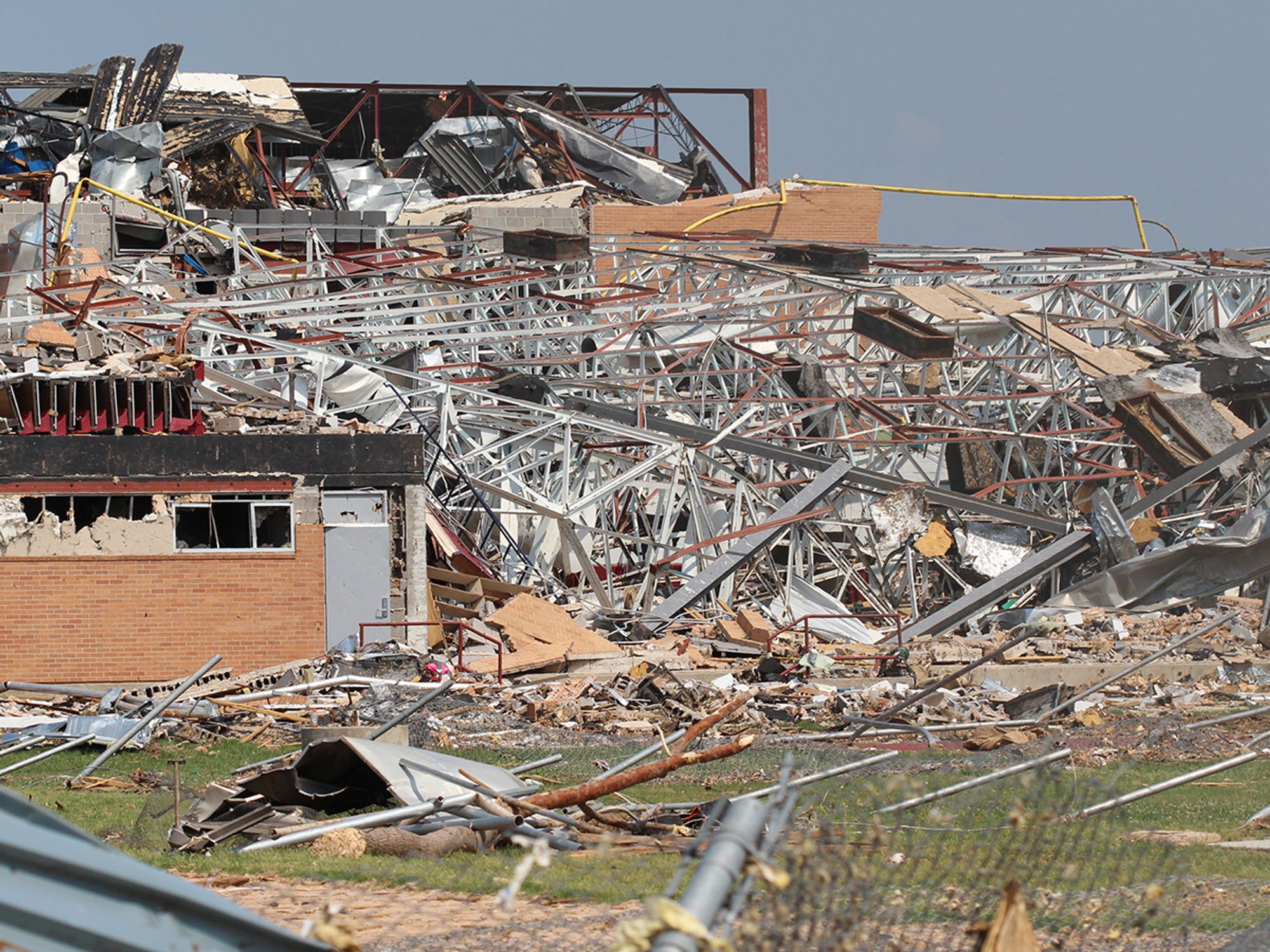
- Acts of nature fall under HAZWOPER if they can be reasonably expected to occur in the area and may cause the release of hazardous substances.
Although terrorist events and dangerous weather phenomena can present serious workplace hazards, the Hazardous Waste Operations and Emergency Response (HAZWOPER) Standard only applies to them under certain conditions.
Terrorist events
The Occupational Safety and Health Administration (OSHA) does not consider terrorist events to be foreseeable workplace emergencies for purposes of standards requiring employers to anticipate and prepare for such emergencies. The release of chemicals or hazardous substances into a workplace, whether caused by an accidental release or by a terrorist event, would, however, be considered a hazardous materials (HAZMAT) incident. All emergency responders and employees performing emergency response efforts for such releases would, therefore, fall under 29 CFR 1910.120(q).
The level of emergency responder training must be based on the duties and functions to be performed by each responder. Although under 1910.120(q), employers would not be required specifically to prepare for a potential terrorist event and to develop an emergency response plan (ERP) for such an event, using the elements of the standard may be of assistance to employers in developing a useful plan of action to respond to any emergency situation.
Acts of nature
Workplaces located in areas prone to natural phenomena, such as earthquakes, floods, tornadoes, and hurricanes, and potentially subject to a “substantial threat of release of hazardous substances” are covered by 1910.120. The ERP required in 1910.120(q)(1) must include responses to emergencies caused by such natural phenomena.
According to subparagraph (q)(1), the ERP “shall be developed and implemented to handle anticipated emergencies prior to the commencement of emergency response operations.” This means that employers in areas prone to natural phenomena should anticipate whether such natural phenomena are likely to cause releases of hazardous substances and, if so, incorporate appropriate emergency response procedures into their ERP.
:
hazwoper
hazwoper
FOUNDATIONAL LEARNING
Terrorist events and acts of nature
InstituteHAZWOPERHAZWOPER Emergency ResponseSafety & HealthGeneral Industry SafetyHAZWOPERUSAEnglishAnalysisFocus AreaIn Depth (Level 3)
['HAZWOPER']
- Terrorist events themselves are not covered under the HAZWOPER Standard because they are not considered foreseeable workplace emergencies, but any emergency response to a hazardous substance release does fall under the standard.
- Acts of nature fall under HAZWOPER if they can be reasonably expected to occur in the area and may cause the release of hazardous substances.
Although terrorist events and dangerous weather phenomena can present serious workplace hazards, the Hazardous Waste Operations and Emergency Response (HAZWOPER) Standard only applies to them under certain conditions.
Terrorist events
The Occupational Safety and Health Administration (OSHA) does not consider terrorist events to be foreseeable workplace emergencies for purposes of standards requiring employers to anticipate and prepare for such emergencies. The release of chemicals or hazardous substances into a workplace, whether caused by an accidental release or by a terrorist event, would, however, be considered a hazardous materials (HAZMAT) incident. All emergency responders and employees performing emergency response efforts for such releases would, therefore, fall under 29 CFR 1910.120(q).
The level of emergency responder training must be based on the duties and functions to be performed by each responder. Although under 1910.120(q), employers would not be required specifically to prepare for a potential terrorist event and to develop an emergency response plan (ERP) for such an event, using the elements of the standard may be of assistance to employers in developing a useful plan of action to respond to any emergency situation.
Acts of nature
Workplaces located in areas prone to natural phenomena, such as earthquakes, floods, tornadoes, and hurricanes, and potentially subject to a “substantial threat of release of hazardous substances” are covered by 1910.120. The ERP required in 1910.120(q)(1) must include responses to emergencies caused by such natural phenomena.
According to subparagraph (q)(1), the ERP “shall be developed and implemented to handle anticipated emergencies prior to the commencement of emergency response operations.” This means that employers in areas prone to natural phenomena should anticipate whether such natural phenomena are likely to cause releases of hazardous substances and, if so, incorporate appropriate emergency response procedures into their ERP.
2665776540
2657032604
UPGRADE TO CONTINUE READING
RELATED TOPICS
J. J. Keller is the trusted source for DOT / Transportation, OSHA / Workplace Safety, Human Resources, Construction Safety and Hazmat / Hazardous Materials regulation compliance products and services. J. J. Keller helps you increase safety awareness, reduce risk, follow best practices, improve safety training, and stay current with changing regulations.
Copyright 2026 J. J. Keller & Associate, Inc. For re-use options please contact copyright@jjkeller.com or call 800-558-5011.