Compliance Just Got Easier: Stay ahead of regulatory changes with instant notifications on updates that matter.
['HAZWOPER']
['Hazardous Waste Treatment, Storage, and/or Disposal', 'Hazardous Waste Cleanup Operations', 'HAZWOPER']
06/01/2026

Copyright 2026 J. J. Keller & Associate, Inc. For re-use options please contact copyright@jjkeller.com or call 800-558-5011.
:
|
InstituteHAZWOPERSafety & HealthGeneral Industry SafetyHazardous Waste Treatment, Storage, and/or DisposalHAZWOPERHazardous Waste Cleanup OperationsUSAEnglishAnalysisFocus AreaIn Depth (Level 3)
Covered hazardous waste treatment, storage, and disposal operations
['HAZWOPER']
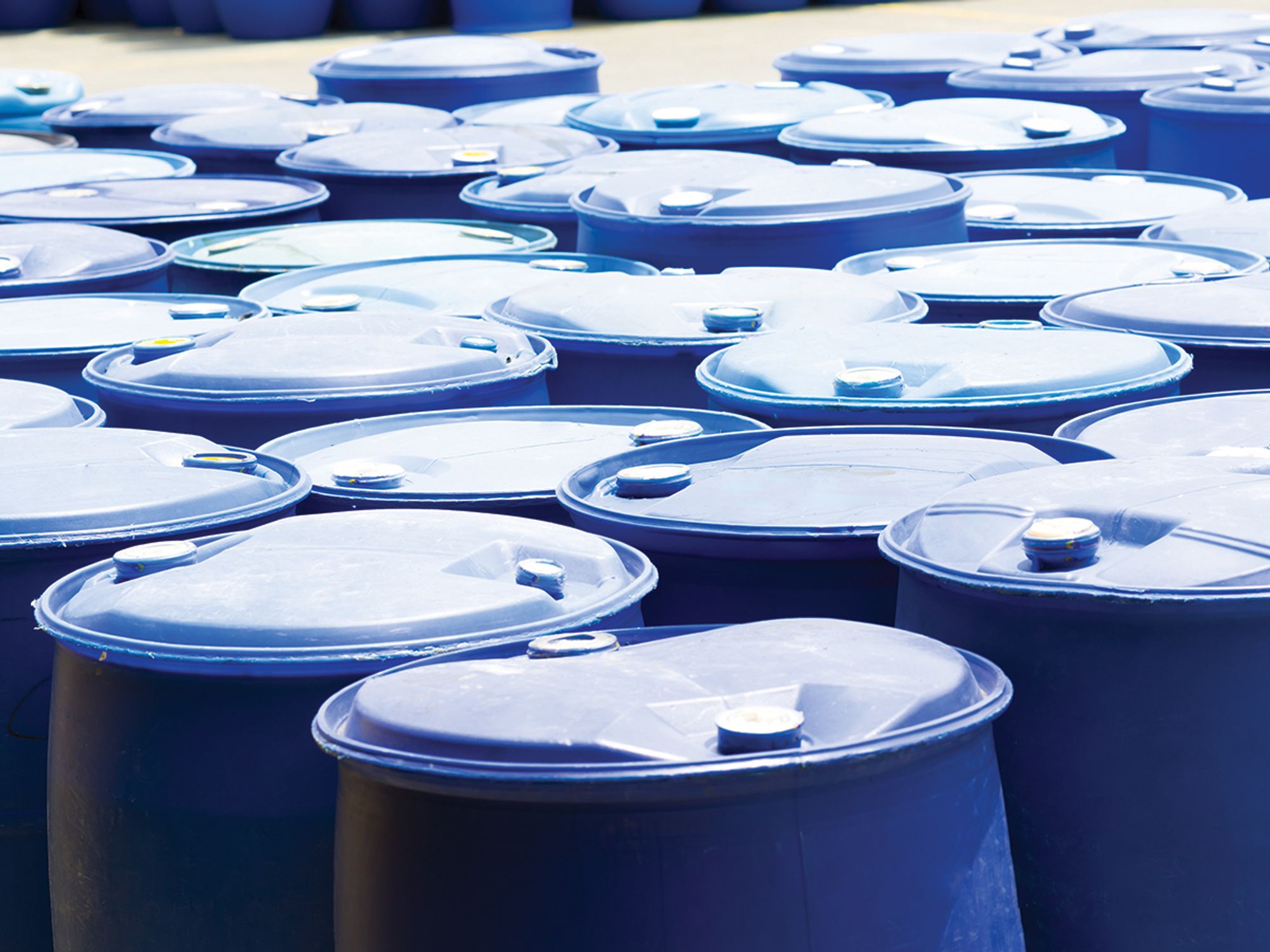
- Hazardous waste TSD facilities must comply with 1910.120(p) and/or 1926.65(p).
- Small and large quantity hazardous waste generators are covered by 1910.120(p)(8) and/or 1926.65(p)(8); however, 1910.120(q) and/or 1926.65(q) may be followed in lieu of paragraph (p)(8).
Hazardous waste treatment, storage, and disposal (TSD) facilities are those facilities regulated by 40 CFR 264, 40 CFR 265, or agencies under agreement with EPA to implement the Resource Conservation and Recovery Act (RCRA) regulations. Operations involving hazardous wastes conducted at these RCRA-permitted TSD facilities must also comply with paragraph (p) of 29 CFR 1910.120 and/or 1926.65.
What about hazardous waste generators?
In addition, the HAZWOPER Standard covers small and large quantity hazardous waste generators with the following characteristics:
- They qualify for permitting exemptions under 40 CFR 264, 265, and 270, and
- They are required by EPA or a state agency to have their employees engage in emergency response for hazardous waste storage areas, or they otherwise direct their employees to do so.
Instead of falling under the balance of paragraph (p), these operations are only required to meet paragraph (p)(8) of 1910.120 and/or 1926.65. As another option, compliance with the requirements of paragraph (q) of 1910.120 and/or 1926.65 is considered to be in compliance with the requirements of paragraph (p)(8).
EPA does not require very small quantity hazardous waste generators to have their employees engage in emergency response. Therefore, unless the state agency requires emergency response from the employees, this generator type does not need to worry about paragraph (p)(8).
The Notes and Exceptions in subparagraph (a)(2)(iii) of 1910.120 and/or 1926.65 provide further information regarding hazardous waste generators.
:
hazwoper
hazwoper
FOUNDATIONAL LEARNING
Covered hazardous waste treatment, storage, and disposal operations
InstituteHAZWOPERSafety & HealthGeneral Industry SafetyHazardous Waste Treatment, Storage, and/or DisposalHAZWOPERHazardous Waste Cleanup OperationsUSAEnglishAnalysisFocus AreaIn Depth (Level 3)
['HAZWOPER']
- Hazardous waste TSD facilities must comply with 1910.120(p) and/or 1926.65(p).
- Small and large quantity hazardous waste generators are covered by 1910.120(p)(8) and/or 1926.65(p)(8); however, 1910.120(q) and/or 1926.65(q) may be followed in lieu of paragraph (p)(8).
Hazardous waste treatment, storage, and disposal (TSD) facilities are those facilities regulated by 40 CFR 264, 40 CFR 265, or agencies under agreement with EPA to implement the Resource Conservation and Recovery Act (RCRA) regulations. Operations involving hazardous wastes conducted at these RCRA-permitted TSD facilities must also comply with paragraph (p) of 29 CFR 1910.120 and/or 1926.65.
What about hazardous waste generators?
In addition, the HAZWOPER Standard covers small and large quantity hazardous waste generators with the following characteristics:
- They qualify for permitting exemptions under 40 CFR 264, 265, and 270, and
- They are required by EPA or a state agency to have their employees engage in emergency response for hazardous waste storage areas, or they otherwise direct their employees to do so.
Instead of falling under the balance of paragraph (p), these operations are only required to meet paragraph (p)(8) of 1910.120 and/or 1926.65. As another option, compliance with the requirements of paragraph (q) of 1910.120 and/or 1926.65 is considered to be in compliance with the requirements of paragraph (p)(8).
EPA does not require very small quantity hazardous waste generators to have their employees engage in emergency response. Therefore, unless the state agency requires emergency response from the employees, this generator type does not need to worry about paragraph (p)(8).
The Notes and Exceptions in subparagraph (a)(2)(iii) of 1910.120 and/or 1926.65 provide further information regarding hazardous waste generators.
2656949741
2656951971
UPGRADE TO CONTINUE READING
RELATED TOPICS
J. J. Keller is the trusted source for DOT / Transportation, OSHA / Workplace Safety, Human Resources, Construction Safety and Hazmat / Hazardous Materials regulation compliance products and services. J. J. Keller helps you increase safety awareness, reduce risk, follow best practices, improve safety training, and stay current with changing regulations.
Copyright 2026 J. J. Keller & Associate, Inc. For re-use options please contact copyright@jjkeller.com or call 800-558-5011.