Compliance Just Got Easier: Stay ahead of regulatory changes with instant notifications on updates that matter.
['Safety and Health Programs and Training']
['Safety and Health Programs and Training']
06/15/2026

Copyright 2026 J. J. Keller & Associate, Inc. For re-use options please contact copyright@jjkeller.com or call 800-558-5011.
:
|
InstituteSafety and Health Programs and TrainingIn Depth Sub Topics (Level 4)Training & DevelopmentSafety and Health Programs and TrainingUSAEnglishAnalysisFocus AreaHuman Resources
Evaluation of training
['Safety and Health Programs and Training']
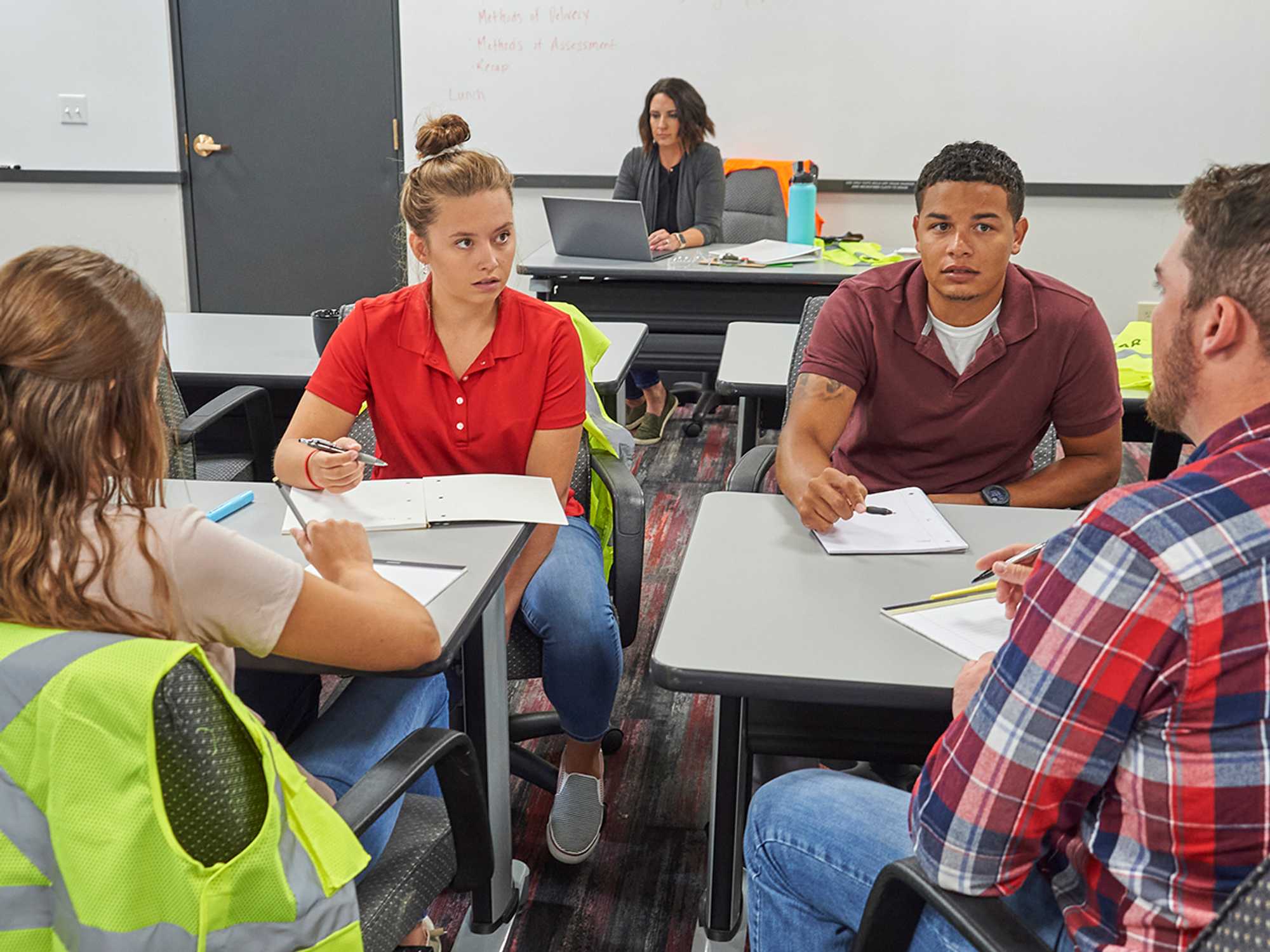
- Evaluate the training to assess for future changes.
Evaluating training allows the company to determine whether the program is achieving its intended outcomes, specifically, whether employees understand the material, can apply it to their job tasks, and are working more safely as a result. This process helps identify gaps in knowledge, deficiencies in delivery methods, or areas where additional or refresher training may be needed.
An effective training evaluation should consider multiple factors, such as:
- Knowledge retention: Are employees able to demonstrate understanding through testing, discussion, or observation?
- Behavioral changes: Has employee behavior improved on the job (e.g., safer work practices, proper PPE use, adherence to procedures)?
- Incident and near-miss trends: Are injuries, near misses, or compliance issues decreasing following training?
- Employee feedback: Do employees feel the training was relevant, clear, and applicable to their work?
- Regulatory alignment: Does the training continue to meet applicable OSHA or other regulatory requirements?
Evaluation methods may include quizzes, hands-on demonstrations, supervisor observations, safety audits, and review of incident data. Results from these evaluations should be used to continuously improve the training program, ensuring it remains effective, up to date, and aligned with workplace hazards and operational needs.
:
safety-and-health-programs-and-training
safety-and-health-programs-and-training
FOUNDATIONAL LEARNING
Evaluation of training
InstituteSafety and Health Programs and TrainingIn Depth Sub Topics (Level 4)Training & DevelopmentSafety and Health Programs and TrainingUSAEnglishAnalysisFocus AreaHuman Resources
['Safety and Health Programs and Training']
- Evaluate the training to assess for future changes.
Evaluating training allows the company to determine whether the program is achieving its intended outcomes, specifically, whether employees understand the material, can apply it to their job tasks, and are working more safely as a result. This process helps identify gaps in knowledge, deficiencies in delivery methods, or areas where additional or refresher training may be needed.
An effective training evaluation should consider multiple factors, such as:
- Knowledge retention: Are employees able to demonstrate understanding through testing, discussion, or observation?
- Behavioral changes: Has employee behavior improved on the job (e.g., safer work practices, proper PPE use, adherence to procedures)?
- Incident and near-miss trends: Are injuries, near misses, or compliance issues decreasing following training?
- Employee feedback: Do employees feel the training was relevant, clear, and applicable to their work?
- Regulatory alignment: Does the training continue to meet applicable OSHA or other regulatory requirements?
Evaluation methods may include quizzes, hands-on demonstrations, supervisor observations, safety audits, and review of incident data. Results from these evaluations should be used to continuously improve the training program, ensuring it remains effective, up to date, and aligned with workplace hazards and operational needs.
2656867448
2656869466
UPGRADE TO CONTINUE READING
RELATED TOPICS
J. J. Keller is the trusted source for DOT / Transportation, OSHA / Workplace Safety, Human Resources, Construction Safety and Hazmat / Hazardous Materials regulation compliance products and services. J. J. Keller helps you increase safety awareness, reduce risk, follow best practices, improve safety training, and stay current with changing regulations.
Copyright 2026 J. J. Keller & Associate, Inc. For re-use options please contact copyright@jjkeller.com or call 800-558-5011.