Compliance Just Got Easier: Stay ahead of regulatory changes with instant notifications on updates that matter.
['Cranes, Lifts, and Scaffolding']
['Cranes, Lifts, and Scaffolding', 'Mobile Cranes']
05/02/2025

Copyright 2026 J. J. Keller & Associate, Inc. For re-use options please contact copyright@jjkeller.com or call 800-558-5011.
:
|
InstituteMobile CranesCranes, Lifts, and ScaffoldingCranes, Lifts, and ScaffoldingUSAEnglishAnalysisFocus AreaIn Depth (Level 3)
Employer requirements
['Cranes, Lifts, and Scaffolding']
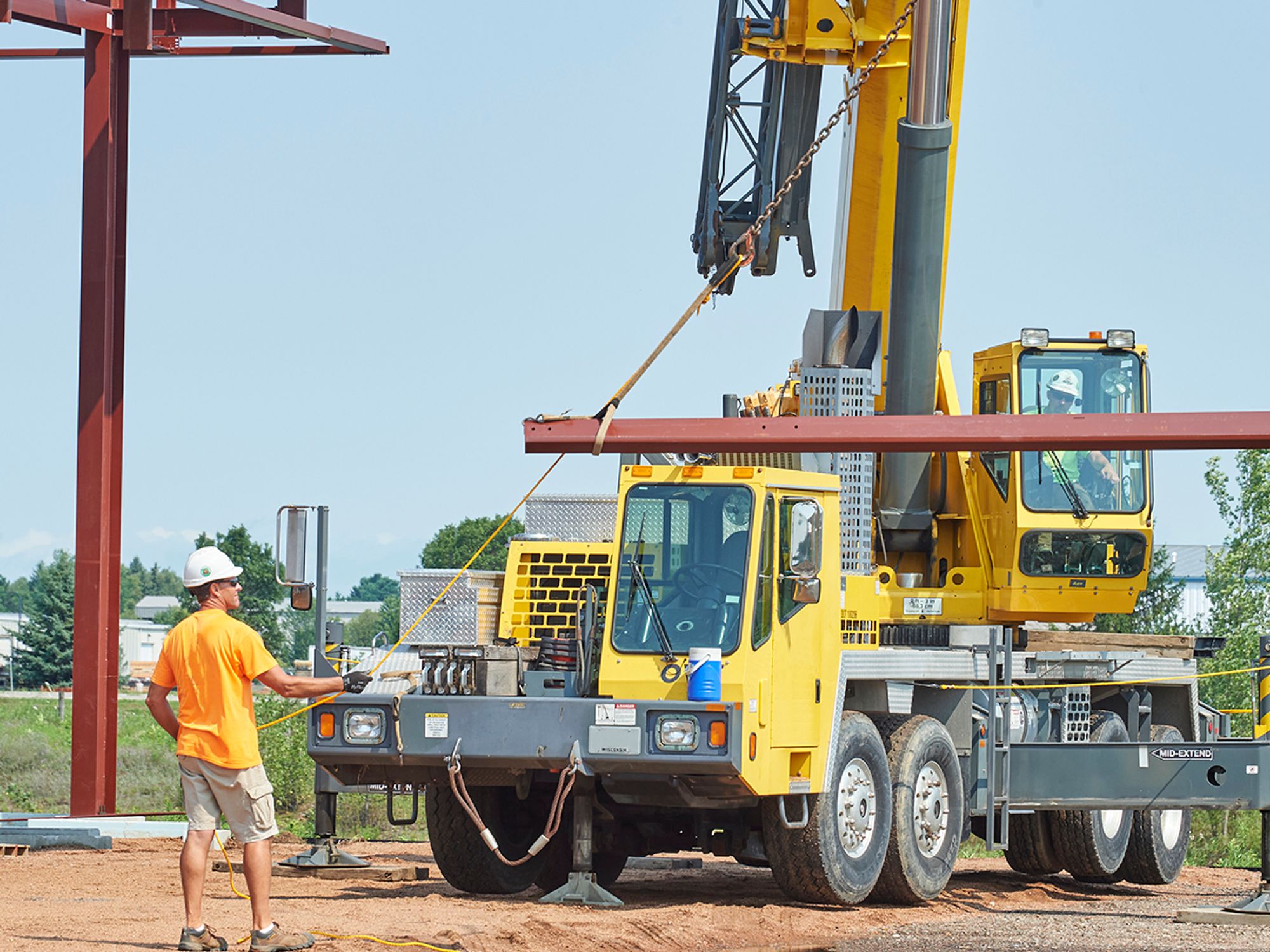
- Employers are responsible for providing a safe work environment for their employees, including determining safe ground conditions, assessing hazards in the work zone, inspecting equipment to keep it in good working order, and training employees in proper procedures.
Employers are responsible for minimizing hazards to the extent possible and providing employees with the knowledge and resources to work safely in and around mobile cranes.
Determine ground conditions
Employers must determine whether the ground is sufficient to support the anticipated weight of hoisting equipment and associated loads.
The term “ground conditions” means the ability of the ground to support the equipment (including slope, compaction, and firmness).
Assess hazards
Employers must assess hazards within the work zone that would affect the safe operation of hoisting equipment, such as those of power lines and objects or personnel that would be within the work zone or swing radius of the hoisting equipment.
Ensure equipment is safe
Employers must ensure that the equipment is in safe operating condition by performing required inspections.
Train employees
Employers must train employees in the work zone to recognize hazards associated with the use of the equipment and any related duties that they are assigned to perform.
:
cranes-lifts-and-scaffolding
cranes-lifts-and-scaffolding
FOUNDATIONAL LEARNING
Employer requirements
InstituteMobile CranesCranes, Lifts, and ScaffoldingCranes, Lifts, and ScaffoldingUSAEnglishAnalysisFocus AreaIn Depth (Level 3)
['Cranes, Lifts, and Scaffolding']
- Employers are responsible for providing a safe work environment for their employees, including determining safe ground conditions, assessing hazards in the work zone, inspecting equipment to keep it in good working order, and training employees in proper procedures.
Employers are responsible for minimizing hazards to the extent possible and providing employees with the knowledge and resources to work safely in and around mobile cranes.
Determine ground conditions
Employers must determine whether the ground is sufficient to support the anticipated weight of hoisting equipment and associated loads.
The term “ground conditions” means the ability of the ground to support the equipment (including slope, compaction, and firmness).
Assess hazards
Employers must assess hazards within the work zone that would affect the safe operation of hoisting equipment, such as those of power lines and objects or personnel that would be within the work zone or swing radius of the hoisting equipment.
Ensure equipment is safe
Employers must ensure that the equipment is in safe operating condition by performing required inspections.
Train employees
Employers must train employees in the work zone to recognize hazards associated with the use of the equipment and any related duties that they are assigned to perform.
2656866080
2656866640
UPGRADE TO CONTINUE READING
J. J. Keller is the trusted source for DOT / Transportation, OSHA / Workplace Safety, Human Resources, Construction Safety and Hazmat / Hazardous Materials regulation compliance products and services. J. J. Keller helps you increase safety awareness, reduce risk, follow best practices, improve safety training, and stay current with changing regulations.
Copyright 2026 J. J. Keller & Associate, Inc. For re-use options please contact copyright@jjkeller.com or call 800-558-5011.