Compliance Just Got Easier: Stay ahead of regulatory changes with instant notifications on updates that matter.
['First Aid and Medical']
['Automated External Defibrillators', 'First Aid and Medical', 'CPR']
06/19/2026

Copyright 2026 J. J. Keller & Associate, Inc. For re-use options please contact copyright@jjkeller.com or call 800-558-5011.
:
|
InstituteAnalysisCPRSafety & HealthConstruction SafetyFirst Aid and MedicalFocus AreaUSAEnglishFirst Aid and MedicalAutomated External DefibrillatorsIn Depth (Level 3)
Fundamentals of a workplace first aid program
['First Aid and Medical']
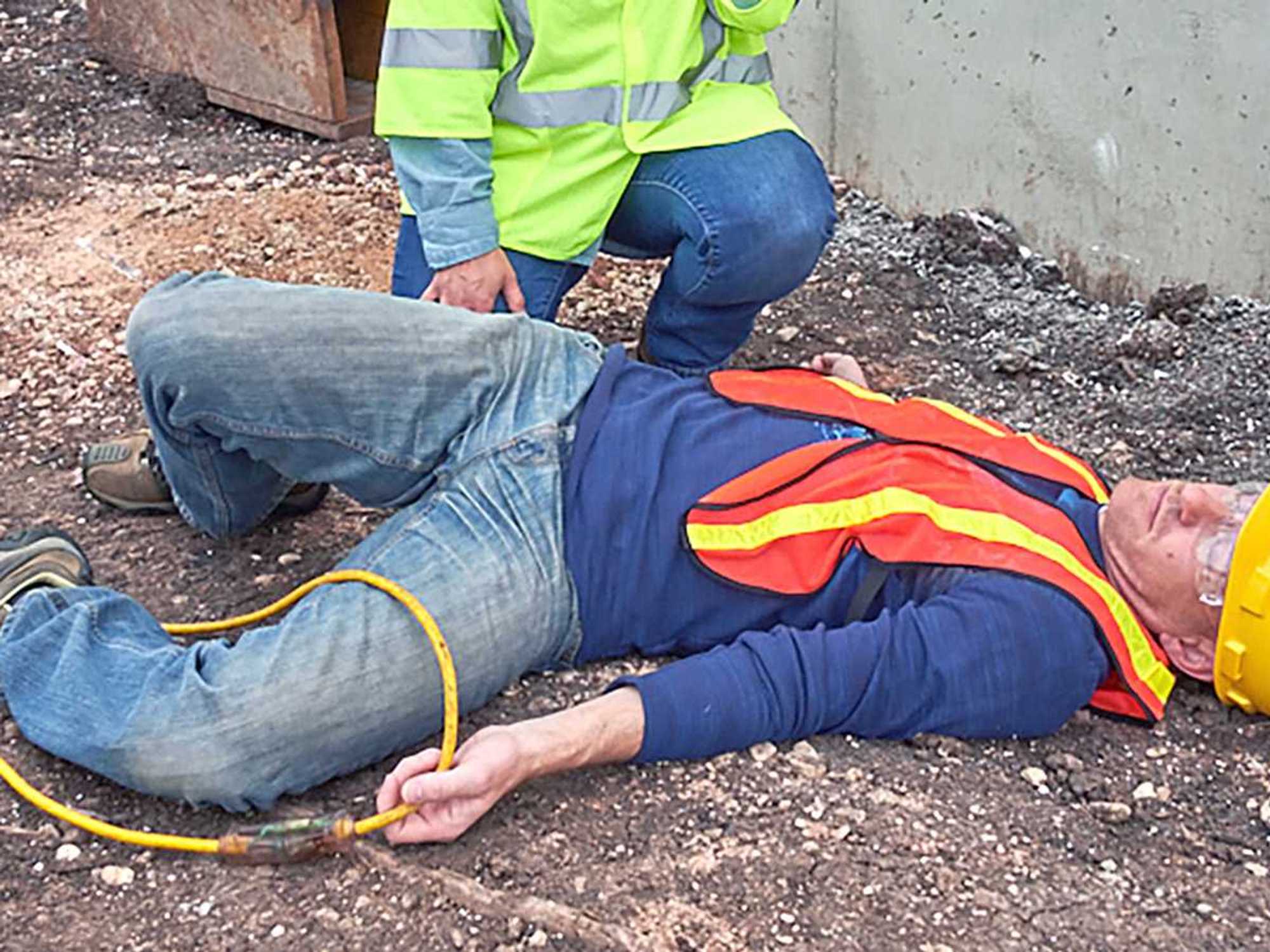
OSHA has a best practice guide for first aid titled, "Fundamentals of a Workplace First-Aid Program." Excerpts from it are shown below. First aid is emergency care provided for injury or sudden illness before emergency medical treatment is available. The first-aid provider in the workplace is someone who is trained in the delivery of initial medical emergency procedures, using a limited amount of equipment to perform a primary assessment and intervention while awaiting arrival of emergency medical service (EMS) personnel.
A workplace first-aid program is part of a comprehensive safety and health management system that includes the following four essential elements:
- Management leadership and employee involvement
- Worksite analysis
- Hazard prevention and control
- Safety and health training
The purpose of this guide is to present a summary of the basic elements for a first-aid program at the workplace. Those elements include:
- Identifying and assessing the workplace risks that have potential to cause worker injury or illness.
- Designing and implementing a workplace first-aid program that: 1. Aims to minimize the outcome of accidents or exposures. 2. Complies with OSHA requirements relating to first aid. 3. Includes sufficient quantities of appropriate and readily accessible first-aid supplies and first-aid equipment, such as bandages and automated external defibrillators. 4. Assigns and trains first-aid providers who receive first-aid training suitable to the specific workplace, and receive periodic refresher courses on first-aid skills and knowledge.
- Instructing all workers about the first-aid program, including what workers should do if a coworker is injured or ill. Putting the policies and program in writing is recommended to implement this and other program elements.
- Providing for scheduled evaluation and changing of the first-aid program to keep the program current and applicable to emerging risks in the workplace, including regular assessment of the adequacy of the first-aid training course.
This guide also includes an outline of the essential elements of safe and effective first-aid training for the workplace as guidance to institutions teaching first-aid courses and to the consumers of these courses.
:
first-aid-and-medical
first-aid-and-medical
FOUNDATIONAL LEARNING
Fundamentals of a workplace first aid program
InstituteAnalysisCPRSafety & HealthConstruction SafetyFirst Aid and MedicalFocus AreaUSAEnglishFirst Aid and MedicalAutomated External DefibrillatorsIn Depth (Level 3)
['First Aid and Medical']
OSHA has a best practice guide for first aid titled, "Fundamentals of a Workplace First-Aid Program." Excerpts from it are shown below. First aid is emergency care provided for injury or sudden illness before emergency medical treatment is available. The first-aid provider in the workplace is someone who is trained in the delivery of initial medical emergency procedures, using a limited amount of equipment to perform a primary assessment and intervention while awaiting arrival of emergency medical service (EMS) personnel.
A workplace first-aid program is part of a comprehensive safety and health management system that includes the following four essential elements:
- Management leadership and employee involvement
- Worksite analysis
- Hazard prevention and control
- Safety and health training
The purpose of this guide is to present a summary of the basic elements for a first-aid program at the workplace. Those elements include:
- Identifying and assessing the workplace risks that have potential to cause worker injury or illness.
- Designing and implementing a workplace first-aid program that: 1. Aims to minimize the outcome of accidents or exposures. 2. Complies with OSHA requirements relating to first aid. 3. Includes sufficient quantities of appropriate and readily accessible first-aid supplies and first-aid equipment, such as bandages and automated external defibrillators. 4. Assigns and trains first-aid providers who receive first-aid training suitable to the specific workplace, and receive periodic refresher courses on first-aid skills and knowledge.
- Instructing all workers about the first-aid program, including what workers should do if a coworker is injured or ill. Putting the policies and program in writing is recommended to implement this and other program elements.
- Providing for scheduled evaluation and changing of the first-aid program to keep the program current and applicable to emerging risks in the workplace, including regular assessment of the adequacy of the first-aid training course.
This guide also includes an outline of the essential elements of safe and effective first-aid training for the workplace as guidance to institutions teaching first-aid courses and to the consumers of these courses.
2659713988
2659756005
UPGRADE TO CONTINUE READING
RELATED TOPICS
J. J. Keller is the trusted source for DOT / Transportation, OSHA / Workplace Safety, Human Resources, Construction Safety and Hazmat / Hazardous Materials regulation compliance products and services. J. J. Keller helps you increase safety awareness, reduce risk, follow best practices, improve safety training, and stay current with changing regulations.
Copyright 2026 J. J. Keller & Associate, Inc. For re-use options please contact copyright@jjkeller.com or call 800-558-5011.