Compliance Just Got Easier: Stay ahead of regulatory changes with instant notifications on updates that matter.
['First Aid and Medical']
['Eyewashes and Showers', 'First Aid and Medical']
04/30/2026

Copyright 2026 J. J. Keller & Associate, Inc. For re-use options please contact copyright@jjkeller.com or call 800-558-5011.
:
|
InstituteAnalysisSafety & HealthFirst Aid and MedicalGeneral Industry SafetyEyewashes and ShowersUSAEnglishFirst Aid and MedicalFocus AreaIn Depth (Level 3)
Eyewashes/showers and battery charging areas
['First Aid and Medical']
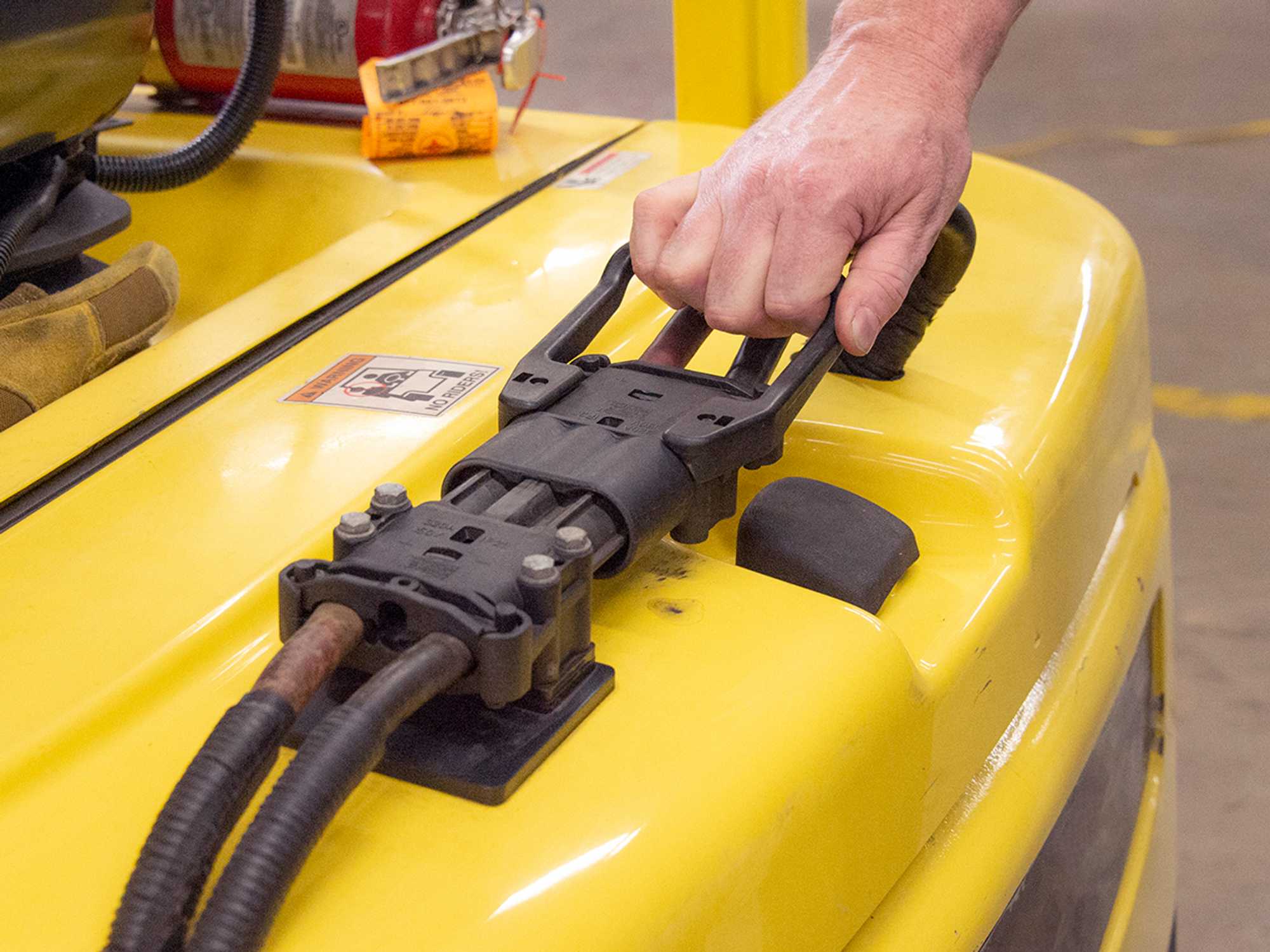
- Employers are not required to have an eyewash (and/or shower) station for an area where no maintenance is performed on powered industrial truck batteries; that is, when they are being charged only.
- At locations where hazardous chemicals are handled by employees (e.g., battery servicing facility), proper eyewash and body drenching equipment must be available.
- It is considered a “best practice” to have an eyewash or shower station in the charging area, and an employer’s liability insurance carrier may require one in these areas.
Is an eyewash or emergency shower required in a forklift battery charging area?
The Occupational Safety and Health Administration (OSHA) specifically addresses battery charging areas in a number of letters of interpretation, including a July 26, 1994, letter which states, “At locations where hazardous chemicals are handled by employees (e.g., battery servicing facility), proper eyewash and body drenching equipment must be available.”
In other words, if maintenance is being done, suitable facilities for quick drenching or flushing of the eyes and body are required per 1910.151(c). On the other hand, no eyewash and/or shower is required for an area where no maintenance is performed on powered industrial truck batteries; that is, when batteries are being charged only. This enforcement policy was affirmed in an Occupational Safety and Health Review Commission decision.
It would still be considered a “best practice” to have an eyewash or shower station in the charging area, and an employer’s liability insurance carrier may require one in these areas.
:
first-aid-and-medical
first-aid-and-medical
FOUNDATIONAL LEARNING
Eyewashes/showers and battery charging areas
InstituteAnalysisSafety & HealthFirst Aid and MedicalGeneral Industry SafetyEyewashes and ShowersUSAEnglishFirst Aid and MedicalFocus AreaIn Depth (Level 3)
['First Aid and Medical']
- Employers are not required to have an eyewash (and/or shower) station for an area where no maintenance is performed on powered industrial truck batteries; that is, when they are being charged only.
- At locations where hazardous chemicals are handled by employees (e.g., battery servicing facility), proper eyewash and body drenching equipment must be available.
- It is considered a “best practice” to have an eyewash or shower station in the charging area, and an employer’s liability insurance carrier may require one in these areas.
Is an eyewash or emergency shower required in a forklift battery charging area?
The Occupational Safety and Health Administration (OSHA) specifically addresses battery charging areas in a number of letters of interpretation, including a July 26, 1994, letter which states, “At locations where hazardous chemicals are handled by employees (e.g., battery servicing facility), proper eyewash and body drenching equipment must be available.”
In other words, if maintenance is being done, suitable facilities for quick drenching or flushing of the eyes and body are required per 1910.151(c). On the other hand, no eyewash and/or shower is required for an area where no maintenance is performed on powered industrial truck batteries; that is, when batteries are being charged only. This enforcement policy was affirmed in an Occupational Safety and Health Review Commission decision.
It would still be considered a “best practice” to have an eyewash or shower station in the charging area, and an employer’s liability insurance carrier may require one in these areas.
2656867078
UPGRADE TO CONTINUE READING
RELATED TOPICS
J. J. Keller is the trusted source for DOT / Transportation, OSHA / Workplace Safety, Human Resources, Construction Safety and Hazmat / Hazardous Materials regulation compliance products and services. J. J. Keller helps you increase safety awareness, reduce risk, follow best practices, improve safety training, and stay current with changing regulations.
Copyright 2026 J. J. Keller & Associate, Inc. For re-use options please contact copyright@jjkeller.com or call 800-558-5011.