Compliance Just Got Easier: Stay ahead of regulatory changes with instant notifications on updates that matter.
['Toxic and Hazardous Substances - OSHA']
['Toxic and Hazardous Substances - OSHA']
05/07/2025

Copyright 2026 J. J. Keller & Associate, Inc. For re-use options please contact copyright@jjkeller.com or call 800-558-5011.
:
|
InstituteToxic and Hazardous Substances - OSHAUSAEnglishAnalysisFocus AreaToxic and Hazardous Substances - OSHAIn Depth (Level 3)
Permissible exposure limit (PEL) for carbon monoxide
['Toxic and Hazardous Substances - OSHA']
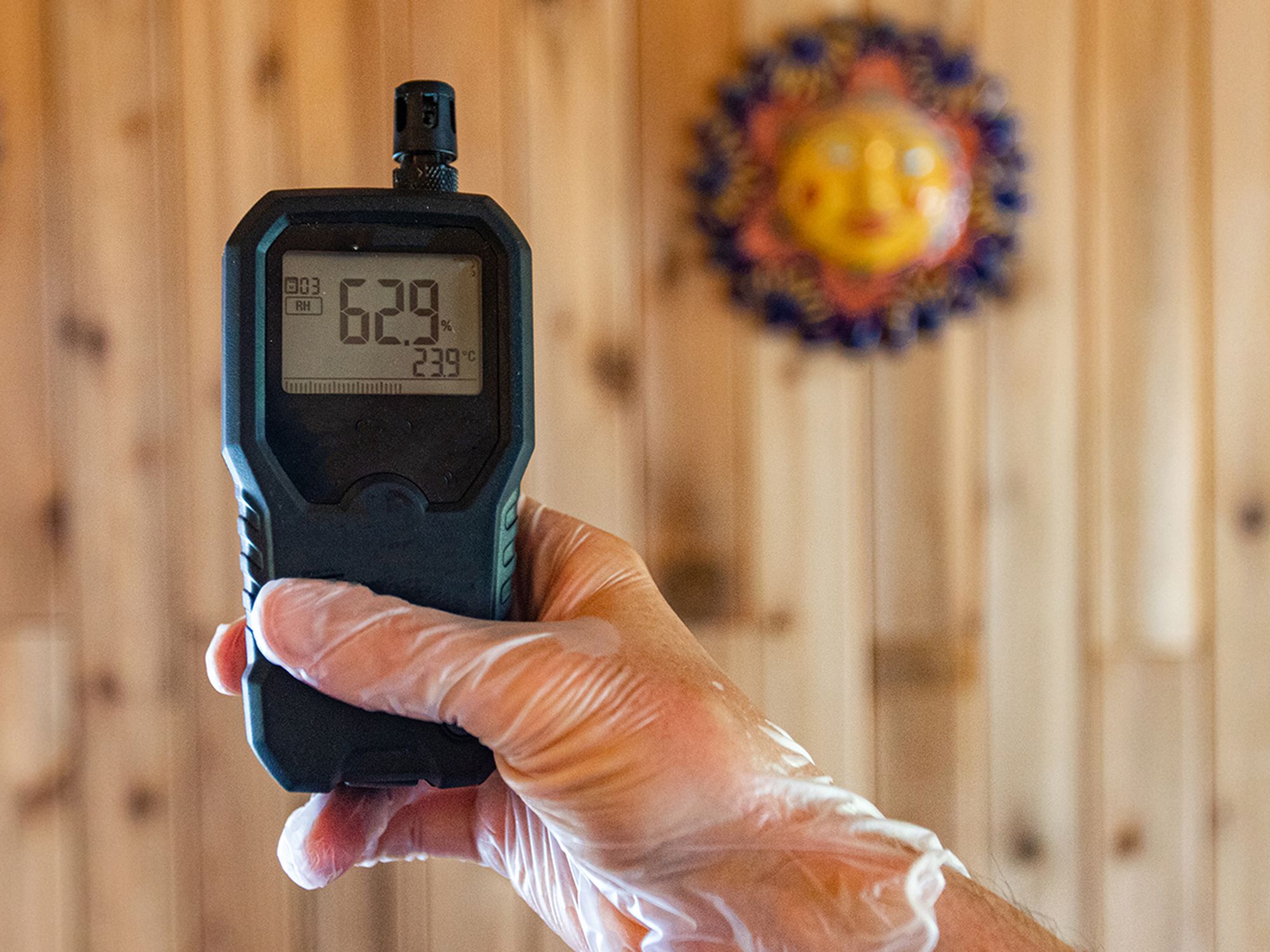
The OSHA permissible exposure limit (PEL) for carbon monoxide is 50 ppm averaged during an 8-hour time period.
When CO poisoning is suspected, employees should promptly take the following actions:
- Move the victim immediately to fresh air in an open area.
- Call 911 or another local emergency number for medical attention or assistance.
- Administer 100 percent oxygen using a tight-fitting mask if the victim is breathing.
- Administer cardiopulmonary resuscitation (CPR) if the victim has stopped breathing.
Warning: Employees may be exposed to fatal levels of CO poisoning in a rescue attempt. Rescuers must be skilled at performing recovery operations and using recovery equipment. Employers must make sure that rescuers are not exposed to dangerous CO levels when performing rescue operations.
:
toxic-and-hazardous-substances-osha
toxic-and-hazardous-substances-osha
FOUNDATIONAL LEARNING
Permissible exposure limit (PEL) for carbon monoxide
InstituteToxic and Hazardous Substances - OSHAUSAEnglishAnalysisFocus AreaToxic and Hazardous Substances - OSHAIn Depth (Level 3)
['Toxic and Hazardous Substances - OSHA']
The OSHA permissible exposure limit (PEL) for carbon monoxide is 50 ppm averaged during an 8-hour time period.
When CO poisoning is suspected, employees should promptly take the following actions:
- Move the victim immediately to fresh air in an open area.
- Call 911 or another local emergency number for medical attention or assistance.
- Administer 100 percent oxygen using a tight-fitting mask if the victim is breathing.
- Administer cardiopulmonary resuscitation (CPR) if the victim has stopped breathing.
Warning: Employees may be exposed to fatal levels of CO poisoning in a rescue attempt. Rescuers must be skilled at performing recovery operations and using recovery equipment. Employers must make sure that rescuers are not exposed to dangerous CO levels when performing rescue operations.
2659788196
2656867020
UPGRADE TO CONTINUE READING
J. J. Keller is the trusted source for DOT / Transportation, OSHA / Workplace Safety, Human Resources, Construction Safety and Hazmat / Hazardous Materials regulation compliance products and services. J. J. Keller helps you increase safety awareness, reduce risk, follow best practices, improve safety training, and stay current with changing regulations.
Copyright 2026 J. J. Keller & Associate, Inc. For re-use options please contact copyright@jjkeller.com or call 800-558-5011.