Compliance Just Got Easier: Stay ahead of regulatory changes with instant notifications on updates that matter.
['Toxic and Hazardous Substances - OSHA']
['Toxic and Hazardous Substances - OSHA', 'Air Contaminants']
05/07/2025

Copyright 2026 J. J. Keller & Associate, Inc. For re-use options please contact copyright@jjkeller.com or call 800-558-5011.
:
|
InstituteAir ContaminantsSafety & HealthGeneral Industry SafetyToxic and Hazardous Substances - OSHAIn Depth (Level 3)EnglishAnalysisFocus AreaToxic and Hazardous Substances - OSHAUSA
Training
['Toxic and Hazardous Substances - OSHA']
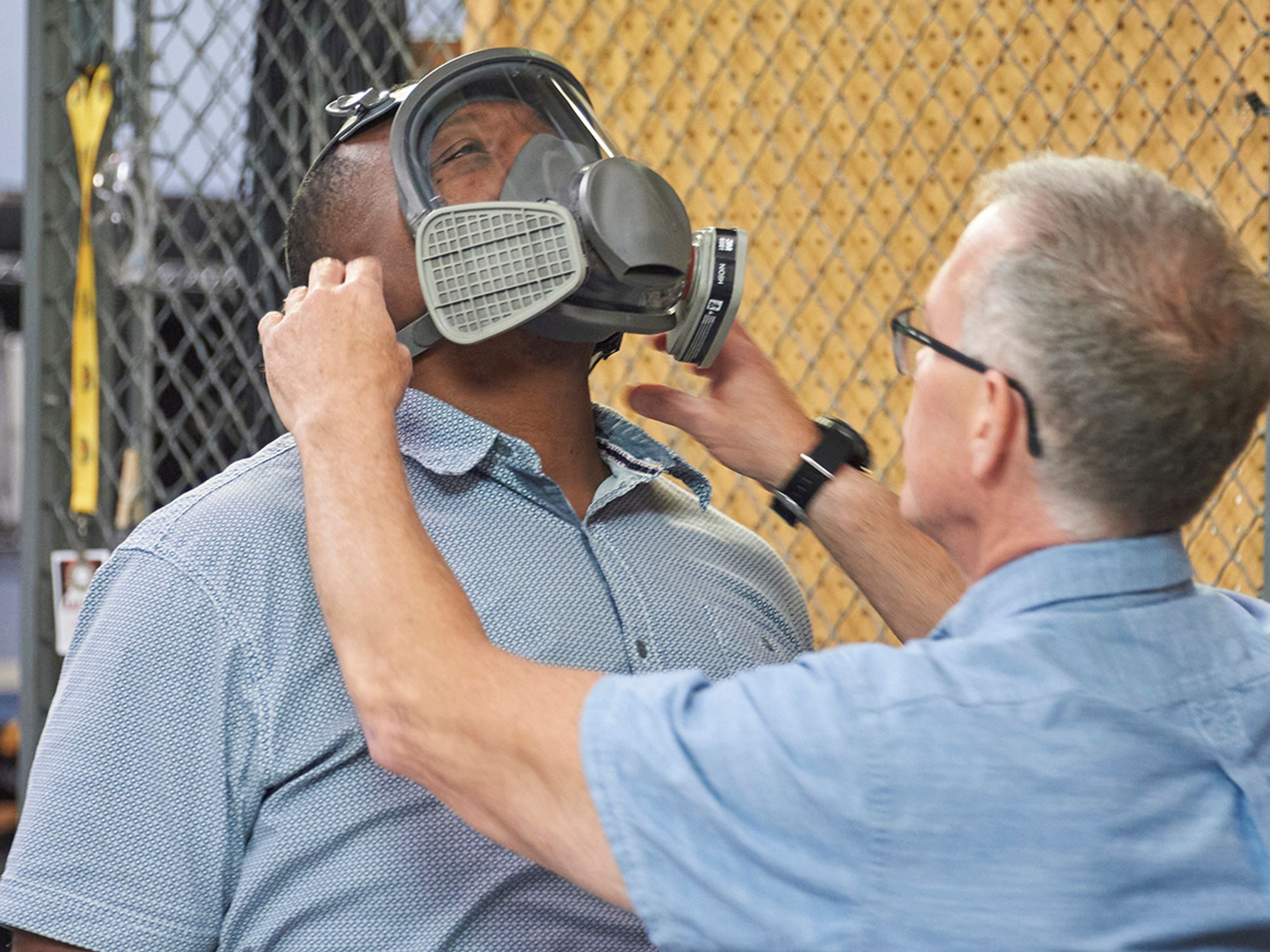
- There are no specific training requirements for air contaminants, but employers must inform employees about the hazards they are exposed to, how to protect themselves, and what to do if they have been exposed.
While there are no specified training requirements, education and communication are important elements in both remedial and preventative indoor air quality management.
For General Industry, employers must review 1910.1000 to determine what substances from Tables Z-1, Z-2, and Z-3 are present. For Construction, employers must review 1926.55 and Appendix A to 1926.55 to determine what substances are present. Employers must inform employees of the presence of these substances and what the PELs are for each substance. Employers should explain the symptoms of exposure and what employees are expected to do if they believe they have been exposed. Employees should be shown the equipment used for testing and trained on how to test air samples, if employees will be responsible for that task. If PPE is used in addition to engineering controls, employees should be shown examples of the appropriate PPE and how to properly use that equipment.
:
toxic-and-hazardous-substances-osha
toxic-and-hazardous-substances-osha
FOUNDATIONAL LEARNING
Training
InstituteAir ContaminantsSafety & HealthGeneral Industry SafetyToxic and Hazardous Substances - OSHAIn Depth (Level 3)EnglishAnalysisFocus AreaToxic and Hazardous Substances - OSHAUSA
['Toxic and Hazardous Substances - OSHA']
- There are no specific training requirements for air contaminants, but employers must inform employees about the hazards they are exposed to, how to protect themselves, and what to do if they have been exposed.
While there are no specified training requirements, education and communication are important elements in both remedial and preventative indoor air quality management.
For General Industry, employers must review 1910.1000 to determine what substances from Tables Z-1, Z-2, and Z-3 are present. For Construction, employers must review 1926.55 and Appendix A to 1926.55 to determine what substances are present. Employers must inform employees of the presence of these substances and what the PELs are for each substance. Employers should explain the symptoms of exposure and what employees are expected to do if they believe they have been exposed. Employees should be shown the equipment used for testing and trained on how to test air samples, if employees will be responsible for that task. If PPE is used in addition to engineering controls, employees should be shown examples of the appropriate PPE and how to properly use that equipment.
2656870590
2656866486
UPGRADE TO CONTINUE READING
RELATED TOPICS
J. J. Keller is the trusted source for DOT / Transportation, OSHA / Workplace Safety, Human Resources, Construction Safety and Hazmat / Hazardous Materials regulation compliance products and services. J. J. Keller helps you increase safety awareness, reduce risk, follow best practices, improve safety training, and stay current with changing regulations.
Copyright 2026 J. J. Keller & Associate, Inc. For re-use options please contact copyright@jjkeller.com or call 800-558-5011.