Compliance Just Got Easier: Stay ahead of regulatory changes with instant notifications on updates that matter.
['Driver recruiting and retention']
['Hiring standards - Motor Carrier', 'Driver recruiting and retention']
02/03/2026

Copyright 2026 J. J. Keller & Associate, Inc. For re-use options please contact copyright@jjkeller.com or call 800-558-5011.
:
|
InstituteFleet SafetyAnalysisDriver recruiting and retentionFocus AreaHiring standards - Motor CarrierUSAEnglishDriver recruiting and retentionTransportationIn Depth (Level 3)
Mentor driver trainers
['Driver recruiting and retention']
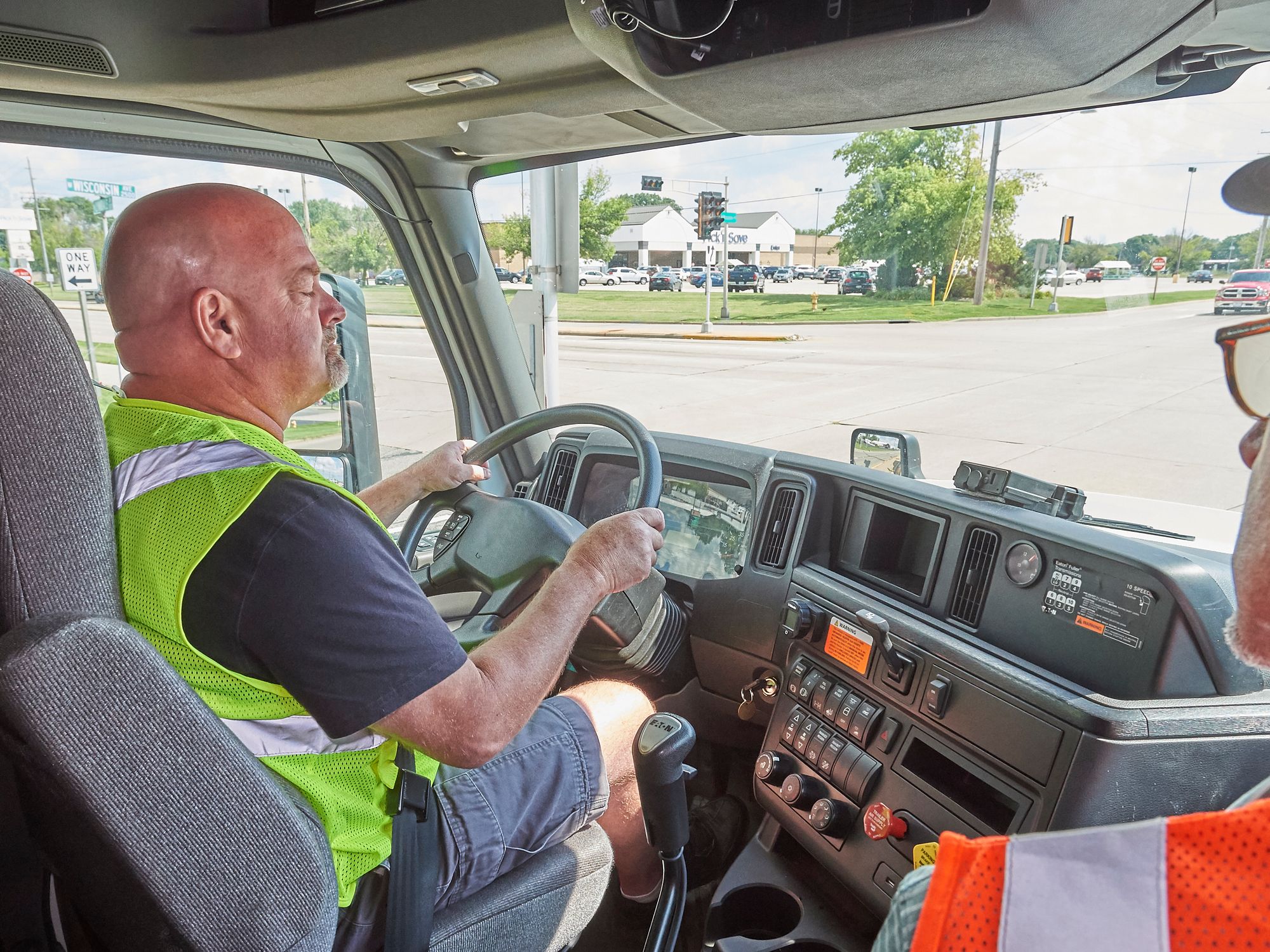
- Mentor drivers or experienced driver trainers can be very effective at coaching and molding new drivers if the carrier provides clear expectations for their mentors.
- A company must define the skills their apprentice or new drivers need to master, how the new drivers will learn the skill, and how the company or the mentor will evaluate the new driver’s performance.
- When choosing a mentor, look for someone with experience, good communication skills and an understanding of the learning curve.
Mentor drivers or experienced driver trainers in the fleet can make be very effective at coaching and molding new drivers if the carrier provides clear expectations for their mentors. The mentor driver trainers will help sharpen a new8 driver’s skills and built a relationship based on trust and professionalism.
A company must define the skills their apprentice or new drivers need to master, how the new drivers will learn the skill, and how the company or the mentor will evaluate the new driver’s performance.
Give special attention to skills and attitudes specific to the operation or things that could not be covered in the apprentice’s schooling (e.g., mountain driving if the company is based in a flat state) or new driver’s prior training. The culture is unique to a company and a mentor driver can share the company’s values and culture as well as assess the new driver for fit.
The mentor should handle most driving at first, gradually allowing the apprentice more time behind the wheel and in more challenging situations. In the beginning, the mentor should always be awake and observing while the apprentice drives.
The length of the apprentice’s training should not be pre-defined but should depend on how fast the driver masters the needed skills to be on their own. If the carrier has chosen good people and developed a good program, the apprentice should ripen into a mature, successful solo driver. Even better, the experiment will put the roots in place for a full-fledged grow-your-own apprenticeship or driver training program.
Qualities to look for in an effective mentor:
- An experienced driver with an excellent safety record. An impressionable new driver or apprentice driver will inevitably imitate what they see during their first weeks on the road. Choose a mentor who is an exemplary model of good safety habits.
- Good communication skills. While modeling good driving and work skills is very important, so is the ability to verbalize the tasks being completed. Does the carrier have a veteran driver who can articulate their point with clarity and tact no matter whom they are speaking with?
- An understanding of the learning curve. A good mentor realizes Rome wasn’t built in a day. The apprentice is going to grind gears, make mistakes, and feel overwhelmed at times. The mentor should be able to guide the apprentice along the learning path and realize that progress, not instant perfection, is the goal.
:
driver-recruiting-and-retention
driver-recruiting-and-retention
FOUNDATIONAL LEARNING
Mentor driver trainers
InstituteFleet SafetyAnalysisDriver recruiting and retentionFocus AreaHiring standards - Motor CarrierUSAEnglishDriver recruiting and retentionTransportationIn Depth (Level 3)
['Driver recruiting and retention']
- Mentor drivers or experienced driver trainers can be very effective at coaching and molding new drivers if the carrier provides clear expectations for their mentors.
- A company must define the skills their apprentice or new drivers need to master, how the new drivers will learn the skill, and how the company or the mentor will evaluate the new driver’s performance.
- When choosing a mentor, look for someone with experience, good communication skills and an understanding of the learning curve.
Mentor drivers or experienced driver trainers in the fleet can make be very effective at coaching and molding new drivers if the carrier provides clear expectations for their mentors. The mentor driver trainers will help sharpen a new8 driver’s skills and built a relationship based on trust and professionalism.
A company must define the skills their apprentice or new drivers need to master, how the new drivers will learn the skill, and how the company or the mentor will evaluate the new driver’s performance.
Give special attention to skills and attitudes specific to the operation or things that could not be covered in the apprentice’s schooling (e.g., mountain driving if the company is based in a flat state) or new driver’s prior training. The culture is unique to a company and a mentor driver can share the company’s values and culture as well as assess the new driver for fit.
The mentor should handle most driving at first, gradually allowing the apprentice more time behind the wheel and in more challenging situations. In the beginning, the mentor should always be awake and observing while the apprentice drives.
The length of the apprentice’s training should not be pre-defined but should depend on how fast the driver masters the needed skills to be on their own. If the carrier has chosen good people and developed a good program, the apprentice should ripen into a mature, successful solo driver. Even better, the experiment will put the roots in place for a full-fledged grow-your-own apprenticeship or driver training program.
Qualities to look for in an effective mentor:
- An experienced driver with an excellent safety record. An impressionable new driver or apprentice driver will inevitably imitate what they see during their first weeks on the road. Choose a mentor who is an exemplary model of good safety habits.
- Good communication skills. While modeling good driving and work skills is very important, so is the ability to verbalize the tasks being completed. Does the carrier have a veteran driver who can articulate their point with clarity and tact no matter whom they are speaking with?
- An understanding of the learning curve. A good mentor realizes Rome wasn’t built in a day. The apprentice is going to grind gears, make mistakes, and feel overwhelmed at times. The mentor should be able to guide the apprentice along the learning path and realize that progress, not instant perfection, is the goal.
2656872028
2656867803
UPGRADE TO CONTINUE READING
RELATED TOPICS
J. J. Keller is the trusted source for DOT / Transportation, OSHA / Workplace Safety, Human Resources, Construction Safety and Hazmat / Hazardous Materials regulation compliance products and services. J. J. Keller helps you increase safety awareness, reduce risk, follow best practices, improve safety training, and stay current with changing regulations.
Copyright 2026 J. J. Keller & Associate, Inc. For re-use options please contact copyright@jjkeller.com or call 800-558-5011.