Compliance Just Got Easier: Stay ahead of regulatory changes with instant notifications on updates that matter.
['Confined Spaces']
['Permit-Required Confined Spaces', 'Confined Space Hazards', 'Confined Spaces']
06/15/2026

Copyright 2026 J. J. Keller & Associate, Inc. For re-use options please contact copyright@jjkeller.com or call 800-558-5011.
:
|
InstituteConfined SpacesConfined Space HazardsSafety & HealthConfined SpacesGeneral Industry SafetyPermit-Required Confined SpacesEnglishAnalysisFocus AreaCompliance and Exceptions (Level 2)USA
Where do employers start for confined space work? (Construction)
['Confined Spaces']
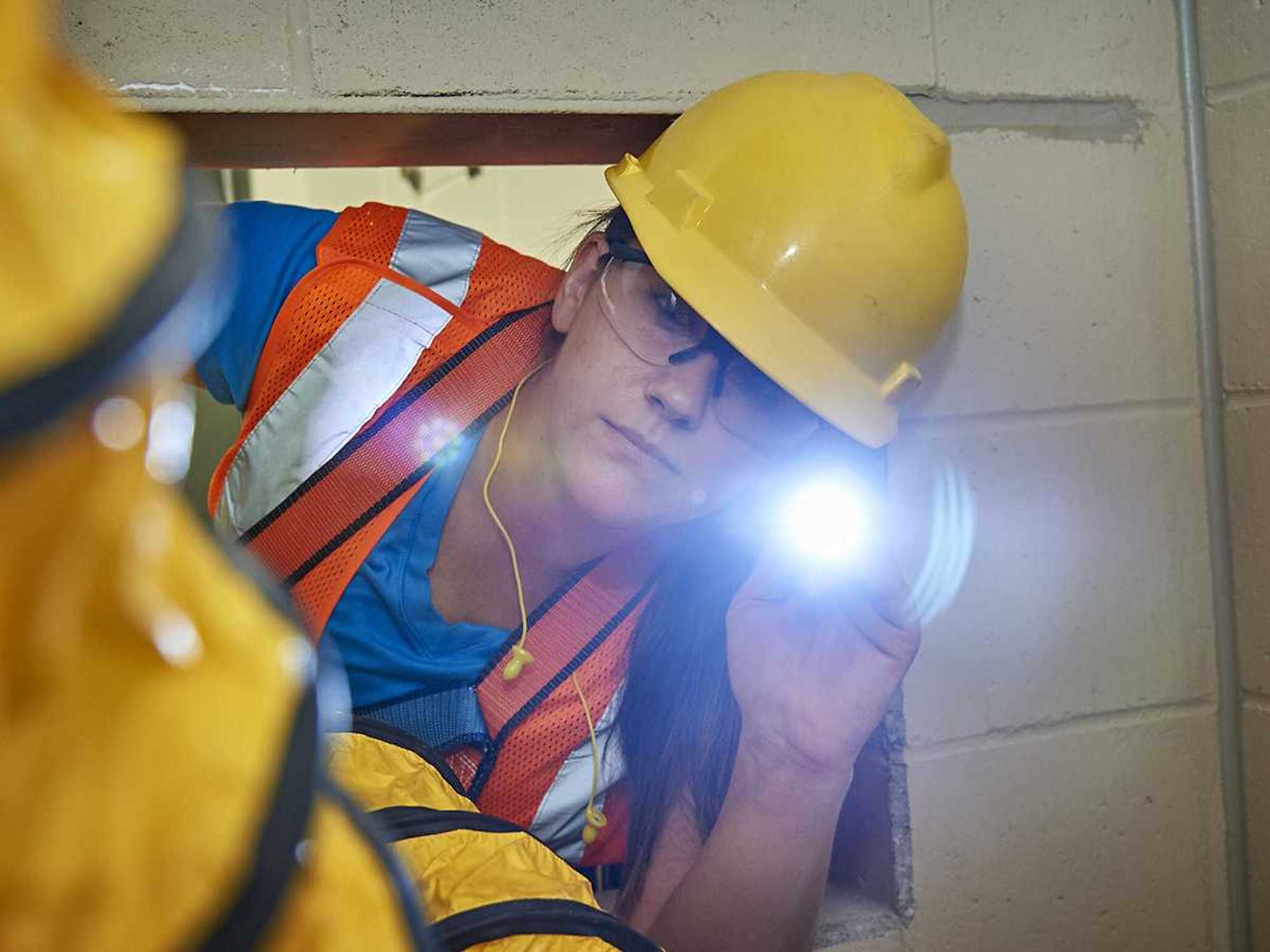
- The decisions an employer must make regarding confined spaces in the workplace may be helpfully visualized using the flowchart provided in 29 CFR 1910.146 Appendix A.
Before work begins, an employer must have a competent person identify all confined spaces on the worksite the work area and determine for each space whether it is a permit-required confined space.
If a worksite contains permit spaces, the employer must:
- Inform exposed employees of the existence, location, and hazards of these spaces using signs or other equally effective means;
- Determine who, if anyone, is authorized to enter permit spaces; and
- Prevent unauthorized entry into these spaces.
If contractors will enter permit spaces, the host employer must share relevant hazard information and coordinate entry operations with the contractor before work begins. On construction sites, additional coordination is required when multiple employers have workers on-site.
If the employer decides that employees:
- Will not be authorized to enter permit spaces, then the employer must implement the measures necessary to prevent all employee entry into permit spaces.
- Will be authorized to enter permit spaces, then that employer must write and implement a comprehensive program for protecting employees from the hazards of permit spaces and regulating employee entry into these spaces. The employer must still prevent all unauthorized entry into the permit space.
- When a permit space is about to be entered :
- If the space meets the conditions for alternate entry procedures, the employer may authorize employees to enter using the alternate entry procedures instead of the procedures laid out in the employer’s permit space program.
- If the space does not meet the conditions for alternate entry procedures, but the employer can verify that the space meets the acceptable entry conditions detailed on the employer’s permit program, then employees may begin entry according to the terms of the permit program.
:
confined-spaces
confined-spaces
FOUNDATIONAL LEARNING
InstituteConfined SpacesConfined Space HazardsConfined SpacesConfined Space Testing and Protective MeasuresPermit-Required Confined SpacesConfined Space Entry Team DutiesConfined Space Retrieval and RescueEnglishSafety & HealthGeneral Industry SafetyConfined Space Entry PermitAnalysisFocus AreaCompliance and Exceptions (Level 2)USA
Key definitions
InstituteSeverance PayPlant ClosingsSafety & HealthConfined SpacesConfined Space HazardsConfined SpacesGeneral Industry SafetyPermit-Required Confined SpacesConfined Space Entry PermitEnglishAnalysisFocus AreaCompliance and Exceptions (Level 2)USA
What elements are required for a permit space program? (Construction)
InstituteConfined SpacesSafety & HealthConfined SpacesConfined Space Testing and Protective MeasuresGeneral Industry SafetyConfined Space HazardsConfined Space Retrieval and RescueConfined Space Entry PermitEnglishAnalysisFocus AreaCompliance and Exceptions (Level 2)USA
What elements are required for a permit space program? (General Industry)
Where do employers start for confined space work? (Construction)
InstituteConfined SpacesConfined Space HazardsSafety & HealthConfined SpacesGeneral Industry SafetyPermit-Required Confined SpacesEnglishAnalysisFocus AreaCompliance and Exceptions (Level 2)USA
['Confined Spaces']
- The decisions an employer must make regarding confined spaces in the workplace may be helpfully visualized using the flowchart provided in 29 CFR 1910.146 Appendix A.
Before work begins, an employer must have a competent person identify all confined spaces on the worksite the work area and determine for each space whether it is a permit-required confined space.
If a worksite contains permit spaces, the employer must:
- Inform exposed employees of the existence, location, and hazards of these spaces using signs or other equally effective means;
- Determine who, if anyone, is authorized to enter permit spaces; and
- Prevent unauthorized entry into these spaces.
If contractors will enter permit spaces, the host employer must share relevant hazard information and coordinate entry operations with the contractor before work begins. On construction sites, additional coordination is required when multiple employers have workers on-site.
If the employer decides that employees:
- Will not be authorized to enter permit spaces, then the employer must implement the measures necessary to prevent all employee entry into permit spaces.
- Will be authorized to enter permit spaces, then that employer must write and implement a comprehensive program for protecting employees from the hazards of permit spaces and regulating employee entry into these spaces. The employer must still prevent all unauthorized entry into the permit space.
- When a permit space is about to be entered :
- If the space meets the conditions for alternate entry procedures, the employer may authorize employees to enter using the alternate entry procedures instead of the procedures laid out in the employer’s permit space program.
- If the space does not meet the conditions for alternate entry procedures, but the employer can verify that the space meets the acceptable entry conditions detailed on the employer’s permit program, then employees may begin entry according to the terms of the permit program.
2656866960
2656868498
UPGRADE TO CONTINUE READING
RELATED TOPICS
J. J. Keller is the trusted source for DOT / Transportation, OSHA / Workplace Safety, Human Resources, Construction Safety and Hazmat / Hazardous Materials regulation compliance products and services. J. J. Keller helps you increase safety awareness, reduce risk, follow best practices, improve safety training, and stay current with changing regulations.
Copyright 2026 J. J. Keller & Associate, Inc. For re-use options please contact copyright@jjkeller.com or call 800-558-5011.