Compliance Just Got Easier: Stay ahead of regulatory changes with instant notifications on updates that matter.
['Confined Spaces']
['Severance Pay', 'Permit-Required Confined Spaces', 'Confined Space Hazards', 'Confined Spaces', 'Confined Space Entry Permit', 'Plant Closings']
06/15/2026

Copyright 2026 J. J. Keller & Associate, Inc. For re-use options please contact copyright@jjkeller.com or call 800-558-5011.
:
|
InstituteSeverance PayPlant ClosingsSafety & HealthConfined SpacesConfined Space HazardsConfined SpacesGeneral Industry SafetyPermit-Required Confined SpacesConfined Space Entry PermitEnglishAnalysisFocus AreaCompliance and Exceptions (Level 2)USA
What elements are required for a permit space program? (Construction)
['Confined Spaces']
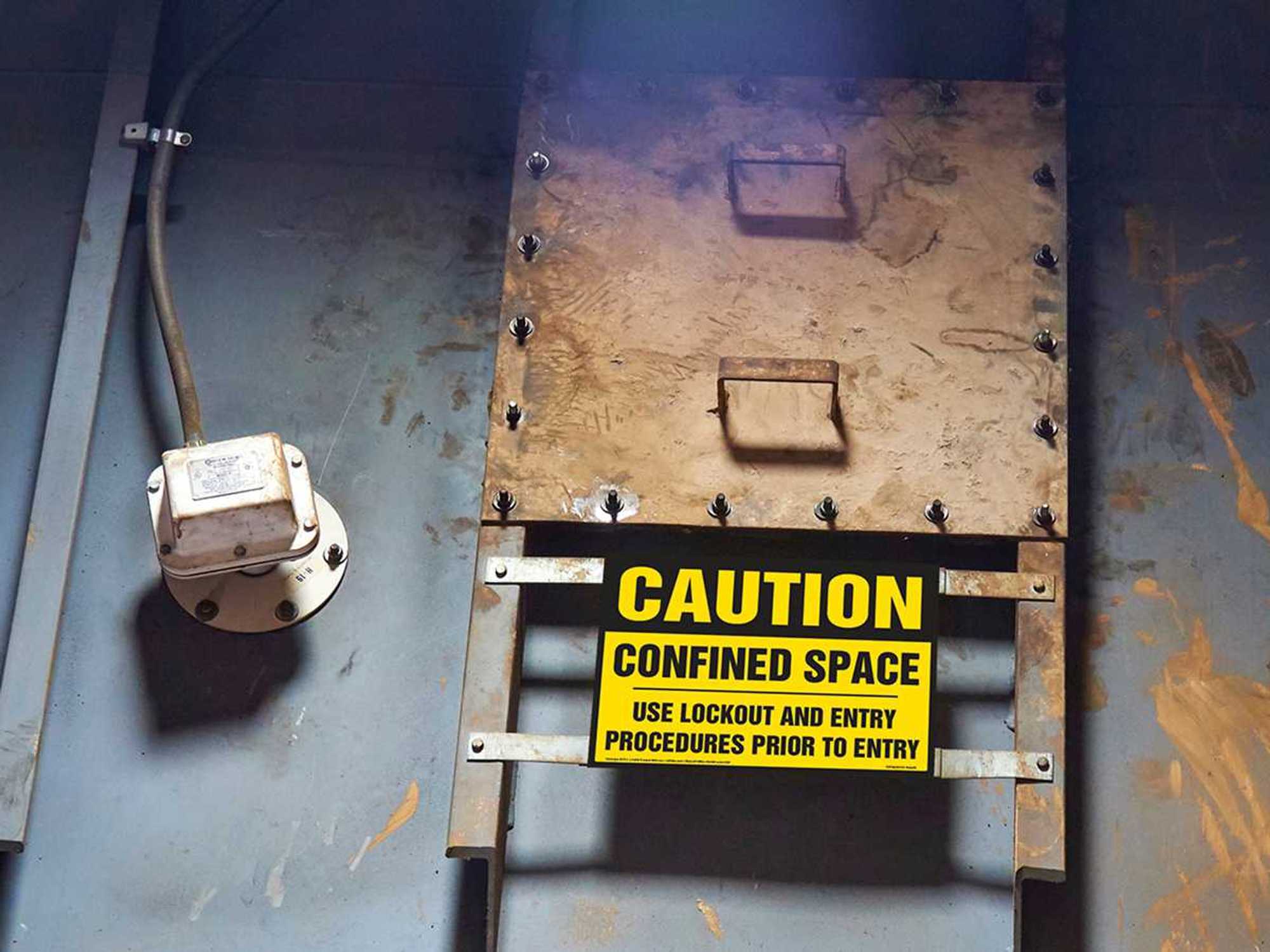
- Any employer whose employees enter permit spaces must develop a permit space program that details the terms of entry.
- An effective permit program lays out the procedures necessary to protect employees from permit space hazards, including testing and monitoring.
Each employer who will direct employees to enter permit spaces must develop a written permit space program that establishes procedures for safe entry, including procedures for testing and monitoring for hazardous conditions. Entry into the permit space will only be permitted under the terms of this program. That employer must prevent unauthorized persons from entering the permit space and remove any unauthorized persons who do so.
Under the program, the employer must provide specified equipment to employees involved in confined space entry; have an attendant stationed outside permit spaces during entry; establish procedures to summon rescuers and prevent unauthorized personnel from attempting rescue; and develop a system for preparing, issuing, using, and canceling entry permits.
A permit space program must:
- Implement measures to prevent unauthorized entry;
- Identify and evaluate permit space hazards before allowing entry;
- Arrange for the atmospheric conditions in the permit space to be tested before entry operations and for the space to be monitored during entry;
- Provide an early-warning system that continuously monitors for non-isolated engulfment hazards. The system must alert authorized entrants and attendants in sufficient time for the authorized entrants to safely exit the space;
- Continuously monitor atmospheric hazards when feasible; if continuous monitoring is not possible, ensure periodic monitoring occurs with sufficient frequency to maintain acceptable entry conditions;
- Test atmospheric hazards in the proper sequence: oxygen content, then combustible gases or vapors, followed by toxic gases or vapors;
- Establish procedures to eliminate or control hazards and ensure safe entry operations;
- Define employee roles and responsibilities (e.g., entrants, attendants, entry supervisors);
- Provide and maintain all necessary personal protective equipment and other required equipment at no cost to employees, and ensure proper use;
- Ensure that at least one attendant is stationed outside the permit space during entry operations;
- Establish procedures for attendants who monitor multiple spaces, including response actions in an emergency;
- Coordinate entry operations with the controlling contractor when employees of more than one employer are working in the permit space; and
- Establish procedures for summoning rescue and emergency services and for preventing unauthorized rescue attempts;
- Review the permit space program at least annually.
The permit space program must also establish a system for preparing, using, suspending, and canceling entry permits, which are written or printed documents that allow and control entry into permit spaces.
:
confined-spaces
confined-spaces
FOUNDATIONAL LEARNING
InstituteConfined SpacesConfined Space HazardsConfined SpacesConfined Space Testing and Protective MeasuresPermit-Required Confined SpacesConfined Space Entry Team DutiesConfined Space Retrieval and RescueEnglishSafety & HealthGeneral Industry SafetyConfined Space Entry PermitAnalysisFocus AreaCompliance and Exceptions (Level 2)USA
Key definitions
InstituteSeverance PayPlant ClosingsSafety & HealthConfined SpacesConfined Space HazardsConfined SpacesGeneral Industry SafetyPermit-Required Confined SpacesConfined Space Entry PermitEnglishAnalysisFocus AreaCompliance and Exceptions (Level 2)USA
What elements are required for a permit space program? (Construction)
InstituteConfined SpacesSafety & HealthConfined SpacesConfined Space Testing and Protective MeasuresGeneral Industry SafetyConfined Space HazardsConfined Space Retrieval and RescueConfined Space Entry PermitEnglishAnalysisFocus AreaCompliance and Exceptions (Level 2)USA
What elements are required for a permit space program? (General Industry)
What elements are required for a permit space program? (Construction)
InstituteSeverance PayPlant ClosingsSafety & HealthConfined SpacesConfined Space HazardsConfined SpacesGeneral Industry SafetyPermit-Required Confined SpacesConfined Space Entry PermitEnglishAnalysisFocus AreaCompliance and Exceptions (Level 2)USA
['Confined Spaces']
- Any employer whose employees enter permit spaces must develop a permit space program that details the terms of entry.
- An effective permit program lays out the procedures necessary to protect employees from permit space hazards, including testing and monitoring.
Each employer who will direct employees to enter permit spaces must develop a written permit space program that establishes procedures for safe entry, including procedures for testing and monitoring for hazardous conditions. Entry into the permit space will only be permitted under the terms of this program. That employer must prevent unauthorized persons from entering the permit space and remove any unauthorized persons who do so.
Under the program, the employer must provide specified equipment to employees involved in confined space entry; have an attendant stationed outside permit spaces during entry; establish procedures to summon rescuers and prevent unauthorized personnel from attempting rescue; and develop a system for preparing, issuing, using, and canceling entry permits.
A permit space program must:
- Implement measures to prevent unauthorized entry;
- Identify and evaluate permit space hazards before allowing entry;
- Arrange for the atmospheric conditions in the permit space to be tested before entry operations and for the space to be monitored during entry;
- Provide an early-warning system that continuously monitors for non-isolated engulfment hazards. The system must alert authorized entrants and attendants in sufficient time for the authorized entrants to safely exit the space;
- Continuously monitor atmospheric hazards when feasible; if continuous monitoring is not possible, ensure periodic monitoring occurs with sufficient frequency to maintain acceptable entry conditions;
- Test atmospheric hazards in the proper sequence: oxygen content, then combustible gases or vapors, followed by toxic gases or vapors;
- Establish procedures to eliminate or control hazards and ensure safe entry operations;
- Define employee roles and responsibilities (e.g., entrants, attendants, entry supervisors);
- Provide and maintain all necessary personal protective equipment and other required equipment at no cost to employees, and ensure proper use;
- Ensure that at least one attendant is stationed outside the permit space during entry operations;
- Establish procedures for attendants who monitor multiple spaces, including response actions in an emergency;
- Coordinate entry operations with the controlling contractor when employees of more than one employer are working in the permit space; and
- Establish procedures for summoning rescue and emergency services and for preventing unauthorized rescue attempts;
- Review the permit space program at least annually.
The permit space program must also establish a system for preparing, using, suspending, and canceling entry permits, which are written or printed documents that allow and control entry into permit spaces.
2656872711
2656866961
UPGRADE TO CONTINUE READING
RELATED TOPICS
J. J. Keller is the trusted source for DOT / Transportation, OSHA / Workplace Safety, Human Resources, Construction Safety and Hazmat / Hazardous Materials regulation compliance products and services. J. J. Keller helps you increase safety awareness, reduce risk, follow best practices, improve safety training, and stay current with changing regulations.
Copyright 2026 J. J. Keller & Associate, Inc. For re-use options please contact copyright@jjkeller.com or call 800-558-5011.