Compliance Just Got Easier: Stay ahead of regulatory changes with instant notifications on updates that matter.
['Enforcement - DOT']
['Out-of-service criteria - Motor Carrier', 'Roadside Inspections']
02/12/2026

Copyright 2026 J. J. Keller & Associate, Inc. For re-use options please contact copyright@jjkeller.com or call 800-558-5011.
:
|
InstituteEnglishFleet SafetyOut-of-service criteria - Motor CarrierFocus AreaUSAEnforcement - DOTRoadside InspectionsAnalysisTransportationIn Depth (Level 3)
Vehicle inspection process
['Enforcement - DOT']
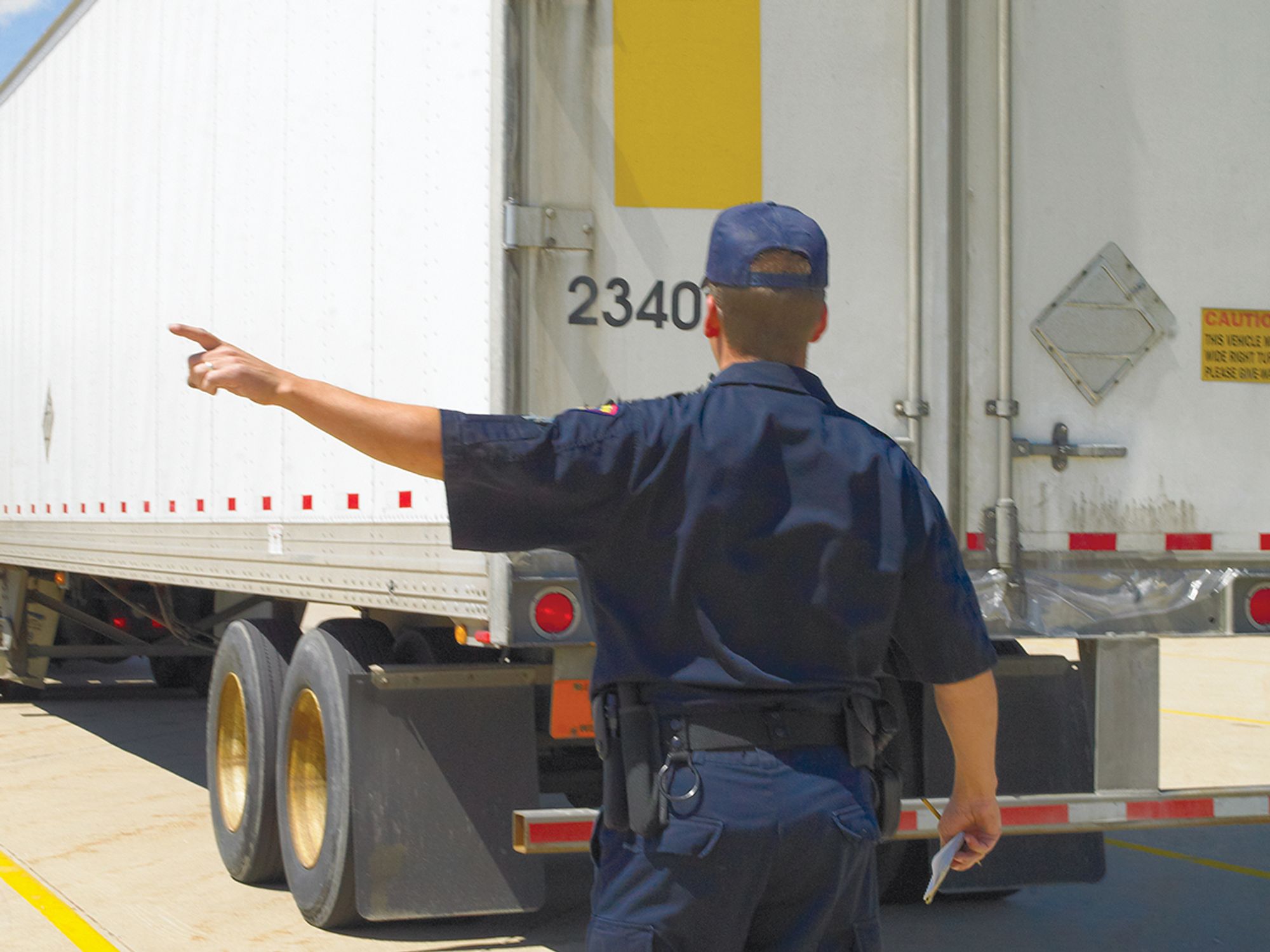
- The officer will prepare the driver for a vehicle inspection by providing necessary safety information and instructions.
- If the driver does not pay attention to or obey the inspection instructions, the officer or driver could be injured during the inspection, or the officer may see a vehicle defect that is not actually a defect.
If the officer is going to conduct a vehicle inspection, the first step will be preparing the driver for the vehicle portion of the inspection. This involves the officer providing the driver with the necessary safety information and instructions. Common statements the officer may make to the driver include:
- “Your wheels will be chocked until I tell you otherwise, so do not try to move the vehicle or worry about it moving when the brakes are released.”
- “Do not operate any controls unless I ask you.”
- “When I am checking your lights, I will use the following hand signals to indicate which lights I want turned on.”
There will be other instructions as the inspection progresses. It is critical that the driver pay attention to the officer’s instructions. If the driver does not, the officer or driver could be injured, or the officer may see a vehicle defect that is not actually a defect. For example, if the driver does not turn on a light when requested, it could lead an officer to believe it’s not working.
:
enforcement-dot
FOUNDATIONAL LEARNING
Vehicle inspection process
InstituteEnglishFleet SafetyOut-of-service criteria - Motor CarrierFocus AreaUSAEnforcement - DOTRoadside InspectionsAnalysisTransportationIn Depth (Level 3)
['Enforcement - DOT']
- The officer will prepare the driver for a vehicle inspection by providing necessary safety information and instructions.
- If the driver does not pay attention to or obey the inspection instructions, the officer or driver could be injured during the inspection, or the officer may see a vehicle defect that is not actually a defect.
If the officer is going to conduct a vehicle inspection, the first step will be preparing the driver for the vehicle portion of the inspection. This involves the officer providing the driver with the necessary safety information and instructions. Common statements the officer may make to the driver include:
- “Your wheels will be chocked until I tell you otherwise, so do not try to move the vehicle or worry about it moving when the brakes are released.”
- “Do not operate any controls unless I ask you.”
- “When I am checking your lights, I will use the following hand signals to indicate which lights I want turned on.”
There will be other instructions as the inspection progresses. It is critical that the driver pay attention to the officer’s instructions. If the driver does not, the officer or driver could be injured, or the officer may see a vehicle defect that is not actually a defect. For example, if the driver does not turn on a light when requested, it could lead an officer to believe it’s not working.
2657104828
2657104730
UPGRADE TO CONTINUE READING
RELATED TOPICS
J. J. Keller is the trusted source for DOT / Transportation, OSHA / Workplace Safety, Human Resources, Construction Safety and Hazmat / Hazardous Materials regulation compliance products and services. J. J. Keller helps you increase safety awareness, reduce risk, follow best practices, improve safety training, and stay current with changing regulations.
Copyright 2026 J. J. Keller & Associate, Inc. For re-use options please contact copyright@jjkeller.com or call 800-558-5011.