Compliance Just Got Easier: Stay ahead of regulatory changes with instant notifications on updates that matter.
['Fall Protection']
['Fall Protection']
04/22/2025

Copyright 2026 J. J. Keller & Associate, Inc. For re-use options please contact copyright@jjkeller.com or call 800-558-5011.
:
|
InstituteSafety & HealthGeneral Industry SafetyFall ProtectionFall ProtectionEnglishAnalysisFocus AreaCompliance and Exceptions (Level 2)USA
Use personal fall protection in General Industry when guardrails are not feasible
['Fall Protection']
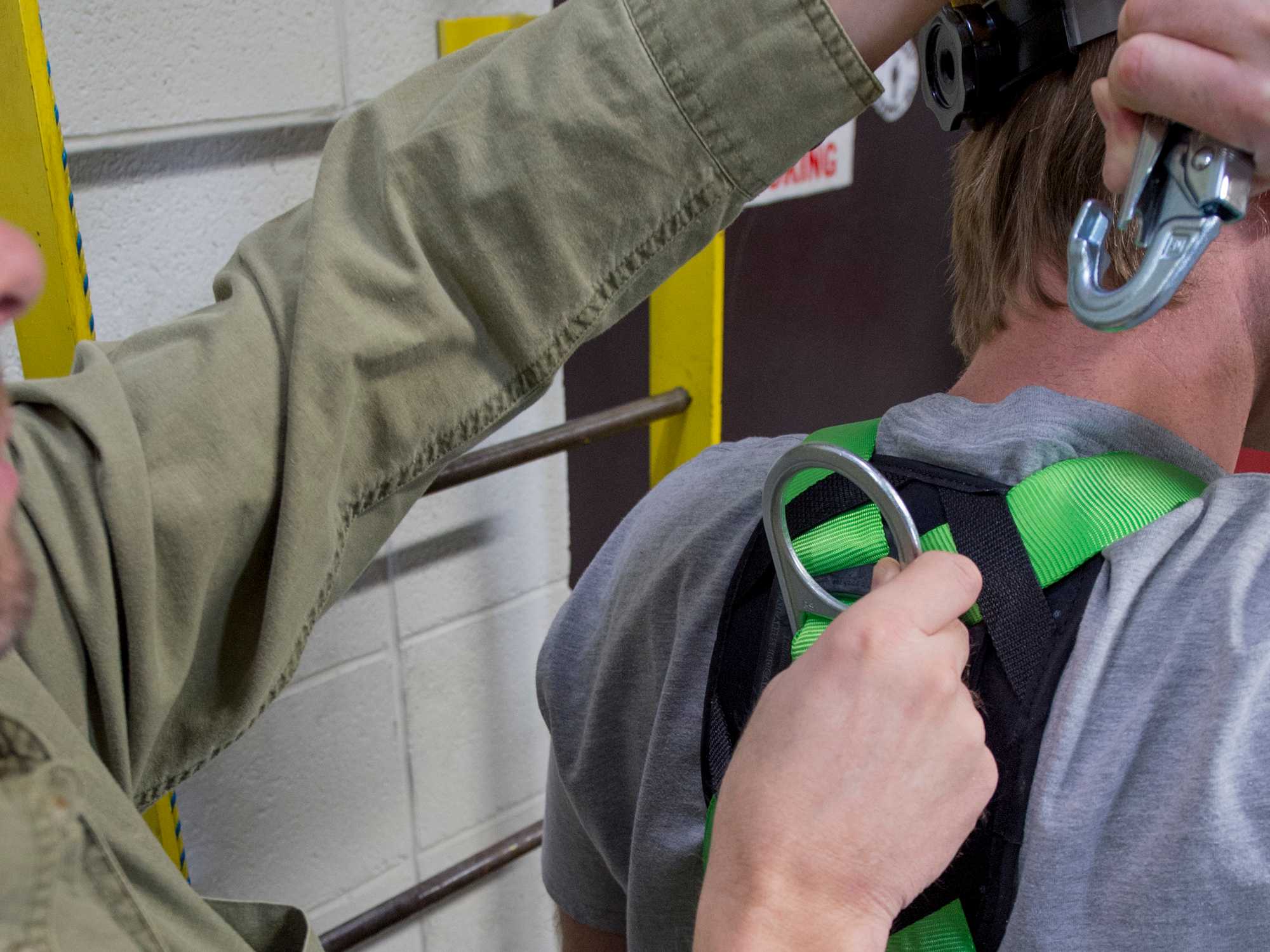
- Fall protection systems include personal fall arrest systems, travel restraint systems, and positioning systems.
- Employees must inspect personal fall protection before each initial use during a work shift, and repair or replace damaged components.
Guardrails are not always feasible, so the Occupational Safety and Health Administration (OSHA) provides options for general industry employers including personal fall protection systems.
Personal fall protection systems include:
- Personal fall arrest systems,
- Travel restraint systems, and
- Positioning systems.
Employers must:
- Evaluate the work environment and operations for fall hazards and falling object hazards.
- Provide fall protection in some acceptable form (e.g., guardrail systems, safety net systems, personal fall protection systems, or designated areas).
- Train employees on proper use of personal fall protection systems.
- Inspect personal fall protection systems.
- Select personal fall protection systems that are suitable for the job.
- Maintain personal fall protection systems in safe working condition.
- When required to be used, provide personal fall protection systems at no cost to the employee.
Employers must ensure that personal fall protection is inspected before each initial use during each work shift. Employees should look for mildew, wear, damage, and other deterioration, and defective components. If any of the these are found, the components must be taken out of service.
Ropes, belts, lanyards, lifelines, and harnesses used for personal fall protection must:
- Be compatible with all connectors used, and
- Be protected from being cut, abraded, melted, or otherwise damaged.
:
fall-protection
fall-protection
FOUNDATIONAL LEARNING
Use personal fall protection in General Industry when guardrails are not feasible
InstituteSafety & HealthGeneral Industry SafetyFall ProtectionFall ProtectionEnglishAnalysisFocus AreaCompliance and Exceptions (Level 2)USA
['Fall Protection']
- Fall protection systems include personal fall arrest systems, travel restraint systems, and positioning systems.
- Employees must inspect personal fall protection before each initial use during a work shift, and repair or replace damaged components.
Guardrails are not always feasible, so the Occupational Safety and Health Administration (OSHA) provides options for general industry employers including personal fall protection systems.
Personal fall protection systems include:
- Personal fall arrest systems,
- Travel restraint systems, and
- Positioning systems.
Employers must:
- Evaluate the work environment and operations for fall hazards and falling object hazards.
- Provide fall protection in some acceptable form (e.g., guardrail systems, safety net systems, personal fall protection systems, or designated areas).
- Train employees on proper use of personal fall protection systems.
- Inspect personal fall protection systems.
- Select personal fall protection systems that are suitable for the job.
- Maintain personal fall protection systems in safe working condition.
- When required to be used, provide personal fall protection systems at no cost to the employee.
Employers must ensure that personal fall protection is inspected before each initial use during each work shift. Employees should look for mildew, wear, damage, and other deterioration, and defective components. If any of the these are found, the components must be taken out of service.
Ropes, belts, lanyards, lifelines, and harnesses used for personal fall protection must:
- Be compatible with all connectors used, and
- Be protected from being cut, abraded, melted, or otherwise damaged.
2656868607
2656872011
UPGRADE TO CONTINUE READING
RELATED TOPICS
J. J. Keller is the trusted source for DOT / Transportation, OSHA / Workplace Safety, Human Resources, Construction Safety and Hazmat / Hazardous Materials regulation compliance products and services. J. J. Keller helps you increase safety awareness, reduce risk, follow best practices, improve safety training, and stay current with changing regulations.
Copyright 2026 J. J. Keller & Associate, Inc. For re-use options please contact copyright@jjkeller.com or call 800-558-5011.