Compliance Just Got Easier: Stay ahead of regulatory changes with instant notifications on updates that matter.
['Fall Protection']
['Fall Protection for Construction', 'Fall Protection']
04/22/2025

Copyright 2026 J. J. Keller & Associate, Inc. For re-use options please contact copyright@jjkeller.com or call 800-558-5011.
:
|
InstituteSafety & HealthGeneral Industry SafetyFall ProtectionFall ProtectionFall Protection for ConstructionIn Depth (Level 3)EnglishAnalysisFocus AreaUSA
Construction exceptions
['Fall Protection']
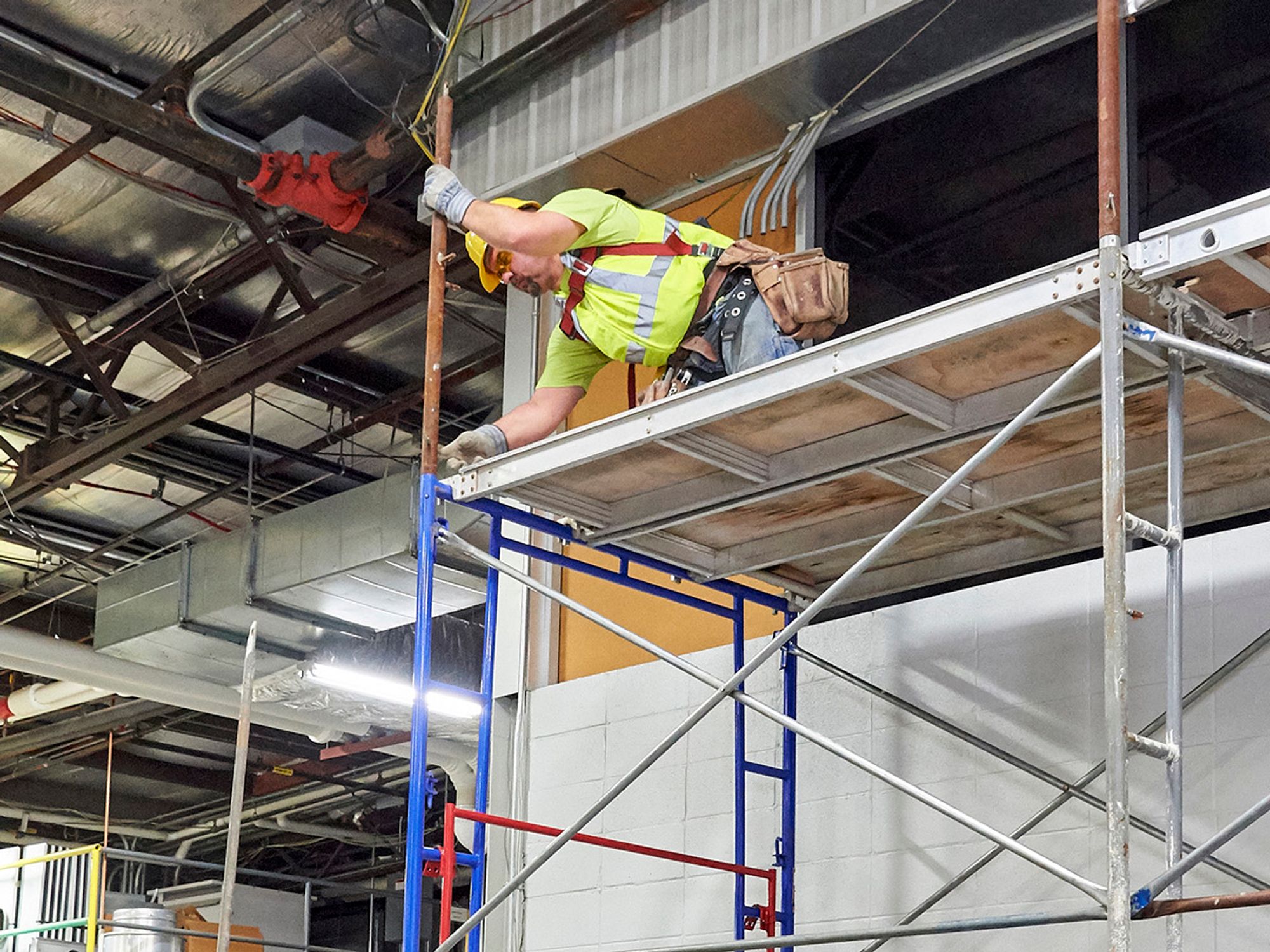
- Exceptions to the fall protection rule exist for construction workers who are in the process of inspecting or investigating a worksite before work begins or after work is completed.
The rule covers most construction workers except those inspecting, investigating, or assessing workplace conditions prior to the actual start of work or after all work has been completed (1926.500(a)(1)).
The Occupational Safety and Health Administration (OSHA) has set this exception because employees engaged in inspecting, investigating and assessing workplace conditions before the actual work begins or after work has been completed are exposed to fall hazards for very short durations, if at all, since they most likely would be able to accomplish their work without going near the danger zone.
It is OSHA’s experience that such individuals, who are not continually or routinely exposed to fall hazards, tend to be very focused on their footing, ever alert, and aware of the hazards associated with falling.
OSHA says that employees who inspect, investigate, or assess workplace conditions will be more aware of their proximity to an unprotected edge than, for example, a roofer who is moving backwards while operating a felt laying machine, or a plumber whose attention is on overhead pipe and not on the floor edge.
:
fall-protection
fall-protection
FOUNDATIONAL LEARNING
Construction exceptions
InstituteSafety & HealthGeneral Industry SafetyFall ProtectionFall ProtectionFall Protection for ConstructionIn Depth (Level 3)EnglishAnalysisFocus AreaUSA
['Fall Protection']
- Exceptions to the fall protection rule exist for construction workers who are in the process of inspecting or investigating a worksite before work begins or after work is completed.
The rule covers most construction workers except those inspecting, investigating, or assessing workplace conditions prior to the actual start of work or after all work has been completed (1926.500(a)(1)).
The Occupational Safety and Health Administration (OSHA) has set this exception because employees engaged in inspecting, investigating and assessing workplace conditions before the actual work begins or after work has been completed are exposed to fall hazards for very short durations, if at all, since they most likely would be able to accomplish their work without going near the danger zone.
It is OSHA’s experience that such individuals, who are not continually or routinely exposed to fall hazards, tend to be very focused on their footing, ever alert, and aware of the hazards associated with falling.
OSHA says that employees who inspect, investigate, or assess workplace conditions will be more aware of their proximity to an unprotected edge than, for example, a roofer who is moving backwards while operating a felt laying machine, or a plumber whose attention is on overhead pipe and not on the floor edge.
2656871700
2656867778
UPGRADE TO CONTINUE READING
RELATED TOPICS
J. J. Keller is the trusted source for DOT / Transportation, OSHA / Workplace Safety, Human Resources, Construction Safety and Hazmat / Hazardous Materials regulation compliance products and services. J. J. Keller helps you increase safety awareness, reduce risk, follow best practices, improve safety training, and stay current with changing regulations.
Copyright 2026 J. J. Keller & Associate, Inc. For re-use options please contact copyright@jjkeller.com or call 800-558-5011.