
Types of PPE and CPC
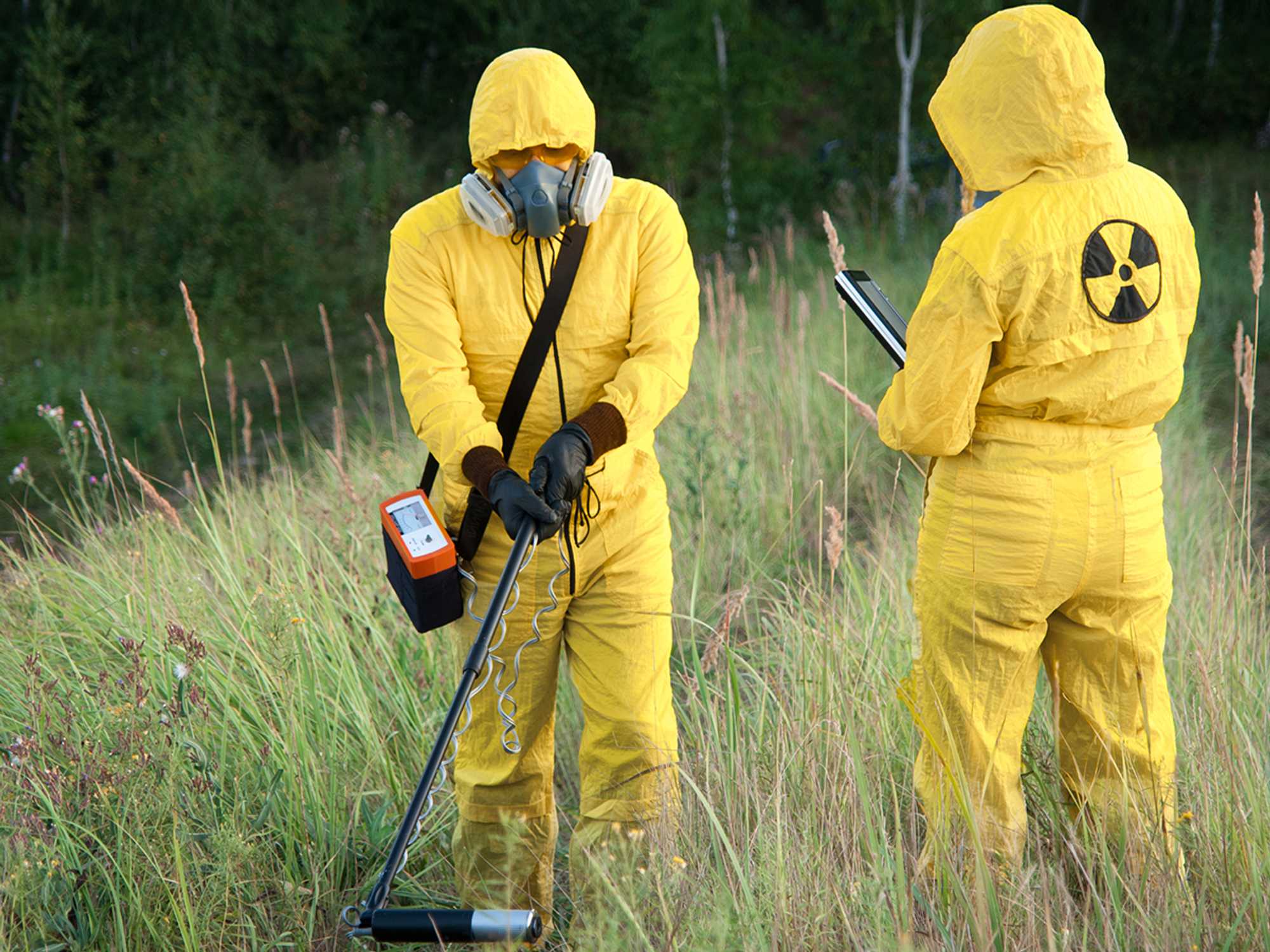
- Chemicals, radiation, heat, explosions, immersion, and other hazards can all be addressed with the proper type of CPC.
There are many different types of personal protective equipment (PPE) and chemical protective clothing (CPC) that protect many different parts of the body from many different hazards.
Types of PPE
PPE can provide protection from the following:
- Chemical hazards such as spills, splashes, vapor clouds, and contaminated dusts;
- Physical hazards such as falls, flying objects, and sources of electricity; and
- Biological hazards such as bloodborne pathogens and other infectious agents.
Types of CPC
The CPC that workers should wear varies depending on the situation and the chemicals involved. Any article of clothing that offers protection for a person’s skin or body from chemical hazards is considered CPC. Some types of CPC include:
- Fully encapsulating suits
- Non-encapsulating suits
- Aprons, leggings, and sleeve protectors
- Firefighters’ protective clothing
- Proximity garments or approach suits
- Blast and fragmentation suits
- Radiation contamination suits
- Flotation gear
- Cooling garments
- Hoods or hair coverings
- Sweatbands
- Disposable shoe or boot covers
A fully encapsulating suit offers whole-body protection from splashes, dust, gases, and vapors through its one-piece design. The boots and gloves can be either part of the suit, attached so they can be replaced, or separate.
This type of suit requires an atmosphere-supplying respirator. Employees wearing fully encapsulating suits should be monitored for heat stress, especially if they are also wearing self-contained breathing apparatus (SCBA).
A non-encapsulating suit protects most of the body, but parts of the head or neck are not protected. It consists of separate pieces of clothing that are worn together, such as a jacket, a hood, pants or bib overalls, and/or one-piece coveralls.
This type of clothing can also cause heat stress. Tape should be used to seal the connections between pants and boots, and between gloves and sleeves.
Arm sleeves can be used to add protection to the arms. Arm sleeves typically go all the way up to the shoulder. For additional protection, workers can use tape to seal their arm sleeves to their gloves, preventing splashes from getting down inside the gloves.
Aprons and leggings can provide additional protection to the chest and legs. These, along with the arm sleeves, should only be used alone when the chances of hazardous substances splashing the whole body are extremely low.
Firefighters’ protective clothing consists of a helmet, fire-resistant coat, fire-resistant pants, and boots. The main purpose of this clothing is to protect against heat and hot water. It will add protection against some particles as well, but it is very hard to decontaminate and can be permeated and degraded by chemicals.
Firefighters’ protective clothing should never be used as protection against chemical splashes, gaseous atmospheres, or vapors.
A proximity garment, sometimes called an approach suit, consists of a one- or two-piece overgarment with boot covers, gloves, and a hood made of aluminized nylon or cotton. These items are worn over other protective clothing to provide brief protection from radiant heat.
If employees will be exposed to a toxic atmosphere or need more than a couple minutes of protection, they would need to wear some type of cooling aid and an SCBA.
A blast and fragmentation suit consists of special blast and fragmentation vests and clothing, bomb blankets, and bomb carriers. These items can be used to provide some protection when small detonations are expected. Bomb blankets and baskets can be used to help redirect a blast.
When wearing this clothing, employees must also use some type of hearing protection.
For protection against radioactive alpha and beta particles, employees would wear a radiation-contamination protective suit, which consists of coveralls, gloves, shoe or boot covers, and a hood. This protective clothing is designed to protect the skin from contamination; it will not provide protection from gamma radiation.
If radiation may be present, a radiation expert should be consulted, and personnel should be evacuated from the area until conditions have been evaluated.
Life jackets or vests can be used as flotation gear when working in or around water. A life jacket or vest should be worn underneath other protective clothing to prevent degradation of the material from exposure to chemicals.
When heat stress is a concern due to either temperatures or the type of protective clothing worn, cooling garments can be used. Methods used for cooling include:
- A pump that circulates cool, dry air to portions of the suit or throughout the suit using an air line;
- A vest or jacket worn under other protective clothing that has pockets for carrying ice packs; and
- A pump that circulates ice water from a reservoir through tubes that cover the upper torso.
To protect the head area:
- Hoods can be used to protect the hair and neck from contamination.
- Hair nets can be used to keep workers’ hair from impairing their vision, particularly long hair. These can be worn under hard hats, liners, or hoods.
- Sweatbands can help prevent sweat from dripping into the eyes, causing irritation or impaired vision. These don’t provide any protection from chemicals, but they may make it more comfortable to work in warm environments or wear full body protection.
Boot covers or shoe covers give the feet an added layer of protection from chemicals. These covers slip over boots or shoes and are typically single use.