Compliance Just Got Easier: Stay ahead of regulatory changes with instant notifications on updates that matter.
['Toxic and Hazardous Substances - OSHA']
['Toxic and Hazardous Substances - OSHA', 'Lead']
04/30/2026

Copyright 2026 J. J. Keller & Associate, Inc. For re-use options please contact copyright@jjkeller.com or call 800-558-5011.
:
|
InstituteLeadSafety & HealthGeneral Industry SafetyToxic and Hazardous Substances - OSHAUSAEnglishAnalysisFocus AreaToxic and Hazardous Substances - OSHAIn Depth (Level 3)
Summary of requirements
['Toxic and Hazardous Substances - OSHA']
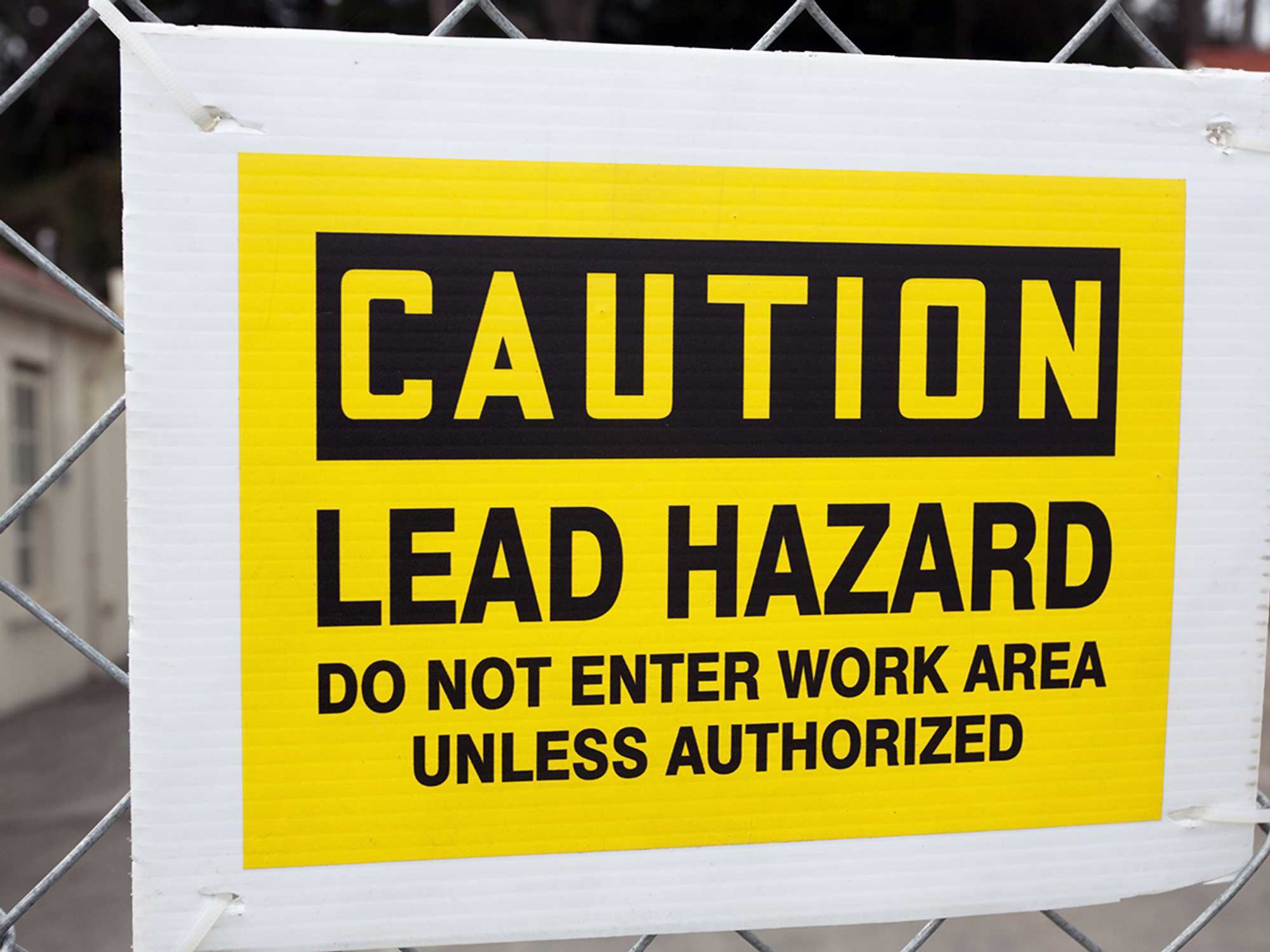
- Employers whose work involves lead must assess their employees’ exposure level, reduce the PEL to acceptable limits, provide respirators, train workers, establish cleaning and disposal procedures for contaminated clothing and equipment, implement medical surveillance, and more.
Employers must:
- Monitor employee exposures and determine if any employee may be exposed to lead at concentrations at or above the action level, which is an airborne concentration of 30 micrograms per cubic meter of air (30 μg/m3) averaged over an eight-hour period, without regard to the use of respirators).
- Establish and implement a written compliance program to reduce exposures at or below the permissible exposure limit (PEL), and interim levels if applicable, by means of engineering and work practice controls.
- Provide exposed employees with respirators and train according to 1910.134.
- Provide exposed employees with protective work clothing and equipment.
- Establish cleaning, laundering, or disposal procedures for contaminated protective clothing and equipment.
- Where employees are exposed to lead above the PEL, do not allow the presence or consumption of food or beverages, tobacco products, or the application of cosmetics.
- Provide separate change rooms, shower facilities, and lunchrooms.
- Post warning signs in each area where the PEL is exceeded.
- Institute a medical surveillance program for affected employees.
- Establish/maintain a record for each employee subject to medical surveillance.
- Provide the physician conducting a medical examination or consultation with the information required in the Lead standard and furnish the employee with a copy of the written medical opinion.
- Establish a training program for all affected employees. Provide the training prior to the initial job assignment and at least annually thereafter.
- If ventilation is used to control lead exposure, take measurements at least every three months AND within five days of any potential lead-level-altering change in production, processes, or control measures.
- If administrative controls are used to control lead, implement a job rotation schedule.
:
toxic-and-hazardous-substances-osha
toxic-and-hazardous-substances-osha
FOUNDATIONAL LEARNING
Summary of requirements
InstituteLeadSafety & HealthGeneral Industry SafetyToxic and Hazardous Substances - OSHAUSAEnglishAnalysisFocus AreaToxic and Hazardous Substances - OSHAIn Depth (Level 3)
['Toxic and Hazardous Substances - OSHA']
- Employers whose work involves lead must assess their employees’ exposure level, reduce the PEL to acceptable limits, provide respirators, train workers, establish cleaning and disposal procedures for contaminated clothing and equipment, implement medical surveillance, and more.
Employers must:
- Monitor employee exposures and determine if any employee may be exposed to lead at concentrations at or above the action level, which is an airborne concentration of 30 micrograms per cubic meter of air (30 μg/m3) averaged over an eight-hour period, without regard to the use of respirators).
- Establish and implement a written compliance program to reduce exposures at or below the permissible exposure limit (PEL), and interim levels if applicable, by means of engineering and work practice controls.
- Provide exposed employees with respirators and train according to 1910.134.
- Provide exposed employees with protective work clothing and equipment.
- Establish cleaning, laundering, or disposal procedures for contaminated protective clothing and equipment.
- Where employees are exposed to lead above the PEL, do not allow the presence or consumption of food or beverages, tobacco products, or the application of cosmetics.
- Provide separate change rooms, shower facilities, and lunchrooms.
- Post warning signs in each area where the PEL is exceeded.
- Institute a medical surveillance program for affected employees.
- Establish/maintain a record for each employee subject to medical surveillance.
- Provide the physician conducting a medical examination or consultation with the information required in the Lead standard and furnish the employee with a copy of the written medical opinion.
- Establish a training program for all affected employees. Provide the training prior to the initial job assignment and at least annually thereafter.
- If ventilation is used to control lead exposure, take measurements at least every three months AND within five days of any potential lead-level-altering change in production, processes, or control measures.
- If administrative controls are used to control lead, implement a job rotation schedule.
2656868363
2656868707
UPGRADE TO CONTINUE READING
RELATED TOPICS
J. J. Keller is the trusted source for DOT / Transportation, OSHA / Workplace Safety, Human Resources, Construction Safety and Hazmat / Hazardous Materials regulation compliance products and services. J. J. Keller helps you increase safety awareness, reduce risk, follow best practices, improve safety training, and stay current with changing regulations.
Copyright 2026 J. J. Keller & Associate, Inc. For re-use options please contact copyright@jjkeller.com or call 800-558-5011.