Compliance Just Got Easier: Stay ahead of regulatory changes with instant notifications on updates that matter.
['HAZWOPER']
['Hazardous Waste Cleanup Operations', 'HAZWOPER']
06/01/2026

Copyright 2026 J. J. Keller & Associate, Inc. For re-use options please contact copyright@jjkeller.com or call 800-558-5011.
:
|
InstituteHAZWOPERSafety & HealthIn Depth Sub Topics (Level 4)General Industry SafetyHazardous Waste Cleanup OperationsHAZWOPEREnglishAnalysisFocus AreaUSA
Spill control measures
['HAZWOPER']
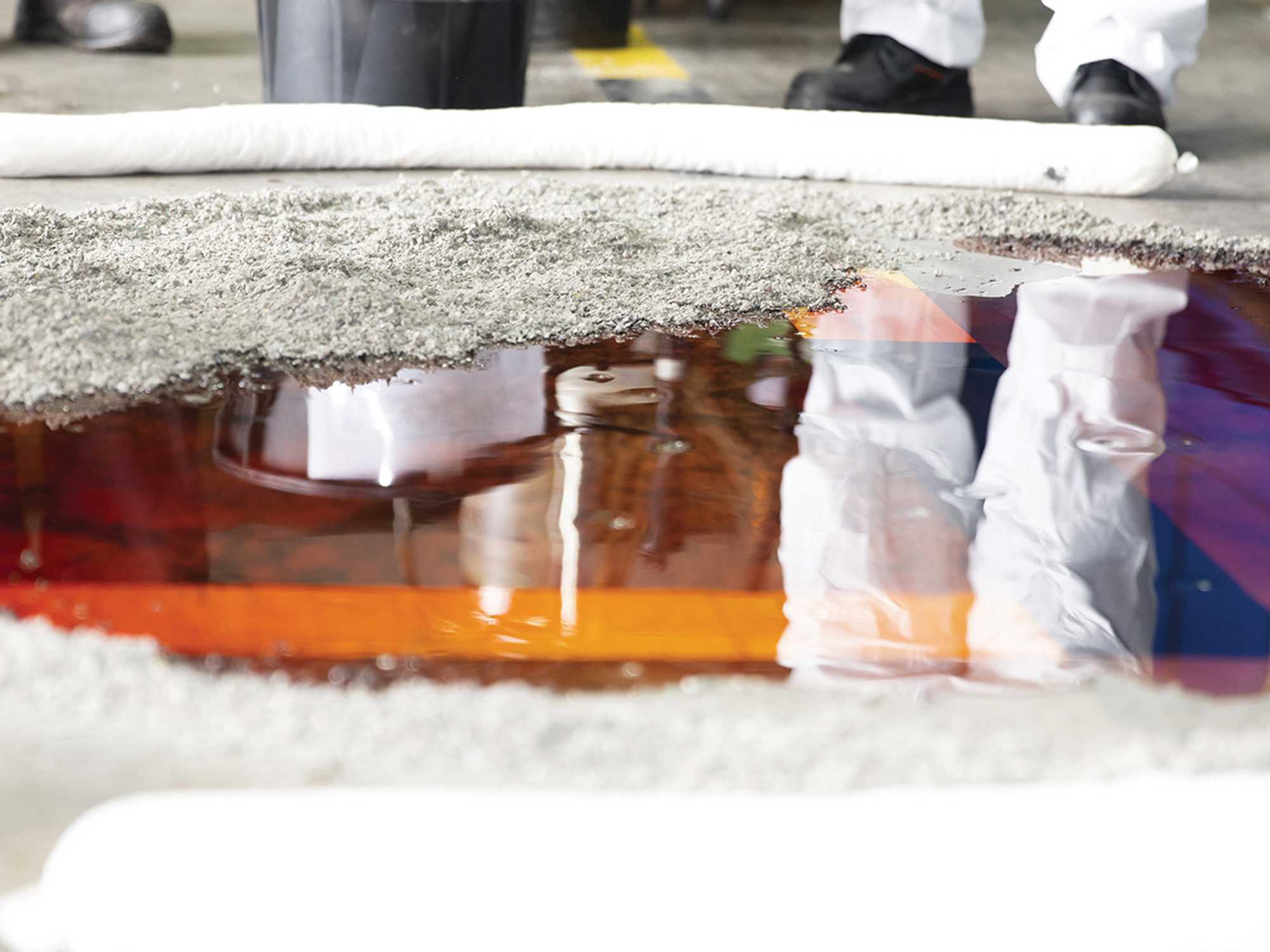
- The three methods to address a spill are containing it (e.g., plugging a leak), confining it (e.g., building a dam around it), and controlling it (e.g. neutralizing the substance).
When addressing the hazards of a spill, there are three methods that can be used:
- Contain it — Containing a release is keeping the remainder of the hazardous substance in its container. Examples of containing methods include plugging or patching leaks.
- Confine it — Actions to take to confine a hazardous release and keep it from flowing any further could include using absorbents, diverting a spill, building a dam, or digging a trench.
- Control it — Actions to otherwise control a spill and limit exposure and damages could include improving ventilation or neutralizing the substance, for example.
Everyone who is tasked with containing, confining, and/or controlling a hazardous substance release must be aware of their surroundings and watch for any indication that conditions are changing. Also, they must pay attention to how they are feeling and keep an eye on their “buddies.”
If any signs or symptoms of chemical exposure are present, employees should leave the area immediately. They can then regroup, discuss the new information, and make changes to the action plan.
The personnel authorized to address the release should consider the following factors when deciding what spill control measures to use:
- What the release substance is and its hazards;
- The chemical properties of the substance, including whether it is in solid, liquid, or gaseous form;
- Whether the substance is under pressure;
- Whether the release is on land, in the air, or in water;
- What natural or man-made barriers are already in place; and
- Weather conditions, such as extreme heat and cold, wind speed and direction, and rain.
Containing a spill might include measures such as:
- Plugging and patching,
- Overpacking,
- Shutting off a valve, or
- Rolling and tipping a leaking container so the hole is at the top.
Confining a spill might include the following measures:
- Sorbents
- Drip pans
- Diversion and retention ponds
- Damming, diking, or curbing
- Booming
- Drainage systems
- Vapor dispersion
- Vapor suppression
- Covering the spill
Some measures that can be used to control a spill emergency and limit exposure and damages include:
- Transferring the substance to a new container
- Vacuuming the spill
- Venting gases
- Using dispersants
- Dilution
- Ventilation
- Burning or flaring the substance
- Converting the spill to a gel or solid
- Neutralizing the spill
- Using a chemical to react with the substance
:
hazwoper
hazwoper
FOUNDATIONAL LEARNING
- The three methods to address a spill are containing it (e.g., plugging a leak), confining it (e.g., building a dam around it), and controlling it (e.g. neutralizing the substance).
When addressing the hazards of a spill, there are three methods that can be used:
- Contain it — Containing a release is keeping the remainder of the hazardous substance in its container. Examples of containing methods include plugging or patching leaks.
- Confine it — Actions to take to confine a hazardous release and keep it from flowing any further could include using absorbents, diverting a spill, building a dam, or digging a trench.
- Control it — Actions to otherwise control a spill and limit exposure and damages could include improving ventilation or neutralizing the substance, for example.
Everyone who is tasked with containing, confining, and/or controlling a hazardous substance release must be aware of their surroundings and watch for any indication that conditions are changing. Also, they must pay attention to how they are feeling and keep an eye on their “buddies.”
If any signs or symptoms of chemical exposure are present, employees should leave the area immediately. They can then regroup, discuss the new information, and make changes to the action plan.
The personnel authorized to address the release should consider the following factors when deciding what spill control measures to use:
- What the release substance is and its hazards;
- The chemical properties of the substance, including whether it is in solid, liquid, or gaseous form;
- Whether the substance is under pressure;
- Whether the release is on land, in the air, or in water;
- What natural or man-made barriers are already in place; and
- Weather conditions, such as extreme heat and cold, wind speed and direction, and rain.
Containing a spill might include measures such as:
- Plugging and patching,
- Overpacking,
- Shutting off a valve, or
- Rolling and tipping a leaking container so the hole is at the top.
Confining a spill might include the following measures:
- Sorbents
- Drip pans
- Diversion and retention ponds
- Damming, diking, or curbing
- Booming
- Drainage systems
- Vapor dispersion
- Vapor suppression
- Covering the spill
Some measures that can be used to control a spill emergency and limit exposure and damages include:
- Transferring the substance to a new container
- Vacuuming the spill
- Venting gases
- Using dispersants
- Dilution
- Ventilation
- Burning or flaring the substance
- Converting the spill to a gel or solid
- Neutralizing the spill
- Using a chemical to react with the substance
2656952984
2656949267
UPGRADE TO CONTINUE READING
RELATED TOPICS
J. J. Keller is the trusted source for DOT / Transportation, OSHA / Workplace Safety, Human Resources, Construction Safety and Hazmat / Hazardous Materials regulation compliance products and services. J. J. Keller helps you increase safety awareness, reduce risk, follow best practices, improve safety training, and stay current with changing regulations.
Copyright 2026 J. J. Keller & Associate, Inc. For re-use options please contact copyright@jjkeller.com or call 800-558-5011.