Compliance Just Got Easier: Stay ahead of regulatory changes with instant notifications on updates that matter.
['Hazmat: Air']
['Hazmat: Air']
12/01/2023

Copyright 2026 J. J. Keller & Associate, Inc. For re-use options please contact copyright@jjkeller.com or call 800-558-5011.
:
|
InstituteHazmat: AirIn Depth Sub Topics (Level 4)Hazmat SafetyHazmat EdgeFocus AreaUSAEnglishAnalysisTransportationHazmat: Air
Samples under IATA
['Hazmat: Air']
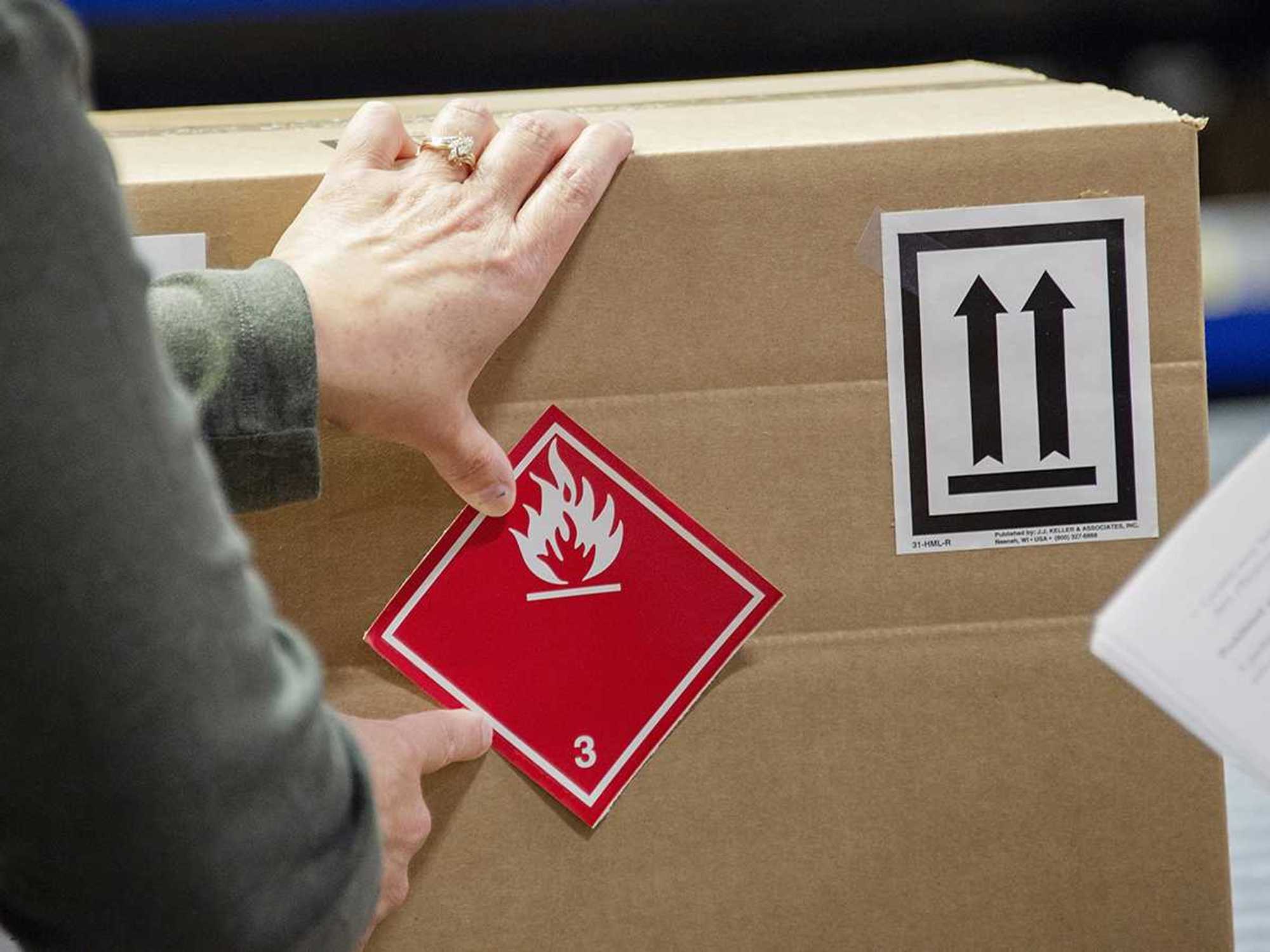
- IATA has provisions to allow a shipper to classify and ship small samples of unknown dangerous goods to a laboratory for analysis.
The International Air Transport Association (IATA) has provisions that allow a shipper to classify and ship unknown dangerous goods to a laboratory for analysis. The samples of unknown dangerous goods may be classified by the shipper and assigned a tentative shipping description, based on the:
- Defining criteria of the IATA Dangerous Goods Regulations (DGR),
- Hazard class of precedence, if required, and
- Shipper’s knowledge of the material.
Proper shipping name
When shipping samples of unknown dangerous goods the shipper must include the word “sample” in conjunction with the proper shipping name, for example:
- Flammable liquid, n.o.s., sample.
When a not-otherwise-specified (n.o.s.) entry is used for the sample, the proper shipping name does not need to include the technical name.
The most severe packing group possible must be used for the selected proper shipping name.
Limitations
Samples using the exception must not be:
- Forbidden materials and packages
- Explosives
- Infectious substance
- Radioactive
Self-reactive substances and organic peroxides samples must meet the conditions in IATA DGR Sections 3.4.1.2.5 and 3.5.2.6, respectively.
All samples must be transported in combination packaging with a net weight not exceeding 2.5 kgs and not packed with any other goods.
:
hazmat-air
hazmat-air
FOUNDATIONAL LEARNING
Samples under IATA
InstituteHazmat: AirIn Depth Sub Topics (Level 4)Hazmat SafetyHazmat EdgeFocus AreaUSAEnglishAnalysisTransportationHazmat: Air
['Hazmat: Air']
- IATA has provisions to allow a shipper to classify and ship small samples of unknown dangerous goods to a laboratory for analysis.
The International Air Transport Association (IATA) has provisions that allow a shipper to classify and ship unknown dangerous goods to a laboratory for analysis. The samples of unknown dangerous goods may be classified by the shipper and assigned a tentative shipping description, based on the:
- Defining criteria of the IATA Dangerous Goods Regulations (DGR),
- Hazard class of precedence, if required, and
- Shipper’s knowledge of the material.
Proper shipping name
When shipping samples of unknown dangerous goods the shipper must include the word “sample” in conjunction with the proper shipping name, for example:
- Flammable liquid, n.o.s., sample.
When a not-otherwise-specified (n.o.s.) entry is used for the sample, the proper shipping name does not need to include the technical name.
The most severe packing group possible must be used for the selected proper shipping name.
Limitations
Samples using the exception must not be:
- Forbidden materials and packages
- Explosives
- Infectious substance
- Radioactive
Self-reactive substances and organic peroxides samples must meet the conditions in IATA DGR Sections 3.4.1.2.5 and 3.5.2.6, respectively.
All samples must be transported in combination packaging with a net weight not exceeding 2.5 kgs and not packed with any other goods.
2657907766
2657907770
UPGRADE TO CONTINUE READING
RELATED TOPICS
J. J. Keller is the trusted source for DOT / Transportation, OSHA / Workplace Safety, Human Resources, Construction Safety and Hazmat / Hazardous Materials regulation compliance products and services. J. J. Keller helps you increase safety awareness, reduce risk, follow best practices, improve safety training, and stay current with changing regulations.
Copyright 2026 J. J. Keller & Associate, Inc. For re-use options please contact copyright@jjkeller.com or call 800-558-5011.