Compliance Just Got Easier: Stay ahead of regulatory changes with instant notifications on updates that matter.
['Hazmat: Air']
['Hazmat: Air']
12/01/2023

Copyright 2026 J. J. Keller & Associate, Inc. For re-use options please contact copyright@jjkeller.com or call 800-558-5011.
:
|
InstituteHazmat: AirIn Depth Sub Topics (Level 4)Hazmat SafetyHazmat EdgeFocus AreaUSAEnglishAnalysisTransportationHazmat: Air
IATA packing groups
['Hazmat: Air']
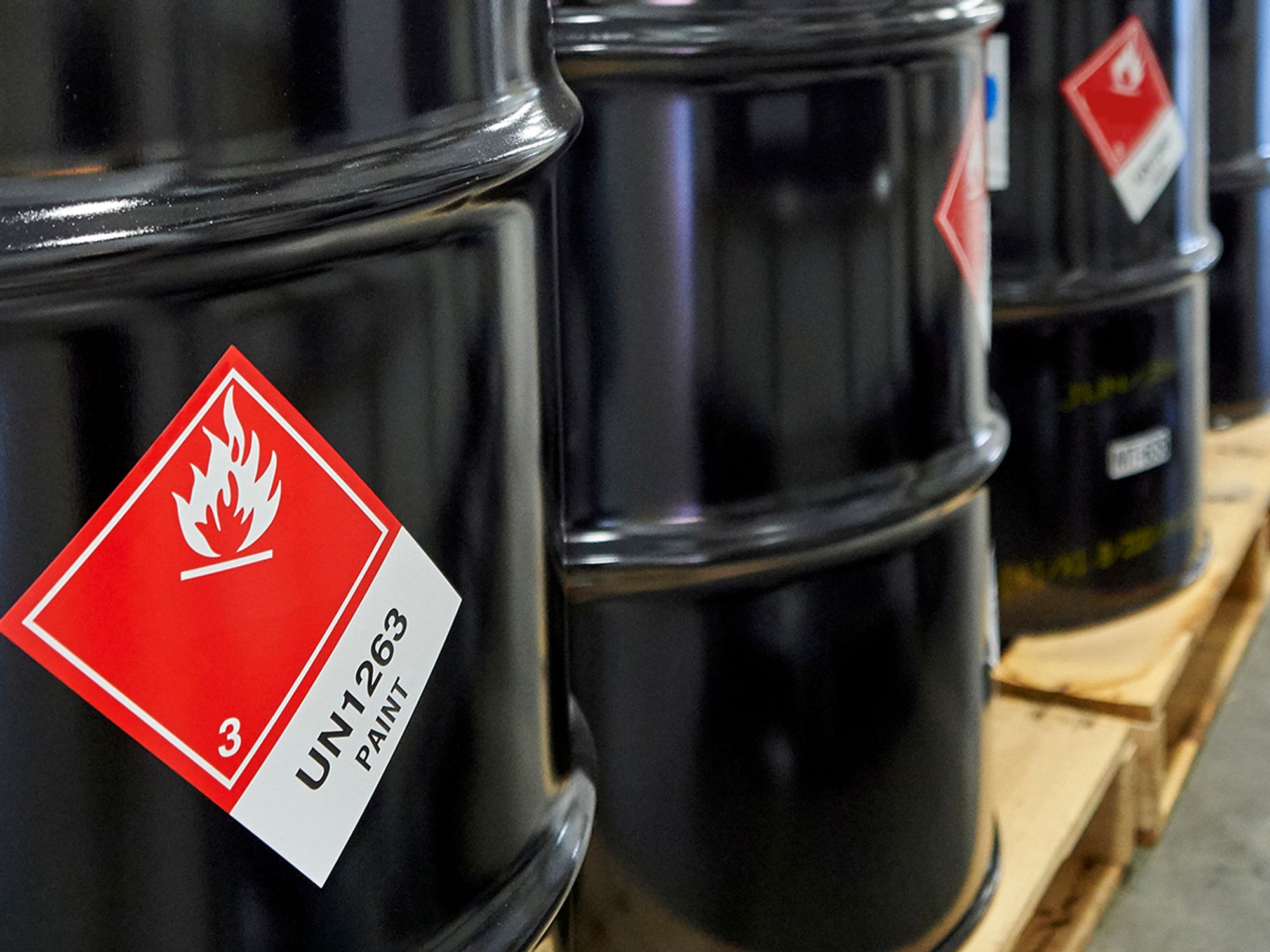
- Some dangerous goods are categorized into a packing group, which indicates the level of danger (high to low) that the dangerous goods present.
Some dangerous goods are further subdivided into packing groups. The packing group indicates the degree of danger presented by the dangerous goods.
- Packing Group I — high danger
- Packing Group II — medium danger
- Packing Group III — low danger
Packing groups have been developed for dangerous goods in Class 3, Class 4, Division 5.1, Division 6.1 and Class 8 materials. Some hazardous materials are assigned more than one packing group. Because packing groups impact the type of packaging that can be used, it is critical that each material is assigned to the correct one. The criteria for determining packing groups are included in the International Air Transport Association’s (IATA) Dangerous Goods Regulations (DGR) as follows:
- Section 3.3 — Class 3 (flammable liquid) materials
- Section 3.4 — Class 4 (flammable solid) materials
- Section 3.5 — Division 5.1 (oxidizing) materials
- Section 3.6 — Division 6.1 (poisonous) materials
- Section 3.8 — Class 8 (corrosive) materials
Some substances in Class 9, liquids in Division 5.1, and waste in Division 6.2 have been assigned packing groups according to the List of Dangerous Goods. Requirements for a specific packaging performance level can be found in the applicable packing instruction.
:
hazmat-air
hazmat-air
FOUNDATIONAL LEARNING
IATA packing groups
InstituteHazmat: AirIn Depth Sub Topics (Level 4)Hazmat SafetyHazmat EdgeFocus AreaUSAEnglishAnalysisTransportationHazmat: Air
['Hazmat: Air']
- Some dangerous goods are categorized into a packing group, which indicates the level of danger (high to low) that the dangerous goods present.
Some dangerous goods are further subdivided into packing groups. The packing group indicates the degree of danger presented by the dangerous goods.
- Packing Group I — high danger
- Packing Group II — medium danger
- Packing Group III — low danger
Packing groups have been developed for dangerous goods in Class 3, Class 4, Division 5.1, Division 6.1 and Class 8 materials. Some hazardous materials are assigned more than one packing group. Because packing groups impact the type of packaging that can be used, it is critical that each material is assigned to the correct one. The criteria for determining packing groups are included in the International Air Transport Association’s (IATA) Dangerous Goods Regulations (DGR) as follows:
- Section 3.3 — Class 3 (flammable liquid) materials
- Section 3.4 — Class 4 (flammable solid) materials
- Section 3.5 — Division 5.1 (oxidizing) materials
- Section 3.6 — Division 6.1 (poisonous) materials
- Section 3.8 — Class 8 (corrosive) materials
Some substances in Class 9, liquids in Division 5.1, and waste in Division 6.2 have been assigned packing groups according to the List of Dangerous Goods. Requirements for a specific packaging performance level can be found in the applicable packing instruction.
2657907763
2657907766
UPGRADE TO CONTINUE READING
RELATED TOPICS
J. J. Keller is the trusted source for DOT / Transportation, OSHA / Workplace Safety, Human Resources, Construction Safety and Hazmat / Hazardous Materials regulation compliance products and services. J. J. Keller helps you increase safety awareness, reduce risk, follow best practices, improve safety training, and stay current with changing regulations.
Copyright 2026 J. J. Keller & Associate, Inc. For re-use options please contact copyright@jjkeller.com or call 800-558-5011.