Compliance Just Got Easier: Stay ahead of regulatory changes with instant notifications on updates that matter.
['Driver qualifications']
['Road test']
02/24/2026

Copyright 2026 J. J. Keller & Associate, Inc. For re-use options please contact copyright@jjkeller.com or call 800-558-5011.
:
|
InstituteRoad testFleet SafetyIn Depth Sub Topics (Level 4)Driver qualificationsFocus AreaFleet OperationsEnglishAnalysisTransportationUSA
Road test best practices
['Driver qualifications']
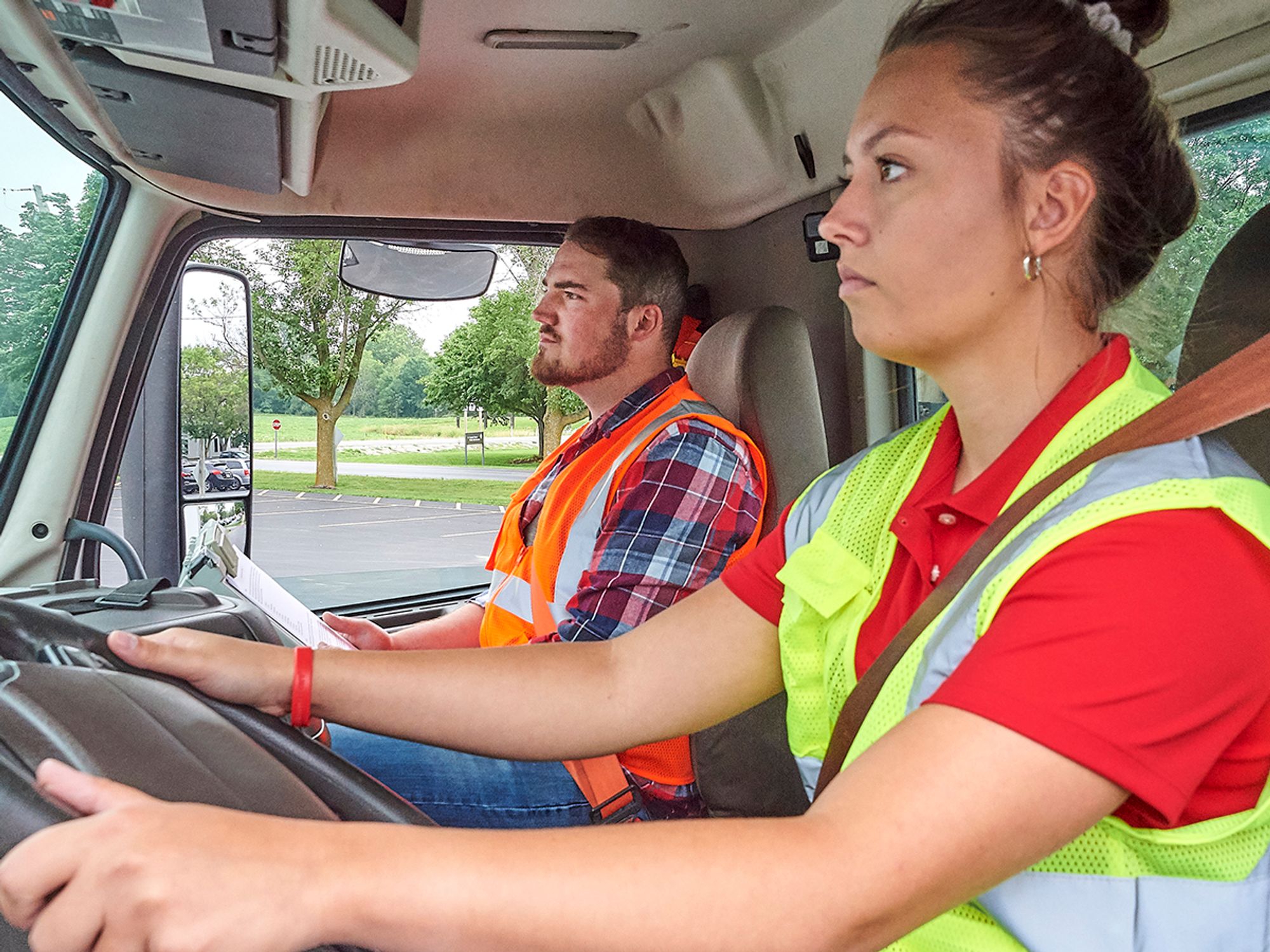
When hiring commercial motor vehicle (CMV) drivers, carriers have limited information to judge safety. A driver’s record shows past behavior, but a road test shows how the driver performs right now. Together, they help identify strengths and gaps before the driver hits the road.
Road test options
Carriers can take one of three approaches to road testing:
- Use one of the two federal exceptions allowed under §391.33 instead of giving a road test,
- Meet the minimum federal road test requirements under §391.31, or
- Go beyond the minimum standards by using road test best practices.
Caution: Using a road test exception can weaken a carrier’s defense in post-crash litigation. Courts often view exceptions as a shortcut or a missed opportunity to identify risk.
Why exceed the minimum testing requirements?
Evaluating driver skills at the time of hire and on an ongoing basis helps carriers:
- Lower crash risk and legal exposure; and
- Improve driver retention by building skill and confidence.
Today, juries and federal auditors expect carriers to meet — and often exceed — minimum standards, not just comply with them. Exceeding the minimum road test requirements strengthens both safety and defensibility.
10 road test best practices
If these ten steps aren’t already part of your policies, consider adding the following best practices to your driver testing program:
- Test drivers on a single road course that includes the required elements in §391.31(b) and matches the driver’s expected vehicle and operating environment.
- Use a standardized scoring sheet that allows evaluator comments.
- Do not use the §391.33 exceptions instead of giving a road test.
- Require evaluators of commercial driver’s license (CDL) drivers to hold a CDL, in case they need to operate the vehicle.
- Document why each evaluator is qualified, such as through an appointment letter.
- Review evaluators regularly to ensure consistent scoring and reduce bias.
- Explain the test process to the driver before starting, and limit instructions and comments during the test to avoid distractions.
- Provide and document remedial training to address any weaknesses found during the road test — even if the driver passes.
- Conduct road tests after a driver is hired and before key changes, such as:
- Returning from a long absence;
- Moving to a new vehicle or operation;
- Driving in winter or mountainous conditions; or
- Becoming a driver trainer.
- Never pass a driver just to meet operational needs. The risks of skipping key steps in the testing process can lead to violations, potential litigation, and safety issues.
:
driver-qualifications
FOUNDATIONAL LEARNING
Road test best practices
InstituteRoad testFleet SafetyIn Depth Sub Topics (Level 4)Driver qualificationsFocus AreaFleet OperationsEnglishAnalysisTransportationUSA
['Driver qualifications']
When hiring commercial motor vehicle (CMV) drivers, carriers have limited information to judge safety. A driver’s record shows past behavior, but a road test shows how the driver performs right now. Together, they help identify strengths and gaps before the driver hits the road.
Road test options
Carriers can take one of three approaches to road testing:
- Use one of the two federal exceptions allowed under §391.33 instead of giving a road test,
- Meet the minimum federal road test requirements under §391.31, or
- Go beyond the minimum standards by using road test best practices.
Caution: Using a road test exception can weaken a carrier’s defense in post-crash litigation. Courts often view exceptions as a shortcut or a missed opportunity to identify risk.
Why exceed the minimum testing requirements?
Evaluating driver skills at the time of hire and on an ongoing basis helps carriers:
- Lower crash risk and legal exposure; and
- Improve driver retention by building skill and confidence.
Today, juries and federal auditors expect carriers to meet — and often exceed — minimum standards, not just comply with them. Exceeding the minimum road test requirements strengthens both safety and defensibility.
10 road test best practices
If these ten steps aren’t already part of your policies, consider adding the following best practices to your driver testing program:
- Test drivers on a single road course that includes the required elements in §391.31(b) and matches the driver’s expected vehicle and operating environment.
- Use a standardized scoring sheet that allows evaluator comments.
- Do not use the §391.33 exceptions instead of giving a road test.
- Require evaluators of commercial driver’s license (CDL) drivers to hold a CDL, in case they need to operate the vehicle.
- Document why each evaluator is qualified, such as through an appointment letter.
- Review evaluators regularly to ensure consistent scoring and reduce bias.
- Explain the test process to the driver before starting, and limit instructions and comments during the test to avoid distractions.
- Provide and document remedial training to address any weaknesses found during the road test — even if the driver passes.
- Conduct road tests after a driver is hired and before key changes, such as:
- Returning from a long absence;
- Moving to a new vehicle or operation;
- Driving in winter or mountainous conditions; or
- Becoming a driver trainer.
- Never pass a driver just to meet operational needs. The risks of skipping key steps in the testing process can lead to violations, potential litigation, and safety issues.
2657038838
2657106582
UPGRADE TO CONTINUE READING
RELATED TOPICS
J. J. Keller is the trusted source for DOT / Transportation, OSHA / Workplace Safety, Human Resources, Construction Safety and Hazmat / Hazardous Materials regulation compliance products and services. J. J. Keller helps you increase safety awareness, reduce risk, follow best practices, improve safety training, and stay current with changing regulations.
Copyright 2026 J. J. Keller & Associate, Inc. For re-use options please contact copyright@jjkeller.com or call 800-558-5011.