Compliance Just Got Easier: Stay ahead of regulatory changes with instant notifications on updates that matter.
['General Packaging Requirements - Hazmat']
['Cylinders - Hazmat', 'Empty packaging - Hazmat', 'Cargo tanks - Hazmat', 'Portable tanks - Hazmat', 'Bulk packaging - Hazmat', 'General Packaging Requirements - Hazmat', 'Intermediate bulk containers (IBCs) - Hazmat', 'Non-bulk packaging - Hazmat']
10/01/2026

Copyright 2026 J. J. Keller & Associate, Inc. For re-use options please contact copyright@jjkeller.com or call 800-558-5011.
:
|
InstituteCargo tanks - HazmatBulk packaging - HazmatPortable tanks - HazmatTransportationHazmat SafetyGeneral Packaging Requirements - HazmatEnglishGeneral Packaging Requirements - HazmatNon-bulk packaging - HazmatEmpty packaging - HazmatIntermediate bulk containers (IBCs) - HazmatCylinders - HazmatAnalysisFocus AreaCompliance and Exceptions (Level 2)USA
Requirements for specific types of packagings
['General Packaging Requirements - Hazmat']
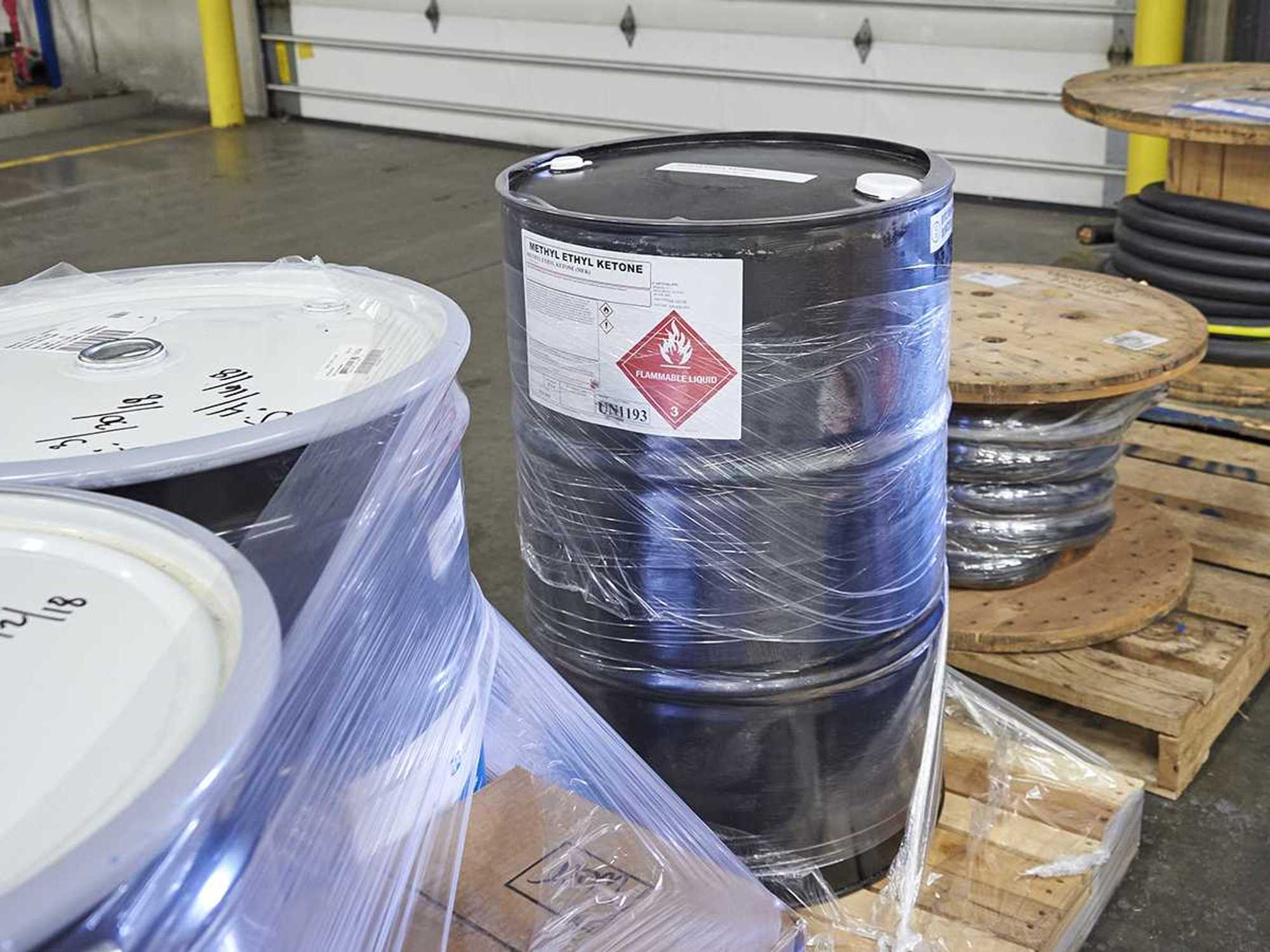
- HMR define requirements for bulk, non-bulk, and empty packagings.
Specific types of packagings have different requirements for hazardous materials transportation. Hazardous Materials Regulations (HMR) define the terms and requirements for:
- Bulk packagings,
- Non-bulk packagings, and
- Empty packagings.
Common types of bulk packagings include cargo tanks, portable tanks, intermediate bulk containers (IBCs), and tank cars.
Common types of non-bulk packagings include boxes, drums, barrels, jerricans, pails, bags, composite packagings, and cylinders.
The regulations include maximum capacity, maximum net mass, and water capacity. Empty packaging must conform to certain provisions or be subject to other requirements of the HMR.
Specific types of packagings have different requirements for hazardous materials transportation. Hazardous Materials Regulations (HMR) define the terms and requirements for:
- Bulk packagings,
- Non-bulk packagings, and
- Empty packagings.
Common types of bulk packagings include cargo tanks, portable tanks, intermediate bulk containers (IBCs), and tank cars.
Common types of non-bulk packagings include boxes, drums, barrels, jerricans, pails, bags, composite packagings, and cylinders.
The regulations include maximum capacity, maximum net mass, and water capacity. Empty packaging must conform to certain provisions or be subject to other requirements of the HMR.
:
general-packaging-requirements-hazmat
general-packaging-requirements-hazmat
FOUNDATIONAL LEARNING
InstituteCargo tanks - HazmatBulk packaging - HazmatPortable tanks - HazmatTransportationHazmat SafetyGeneral Packaging Requirements - HazmatEnglishGeneral Packaging Requirements - HazmatNon-bulk packaging - HazmatEmpty packaging - HazmatIntermediate bulk containers (IBCs) - HazmatCylinders - HazmatAnalysisFocus AreaCompliance and Exceptions (Level 2)USA
Requirements for specific types of packagings
Requirements for specific types of packagings
InstituteCargo tanks - HazmatBulk packaging - HazmatPortable tanks - HazmatTransportationHazmat SafetyGeneral Packaging Requirements - HazmatEnglishGeneral Packaging Requirements - HazmatNon-bulk packaging - HazmatEmpty packaging - HazmatIntermediate bulk containers (IBCs) - HazmatCylinders - HazmatAnalysisFocus AreaCompliance and Exceptions (Level 2)USA
['General Packaging Requirements - Hazmat']
- HMR define requirements for bulk, non-bulk, and empty packagings.
Specific types of packagings have different requirements for hazardous materials transportation. Hazardous Materials Regulations (HMR) define the terms and requirements for:
- Bulk packagings,
- Non-bulk packagings, and
- Empty packagings.
Common types of bulk packagings include cargo tanks, portable tanks, intermediate bulk containers (IBCs), and tank cars.
Common types of non-bulk packagings include boxes, drums, barrels, jerricans, pails, bags, composite packagings, and cylinders.
The regulations include maximum capacity, maximum net mass, and water capacity. Empty packaging must conform to certain provisions or be subject to other requirements of the HMR.
Specific types of packagings have different requirements for hazardous materials transportation. Hazardous Materials Regulations (HMR) define the terms and requirements for:
- Bulk packagings,
- Non-bulk packagings, and
- Empty packagings.
Common types of bulk packagings include cargo tanks, portable tanks, intermediate bulk containers (IBCs), and tank cars.
Common types of non-bulk packagings include boxes, drums, barrels, jerricans, pails, bags, composite packagings, and cylinders.
The regulations include maximum capacity, maximum net mass, and water capacity. Empty packaging must conform to certain provisions or be subject to other requirements of the HMR.
2656871120
2656870441
UPGRADE TO CONTINUE READING
RELATED TOPICS
J. J. Keller is the trusted source for DOT / Transportation, OSHA / Workplace Safety, Human Resources, Construction Safety and Hazmat / Hazardous Materials regulation compliance products and services. J. J. Keller helps you increase safety awareness, reduce risk, follow best practices, improve safety training, and stay current with changing regulations.
Copyright 2026 J. J. Keller & Associate, Inc. For re-use options please contact copyright@jjkeller.com or call 800-558-5011.