Compliance Just Got Easier: Stay ahead of regulatory changes with instant notifications on updates that matter.
['Fall Protection']
['Falling Object Protection', 'Fall Protection for Construction', 'Fall Protection']
04/22/2025

Copyright 2026 J. J. Keller & Associate, Inc. For re-use options please contact copyright@jjkeller.com or call 800-558-5011.
:
|
InstituteSafety & HealthGeneral Industry SafetyFall ProtectionFall ProtectionFalling Object ProtectionFall Protection for ConstructionFocus AreaEnglishAnalysisIn Depth Sub Topics (Level 4)USA
Perform a Job Hazard Analysis and conduct morning safety meetings to protect tower construction and maintenance contractors
['Fall Protection']
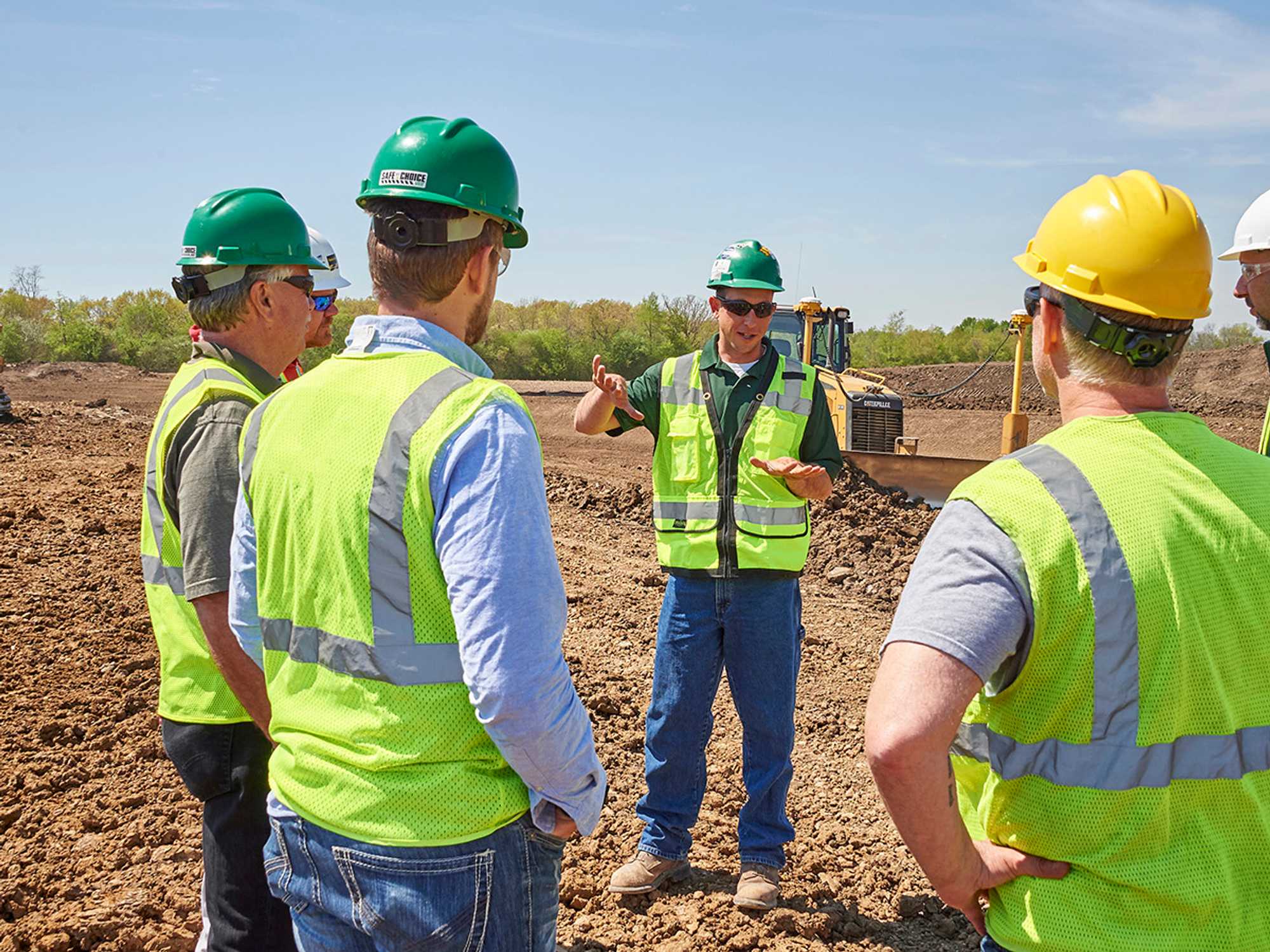
- Contractors can help establish good safety practices through daily safety meetings and equipment inspections at the beginning of each workday.
- Contractors should complete a comprehensive Job Hazard Analysis at the worksite before employees begin work at that site.
To establish good worksite safety practices, contractors should require supervisors to conduct a tailgate meeting at the beginning of each workday. The purpose of these meetings is to highlight the most important safety issues for the day. Meetings should cover the location of rescue equipment, possible hazards specific to the job site, the need for personal protective equipment (such as hard hats and eye protection), the need to be aware of overhead hazards (especially during lifts), and the importance of keeping clear of the load. Other critical topics include the location of the nearest hospital, and how to direct someone to call 911 in an emergency.
Before any employee sets foot on a job site, the contractor should complete a comprehensive Job Hazard Analysis (JHA). The JHA should be required on-site documentation for all work activities. The JHA should:
- Provide an overview of the location of the worksite, the type of tower, and the work to be done.
- Include the precise location of the worksite and the location of (and contact information for) all local emergency services (including the nearest hospital or medical center).
- Provide a detailed analysis of each individual job task to be completed, as well as information about the hazards associated with that task and the preventive measures necessary to avoid those hazards (including applicable personal protective equipment).
- Include a list of all personnel working on site, along with information regarding the training and certifications held by each individual.
- Include a mental and physical check-in with climbers. Do they feel mentally and physically ready to climb safely that day? If there are any situations or conditions that may prevent them from being focused on climbing safely, the foreman should have and exercise the authority to relieve that climber from climbing duties.
For worksites where personnel will be working at heights and/or where hoisting of personnel or materials will be performed, a more detailed JHA should be used, and should include specific hazard control measures unique to the work activities being performed on that job site.
Contractors should institute work policies and procedures designed to ensure that safe work practices will always be followed on site. For example, when contractors begin every single workday with a tailgate meeting discussing the day’s work, and then immediately follow the meeting with daily equipment inspections, critical safety practices are less likely to be overlooked.
:
fall-protection
fall-protection
FOUNDATIONAL LEARNING
Perform a Job Hazard Analysis and conduct morning safety meetings to protect tower construction and maintenance contractors
InstituteSafety & HealthGeneral Industry SafetyFall ProtectionFall ProtectionFalling Object ProtectionFall Protection for ConstructionFocus AreaEnglishAnalysisIn Depth Sub Topics (Level 4)USA
['Fall Protection']
- Contractors can help establish good safety practices through daily safety meetings and equipment inspections at the beginning of each workday.
- Contractors should complete a comprehensive Job Hazard Analysis at the worksite before employees begin work at that site.
To establish good worksite safety practices, contractors should require supervisors to conduct a tailgate meeting at the beginning of each workday. The purpose of these meetings is to highlight the most important safety issues for the day. Meetings should cover the location of rescue equipment, possible hazards specific to the job site, the need for personal protective equipment (such as hard hats and eye protection), the need to be aware of overhead hazards (especially during lifts), and the importance of keeping clear of the load. Other critical topics include the location of the nearest hospital, and how to direct someone to call 911 in an emergency.
Before any employee sets foot on a job site, the contractor should complete a comprehensive Job Hazard Analysis (JHA). The JHA should be required on-site documentation for all work activities. The JHA should:
- Provide an overview of the location of the worksite, the type of tower, and the work to be done.
- Include the precise location of the worksite and the location of (and contact information for) all local emergency services (including the nearest hospital or medical center).
- Provide a detailed analysis of each individual job task to be completed, as well as information about the hazards associated with that task and the preventive measures necessary to avoid those hazards (including applicable personal protective equipment).
- Include a list of all personnel working on site, along with information regarding the training and certifications held by each individual.
- Include a mental and physical check-in with climbers. Do they feel mentally and physically ready to climb safely that day? If there are any situations or conditions that may prevent them from being focused on climbing safely, the foreman should have and exercise the authority to relieve that climber from climbing duties.
For worksites where personnel will be working at heights and/or where hoisting of personnel or materials will be performed, a more detailed JHA should be used, and should include specific hazard control measures unique to the work activities being performed on that job site.
Contractors should institute work policies and procedures designed to ensure that safe work practices will always be followed on site. For example, when contractors begin every single workday with a tailgate meeting discussing the day’s work, and then immediately follow the meeting with daily equipment inspections, critical safety practices are less likely to be overlooked.
2656866979
2656872723
UPGRADE TO CONTINUE READING
RELATED TOPICS
J. J. Keller is the trusted source for DOT / Transportation, OSHA / Workplace Safety, Human Resources, Construction Safety and Hazmat / Hazardous Materials regulation compliance products and services. J. J. Keller helps you increase safety awareness, reduce risk, follow best practices, improve safety training, and stay current with changing regulations.
Copyright 2026 J. J. Keller & Associate, Inc. For re-use options please contact copyright@jjkeller.com or call 800-558-5011.