Compliance Just Got Easier: Stay ahead of regulatory changes with instant notifications on updates that matter.
['Infectious Diseases']
['Infectious Diseases']
11/13/2025

Copyright 2026 J. J. Keller & Associate, Inc. For re-use options please contact copyright@jjkeller.com or call 800-558-5011.
:
|
InstituteInfectious DiseasesInfectious DiseasesEnglishAnalysisFocus AreaCompliance and Exceptions (Level 2)USA
MRSA
['Infectious Diseases']
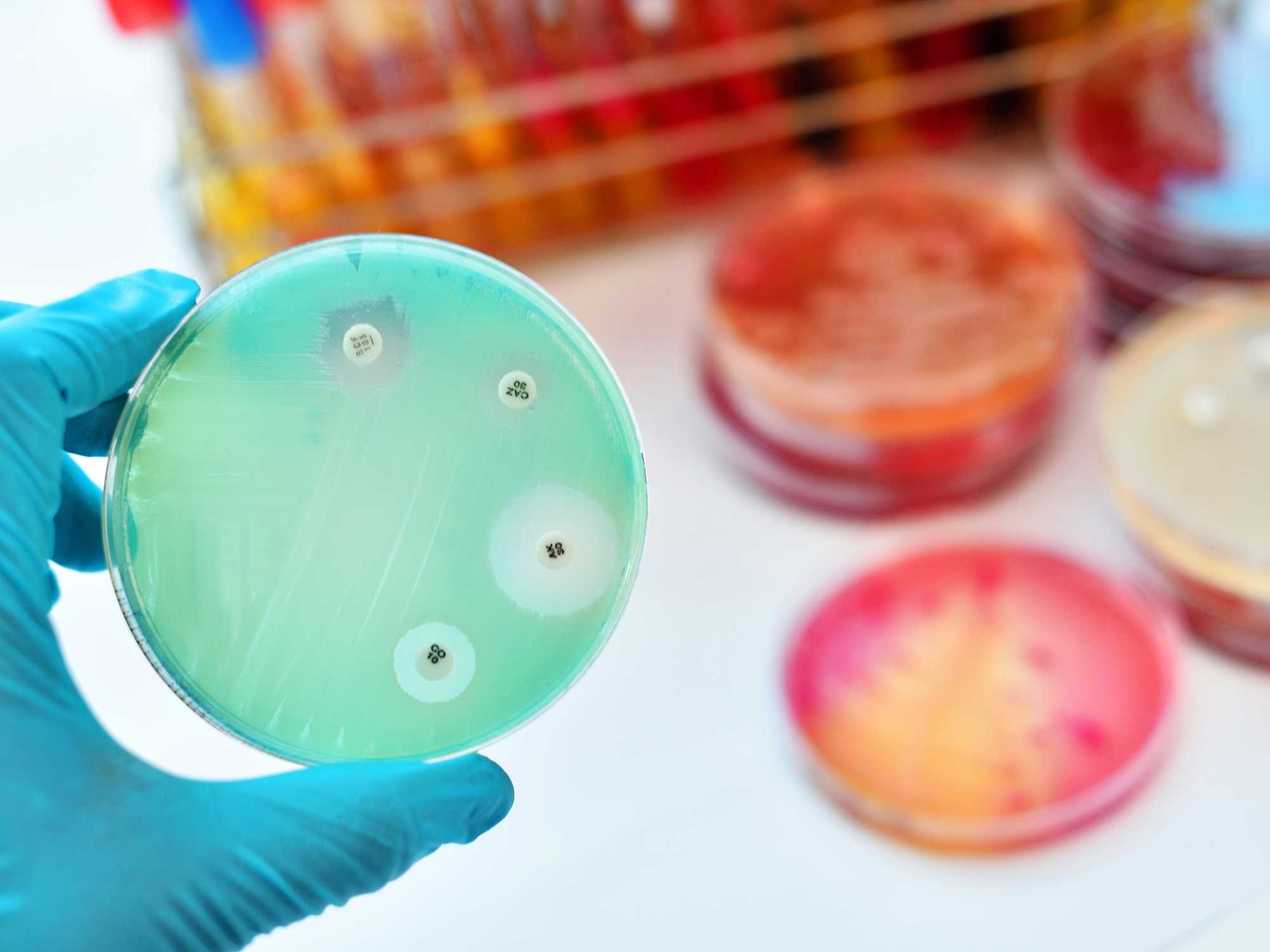
- MRSA is a type of staph infection that is resistant to many antibiotics, including some commonly used ones.
- MRSA occurs most frequently in healthcare settings but can also be community acquired.
Methicillin-resistant Staphylococcus aureus, or MRSA, is a type of staph that is resistant to some antibiotics such as methicillin and other more common antibiotics such as oxacillin, penicillin, and amoxicillin. MRSA infections occur most frequently among persons in hospitals and other healthcare facilities (such as nursing homes and dialysis centers) who have weakened immune systems. These healthcare-associated MRSA infections include infections of surgical wounds, the urinary tract, bloodstream and lungs (pneumonia). HA-MRSA can also cause illness in persons outside of hospitals and healthcare facilities. MRSA infections that are acquired by persons who have not been recently (within the past year) hospitalized or had a medical procedure (such as dialysis, surgery, the insertion of a catheter) are known as community-associated MRSA infections. CA-MRSA infections are usually manifested as skin infections, such as pimples and boils, and occur in otherwise healthy people. However, some severe CA-MRSA infections have also occurred in healthy individuals.
Anyone can get a MRSA infection. People are more likely to get a MRSA infection if they have:
- Skin-to-skin contact with someone who has a MRSA infection
- Contact with items and surfaces that have MRSA on them
- Openings in their skin such as cuts or scrapes
- Crowded living conditions
- Poor personal hygiene or a lack of cleanliness
:
infectious-diseases
infectious-diseases
FOUNDATIONAL LEARNING
InstituteMedical ExaminationsMedical and Exposure RecordsPersonal Protective EquipmentIn Depth Sub Topics (Level 4)Disabilities and ADAEnglishPersonal Protective EquipmentDiscriminationDiscriminationMedical and Exposure RecordsEye and Face ProtectionInfectious DiseasesAge DiscriminationInfectious DiseasesCOVID-19Hand ProtectionRespiratory ProtectionAnalysisFocus AreaDisabilities and ADAUSA
Guidance for job tasks associated with certain risk levels
MRSA
InstituteInfectious DiseasesInfectious DiseasesEnglishAnalysisFocus AreaCompliance and Exceptions (Level 2)USA
['Infectious Diseases']
- MRSA is a type of staph infection that is resistant to many antibiotics, including some commonly used ones.
- MRSA occurs most frequently in healthcare settings but can also be community acquired.
Methicillin-resistant Staphylococcus aureus, or MRSA, is a type of staph that is resistant to some antibiotics such as methicillin and other more common antibiotics such as oxacillin, penicillin, and amoxicillin. MRSA infections occur most frequently among persons in hospitals and other healthcare facilities (such as nursing homes and dialysis centers) who have weakened immune systems. These healthcare-associated MRSA infections include infections of surgical wounds, the urinary tract, bloodstream and lungs (pneumonia). HA-MRSA can also cause illness in persons outside of hospitals and healthcare facilities. MRSA infections that are acquired by persons who have not been recently (within the past year) hospitalized or had a medical procedure (such as dialysis, surgery, the insertion of a catheter) are known as community-associated MRSA infections. CA-MRSA infections are usually manifested as skin infections, such as pimples and boils, and occur in otherwise healthy people. However, some severe CA-MRSA infections have also occurred in healthy individuals.
Anyone can get a MRSA infection. People are more likely to get a MRSA infection if they have:
- Skin-to-skin contact with someone who has a MRSA infection
- Contact with items and surfaces that have MRSA on them
- Openings in their skin such as cuts or scrapes
- Crowded living conditions
- Poor personal hygiene or a lack of cleanliness
2657105842
2657104762
UPGRADE TO CONTINUE READING
J. J. Keller is the trusted source for DOT / Transportation, OSHA / Workplace Safety, Human Resources, Construction Safety and Hazmat / Hazardous Materials regulation compliance products and services. J. J. Keller helps you increase safety awareness, reduce risk, follow best practices, improve safety training, and stay current with changing regulations.
Copyright 2026 J. J. Keller & Associate, Inc. For re-use options please contact copyright@jjkeller.com or call 800-558-5011.