Compliance Just Got Easier: Stay ahead of regulatory changes with instant notifications on updates that matter.
['Hazardous Materials Table']
['Severe marine pollutant - Hazmat', 'Marine pollutant - Hazmat', 'Hazardous materials table']
05/13/2026

Copyright 2026 J. J. Keller & Associate, Inc. For re-use options please contact copyright@jjkeller.com or call 800-558-5011.
:
|
InstituteSevere marine pollutant - HazmatMarine pollutant - HazmatTransportationHazmat SafetyHazardous Materials TableHazardous materials tableEnglishAnalysisFocus AreaCompliance and Exceptions (Level 2)USA
Marine pollutant (Hazmat)
['Hazardous Materials Table']
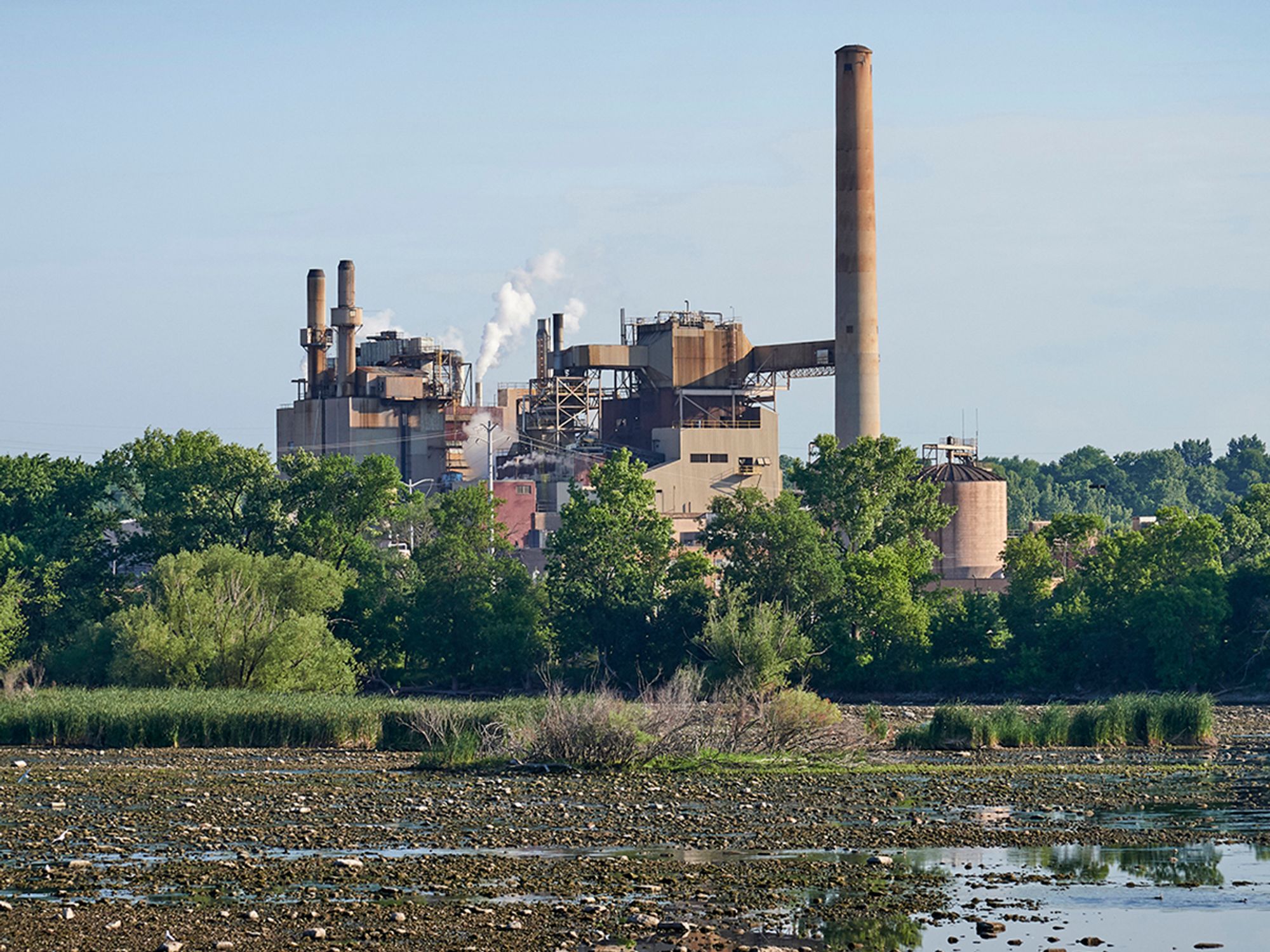
- The List of Marine Pollutants in Appendix B lists materials known to kill or retard the growth of marine life.
- Materials classified as severe marine pollutants only need to make up 1 percent by weight for the mixture/solution to be considered a marine pollutant, in contrast to at least 10 percent for other marine pollutants.
The List of Marine Pollutants can be found in Appendix B to 172.101, immediately following the List of Hazardous Substances and Reportable Quantities. It lists materials that are known to kill or retard the growth of marine life.
Severe marine pollutant (Hazmat)
Materials identified by the letters “PP” in Column 1 are considered “severe marine pollutants.” That means they must only make up 1 percent (by weight) of a mixture or solution for the mixture or solution to be considered a marine pollutant.
All other listed marine pollutants not marked with “PP” must be present in a concentration that equals or exceeds 10 percent (by weight).
| S.M.P. | Marine Pollutant |
|---|---|
| (1) | (2) |
| PP | Aldrin |
| Alkybenzenesulphonates, branched- and straight-chain (excluding C11-C13 straight-chain or branched-chain homologues) | |
| Alkyl (C12-C14) dimethylamine | |
| Alkyl (C7-C9) nitrates | |
| Allyl alcohol | |
| Allyl bromide | |
| ortho-Aminoanisole |
Example: A solution weighing 10 pounds would have to contain one pound or more of allyl bromide to be considered a marine pollutant. On the other hand, a solution weighing 10 pounds would only have to contain 0.1 pound of Aldrin (a severe marine pollutant) to be considered a marine pollutant.
Because these materials pose a substantial risk to the marine environment, specific requirements have been established to ensure that they are properly packaged and identified when offered for transportation by vessel.
Marine pollutants transported by water are subject to all the applicable requirements in any size packaging. Marine pollutants transported by highway, rail, or air are subject to the requirements only when transported in bulk packages.
:
hazardous-materials-table
FOUNDATIONAL LEARNING
Marine pollutant (Hazmat)
InstituteSevere marine pollutant - HazmatMarine pollutant - HazmatTransportationHazmat SafetyHazardous Materials TableHazardous materials tableEnglishAnalysisFocus AreaCompliance and Exceptions (Level 2)USA
['Hazardous Materials Table']
- The List of Marine Pollutants in Appendix B lists materials known to kill or retard the growth of marine life.
- Materials classified as severe marine pollutants only need to make up 1 percent by weight for the mixture/solution to be considered a marine pollutant, in contrast to at least 10 percent for other marine pollutants.
The List of Marine Pollutants can be found in Appendix B to 172.101, immediately following the List of Hazardous Substances and Reportable Quantities. It lists materials that are known to kill or retard the growth of marine life.
Severe marine pollutant (Hazmat)
Materials identified by the letters “PP” in Column 1 are considered “severe marine pollutants.” That means they must only make up 1 percent (by weight) of a mixture or solution for the mixture or solution to be considered a marine pollutant.
All other listed marine pollutants not marked with “PP” must be present in a concentration that equals or exceeds 10 percent (by weight).
| S.M.P. | Marine Pollutant |
|---|---|
| (1) | (2) |
| PP | Aldrin |
| Alkybenzenesulphonates, branched- and straight-chain (excluding C11-C13 straight-chain or branched-chain homologues) | |
| Alkyl (C12-C14) dimethylamine | |
| Alkyl (C7-C9) nitrates | |
| Allyl alcohol | |
| Allyl bromide | |
| ortho-Aminoanisole |
Example: A solution weighing 10 pounds would have to contain one pound or more of allyl bromide to be considered a marine pollutant. On the other hand, a solution weighing 10 pounds would only have to contain 0.1 pound of Aldrin (a severe marine pollutant) to be considered a marine pollutant.
Because these materials pose a substantial risk to the marine environment, specific requirements have been established to ensure that they are properly packaged and identified when offered for transportation by vessel.
Marine pollutants transported by water are subject to all the applicable requirements in any size packaging. Marine pollutants transported by highway, rail, or air are subject to the requirements only when transported in bulk packages.
2657032644
UPGRADE TO CONTINUE READING
RELATED TOPICS
J. J. Keller is the trusted source for DOT / Transportation, OSHA / Workplace Safety, Human Resources, Construction Safety and Hazmat / Hazardous Materials regulation compliance products and services. J. J. Keller helps you increase safety awareness, reduce risk, follow best practices, improve safety training, and stay current with changing regulations.
Copyright 2026 J. J. Keller & Associate, Inc. For re-use options please contact copyright@jjkeller.com or call 800-558-5011.